City · Berati
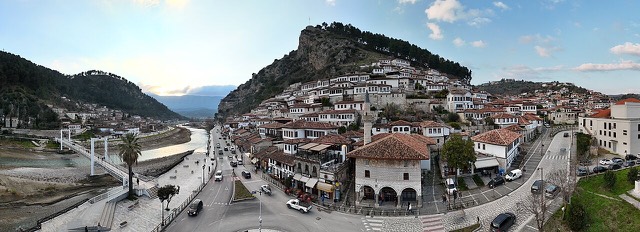
Berat
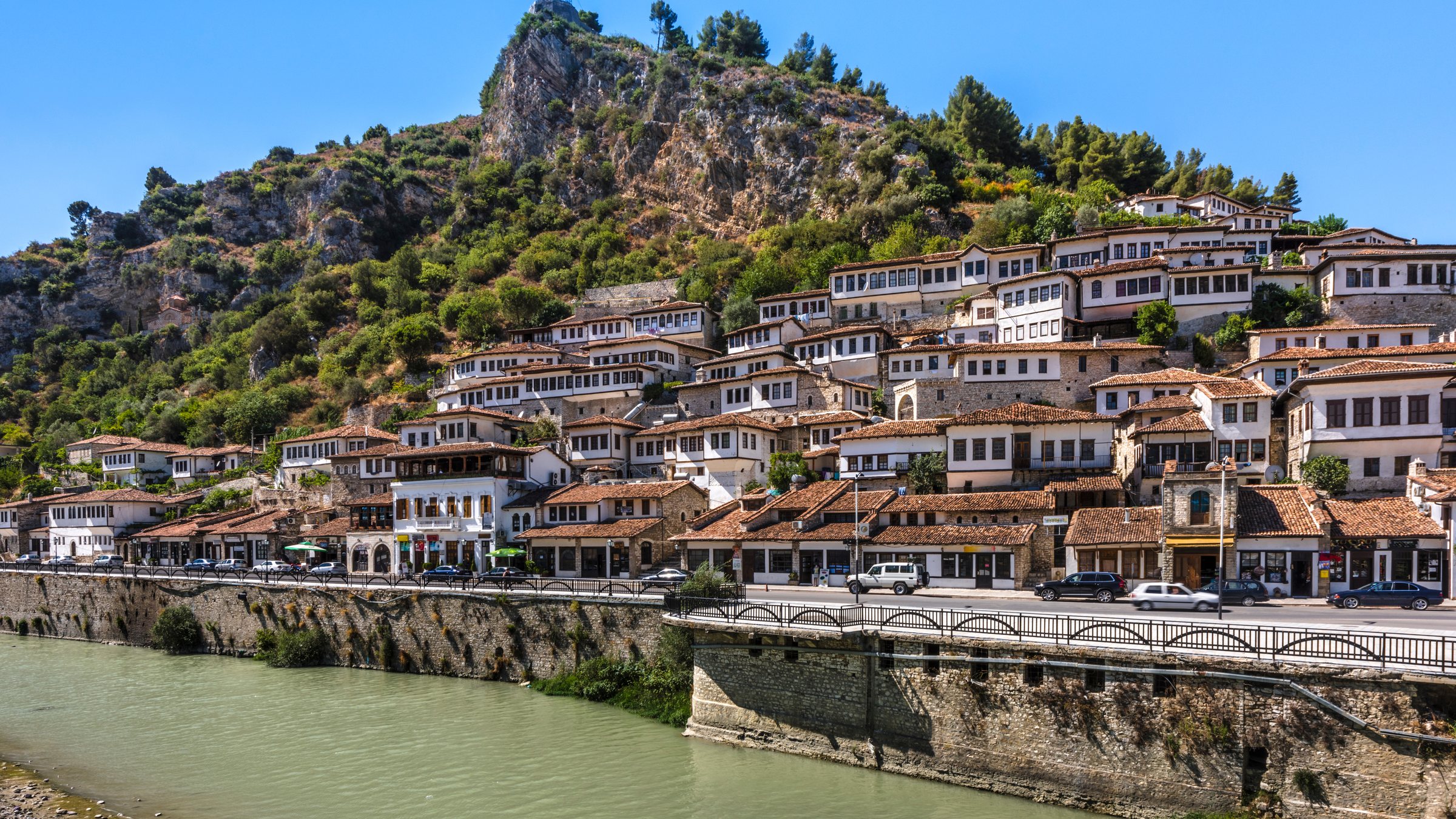
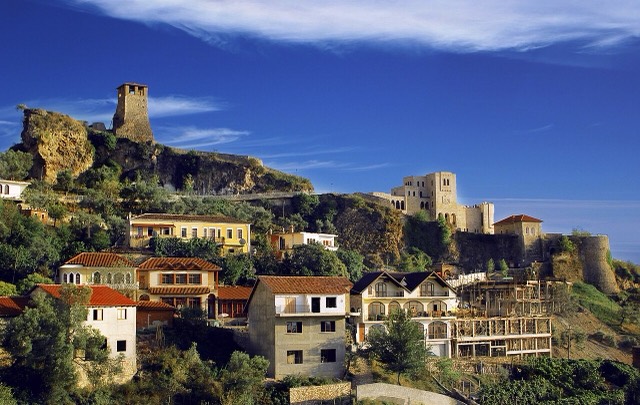
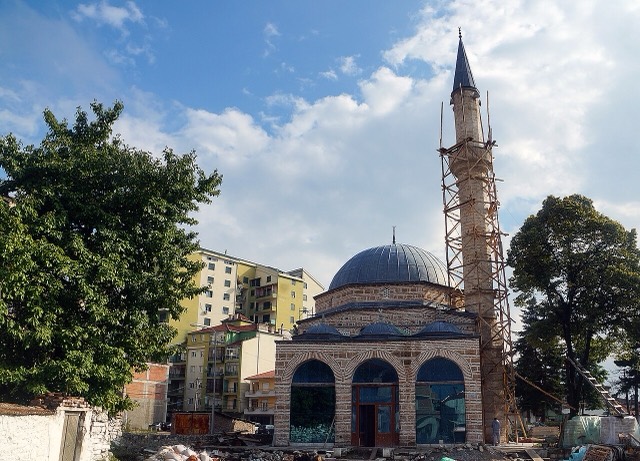
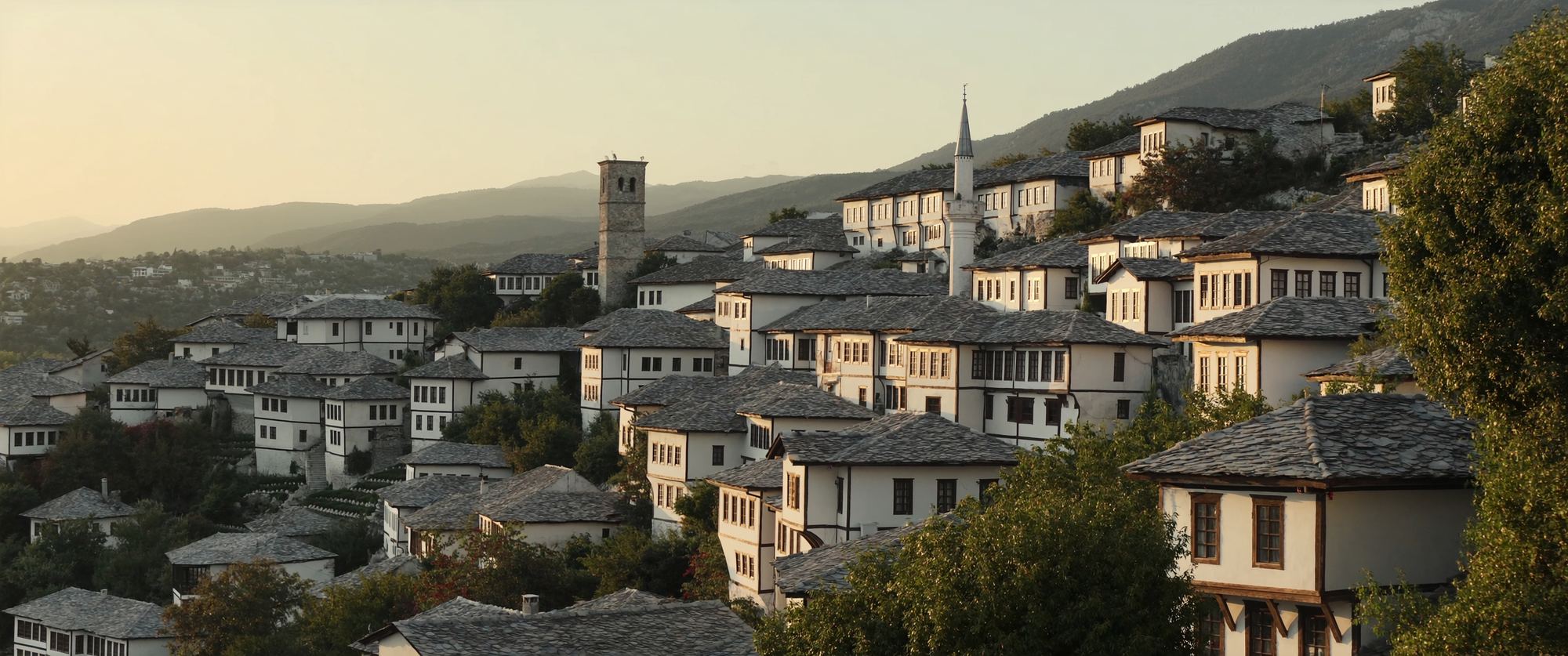
The 'city of a thousand windows': an Ottoman hill town under a still-inhabited castle, UNESCO-listed since 2008.
Every county, coast and century
Guided view
New to Albania? Every page opens with a plain-language explanation you could read to a ten-year-old, before the detail begins.
Expert view
You already know the basics. Straight to the substance, with the simple explanations hidden. This is the default.
 Coast and beaches
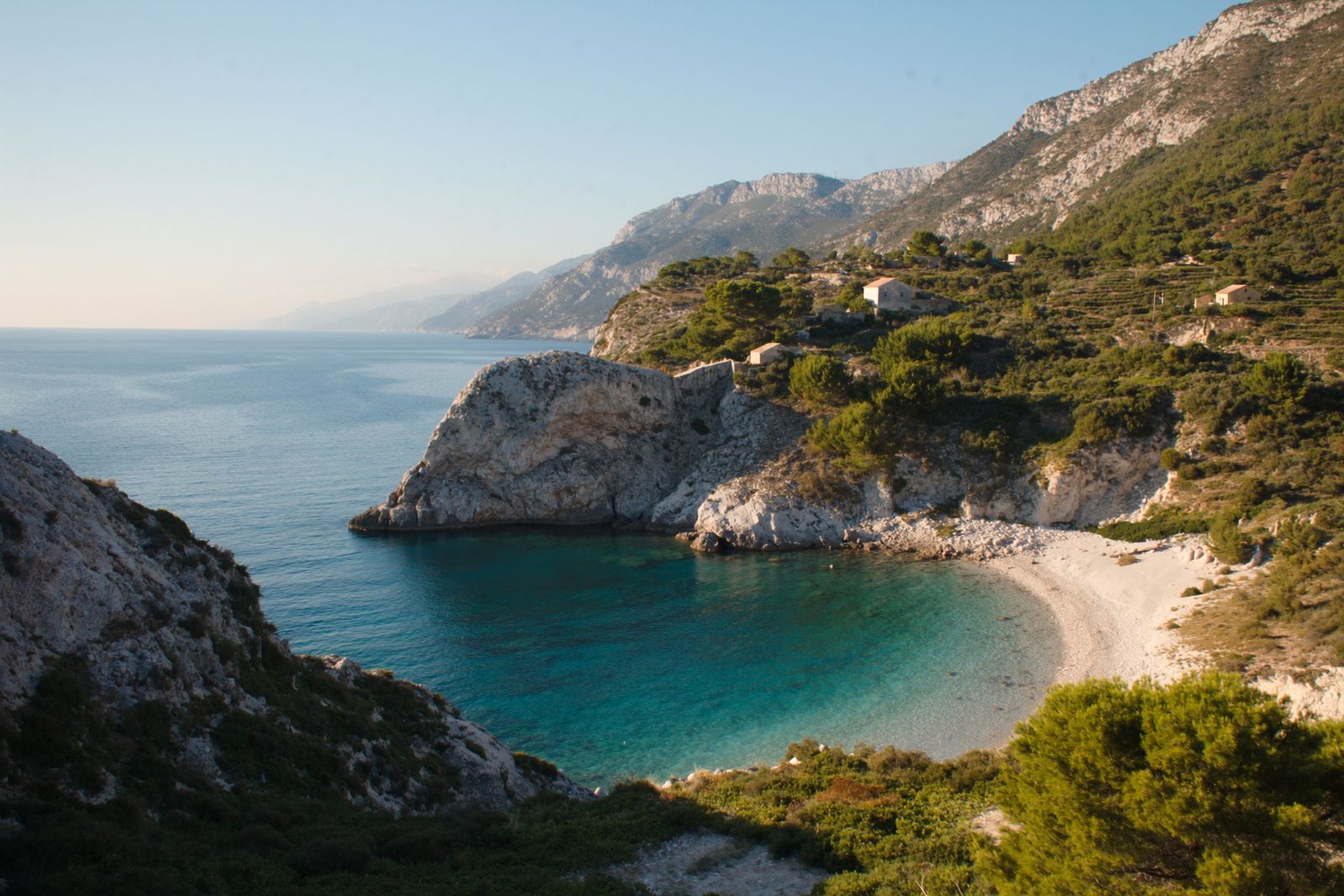
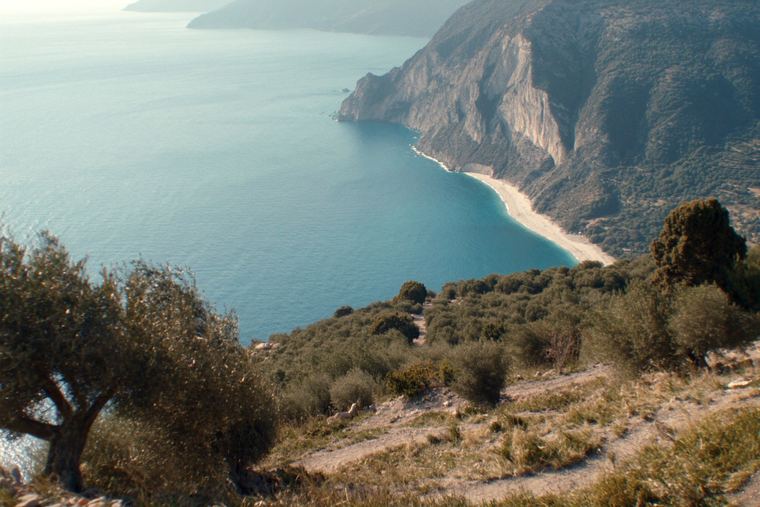
Pebble coves on the Ionian, long sand on the Adriatic.
Coast and beaches
Pebble coves on the Ionian, long sand on the Adriatic.
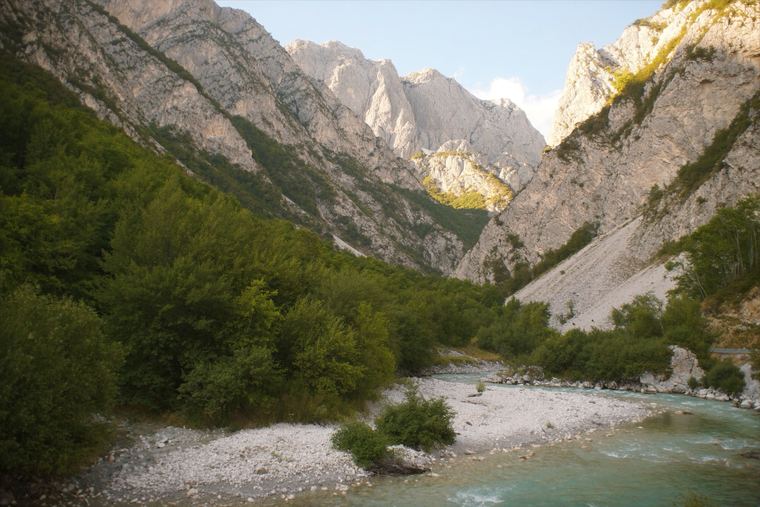 Mountains and nature
The Albanian Alps, river gorges, lakes and national parks.
Mountains and nature
The Albanian Alps, river gorges, lakes and national parks.
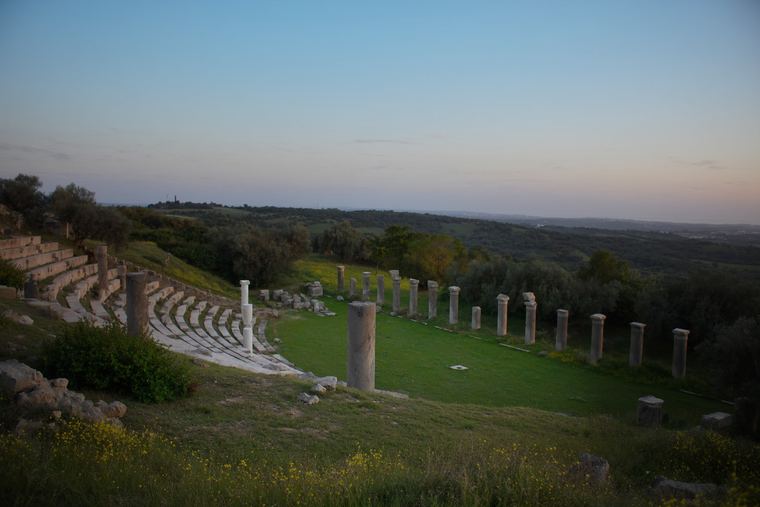 History and archaeology
Illyrian hill forts, Greek and Roman cities, Ottoman towns.
History and archaeology
Illyrian hill forts, Greek and Roman cities, Ottoman towns.
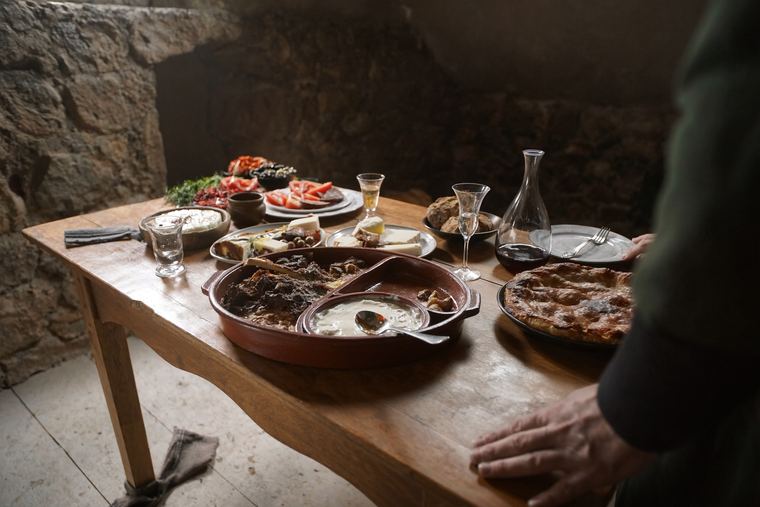 Food and culture
Byrek, tavë kosi, raki and the customs around the table.
Food and culture
Byrek, tavë kosi, raki and the customs around the table.
Albania is divided into twelve counties, each named after its main town. Pick one on the map or from the list.
Boundaries: geoBoundaries gbOpen ALB ADM1 (public domain)
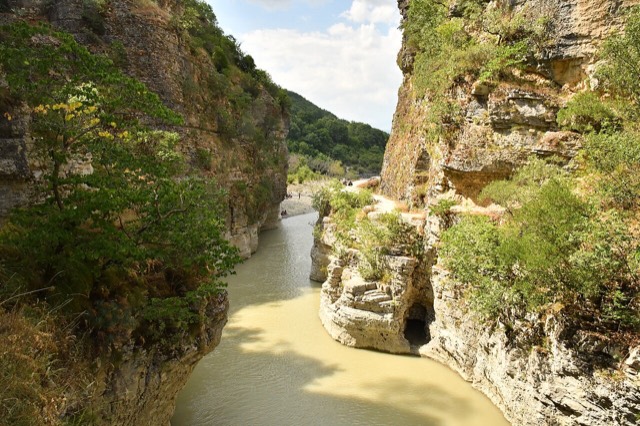 BeratAn inland county of vineyards, the Osum canyon and a UNESCO-listed hill…
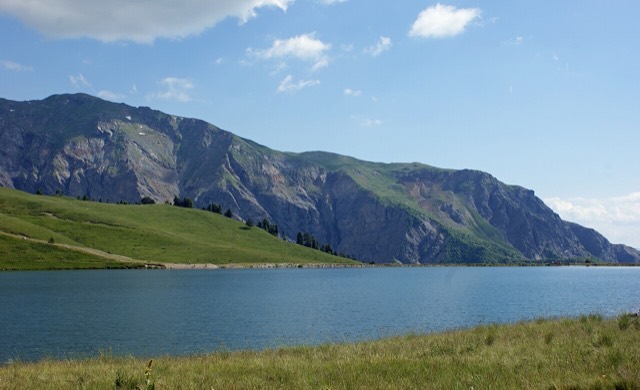 DibërAlbania's mountain interior on the North Macedonian border, containing…
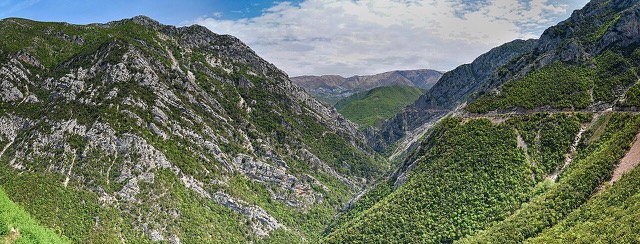 DurrësThe country's smallest county by area and its main gateway: the biggest…
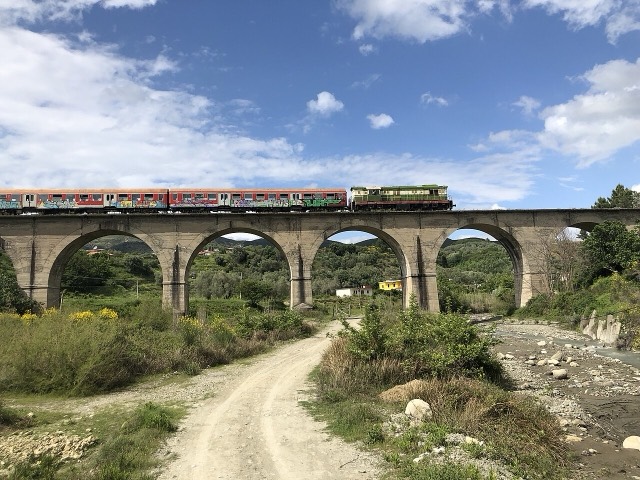 ElbasanA central industrial and agricultural county on the Shkumbin river…
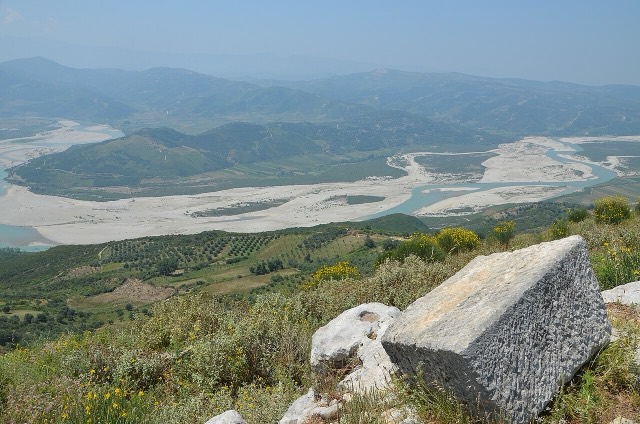 FierThe agricultural and oil-producing plain of the south-west, with the…
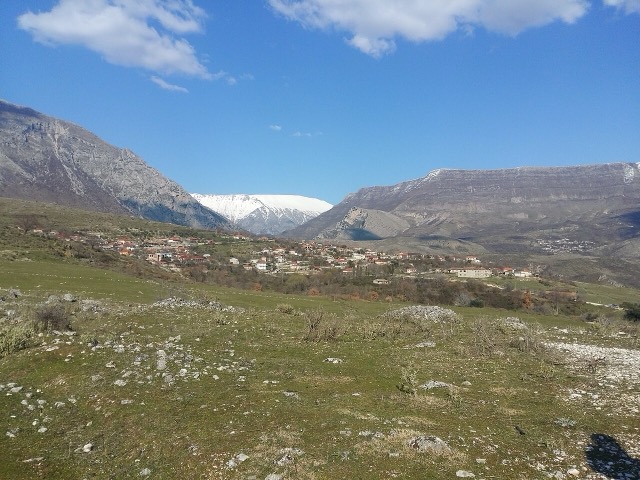 GjirokastërThe southern mountain county of the Drino and Vjosa valleys, with a…
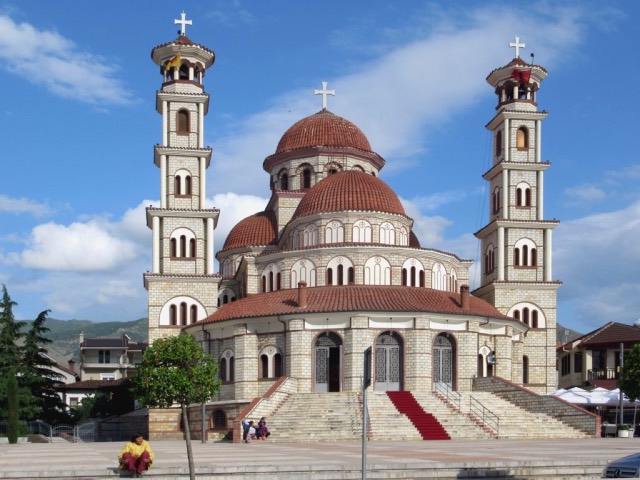 KorçëA high south-eastern plateau of lakes and orchards, with a distinct café…
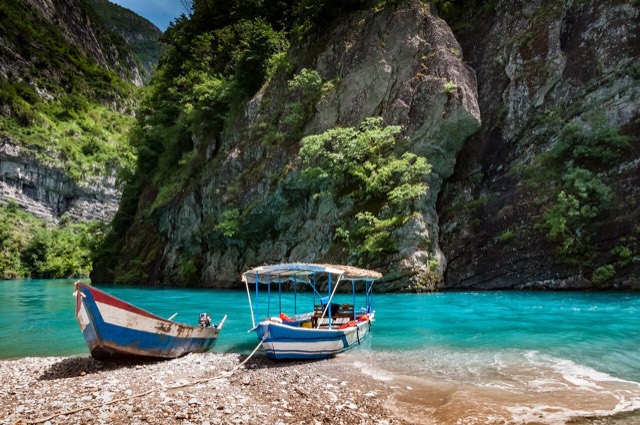 KukësThe north-eastern highlands on the Kosovo border, the gateway to the…
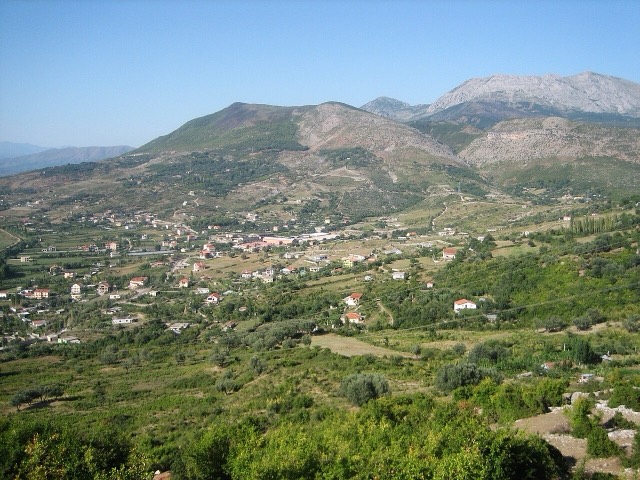 LezhëA short northern coast of lagoons and pine, backed by the copper country…
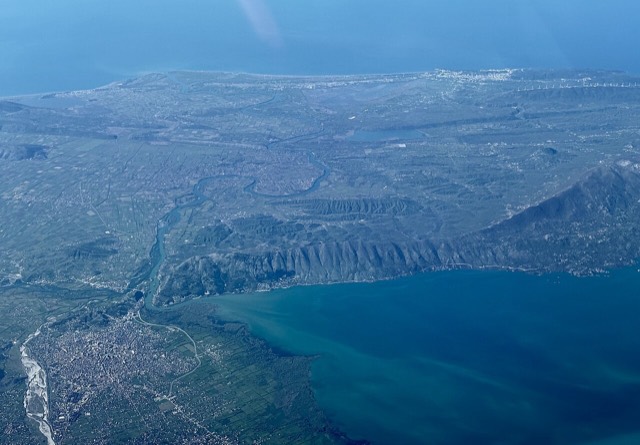 ShkodërThe north-west: the largest lake in southern Europe, the Albanian Alps…
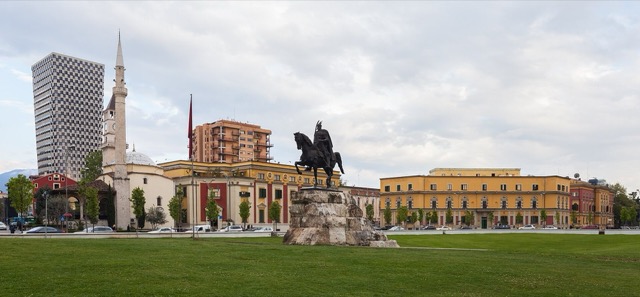 TiranëThe capital county: roughly a third of the country's people, its jobs and…
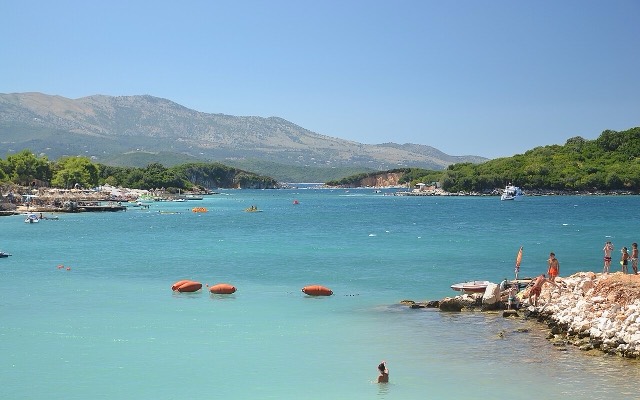 VlorëThe long southern coast: the Albanian Riviera, the Karaburun peninsula…
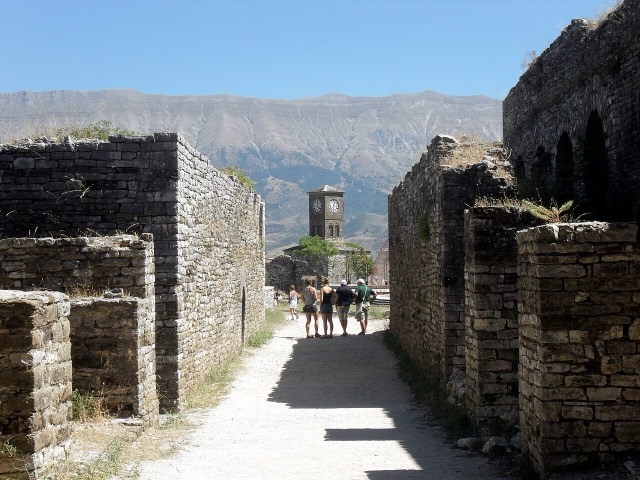
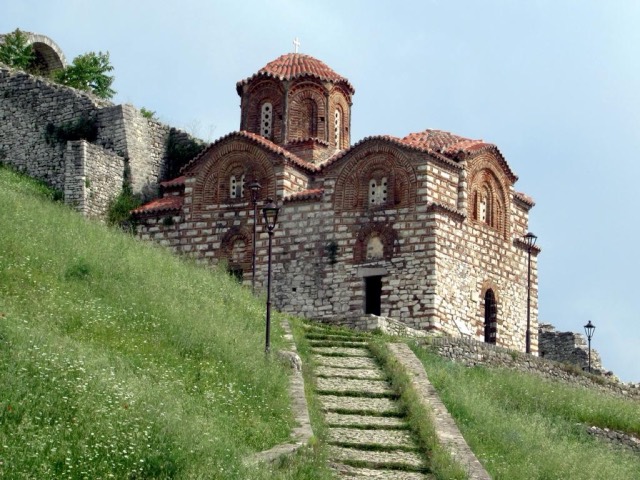
City · Berati
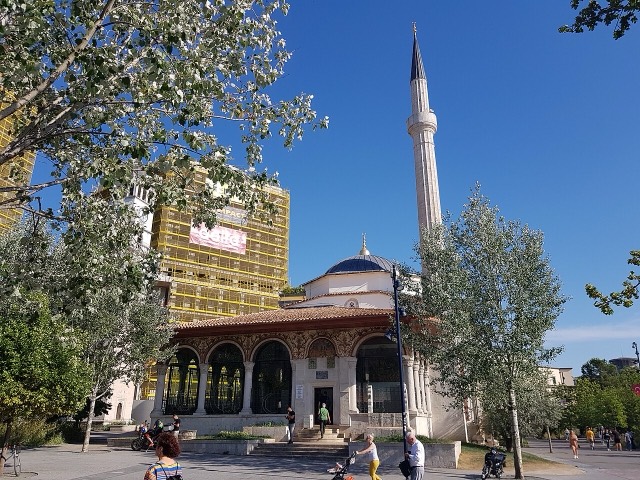
The 'city of a thousand windows': an Ottoman hill town under a still-inhabited castle, UNESCO-listed since 2008.
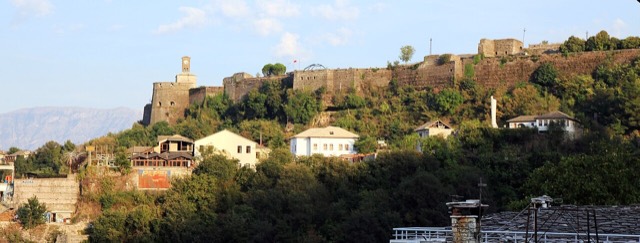
City · Gjirokastër
The 'stone city': slate-roofed tower houses on a steep slope beneath one of the Balkans' largest castles.
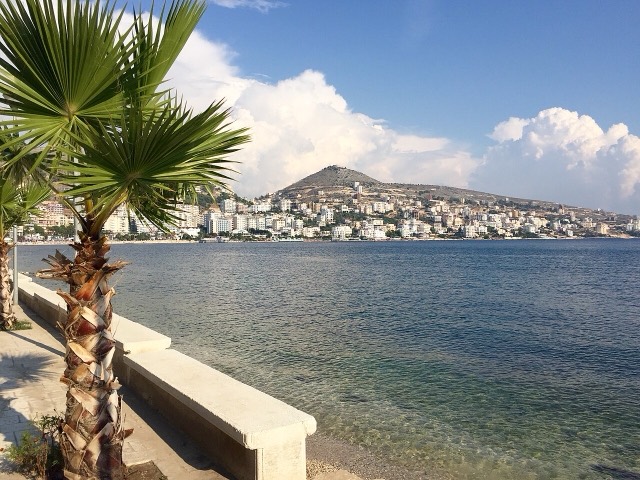
City · Vlorë
The Ionian resort town facing Corfu, and the arrival point for most visitors to southern Albania.
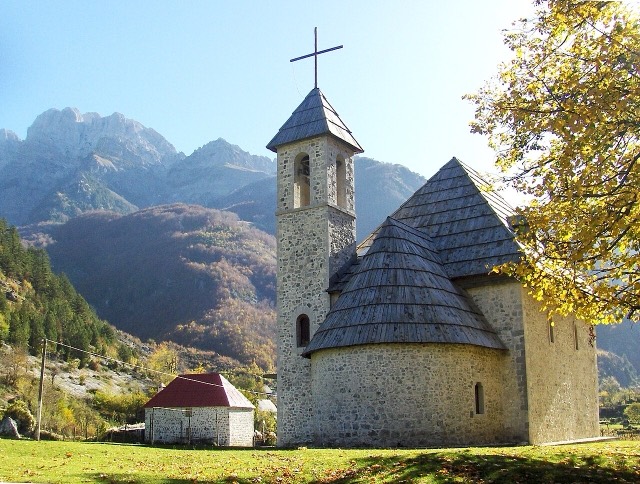
Village · Shkodër
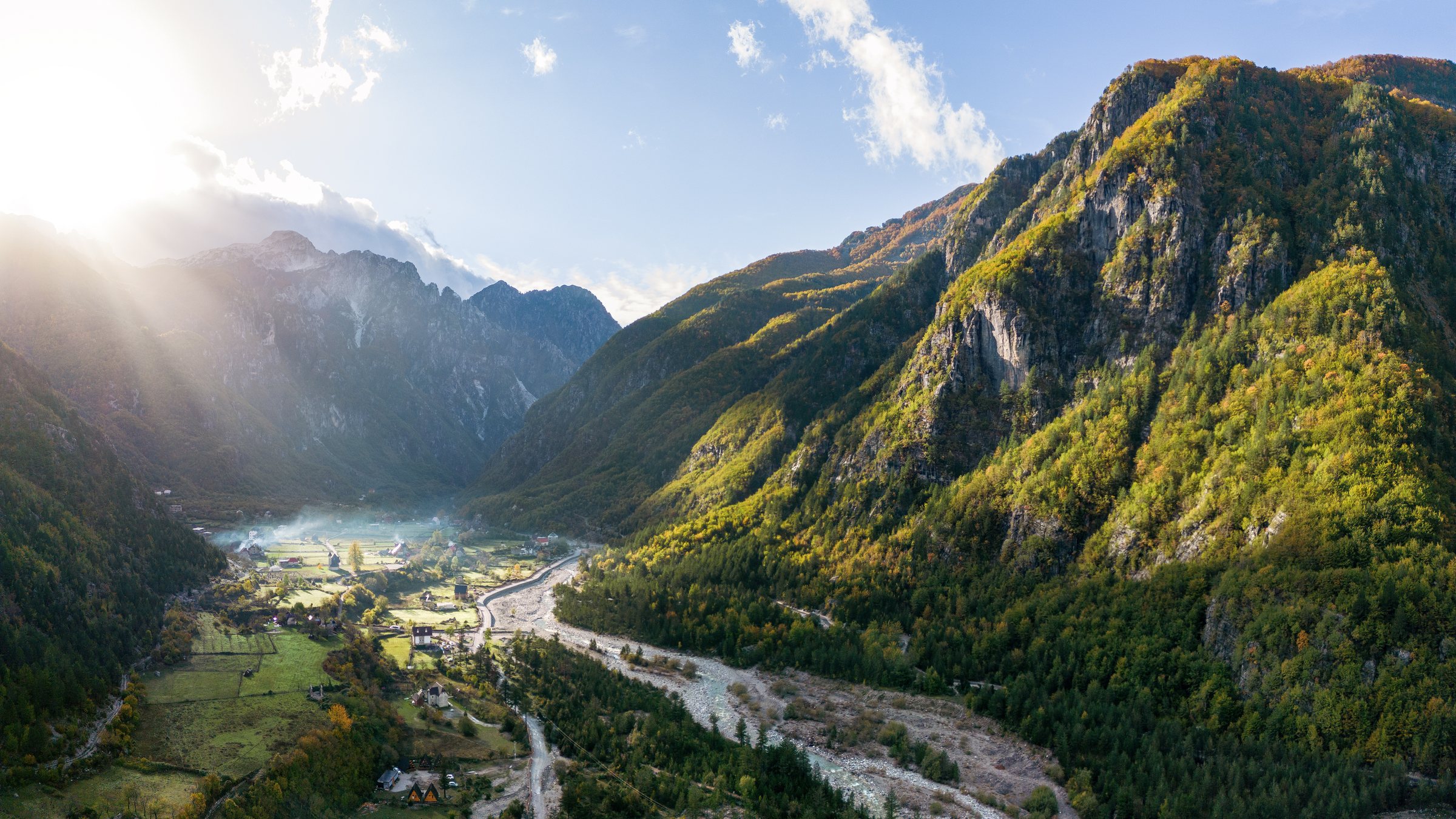
A glacial valley village in the Albanian Alps: a lock-in tower, a waterfall, and one end of the country's best-known trek.
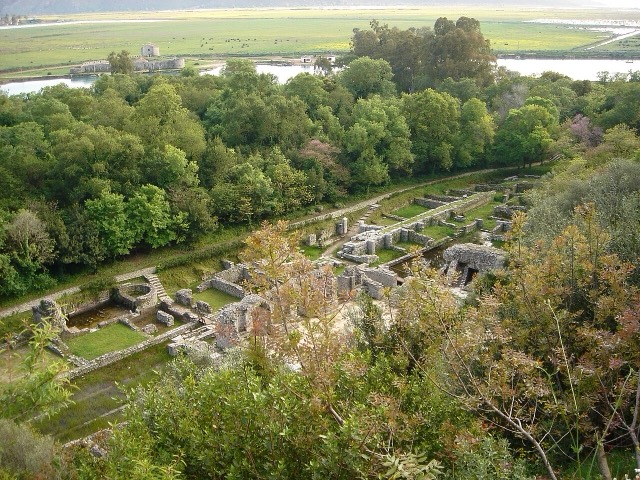
Historic site · Vlorë
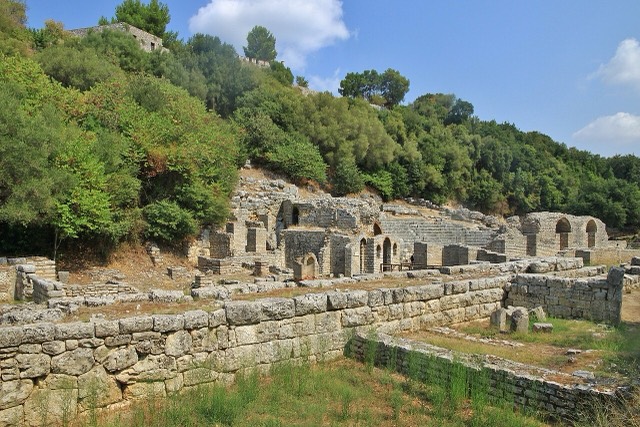
A Greek, Roman, Byzantine, Venetian and Ottoman city layered on one wooded peninsula — Albania's first UNESCO site.
Town · Vlorë
Four small islands and very clear shallow water; the most photographed and most crowded stretch of the Albanian coast.
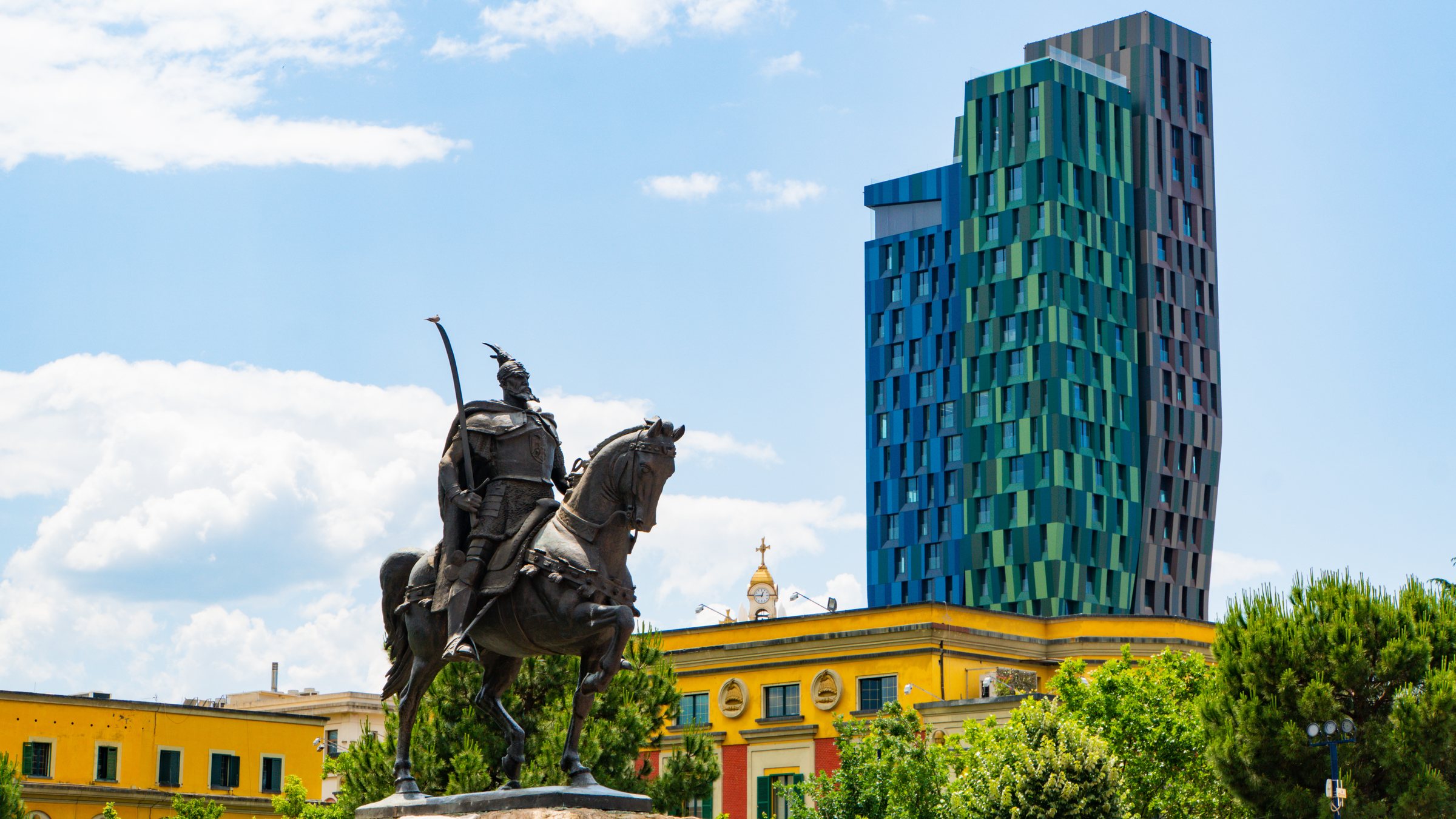
City · Tiranë
The capital: a fast-changing city of painted blocks, Ottoman survivals and new towers, under Mount Dajti.
City · Shkodër
The cultural capital of the north: a lake, a fortress, a bicycle city and a Catholic heartland.
Town · Vlorë
The centre of the Riviera coast: a Greek-speaking historical community, an old hill village and a string of coves.
Guide
What to know before you book: how you get in, how you move around, what things cost, and what the country is not.
Guide
June and September give you the coast without the July–August crush; May and October are the best value; the mountains have a…
Guide
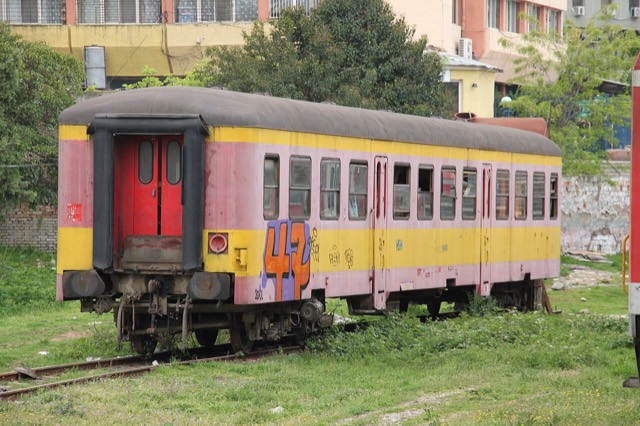
Furgons, intercity buses, a near-dormant railway, and why most visitors end up hiring a car.
Guide
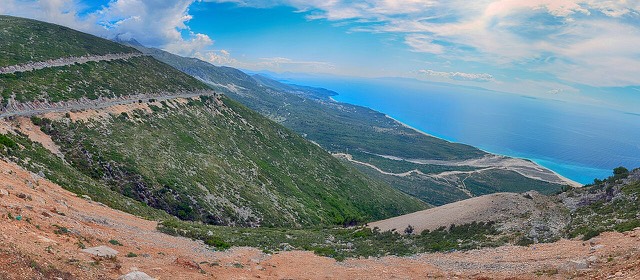
One road, roughly 120 km, and about twenty places to stop. What each of them is actually like.
The country turns green and the archaeological sites are quiet. Wildflowers cover the mountain passes, the northern rivers run full, and by May the coast opens at the best prices of the year.
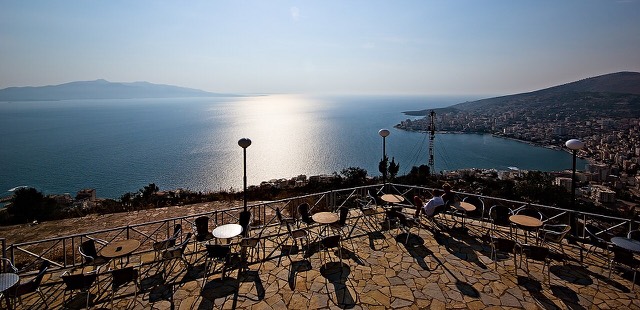
Sarandë, on the Ionian coast
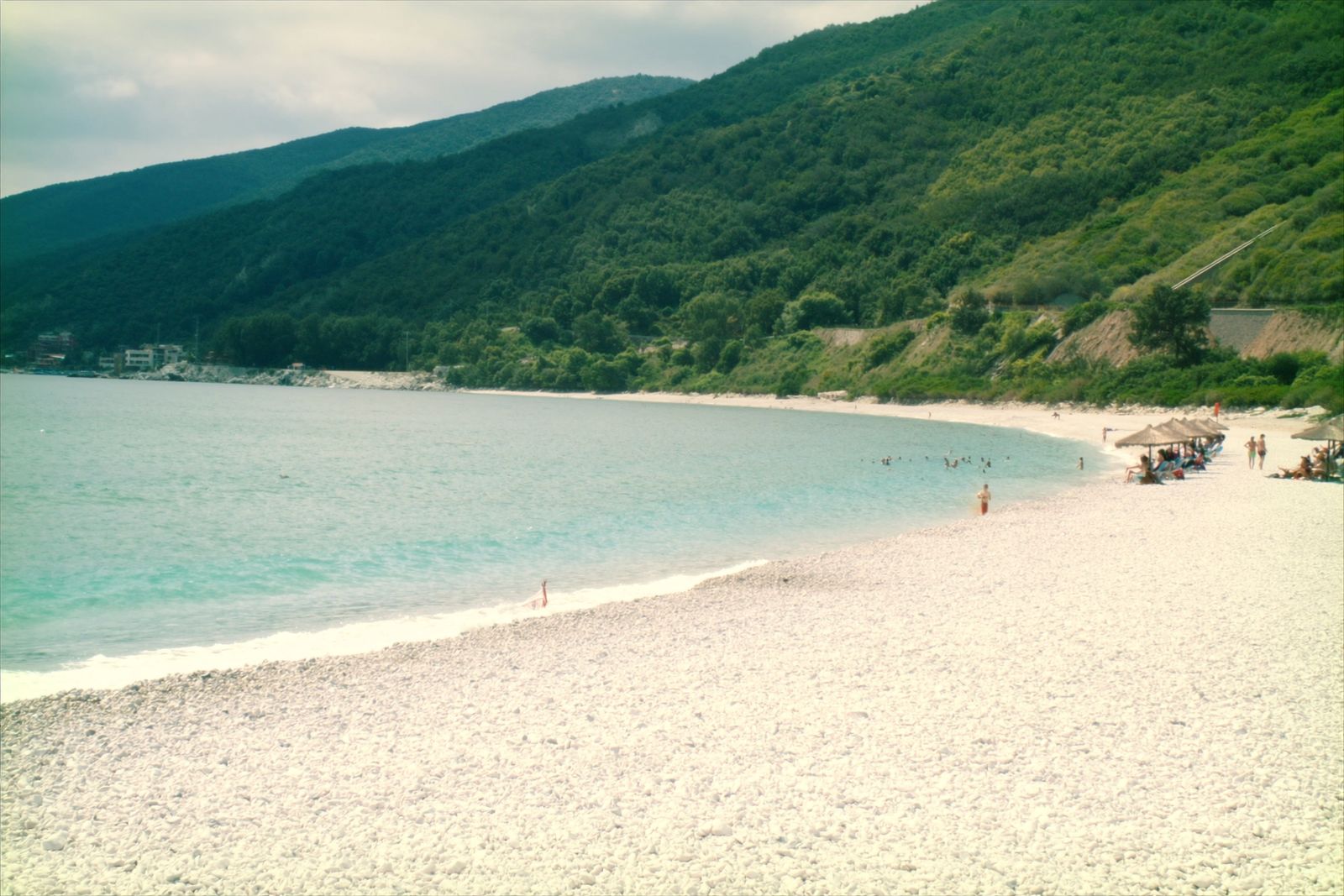
Read the when-to-visit guide →Hot, bright and busy. The Ionian is at its warmest and the Riviera at its liveliest. June comes before the July and August crush, so book ahead and start your days early.
Sarandë, on the Ionian coast
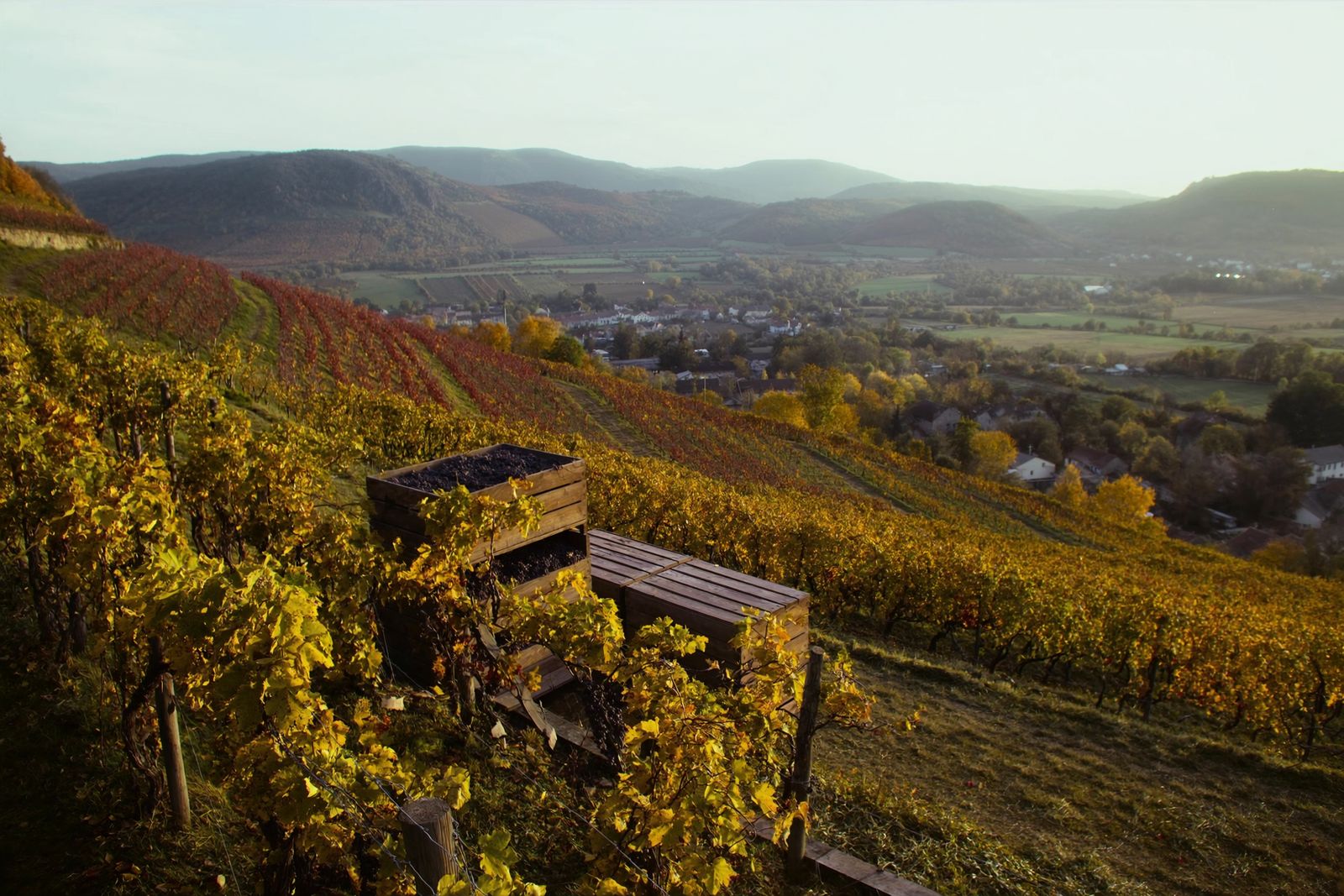
Read the when-to-visit guide →The sea keeps its summer warmth long after the crowds leave. September gives you the coast without the crush, October is the best value, and the grape harvest runs inland.
Sarandë, on the Ionian coast
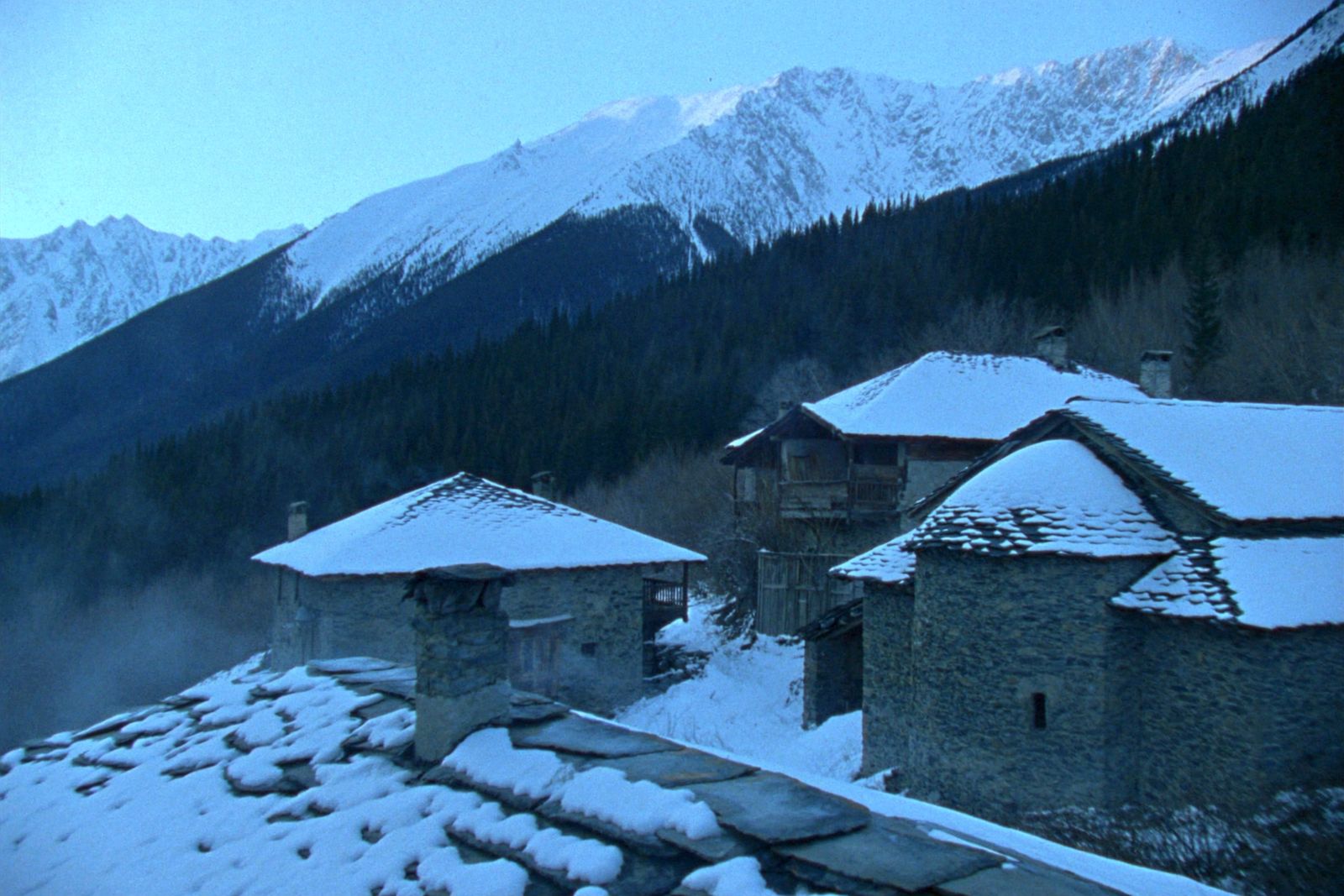
Read the when-to-visit guide →Mild and wet on the coast, properly snowy in the mountains. A season for Tirana's cafés and museums without queues, and for the Alps under snow.
Sarandë, on the Ionian coast
Read the when-to-visit guide →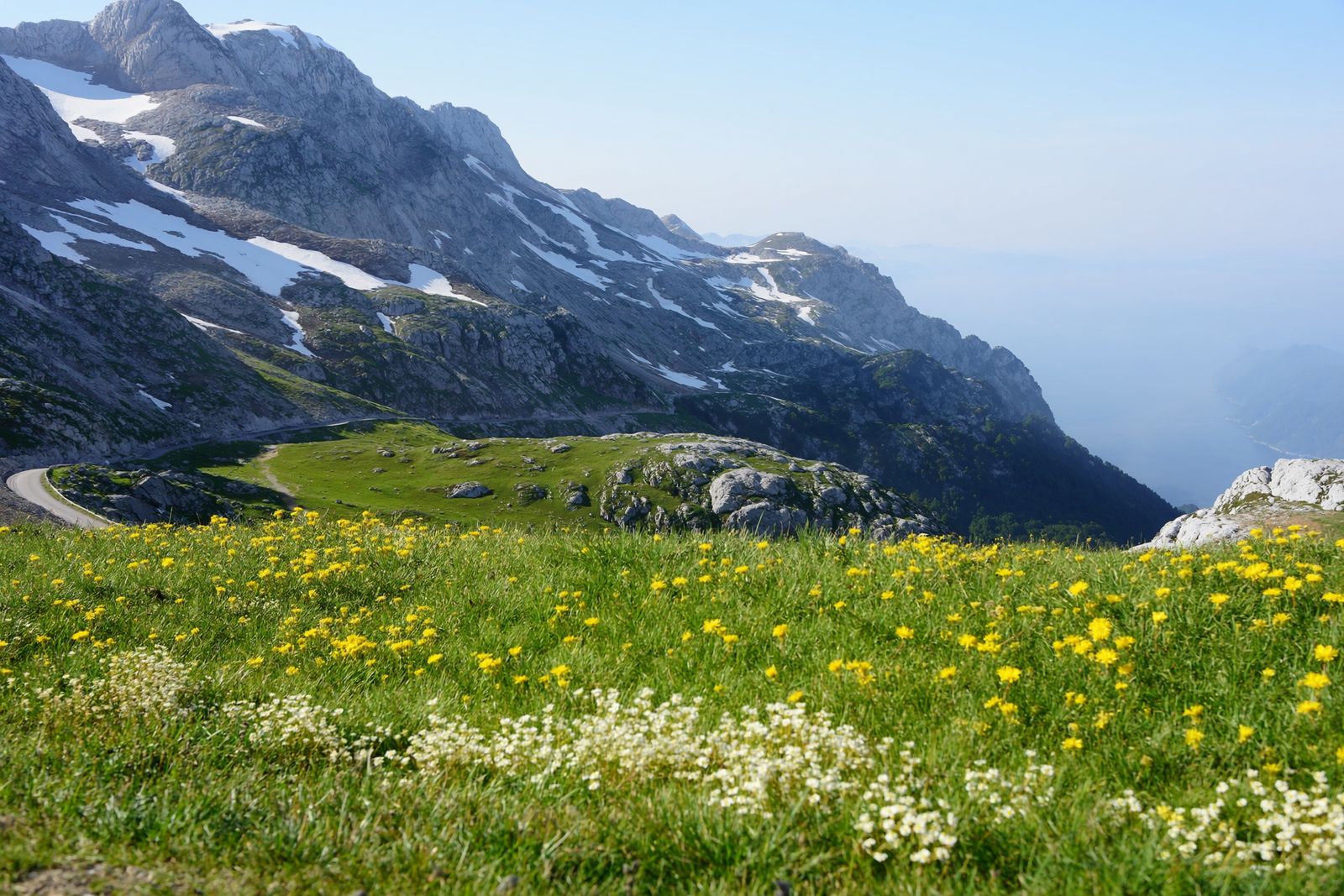
What the move actually involves: entry, residence, registration, banking, housing and the things people underestimate.
Among the lowest cost bases in Europe — with Tirana and the summer coast as the two big exceptions.
Why retirees look at Albania, what the practical constraints are, and the questions to answer before deciding.
A public system funded through compulsory insurance, a growing private sector concentrated in Tirana, and the reality that complex care is often…
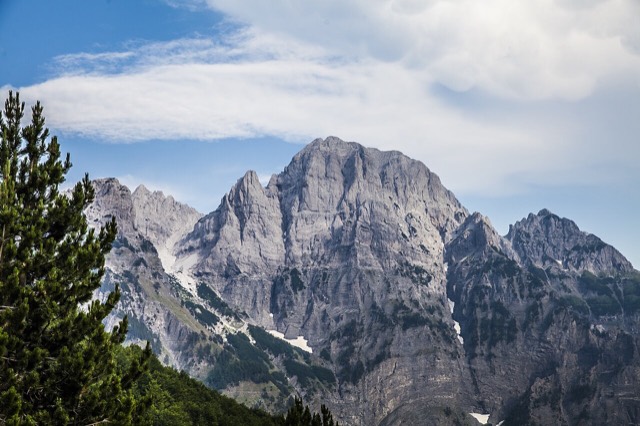
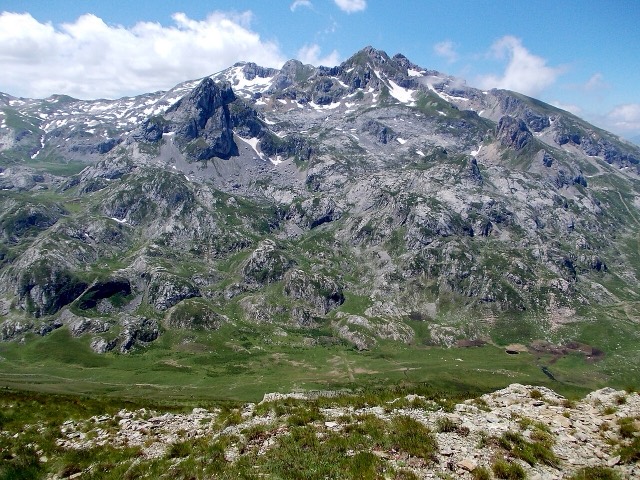
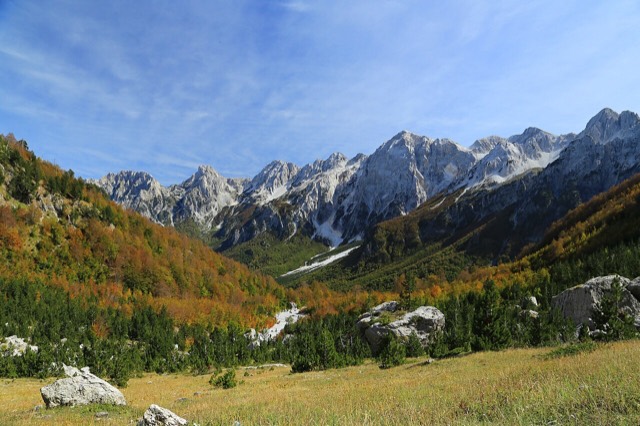
The limestone wall of the far north — locally the Accursed Mountains — shared with Montenegro and Kosovo.
At 2,764 m the highest point in both Albania and North Macedonia, on the border ridge.
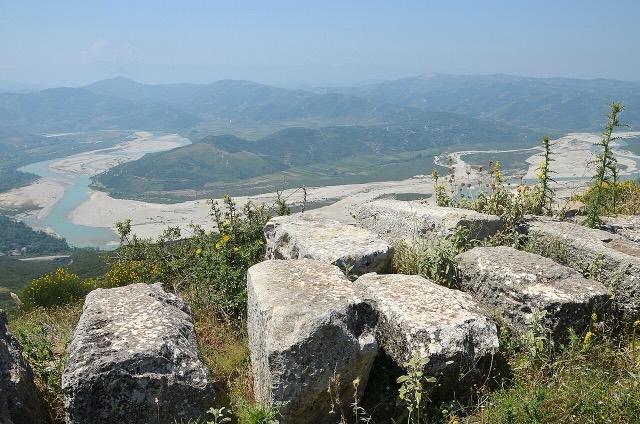
One of the last large free-flowing rivers in Europe, declared a Wild River National Park in March 2023.
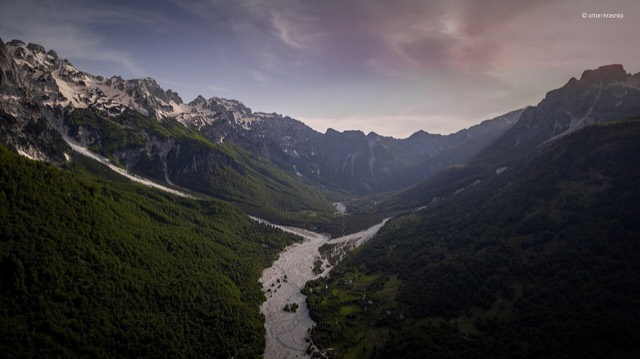
A broad U-shaped glacial valley of white gravel and beech forest under the Alps' highest peaks.
Historic site · Vlorë
A Greek, Roman, Byzantine, Venetian and Ottoman city layered on one wooded peninsula — Albania's first UNESCO site.
Historic site · Berat
A fortress people still live inside, holding some twenty churches and the Onufri icon museum.
Historic site · Gjirokastër
One of the largest castles in the Balkans, holding an artillery gallery and a captured US aircraft.
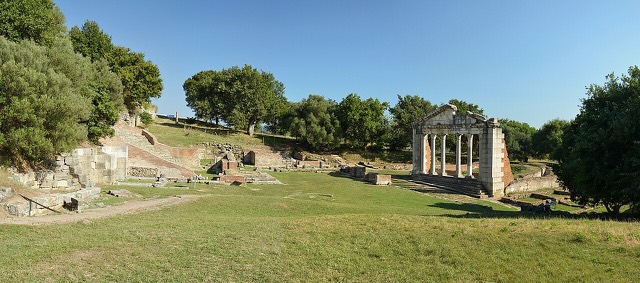
Historic site · Fier
A Corinthian colony that became a Roman university town — Octavian was studying here when Caesar was killed.
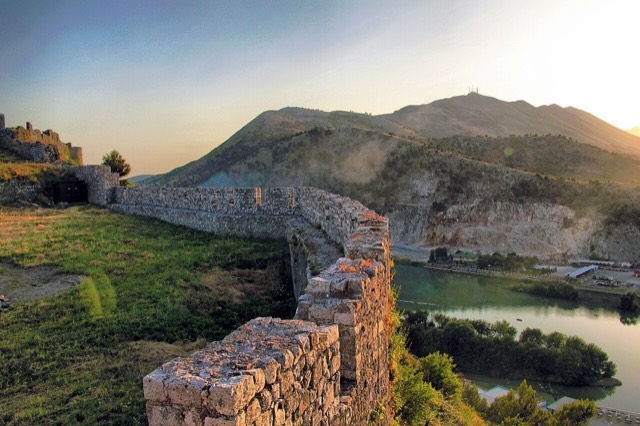
Historic site · Shkodër
The rock fortress above the meeting of three rivers, and the setting of Albania's best-known legend.
Historic site · Durrës
Skanderbeg's base, which held out against three Ottoman sieges and now houses the national museum of the resistance.
Food
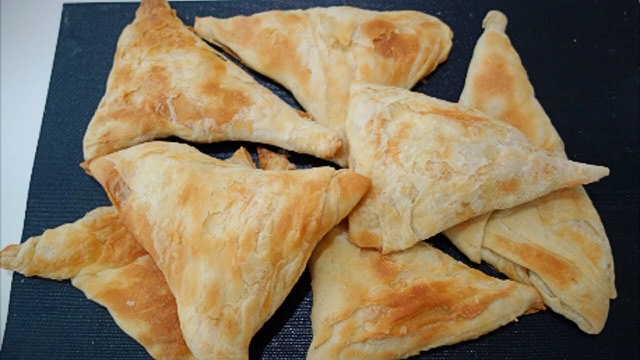
The everyday Albanian pie: hand-stretched pastry layered with cheese, spinach, leek, meat or tomato.
Food
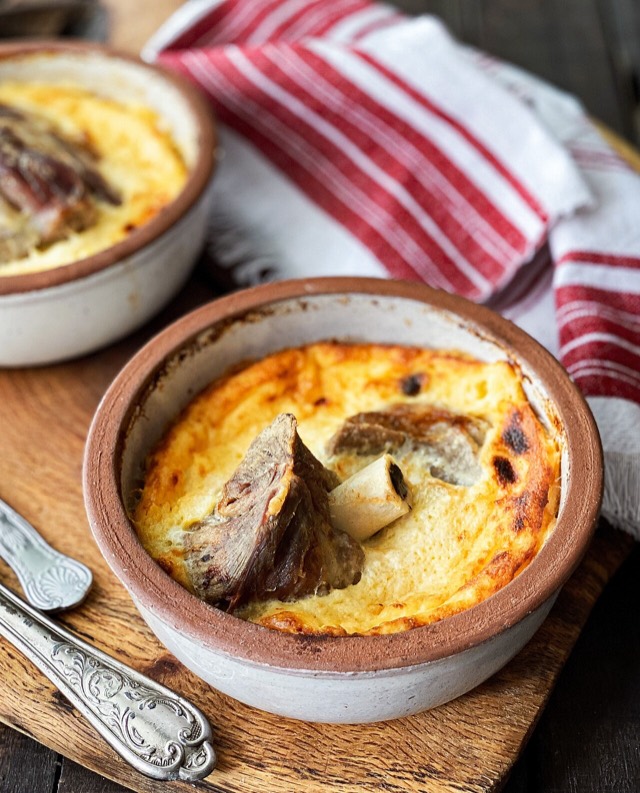
Lamb baked under a set custard of yoghurt, egg and a little flour — the dish most often named as Albania's national one.
Food
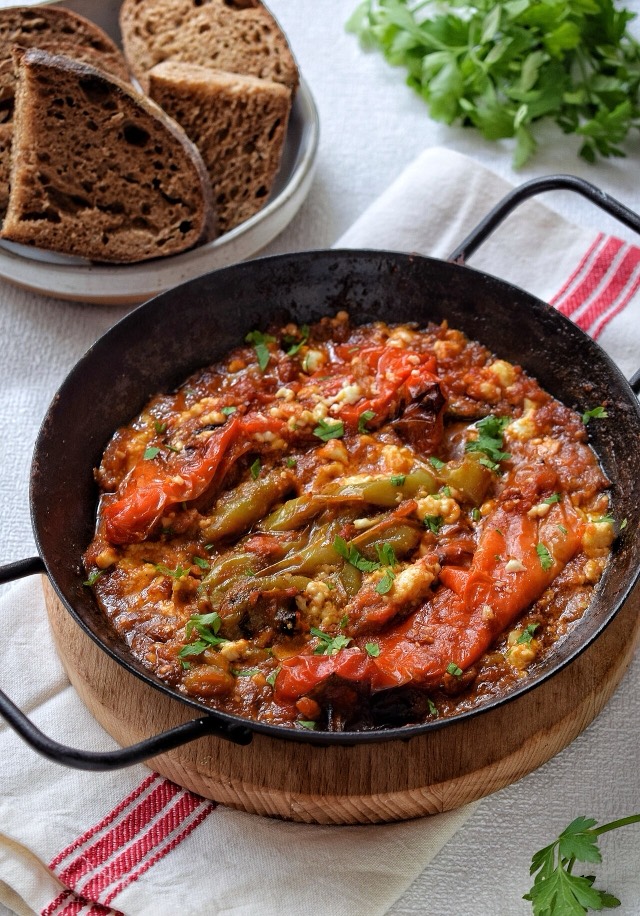
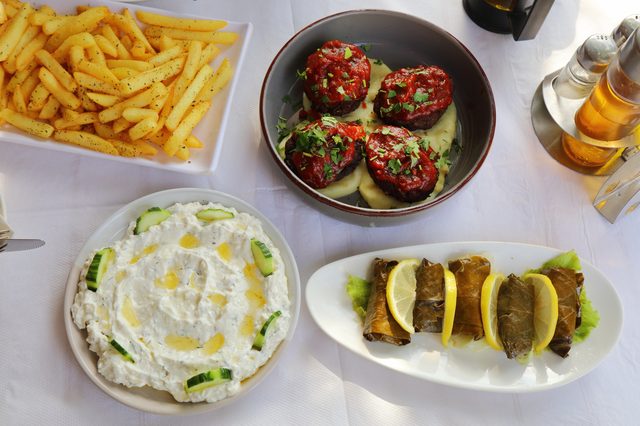
Peppers and tomato cooked down with white cheese, sometimes with liver — a Tirana staple.
Food
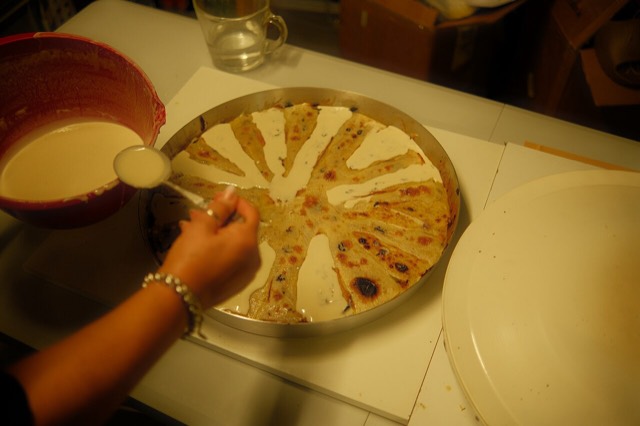
Concentric crepe layers built up one at a time under a hot metal lid — a northern highland dish that takes hours.
Drink
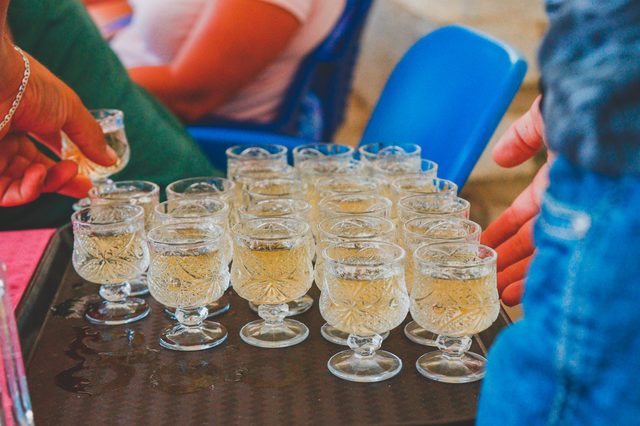
Home-distilled grape or plum spirit, offered to guests and made in most rural households.
The latest published value of each series, with its year and producer. Click through for the full history.
Industry
The fastest-growing part of the economy, concentrated on the southern coast and in a short summer season.
Industry
Electricity almost entirely from hydropower — which makes supply depend on rainfall.
Industry
A large share of employment on very small holdings — the legacy of the 1991 land redistribution.
Everything you need to hold the country in your head: where it is, who lives there, what happened, and what it runs on.
Twelve counties, sixty-one municipalities, and the 2014 reform that abolished nearly four hundred communes.
Why the same town appears as Vlorë and Vlora, and what the endings tell you.
Four inscriptions: Butrint, the historic centres of Berat and Gjirokastra, the Ohrid region, and the primeval beech forests.
The clearest water in Albania against the most liveable town on the Riviera.
Two coastal cities 120 km apart that solve different problems: Sarandë is the base for the far south, Vlorë is a working city with a beach.
The highland city and the lake town, 40 km apart in Albania's south-east.
Mountains and a short season against coast, archaeology and a long one.
Ask a question in plain English and get an answer built only from this site's own sourced pages, with links to what it used.
Every subject connects to the subjects around it. A beach links to its nearest town, that town to its county, the county to its economy, and the economy to the port that carries its exports. You can arrive anywhere and follow the thread.
About the Atlas Methodology How the photographs are licensed