历史遗址
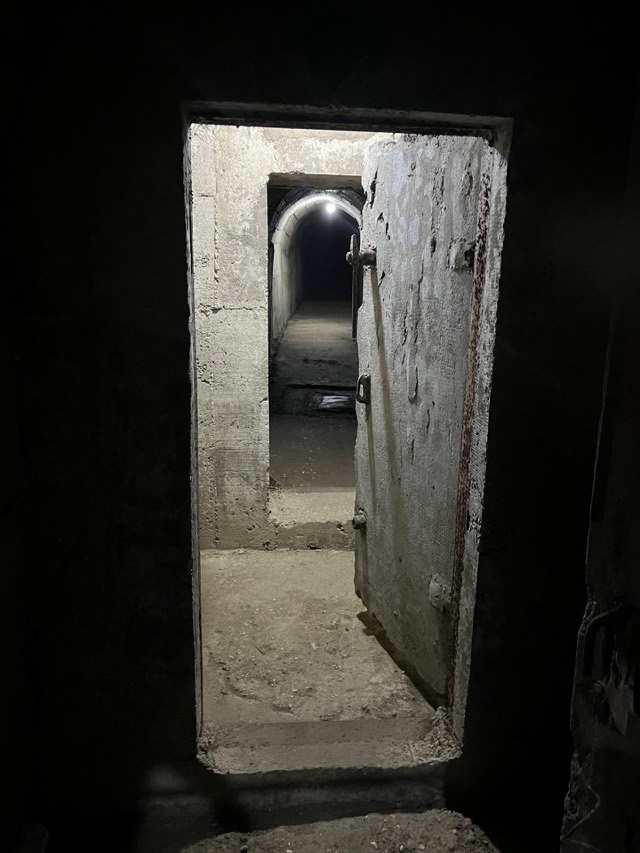
Albania's Bunkers
Roughly 170,000 concrete pillboxes built under Enver Hoxha — the most visible physical legacy of the communist state.
🧭 引导视图
初次了解阿尔巴尼亚?每个页面均以通俗易懂的说明开篇——即便是十岁的孩子也能读懂——随后再展开详细内容。
⚡ 专业视图
您已掌握基础知识。直接进入正题,简明解释默认隐藏。此为默认模式。
探索
Atlas收录的所有地点。可按类型、county或主题筛选。
Roughly 170,000 concrete pillboxes built under Enver Hoxha — the most visible physical legacy of the communist state.
An Illyrian hill city whose stadium — cut into the slope — is among the best preserved in the region.
A short-lived Epirote city founded by King Pyrrhus and burned by Rome in 167 BC.
A Corinthian colony that became a Roman university town — Octavian was studying here when Caesar was killed.
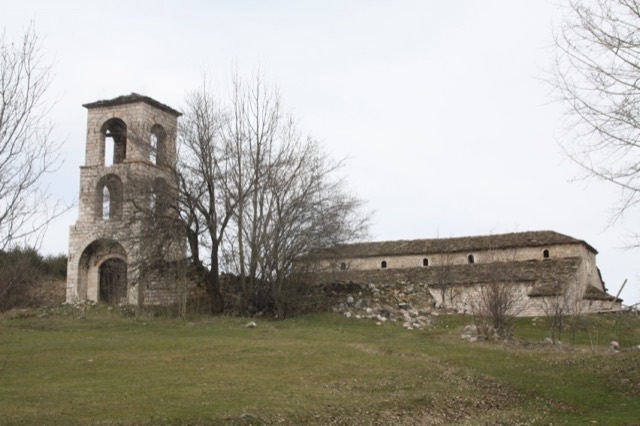
A hilltop monastery on the Myzeqe plain where, by tradition, Skanderbeg was married in 1451.
A fortress people still live inside, holding some twenty churches and the Onufri icon museum.
A five-storey anti-nuclear bunker built for the communist leadership, opened to the public in 2014.
A Greek, Roman, Byzantine, Venetian and Ottoman city layered on one wooded peninsula — Albania's first UNESCO site.
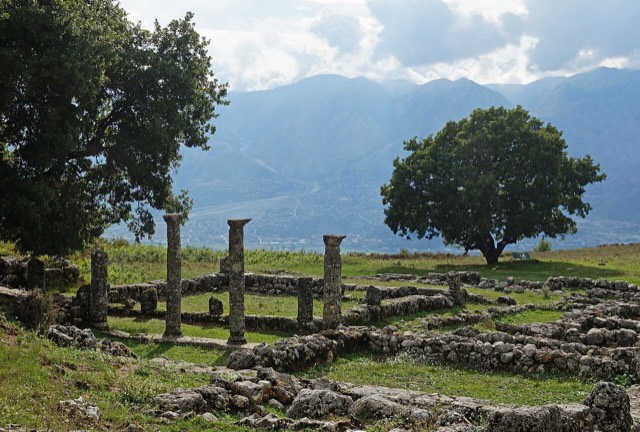
The largest Illyrian city yet excavated, on a plateau above the Vjosa with five early Christian basilicas.
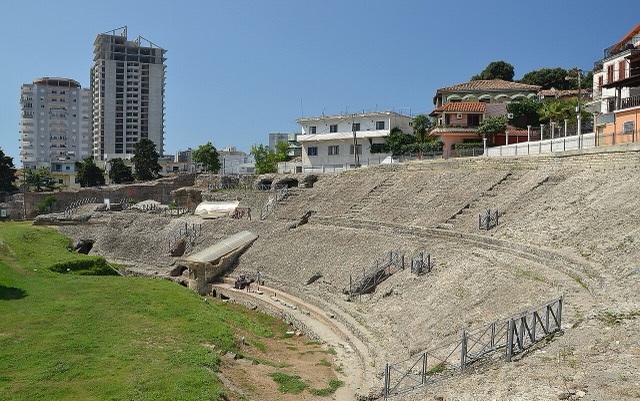
The largest Roman amphitheatre in the Balkans, found by accident in 1966 under the modern city.
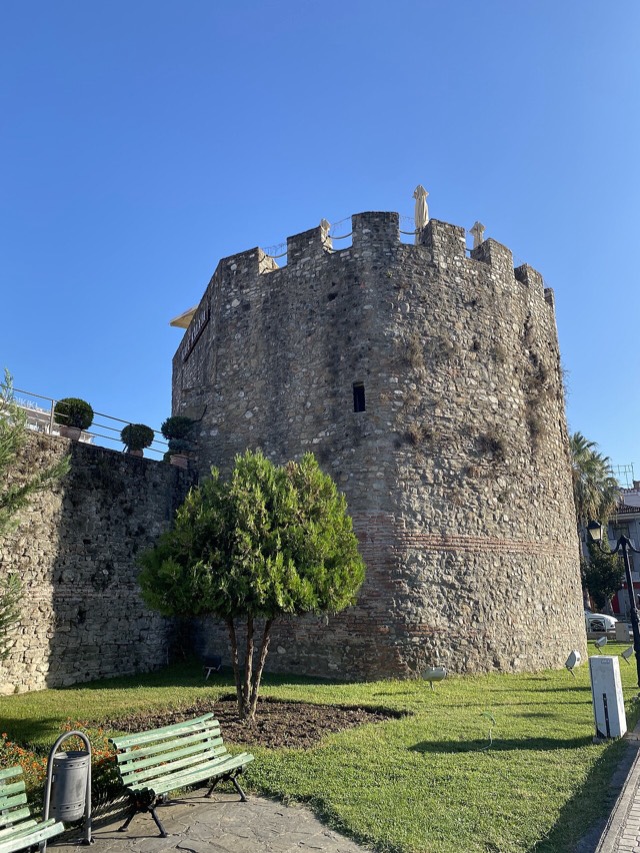
Byzantine sea walls raised under Anastasius I, later strengthened by Venice and the Ottomans.
An Ottoman fortress built on a Roman site, with a living town inside its walls.
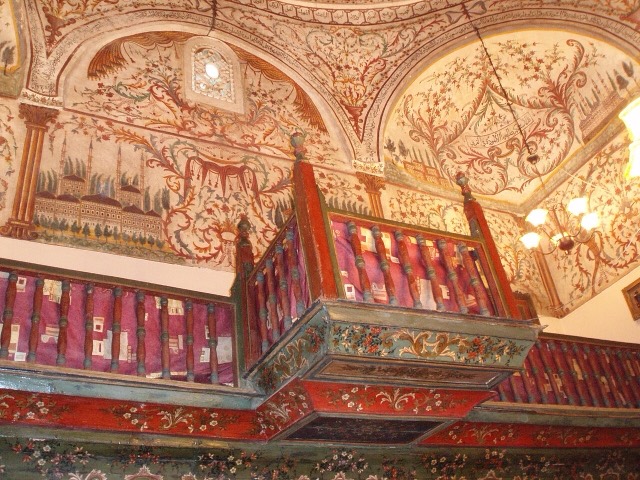
The small mosque on Skanderbeg Square whose frescoes of trees and waterfalls are unusual in Islamic art.
A rare rectangular lowland fortress built by Venice to guard a river port on the Shkumbin.
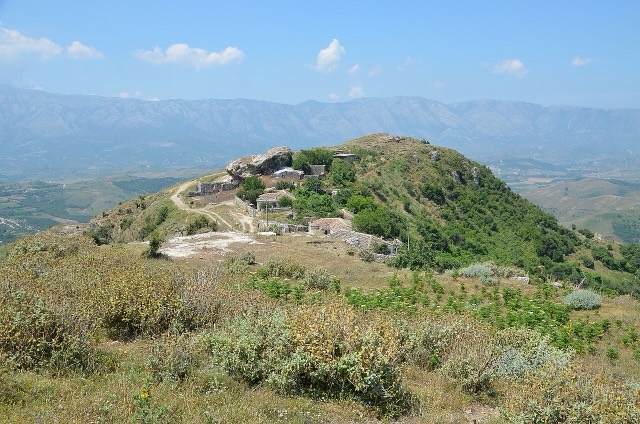
One of the largest castles in the Balkans, holding an artillery gallery and a captured US aircraft.
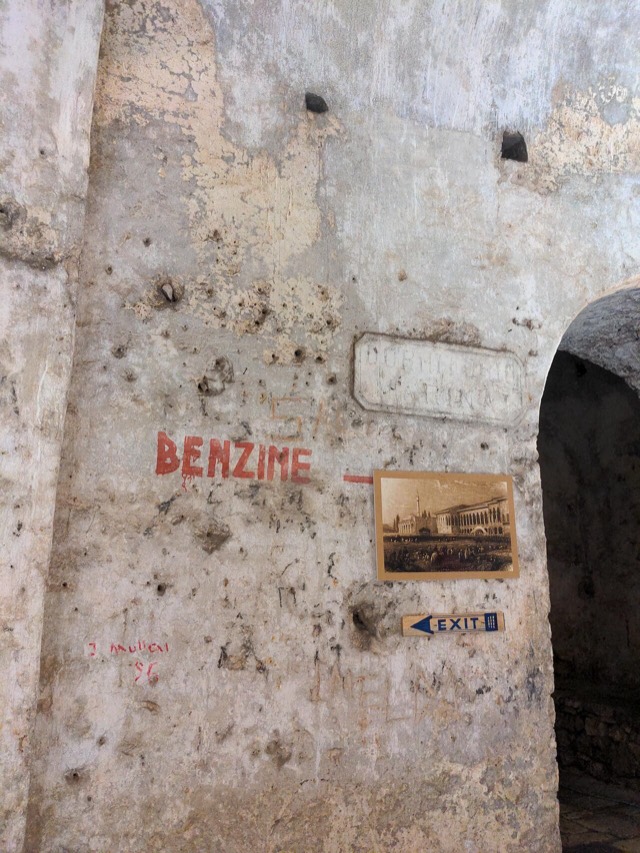
The former headquarters of the Sigurimi's technical surveillance branch, kept as it was found.
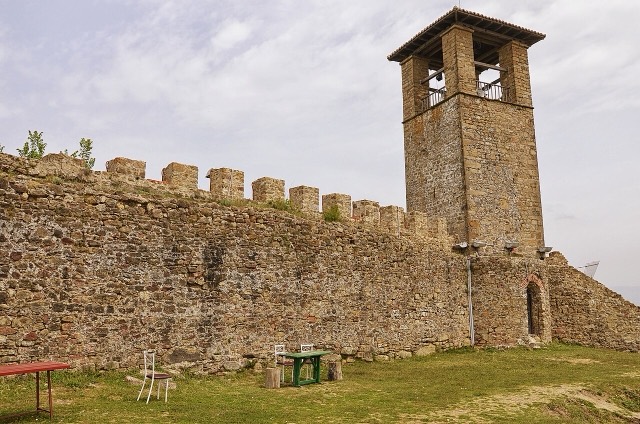
Skanderbeg's base, which held out against three Ottoman sieges and now houses the national museum of the resistance.
Floor mosaics of birds and vines from a hilltop basilica above Lake Ohrid.
The archive of the Balkans' oldest photographic studio — about 500,000 negatives from 1858 onward.
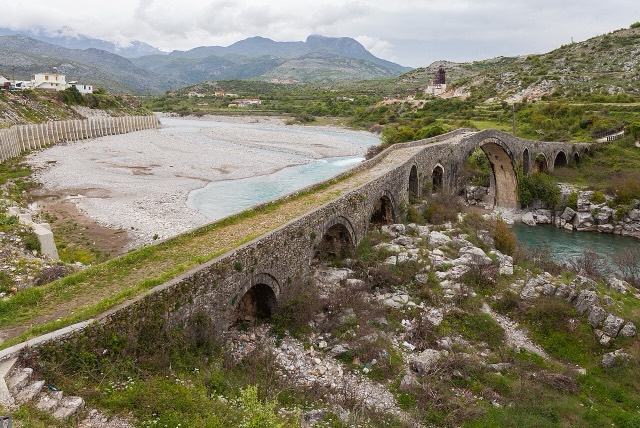
A 108 m, thirteen-arch packhorse bridge over the Kir north-east of Shkodër.
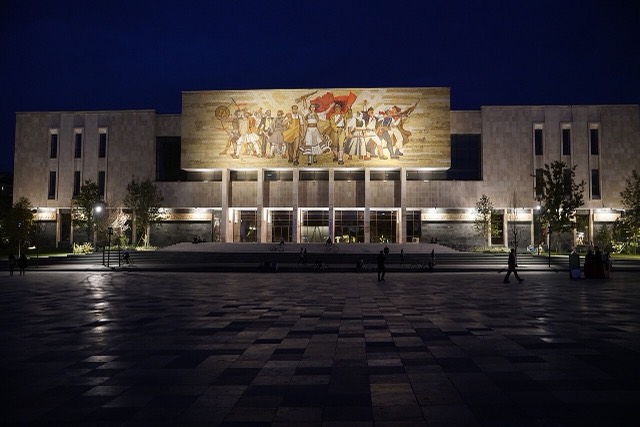
Albania's principal museum, under the Skanderbeg Square mosaic mural known as 'The Albanians'.
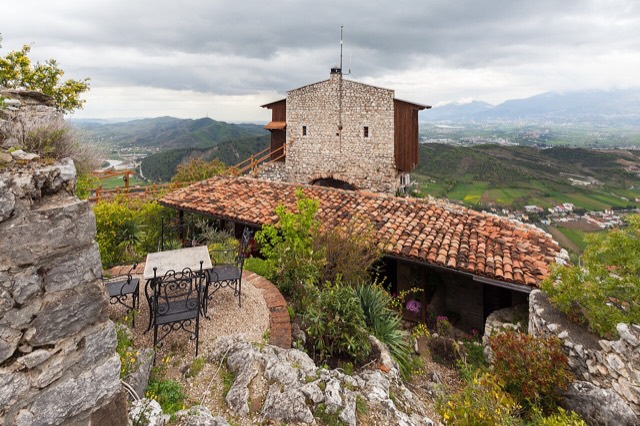
A small triangular castle on a wooded crag above the Erzen, half an hour from Tirana.
A triangular fortress on a causeway peninsula, built for Ali Pasha of Tepelena.
A compact hill castle between Tirana and the airport, with a view over the whole plain.
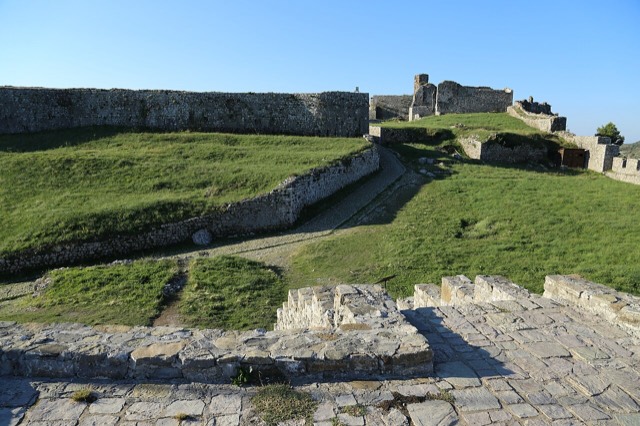
The rock fortress above the meeting of three rivers, and the setting of Albania's best-known legend.
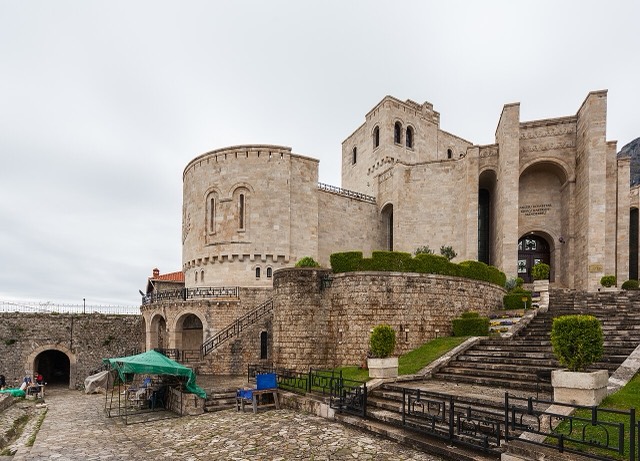
The museum of the 15th-century resistance, built inside Krujë Castle by Enver Hoxha's daughter and son-in-law.
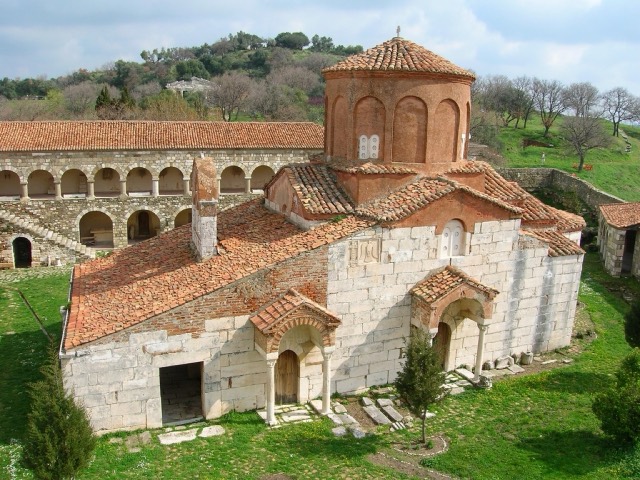
Six surviving basilicas of a town that once rivalled any city in the Balkans, covered inside with frescoes.
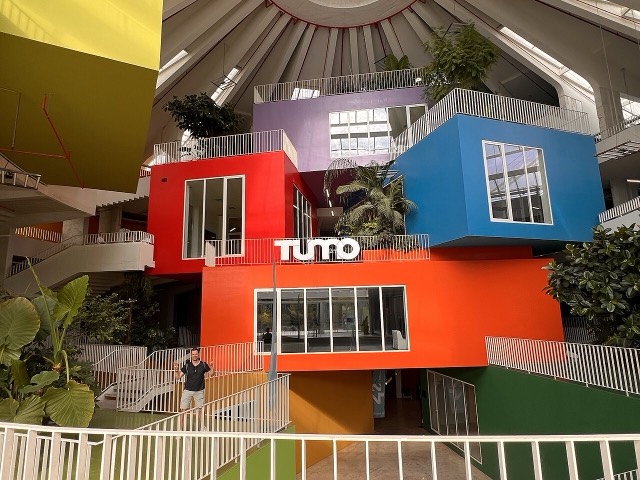
Built as Enver Hoxha's mausoleum-museum, later a nightclub and NATO base, reopened in 2023 as a youth technology…