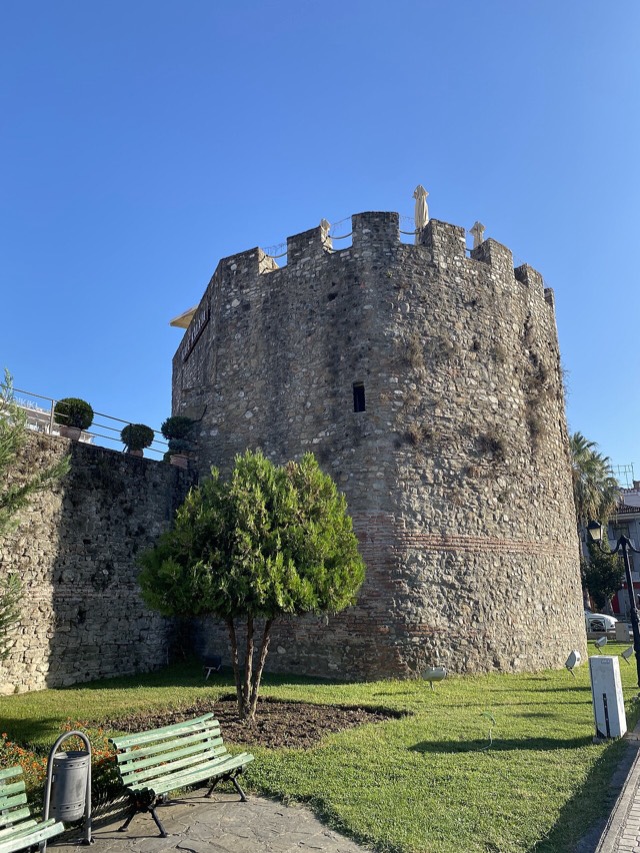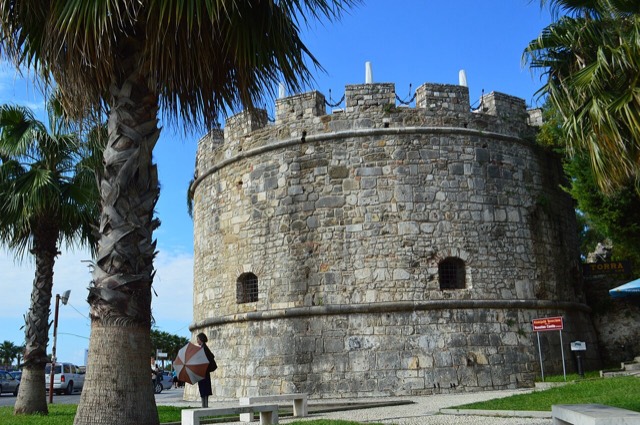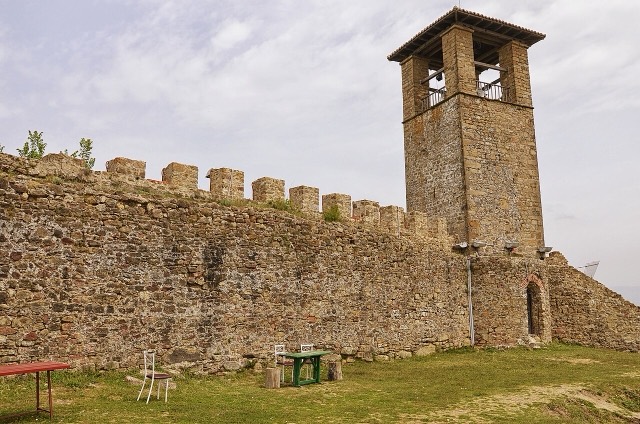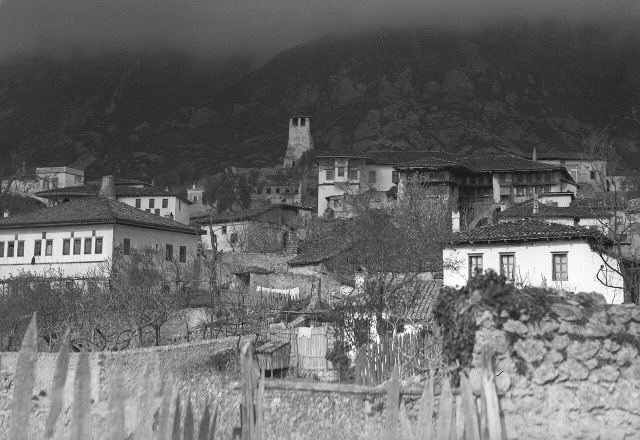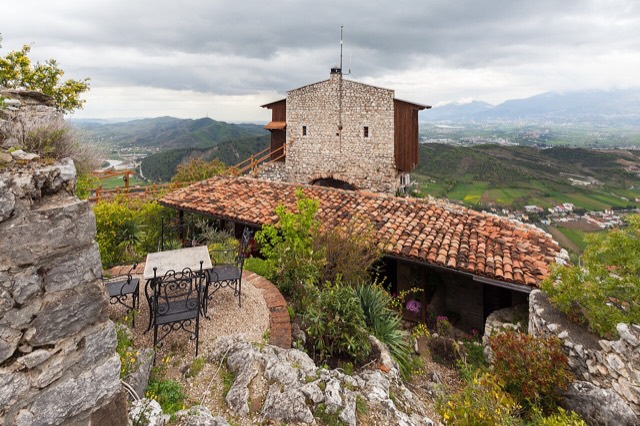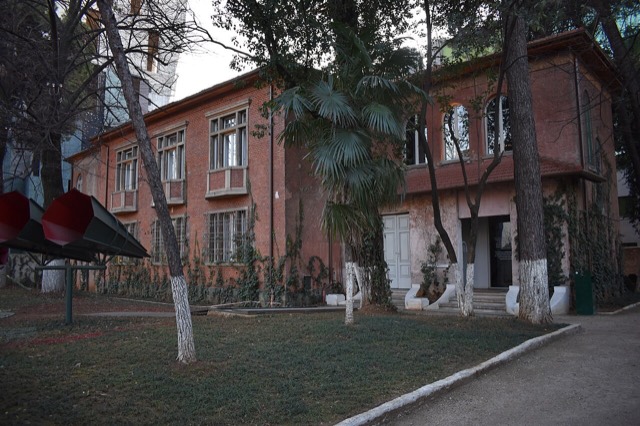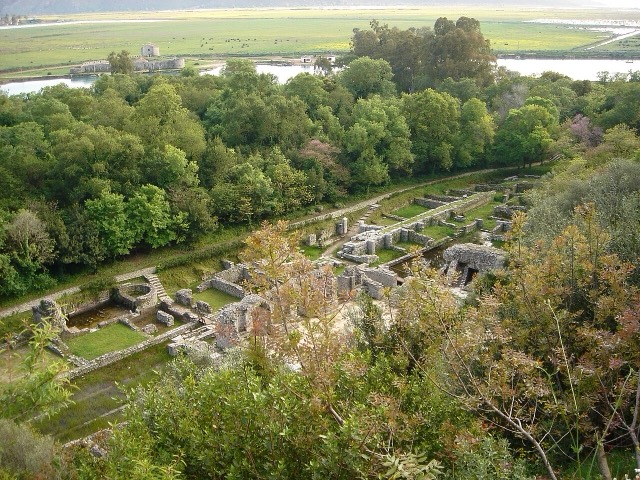
Sítio histórico · Vlorë
Butrint
A Greek, Roman, Byzantine, Venetian and Ottoman city layered on one wooded peninsula — Albania's first UNESCO site.
Cada condado, cada costa, cada século
Vista guiada
Novo na Albânia? Cada página começa com uma explicação em linguagem simples, acessível a uma criança de dez anos, antes de entrar em pormenor.
Vista para especialistas
Já conhece o essencial. Direto ao conteúdo, com as explicações simples ocultadas. Esta é a vista predefinida.
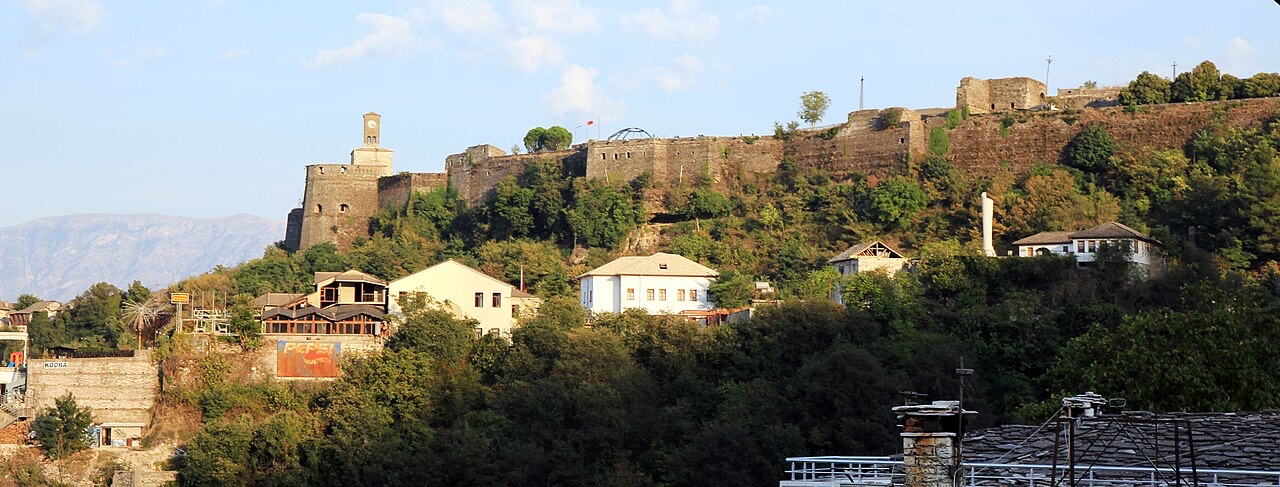
Lugares
Cidades ilírias nas colinas, cidades gregas e romanas, castelos otomanos e os bunkers dos anos comunistas.
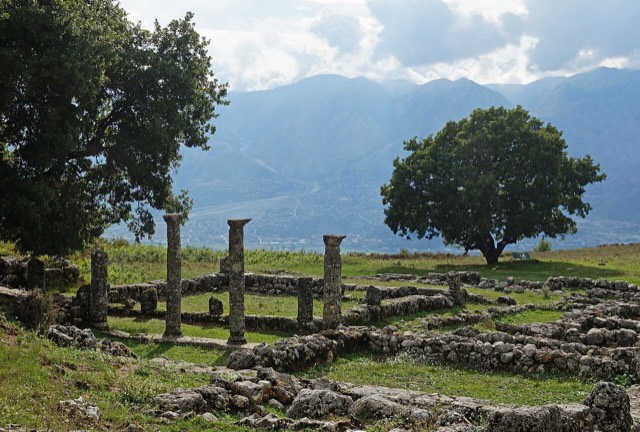
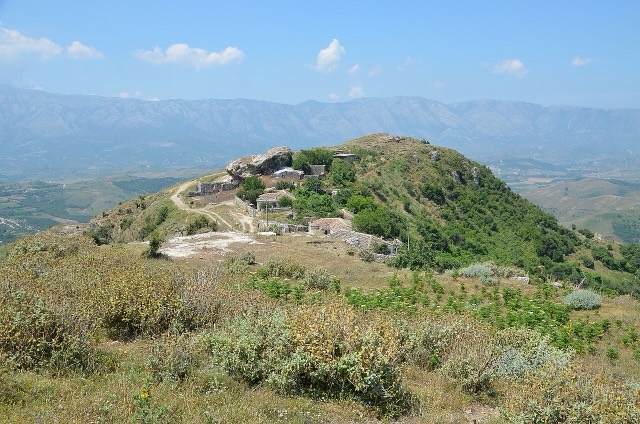
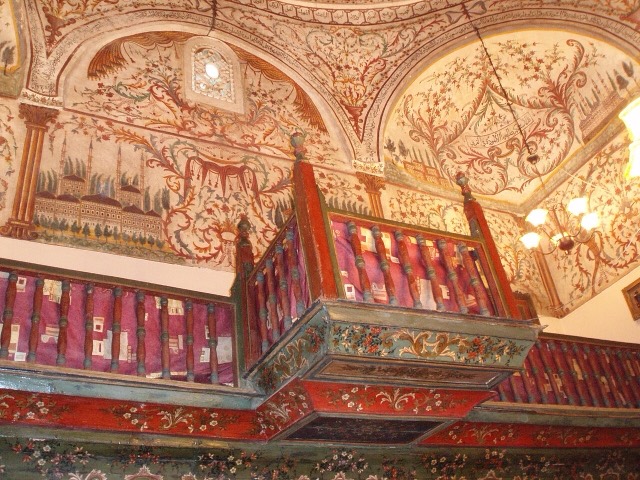
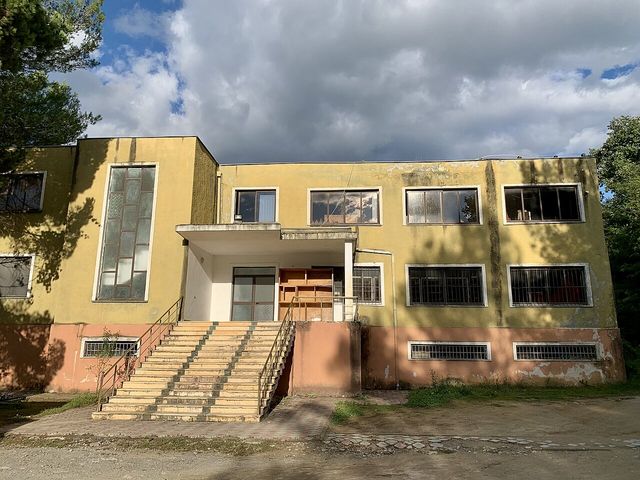
Sítio histórico · Vlorë
A Greek, Roman, Byzantine, Venetian and Ottoman city layered on one wooded peninsula — Albania's first UNESCO site.
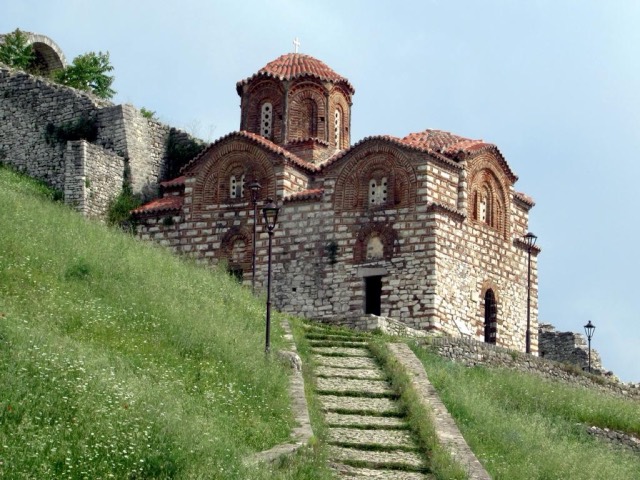
Sítio histórico · Berat
A fortress people still live inside, holding some twenty churches and the Onufri icon museum.
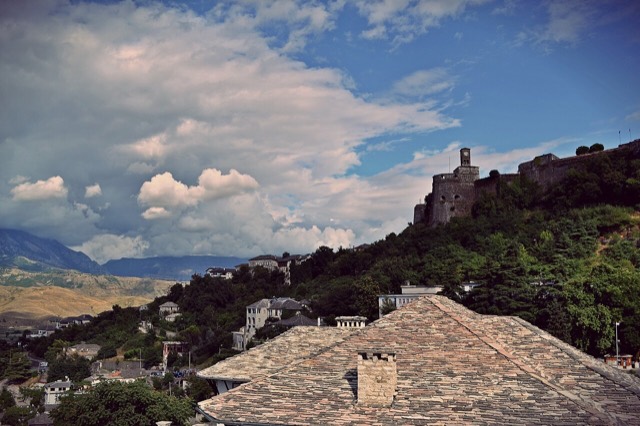
Sítio histórico · Gjirokastër
One of the largest castles in the Balkans, holding an artillery gallery and a captured US aircraft.
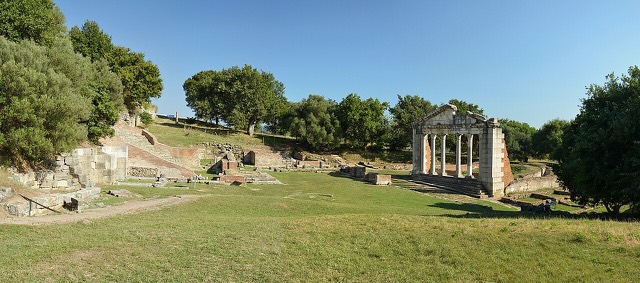
Sítio histórico · Fier
A Corinthian colony that became a Roman university town — Octavian was studying here when Caesar was killed.
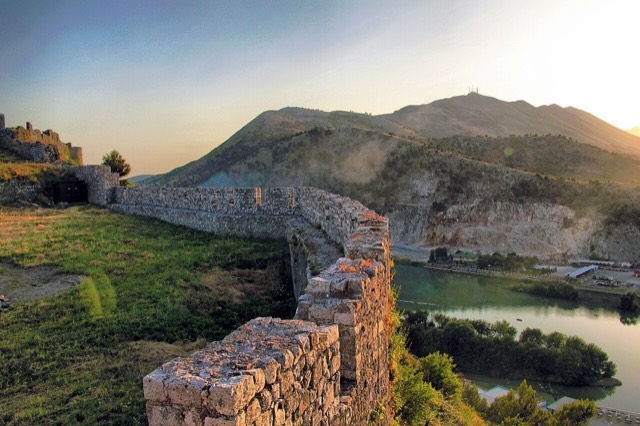
Sítio histórico · Shkodër
The rock fortress above the meeting of three rivers, and the setting of Albania's best-known legend.
Sítio histórico · Durrës
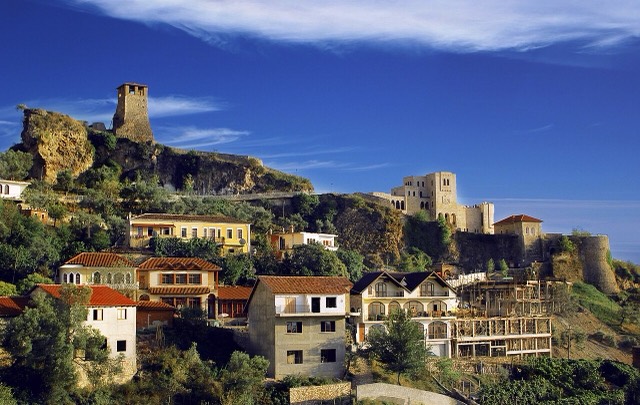
Skanderbeg's base, which held out against three Ottoman sieges and now houses the national museum of the resistance.
Sítio histórico · Durrës
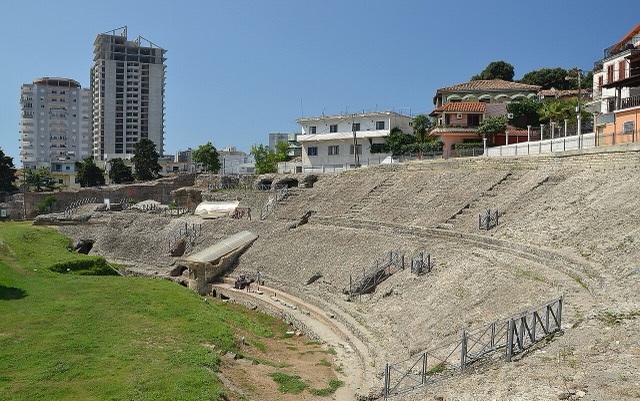
The largest Roman amphitheatre in the Balkans, found by accident in 1966 under the modern city.
Sítio histórico · Fier
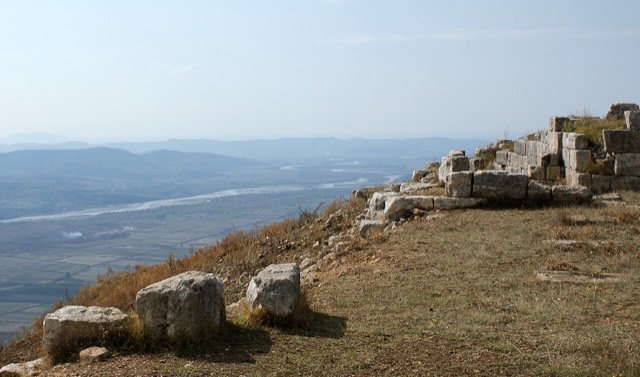
The largest Illyrian city yet excavated, on a plateau above the Vjosa with five early Christian basilicas.
Sítio histórico · Vlorë
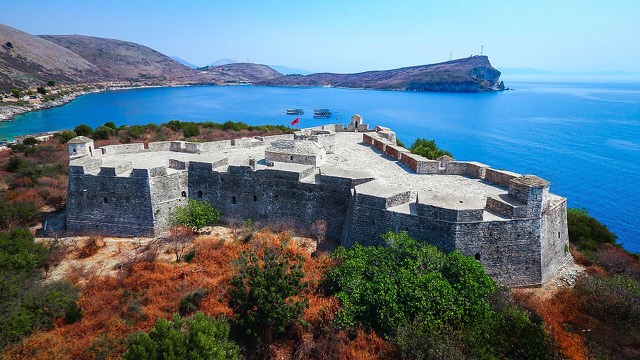
A triangular fortress on a causeway peninsula, built for Ali Pasha of Tepelena.
Sítio histórico · Gjirokastër
A short-lived Epirote city founded by King Pyrrhus and burned by Rome in 167 BC.
Sítio histórico · Vlorë
An Illyrian hill city whose stadium — cut into the slope — is among the best preserved in the region.
Sítio histórico · Tiranë
The small mosque on Skanderbeg Square whose frescoes of trees and waterfalls are unusual in Islamic art.
Sítio histórico · Tiranë
A five-storey anti-nuclear bunker built for the communist leadership, opened to the public in 2014.
Sítio histórico · Durrës
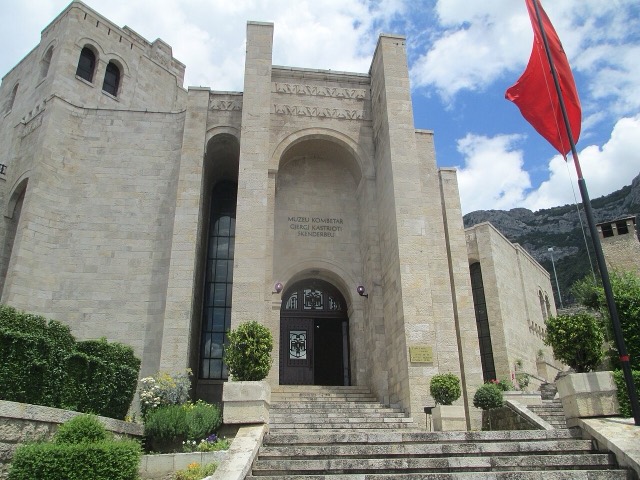
The museum of the 15th-century resistance, built inside Krujë Castle by Enver Hoxha's daughter and son-in-law.
Sítio histórico · Korçë
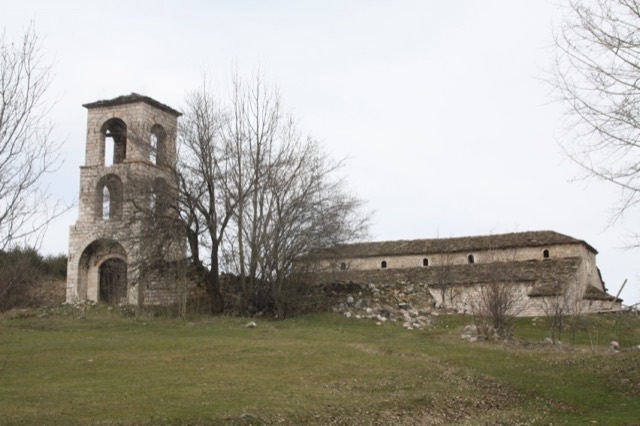
Six surviving basilicas of a town that once rivalled any city in the Balkans, covered inside with frescoes.
Sítio histórico · Shkodër
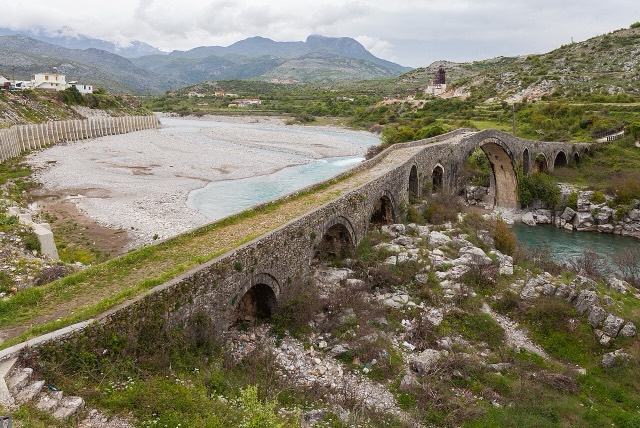
A 108 m, thirteen-arch packhorse bridge over the Kir north-east of Shkodër.
Sítio histórico · Fier
A hilltop monastery on the Myzeqe plain where, by tradition, Skanderbeg was married in 1451.
Sítio histórico · Tiranë
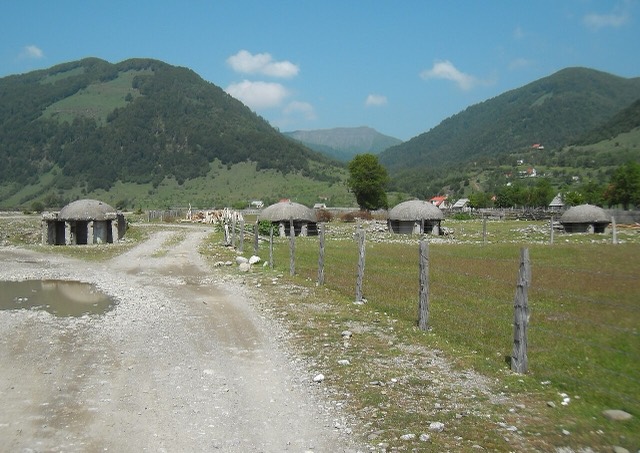
Roughly 170,000 concrete pillboxes built under Enver Hoxha — the most visible physical legacy of the communist state.
Sítio histórico · Tiranë
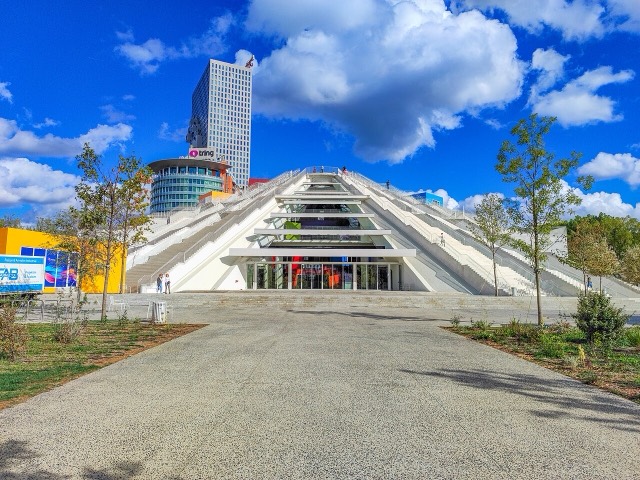
Built as Enver Hoxha's mausoleum-museum, later a nightclub and NATO base, reopened in 2023 as a youth technology centre.
Sítio histórico · Tiranë
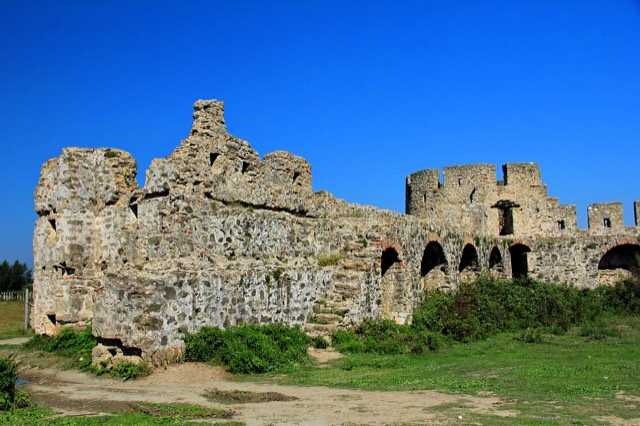
A rare rectangular lowland fortress built by Venice to guard a river port on the Shkumbin.
Sítio histórico · Tiranë
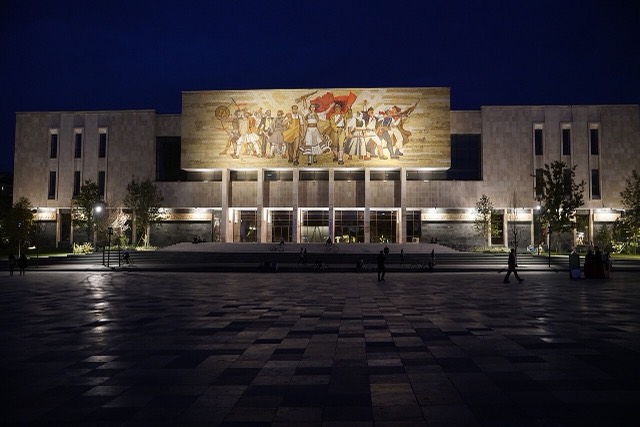
Albania's principal museum, under the Skanderbeg Square mosaic mural known as 'The Albanians'.
Sítio histórico · Elbasan
An Ottoman fortress built on a Roman site, with a living town inside its walls.
Sítio histórico · Durrës
Byzantine sea walls raised under Anastasius I, later strengthened by Venice and the Ottomans.
Sítio histórico · Tiranë
A compact hill castle between Tirana and the airport, with a view over the whole plain.
Sítio histórico · Shkodër
The archive of the Balkans' oldest photographic studio — about 500,000 negatives from 1858 onward.
Sítio histórico · Tiranë
A small triangular castle on a wooded crag above the Erzen, half an hour from Tirana.
Sítio histórico · Tiranë
The former headquarters of the Sigurimi's technical surveillance branch, kept as it was found.