City
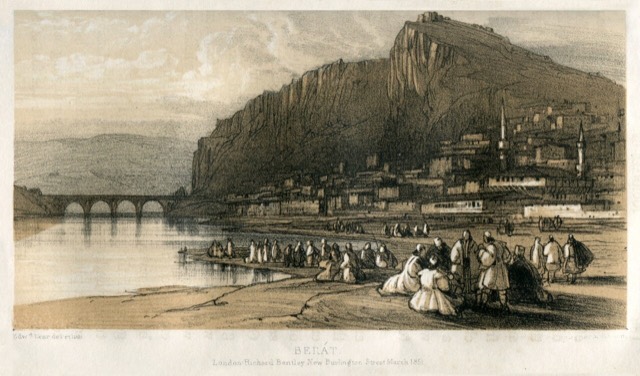
Berat
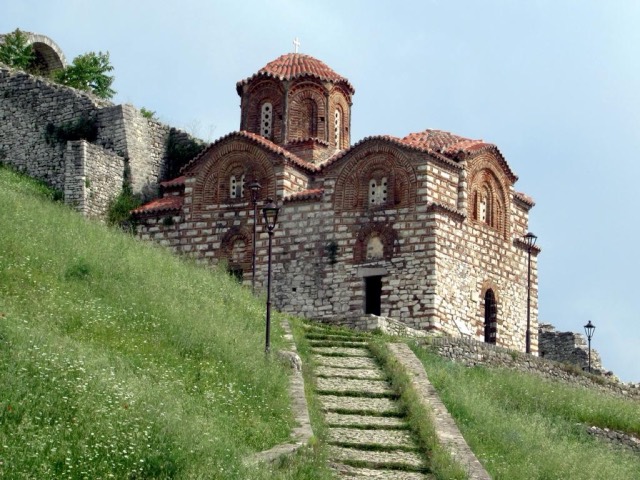
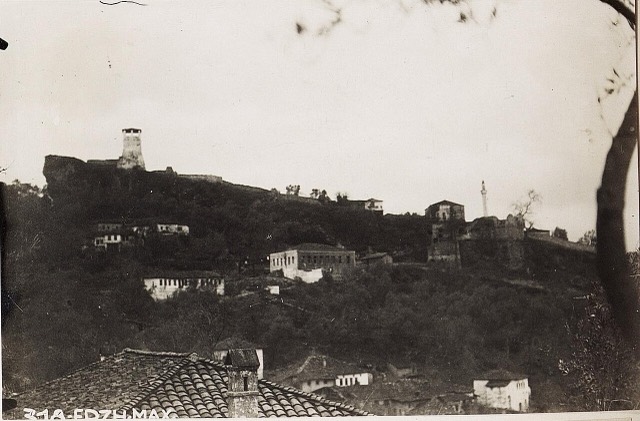
The 'city of a thousand windows': an Ottoman hill town under a still-inhabited castle, UNESCO-listed since 2008.
🧭 Guided view
New to Albania? Every page opens with a plain-language explanation you could read to a ten-year-old, before the detail begins.
⚡ Expert view
You already know the basics. Straight to the substance, with the simple explanations hidden. This is the default.
Explore
Every place in the Atlas. Filter by type, by county or by theme.
The 'city of a thousand windows': an Ottoman hill town under a still-inhabited castle, UNESCO-listed since 2008.
A fortress people still live inside, holding some twenty churches and the Onufri icon museum.
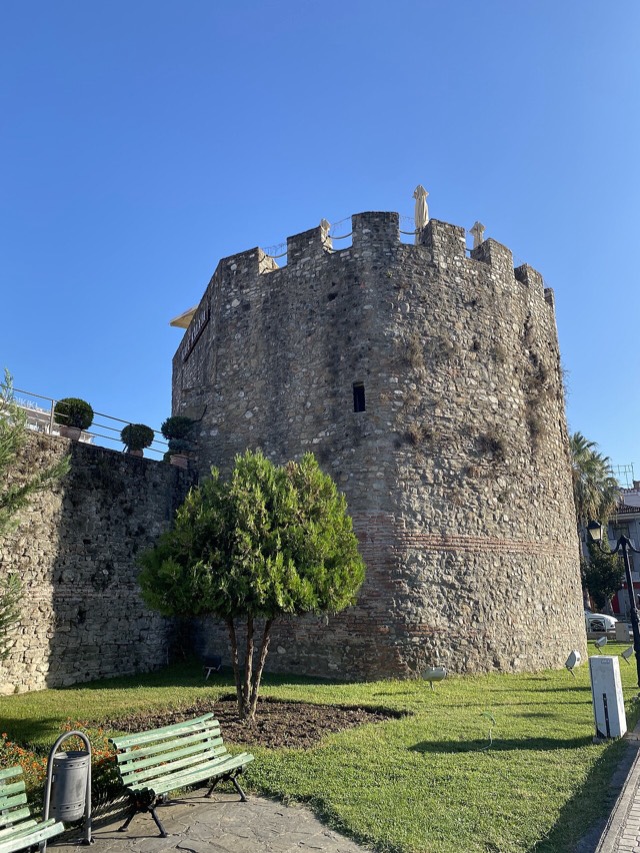
Byzantine sea walls raised under Anastasius I, later strengthened by Venice and the Ottomans.
An Ottoman fortress built on a Roman site, with a living town inside its walls.
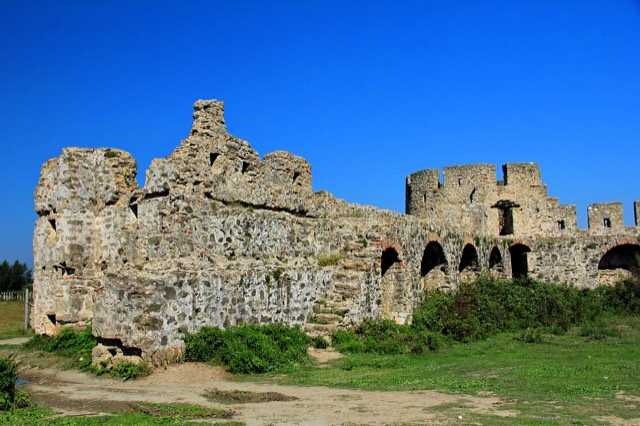
A rare rectangular lowland fortress built by Venice to guard a river port on the Shkumbin.
A sheltered arc on the Rodon cape, below Skanderbeg's coastal castle.
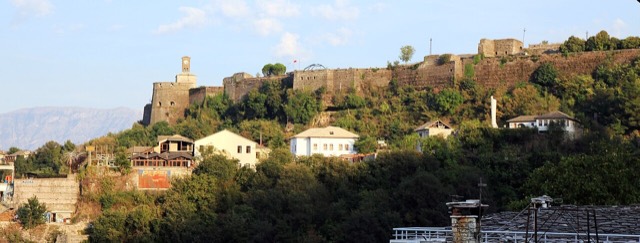
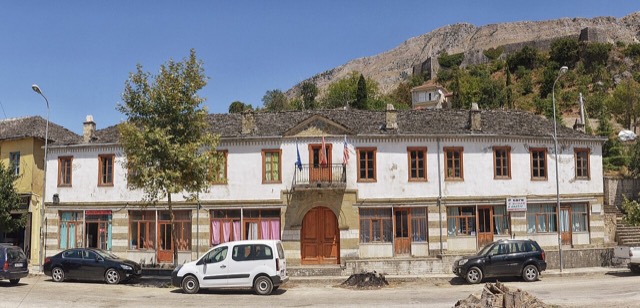
The 'stone city': slate-roofed tower houses on a steep slope beneath one of the Balkans' largest castles.
One of the largest castles in the Balkans, holding an artillery gallery and a captured US aircraft.
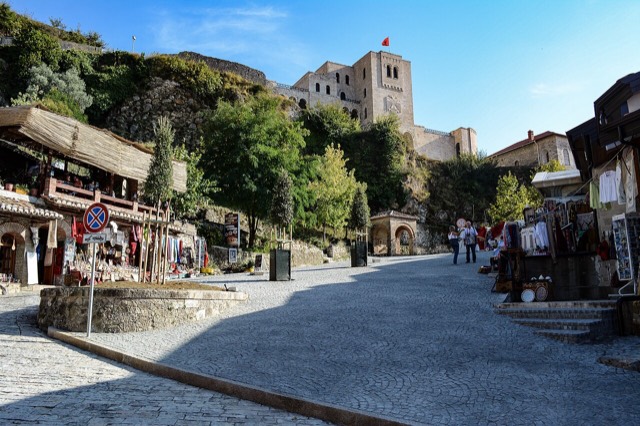
Skanderbeg's mountain stronghold, an old bazaar street, and the national museum of the resistance.
Skanderbeg's base, which held out against three Ottoman sieges and now houses the national museum of the resistance.
A hill town below a castle built by Ali Pasha for his sister, opposite Gjirokastër.
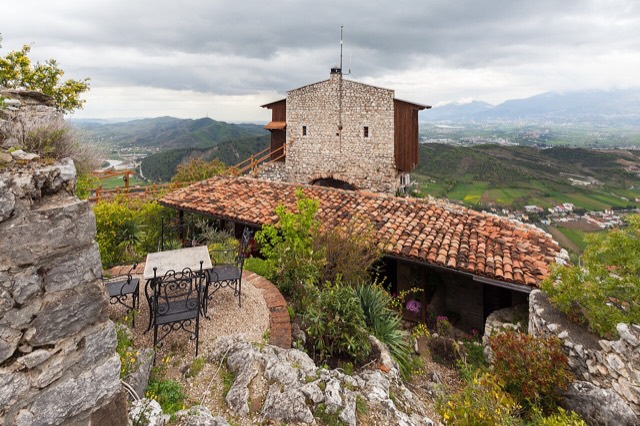
A small triangular castle on a wooded crag above the Erzen, half an hour from Tirana.
A near-enclosed bay wrapped around Ali Pasha's triangular fortress on its own peninsula.
A triangular fortress on a causeway peninsula, built for Ali Pasha of Tepelena.
A compact hill castle between Tirana and the airport, with a view over the whole plain.
The rock fortress above the meeting of three rivers, and the setting of Albania's best-known legend.
The cultural capital of the north: a lake, a fortress, a bicycle city and a Catholic heartland.