City · Durrës
Durrës
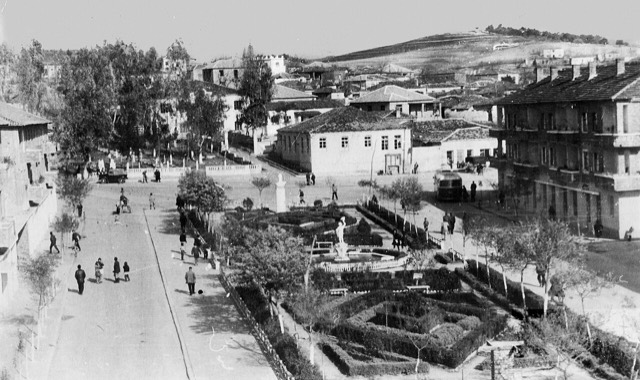
Albania's principal port and its oldest continuously inhabited city, founded as Epidamnos in 627 BC.
Every county, coast and century
Guided view
New to Albania? Every page opens with a plain-language explanation you could read to a ten-year-old, before the detail begins.
Expert view
You already know the basics. Straight to the substance, with the simple explanations hidden. This is the default.
Places
City · Durrës
Albania's principal port and its oldest continuously inhabited city, founded as Epidamnos in 627 BC.
Historic site · Durrës
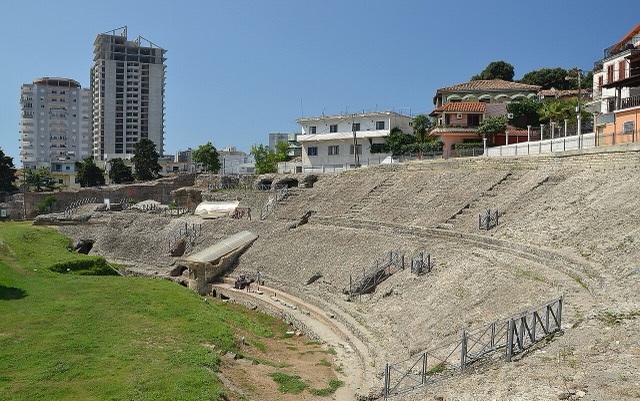
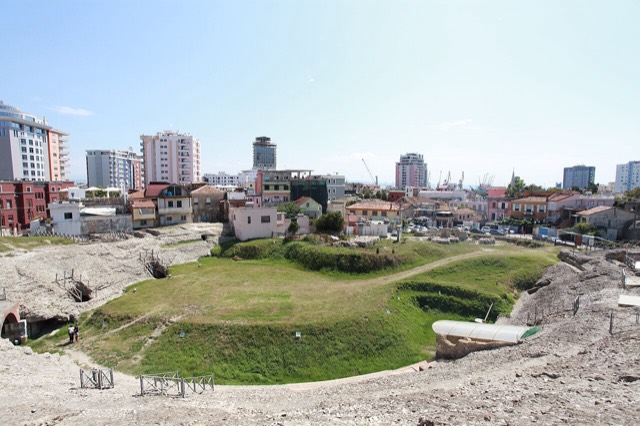
The largest Roman amphitheatre in the Balkans, found by accident in 1966 under the modern city.
Town · Durrës
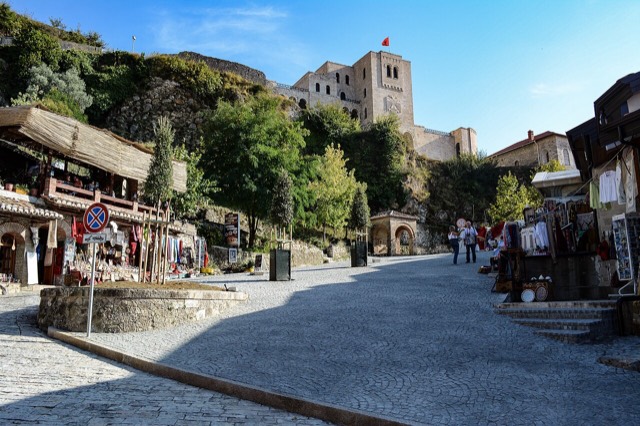
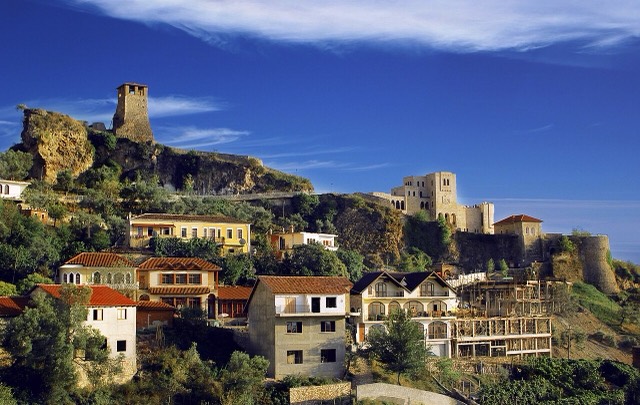
Skanderbeg's mountain stronghold, an old bazaar street, and the national museum of the resistance.
Historic site · Durrës
Skanderbeg's base, which held out against three Ottoman sieges and now houses the national museum of the resistance.
Historic site · Durrës
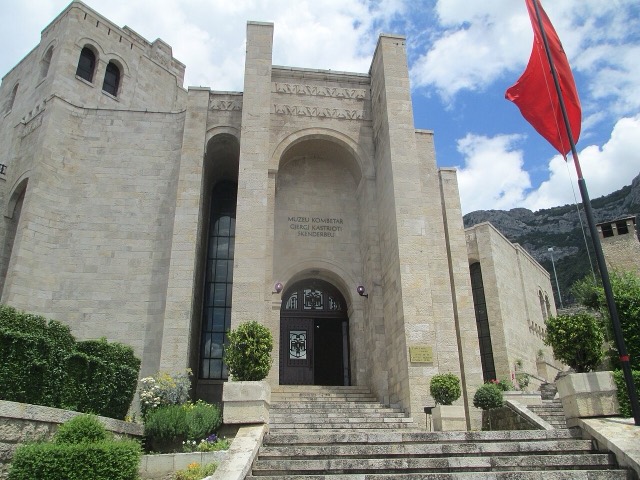
The museum of the 15th-century resistance, built inside Krujë Castle by Enver Hoxha's daughter and son-in-law.
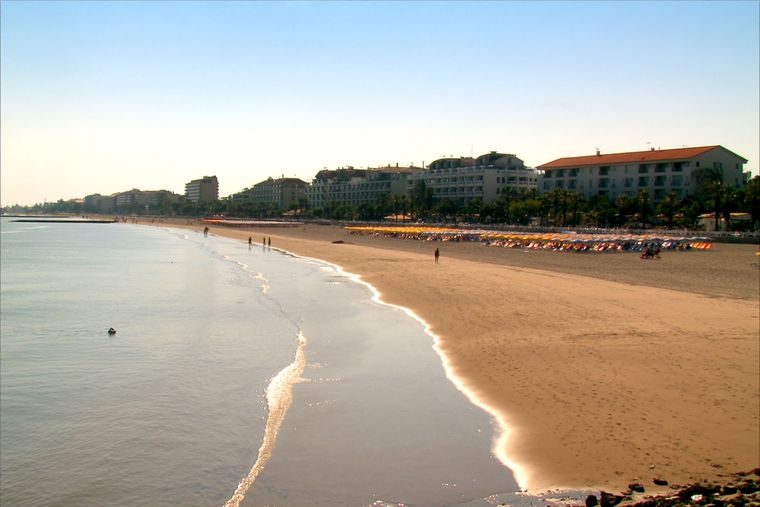
Beach · Durrës
A continuous sand strip running south from the city — the busiest beach in Albania by visitor numbers.
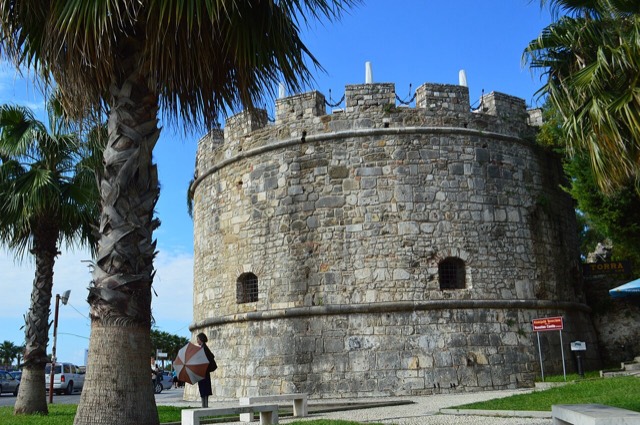
Historic site · Durrës
Byzantine sea walls raised under Anastasius I, later strengthened by Venice and the Ottomans.
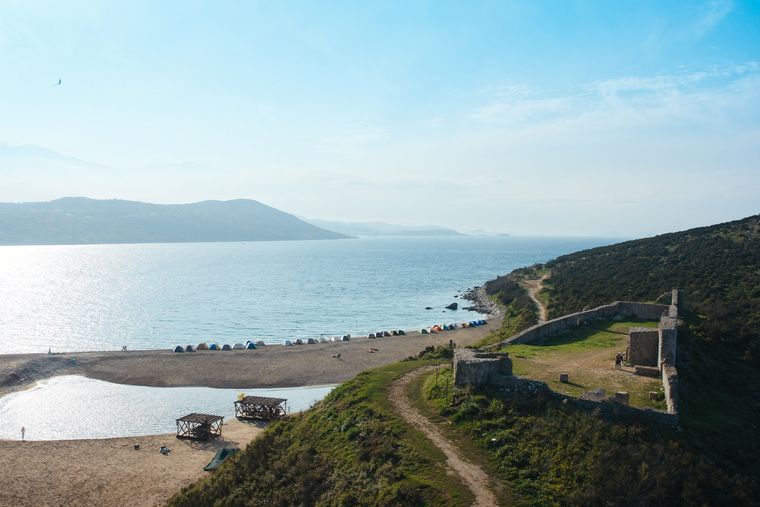
Beach · Durrës
A sheltered arc on the Rodon cape, below Skanderbeg's coastal castle.
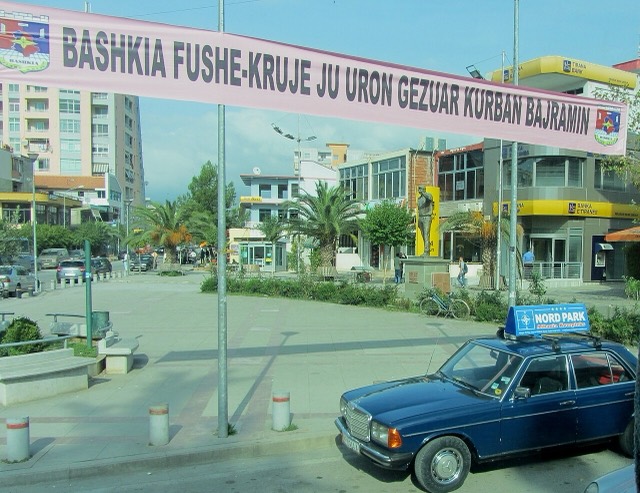
Town · Durrës
The industrial town on the plain below Krujë, and the site of Albania's largest cement works.
Town · Durrës
A market town between Durrës and Tirana with a long-established Roma and Egyptian community.
Beach · Durrës
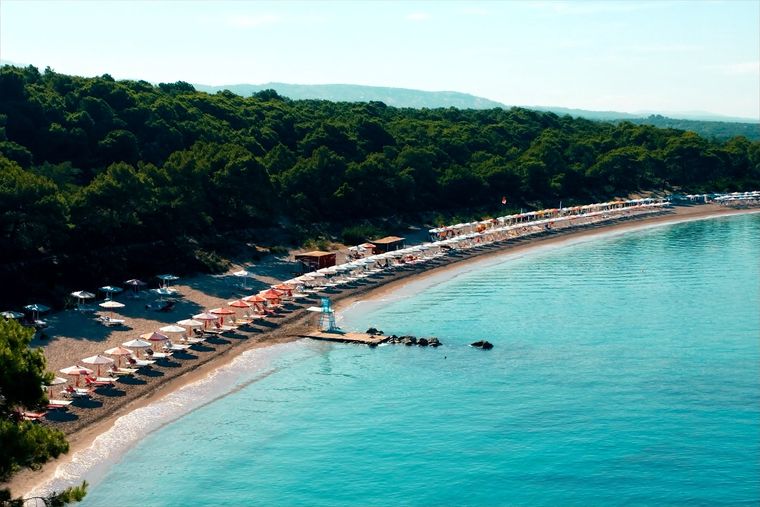
A pine-backed sand bay north of Durrës that has become Albania's main resort-property zone.