Sitio histórico · Gjirokastër
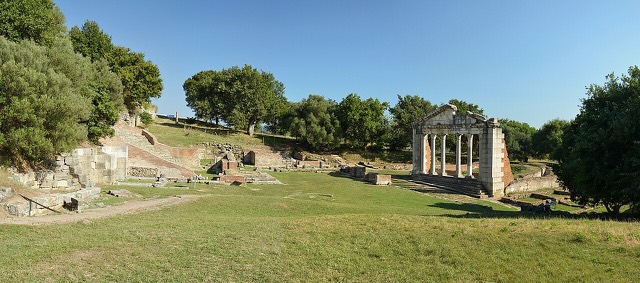
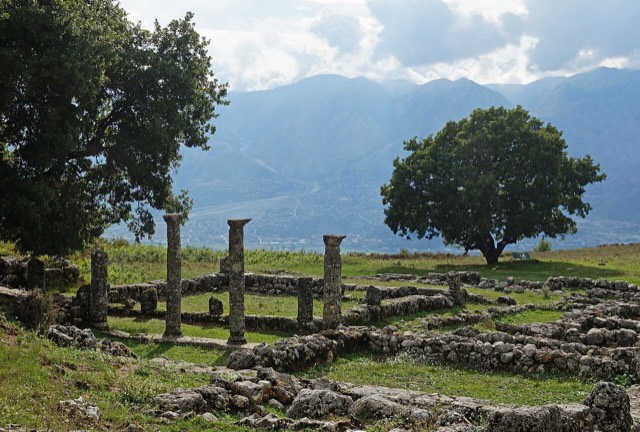
Antigonea
A short-lived Epirote city founded by King Pyrrhus and burned by Rome in 167 BC.
Cada condado, cada costa, cada siglo
Vista guiada
¿Nuevo en Albania? Cada página comienza con una explicación en lenguaje sencillo que cualquiera podría entender, antes de entrar en los detalles.
Vista experta
Ya conoces los fundamentos. Directo al contenido, con las explicaciones básicas ocultas. Esta es la vista predeterminada.
Guía
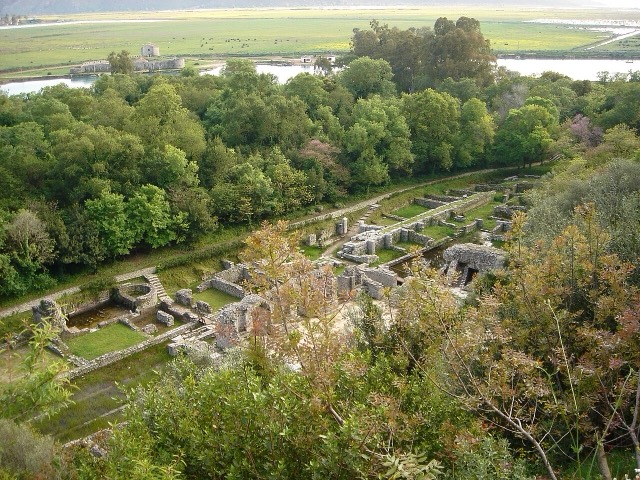
Butrint, Apollonia, Byllis, Antigonea and Amantia: five sites that cover 2,500 years between them.
Guardar
Albania has some very good ancient ruins that most people have never heard of. Butrint is the most famous. Apollonia, Byllis, Antigonea and Amantia are quieter and often nearly empty.
Albania has some very good ancient ruins that most people have never heard of. Butrint is the most famous. Apollonia, Byllis, Antigonea and Amantia are quieter and often nearly empty.
Butrint is inside a national park and takes a comfortable half day. Apollonia is 12 km from Fier and has a monastery and museum on site. Byllis, Antigonea and Amantia need a car and reward the effort with near-solitude.
Shade is limited at all of them. Go early or late in summer.
The National History Museum in Tirana holds much of the movable material. The Onufri museum in Berat Castle covers post-Byzantine icon painting, and Durrës has an archaeological museum beside the sea wall.
Sitio histórico · Gjirokastër
A short-lived Epirote city founded by King Pyrrhus and burned by Rome in 167 BC.
Sitio histórico · Fier
A Corinthian colony that became a Roman university town — Octavian was studying here when Caesar was killed.
Sitio histórico · Vlorë
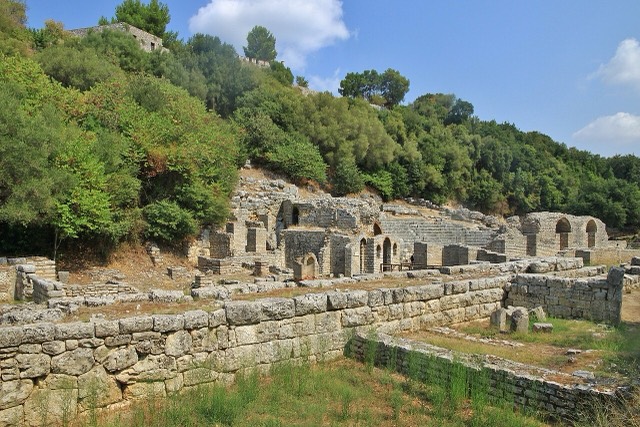
A Greek, Roman, Byzantine, Venetian and Ottoman city layered on one wooded peninsula — Albania's first UNESCO site.
Sitio histórico · Fier
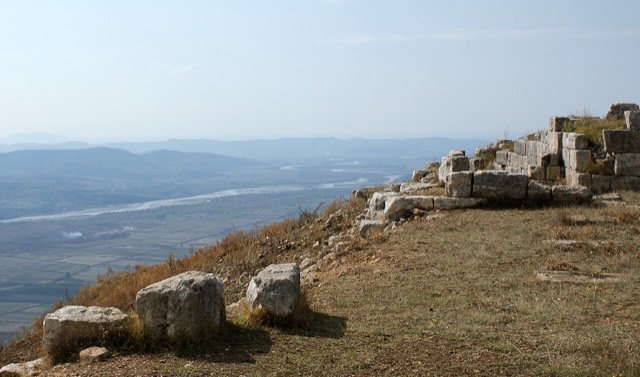
The largest Illyrian city yet excavated, on a plateau above the Vjosa with five early Christian basilicas.
Sitio histórico · Vlorë
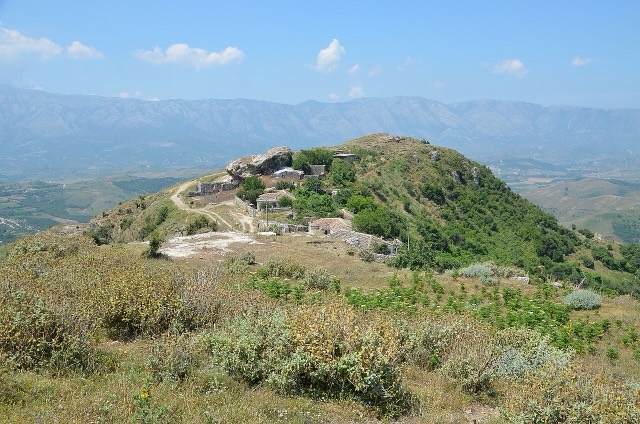
An Illyrian hill city whose stadium — cut into the slope — is among the best preserved in the region.
Playa · Vlorë
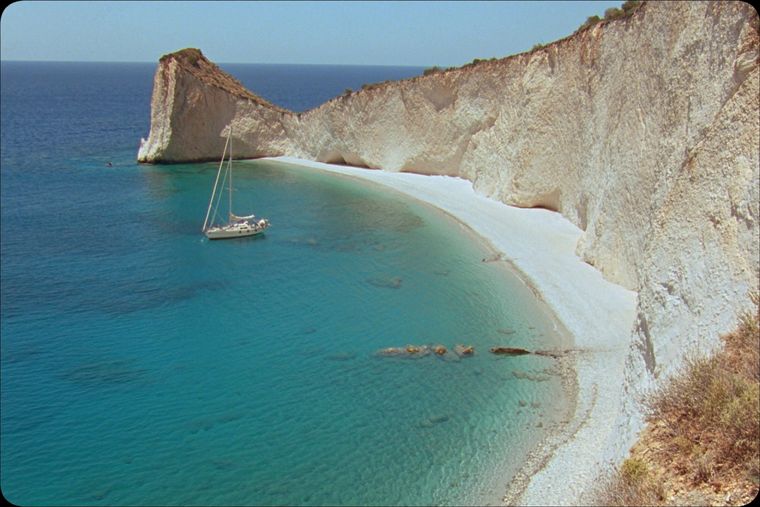
A remote bay on the Karaburun peninsula whose cliffs carry Greek and Latin inscriptions cut by ancient sailors.
Explicación
Illyrians, Greek colonists and Rome, layered on the same coastline for a thousand years.
¿Algo incorrecto en esta página? Las correcciones son bienvenidas y se contrastan con el registro fuente. Indíquenos qué es incorrecto y, si puede, de dónde procede el dato correcto.