Essen
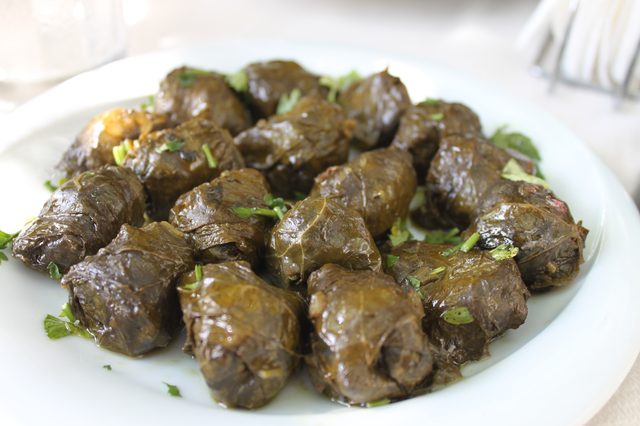
Byrek
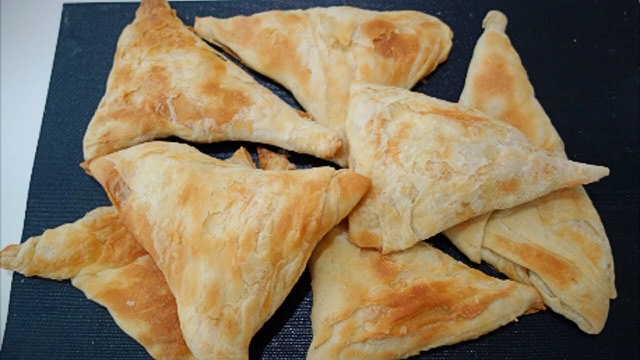
The everyday Albanian pie: hand-stretched pastry layered with cheese, spinach, leek, meat or tomato.
Jeder Kreis, jede Küste, jedes Jahrhundert
Geführte Ansicht
Neu in Albanien? Jede Seite beginnt mit einer einfachen Erklärung, die auch ein Zehnjähriger verstehen würde – bevor es ins Detail geht.
Expertenansicht
Sie kennen die Grundlagen bereits. Direkt zur Substanz, ohne die vereinfachten Erklärungen. Dies ist die Standardeinstellung.
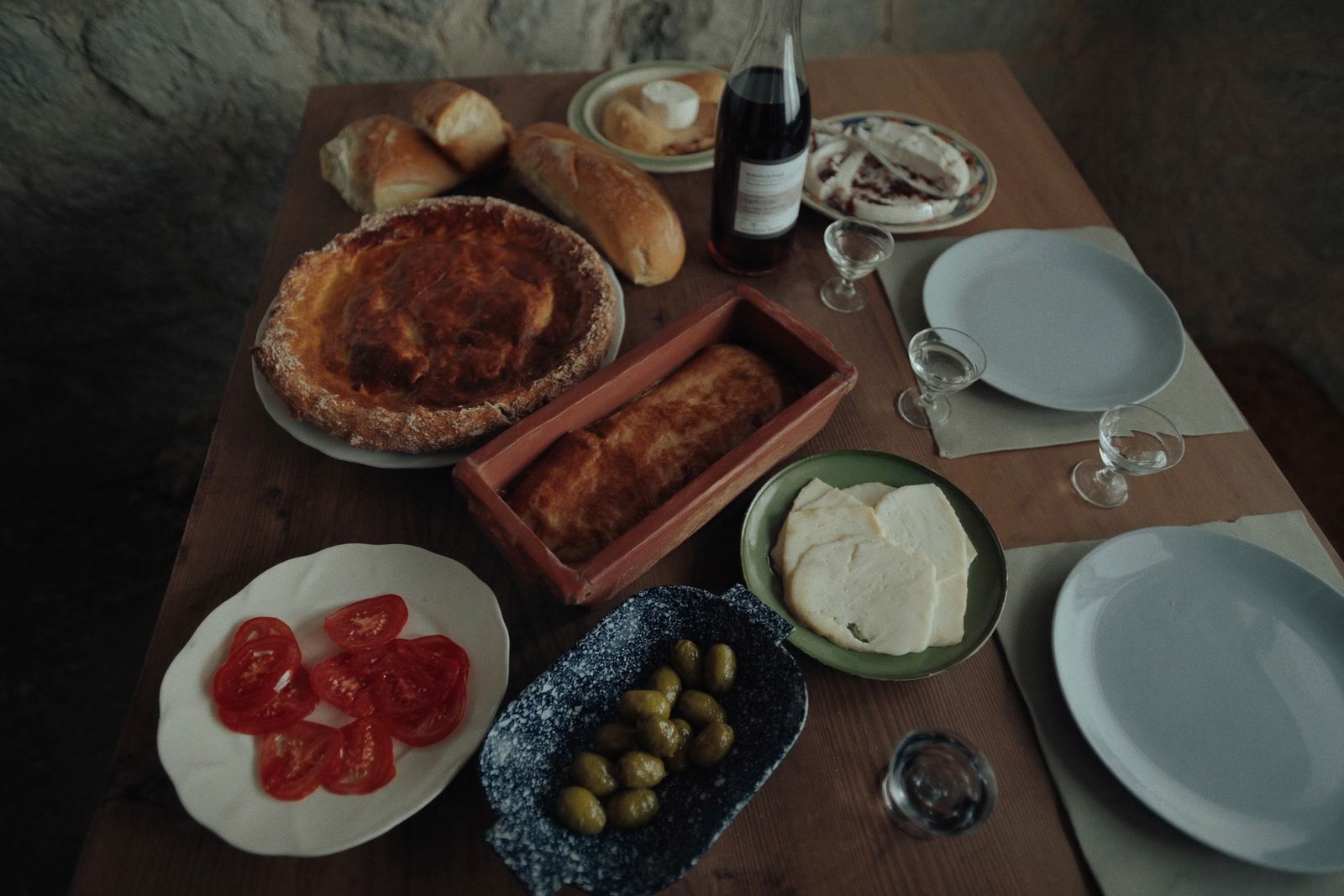
Language, food, wine, music, religion, custom and the diaspora.
This section is about how people in Albania live, speak, eat and celebrate.
Essen
The everyday Albanian pie: hand-stretched pastry layered with cheese, spinach, leek, meat or tomato.
Essen
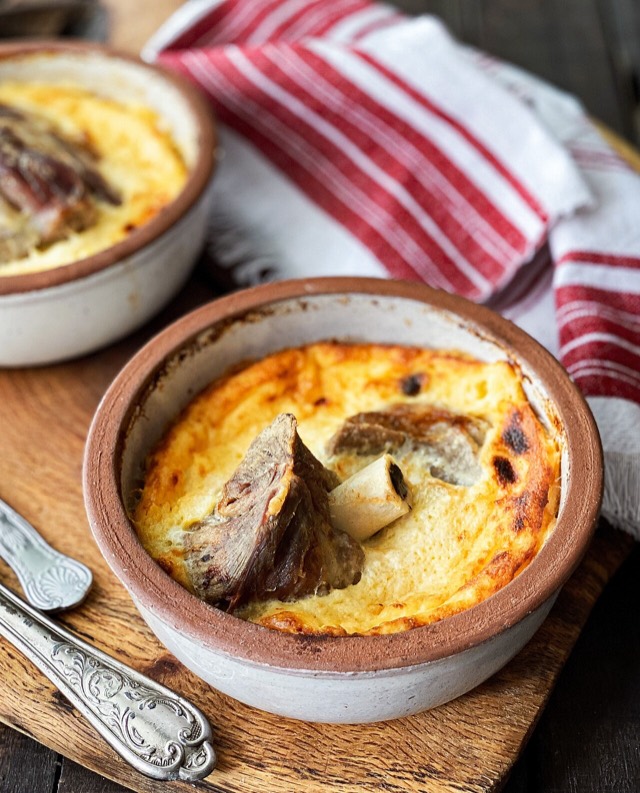
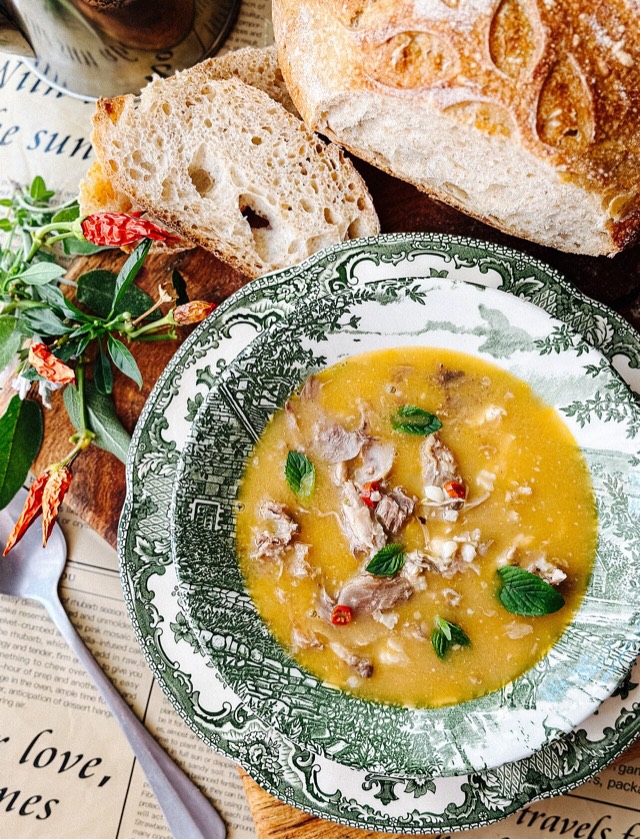
Lamb baked under a set custard of yoghurt, egg and a little flour — the dish most often named as Albania's national one.
Essen
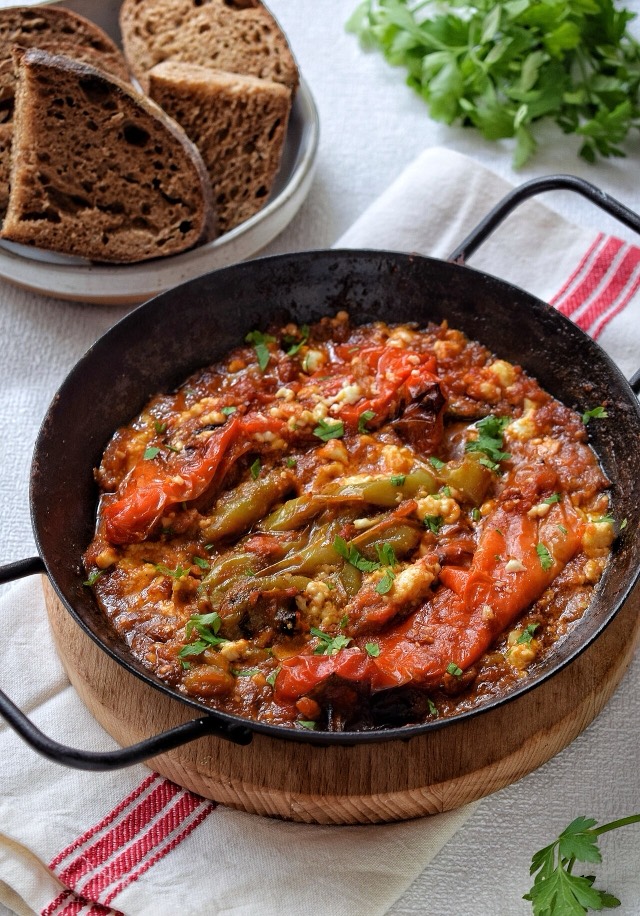
Peppers and tomato cooked down with white cheese, sometimes with liver — a Tirana staple.
Essen
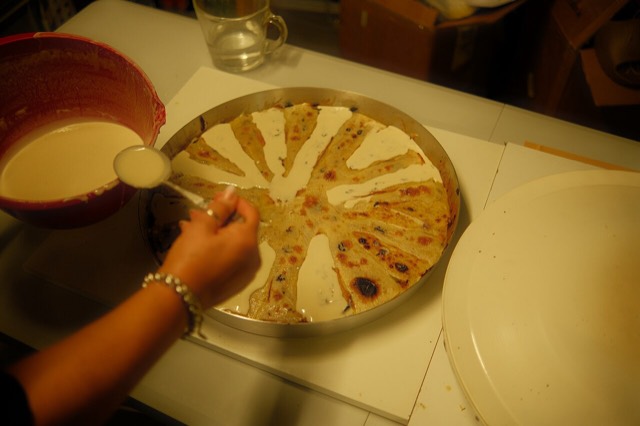
Concentric crepe layers built up one at a time under a hot metal lid — a northern highland dish that takes hours.
Essen
Flattened meatballs of beef or lamb with onion and mint, grilled over charcoal or fried.
Essen
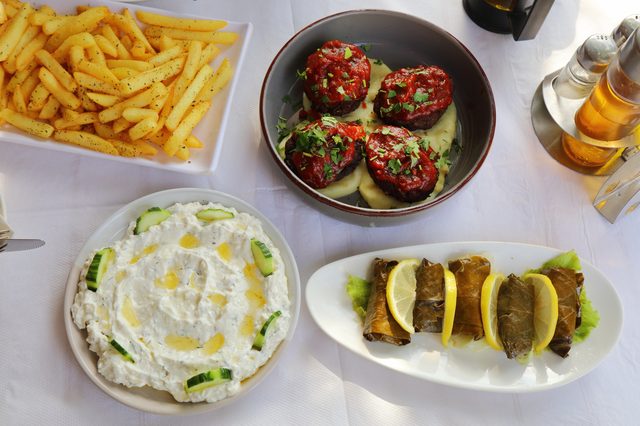
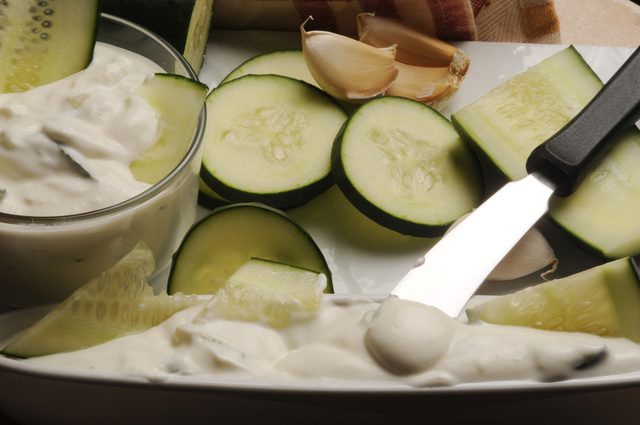
Chilled yoghurt with cucumber, garlic, walnut and dill — the standard Albanian summer starter.
Essen
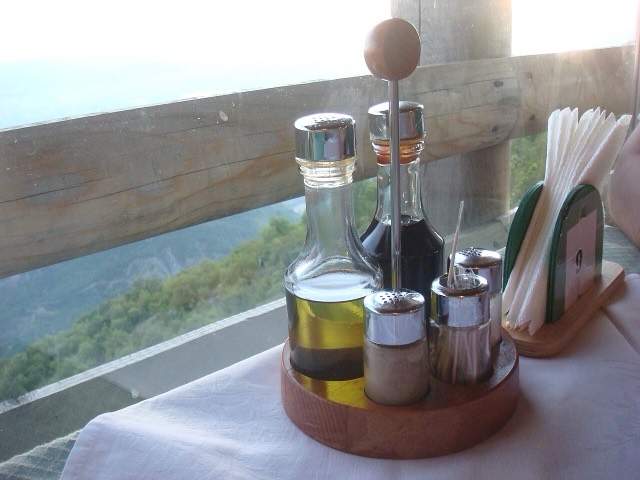
Oil from Kalinjot, Kokërrmadh and other local varieties, chiefly from Vlorë, Fier and Berat.
Getränke
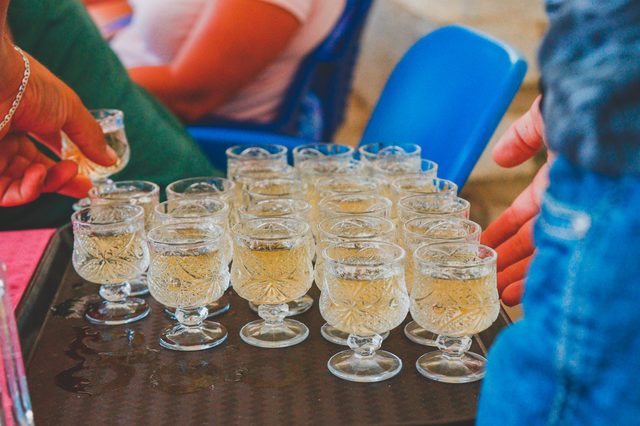
Home-distilled grape or plum spirit, offered to guests and made in most rural households.
Getränke
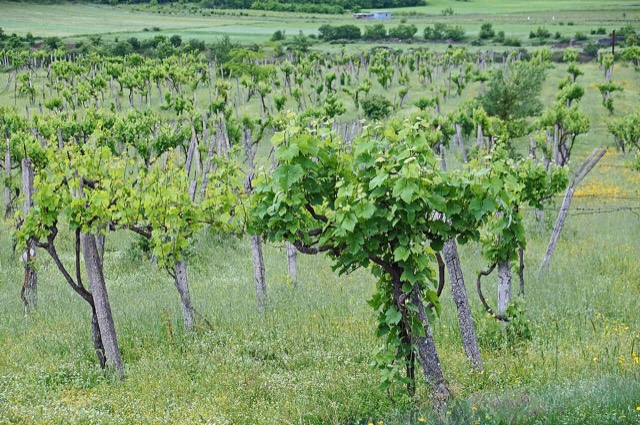
A wine culture running back to Illyrian times, rebuilt after 1990 around native grapes.
Getränke
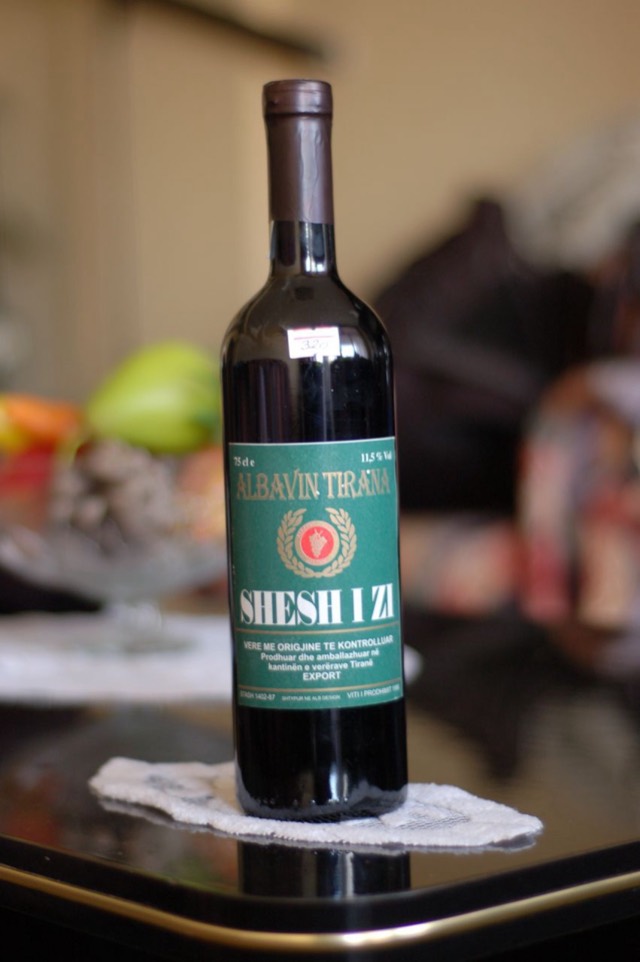
Albania's signature white and red grapes, grown mainly around Tirana and Durrës.
Getränke
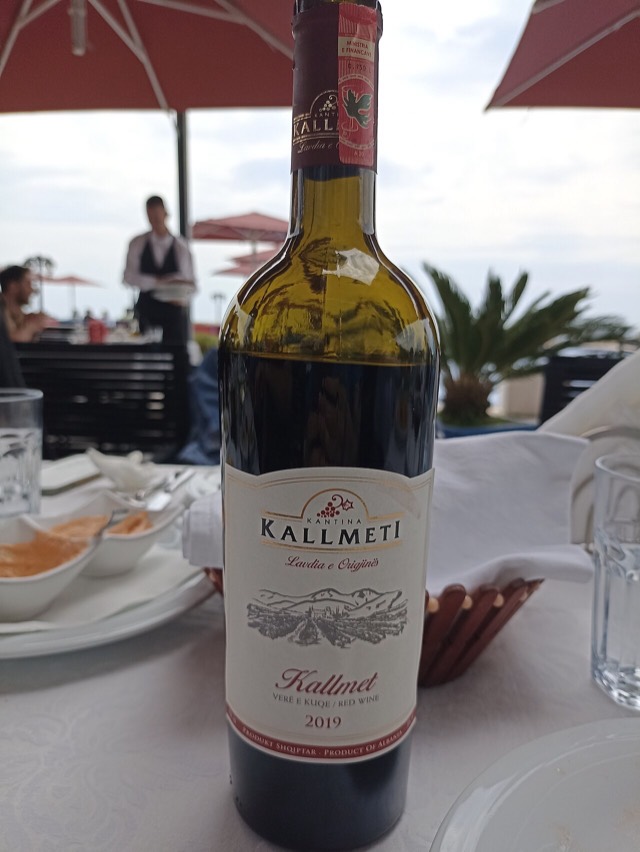
A dark northern red grape from the Lezhë–Shkodër zone, related to Hungary's Kadarka.
Getränke
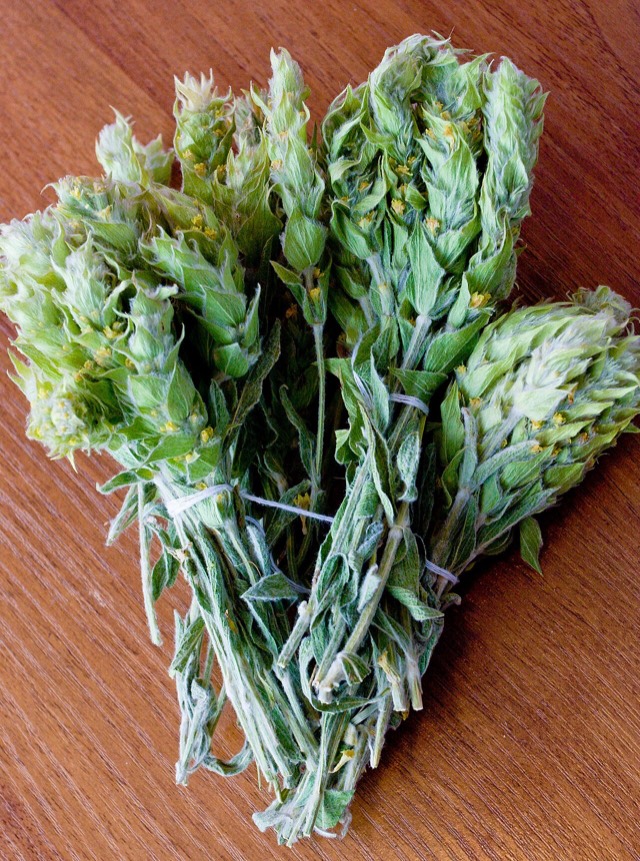
Çaj mali — dried Sideritis flowers gathered on high slopes and drunk all winter.
Getränke
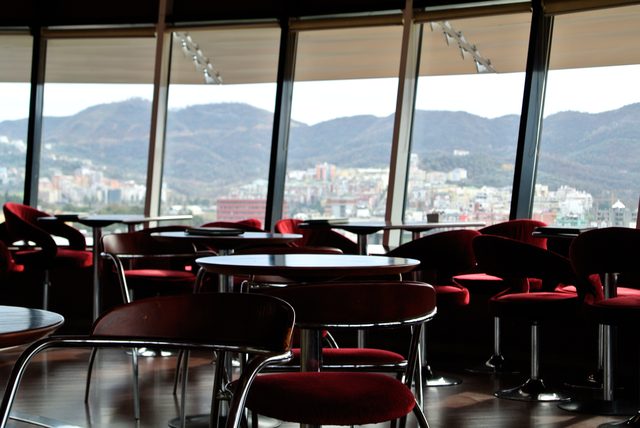
Albania has among the highest densities of coffee bars in Europe; the meeting is the point, not the drink.
Betreff
An independent branch of the Indo-European family with no close living relative, written in a 36-letter Latin alphabet.
Betreff
The customary obligation of keeping one's word — the principle behind Albania's wartime sheltering of Jewish refugees.
Betreff
Four historic communities — Sunni, Bektashi, Orthodox and Catholic — and a state that banned all of them from 1967 to 1990.
Betreff
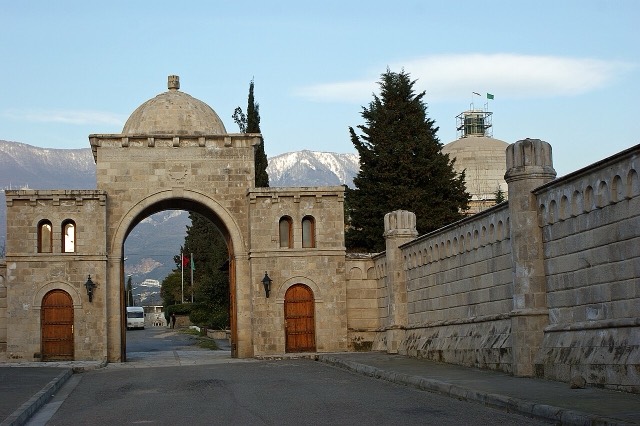
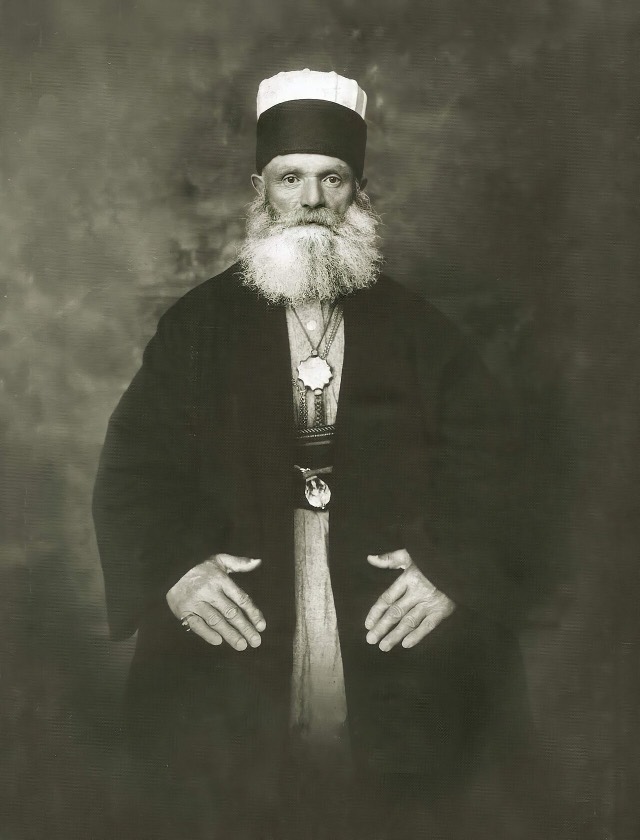
A Sufi order whose world headquarters has been in Tirana since 1925, with a major shrine on Mount Tomorr.
Betreff
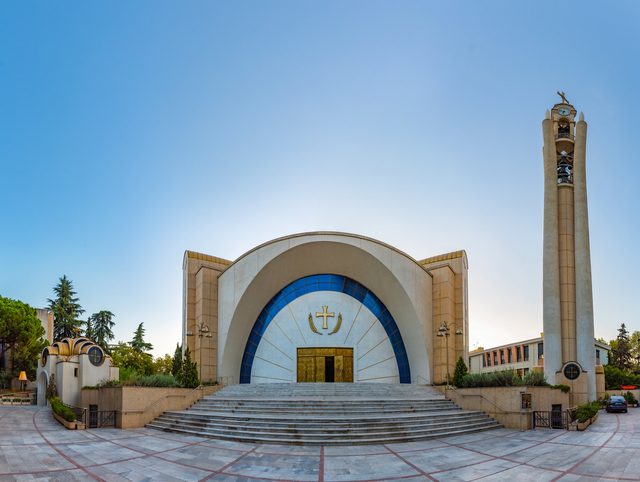
An autocephalous church since 1937, rebuilt almost from nothing after 1991.
Betreff
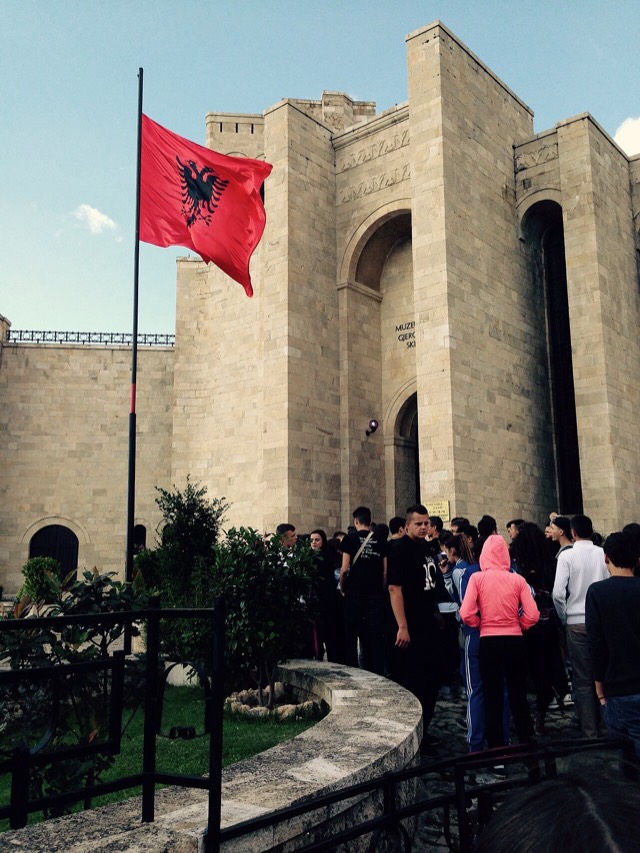
A black double-headed eagle on red — Skanderbeg's standard, and one of the oldest continuously used national symbols in Europe.
Betreff
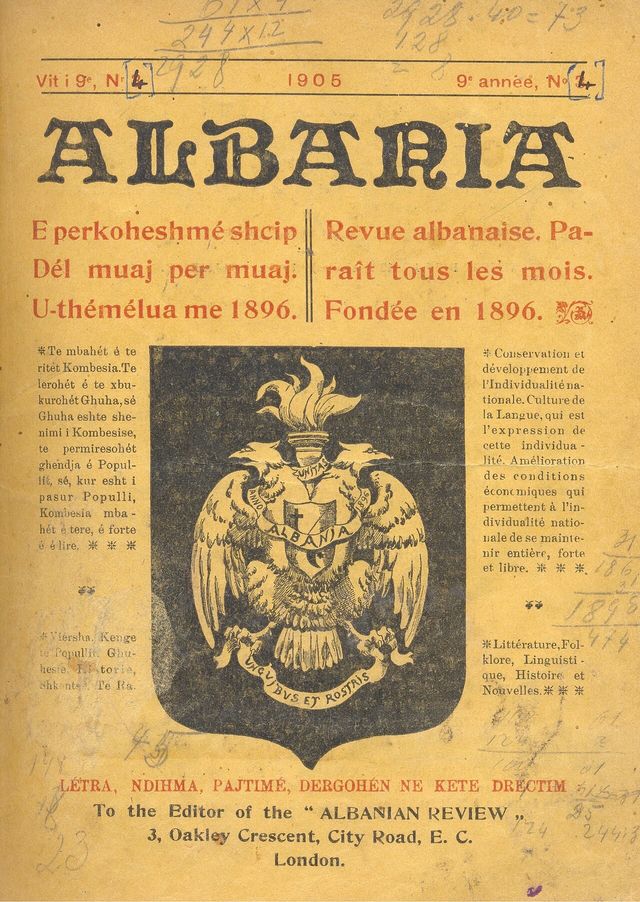
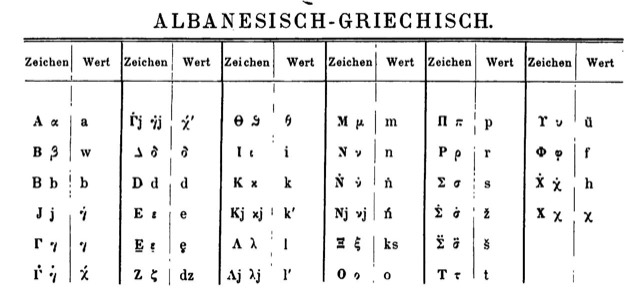
Thirty-six letters agreed at the Congress of Monastir in 1908, replacing competing Arabic, Greek and Latin scripts.
Betreff
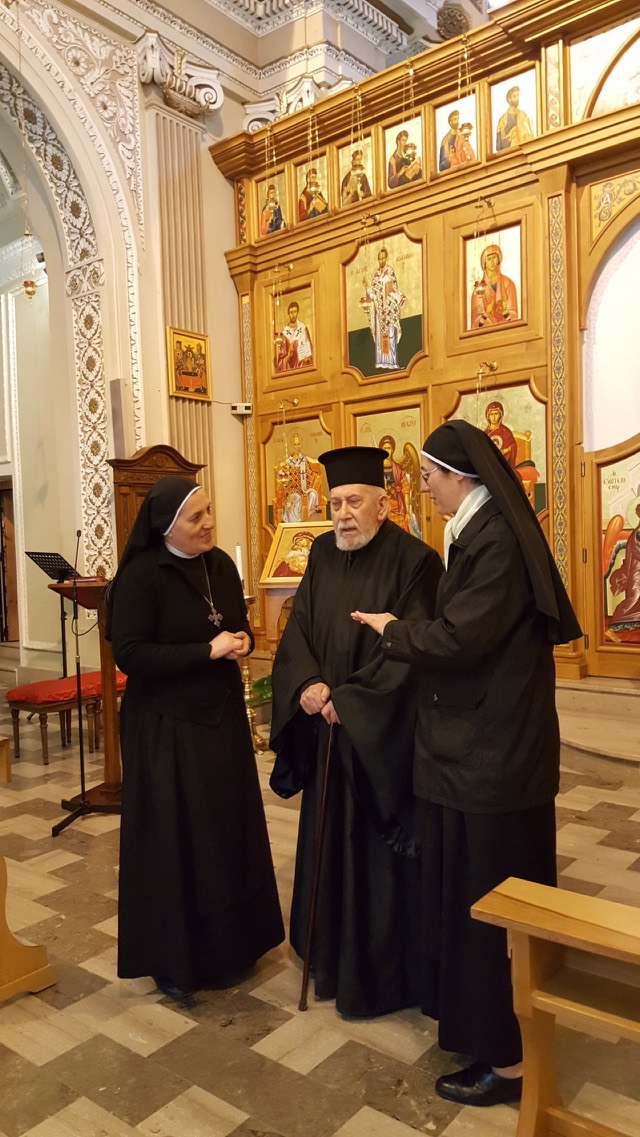
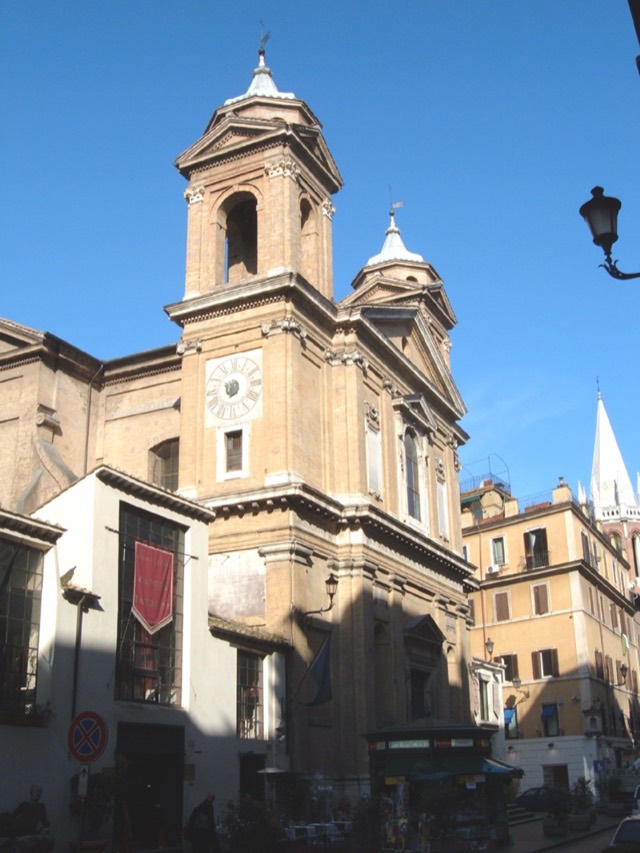
Albanian-speaking communities in southern Italy, settled from the 15th century and still speaking an archaic Tosk.
Betreff
More Albanians may live outside the country than in it — chiefly in Italy, Greece, Germany, Switzerland, the UK and the US.
Betreff
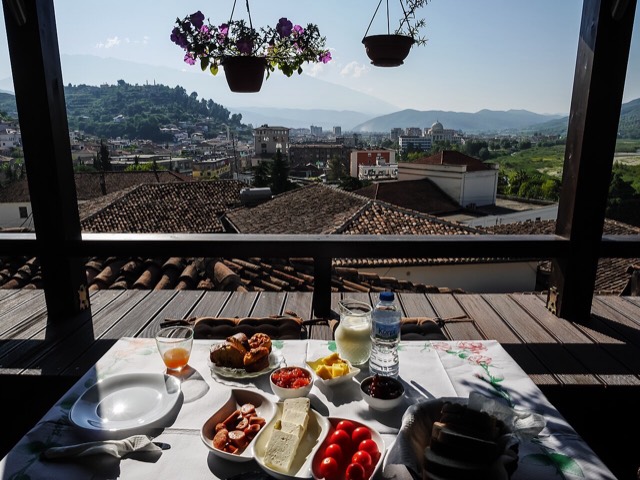
Mediterranean at the coast, Balkan and Ottoman inland, dairy-heavy in the mountains.
Betreff
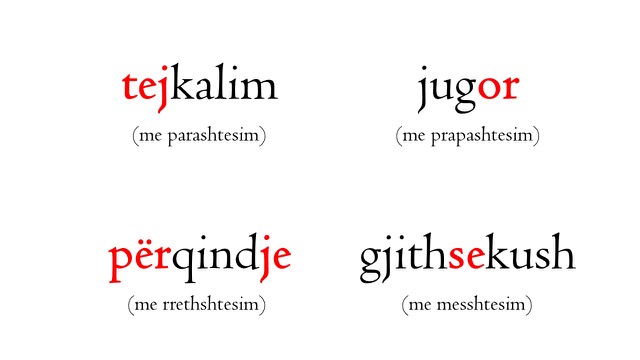
The forty or so words and phrases that cover most day-to-day exchanges for a visitor.
Betreff
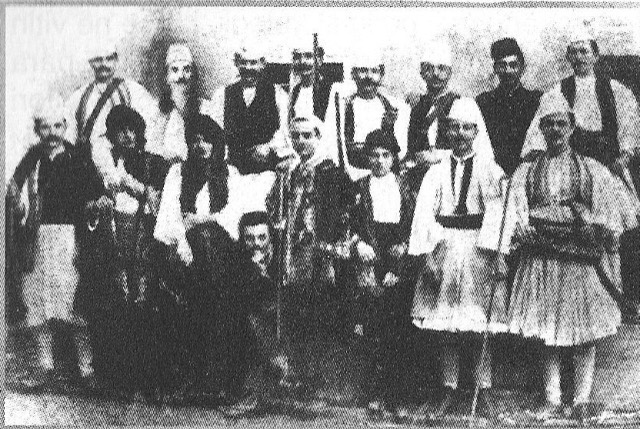
A culture shaped by mountain isolation, five centuries of Ottoman rule, and fifty years of enforced separation.
Betreff · Vlorë
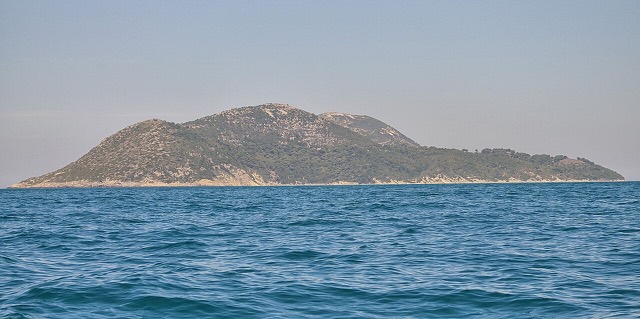
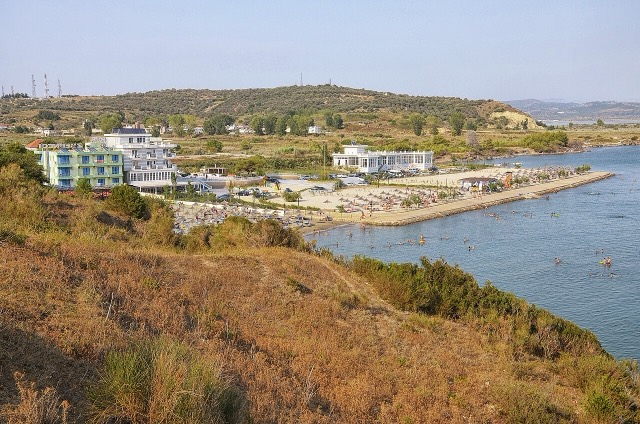
Albania's largest island: a former Italian and then Soviet-era military base at the mouth of the Bay of Vlorë.
Betreff · Durrës
A low cape north of Durrës holding Skanderbeg's sea castle and the church of St Anthony.
Betreff · Vlorë
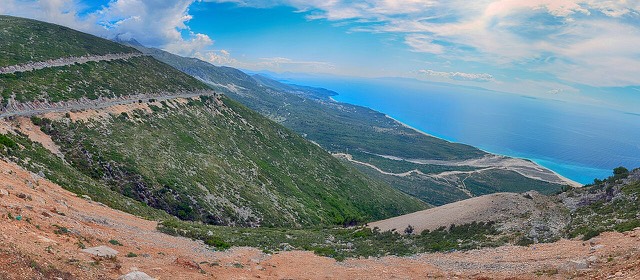
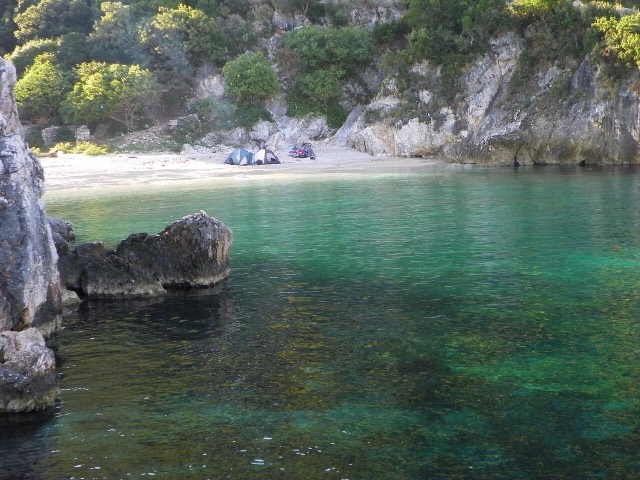
The 120 km of Ionian coast between the Llogara pass and Sarandë, where the Ceraunian mountains fall straight into the sea.
Betreff · Vlorë
A cypress-covered island in the Narta lagoon holding a 13th–14th-century Orthodox monastery.
Betreff
Illyrian kingdoms, Roman roads, five Ottoman centuries, twenty-eight years of independence, forty-six years of the strictest…
Betreff
The Directorate of State Security: the secret police of communist Albania, and the institution the House of Leaves museum was…
Betreff
An upper-middle-income economy of roughly $30 billion, led by services and tourism, with remittances and construction close…
Betreff
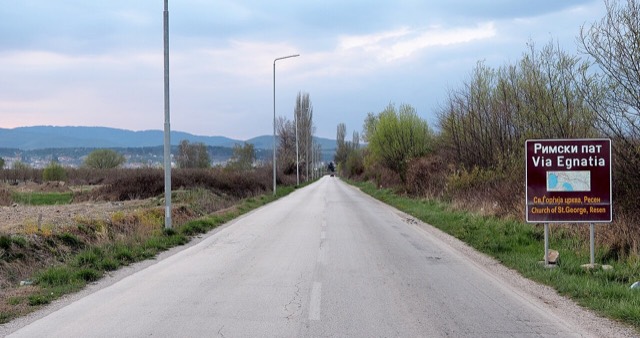
Rome's road from the Adriatic to Byzantium, which began at Durrës and Apollonia.
Betreff · Vlorë
Albania's largest uninhabited peninsula, closed to the public for most of the 20th century and now a marine park.
Betreff · Korçë
Spring-fed canals and plane trees on the Ohrid shore east of Pogradec.