Stad · Korçë
Korçë
The highland city of serenades, the first Albanian-language school, and the country's oldest brewery.
Elke provincie, elke kust, elke eeuw
Begeleidende weergave
Nieuw in Albanië? Elke pagina begint met een uitleg in eenvoudige taal die u aan een tienjarige zou kunnen voorlezen, voordat de details beginnen.
Expertweergave
U kent de basis al. Meteen naar de kern, met de eenvoudige uitleg verborgen. Dit is de standaardinstelling.
Stad
The highland city of serenades, the first Albanian-language school, and the country's oldest brewery.
Opslaan
Korçë is a city high up in the south-east where it snows in winter. It is known for its cafés, its beer, and a style of slow singing called serenata. The first school that taught in the Albanian language opened here in 1887.
Korçë is a city high up in the south-east where it snows in winter. It is known for its cafés, its beer, and a style of slow singing called serenata. The first school that taught in the Albanian language opened here in 1887.
Korçë's origins are directly linked to Ilias Bey Mirahori, a Muslim Albanian convert born in the village of Panarit in the Korçë area. He served as Master of the Stables to Sultan Bayezid II and was the first equerry and conqueror of Psamathia during the Ottoman capture of Constantinople. In 1484 the Sultan awarded him seven villages in the Korçë area — Leshnjë, Vithkuq, Peshkëpi, Boboshticë, Panarit, Treska, and Trebicka — formalised through four successive firmans.
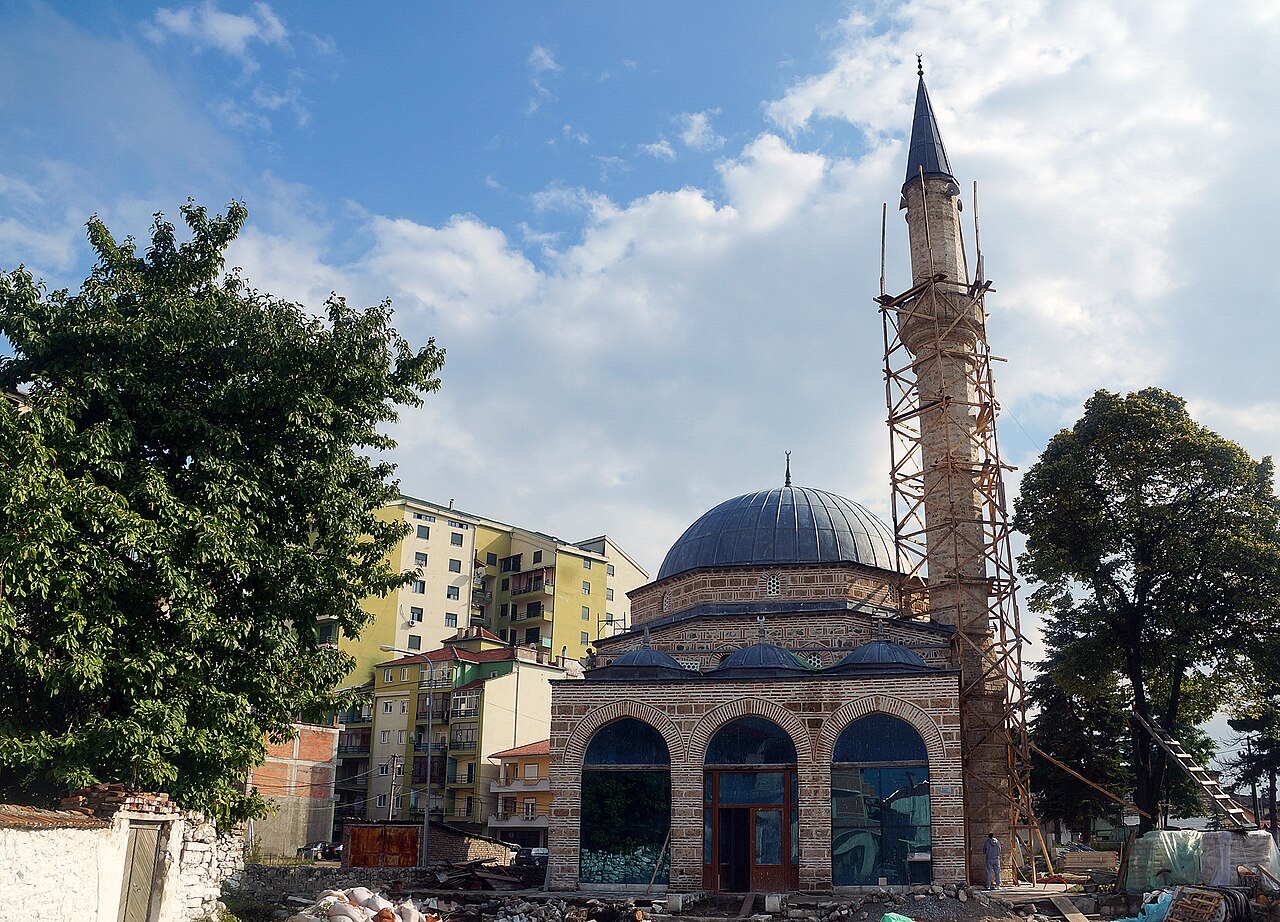
The third firman, issued in 1497, defined the boundaries of a locality called Piskopiye, establishing its demarcation between Mborje, Barç and Bulgarec — territory corresponding to the city of Korçë today. The name Piskopiye (from the Greek Episkopi, meaning a bishop's residence) referred to a separate community from the older fortified settlement of Gorica, to which the name was later attached. Ilias Bey built a mosque, an imaret, a muallim-hane, and a hammam within Piskopiye between 1484 and 1495. The mosque, named after him — the Mirahori Mosque — is considered one of the most important examples of Islamic architecture in Albania and its second oldest mosque after the Sultan's Mosque of Berat.
By establishing religious, educational, and charitable institutions through his vakfa, Ilias Bey aimed to raise the settlement to the rank of kasaba, registering its inhabitants as citizens rather than farmers. The vakfa also served to organise the settlement of Muslim inhabitants in an area that had recently been abandoned by its original Christian population. The Tapu Defter of 1519 records that the nearby village of Mborje, which depended on Korçë, numbered 88 Christian households and 18 Muslim households.
The name Korçë is of Slavic origin, derived from the South Slavic word gorica, meaning 'hill', a very common toponym across the Balkans. It is a diminutive of the Slavic root gora, meaning mountain, which appears in place names throughout Slavic and non-Slavic countries alike, including Albania, Greece, Italy, and Kosovo. Comparable toponyms include Podgorica in Montenegro and Gorizia.
The city is rendered differently across languages: Aromanian uses Curceaua, Curceauã, Curceau, or Curciau; Bulgarian, Macedonian, and Serbian use Горица (Goritsa); Greek uses Κορυτσά (Korytsa); Italian uses Coriza; Romanian uses Corcea or Corița; and Turkish uses Görice. The Albanian definite form is Korça.
Korçë was historically divided into two major neighbourhoods: Kasaba and Varosh. In the 16th century, Muslims constituted 21 percent of the town's population and inhabited Kasaba, which was subdivided into the smaller quarters of Çarshi, Ratak, Qoshk, and Dere — the area containing the institutions founded by Ilias Bey. The Christian population inhabited Varosh, which was divided into Varosh i Sipërm (Upper Varosh) and Varosh i Poshtëm (Lower Varosh).
Upper Varosh was further subdivided into smaller neighbourhoods including Mano, Barç, Jeni-Mahallë, Qiro, Penço, Manço, Manto, and Kala. Lower Varosh consisted of Katavarosh, also known as Lagja e Shën Mërisë, named after a church located there. Görice was incorporated as a sandjak in the Manastir Vilayet of the Ottoman Empire. The new town was initially dominated by the old castle of Mborje, maintained by the Ottomans throughout the 15th and early 16th centuries.
When the nearby town of Moscopole (Voskopojë) was destroyed by Ali Pasha's men in 1789, part of its commerce shifted to Korçë and Berat, and some of its population resettled there. Greek sources note that Aromanian inhabitants of Korçë came both from Moscopole and from the village of Shalës in Kolonjë, with the latter group establishing the Varosh market district. Aromanians from the Arvanitovlach subgroup who arrived in the Korçë area in the early 19th century played a significant role in forming the city's Christian urban class. The geographer Psalidas recorded in 1830 that 100 Aromanian families lived in the Varosh district.
French diplomat François Pouqueville recorded 1,300 families living in the city in 1805, with two thirds being Christian. The population grew from approximately 8,200 in 1875 to 18,000 in 1905, of whom 14,000 adhered to Orthodox Christianity. Researchers including Michael Palairet argue that those counted as 'Greek' at this period were most likely Aromanians. Sources from the early 20th century describe the population as primarily ethnic Albanian. Greek served as the language of the elite, while Albanians were engaged mainly in stockbreeding and agriculture. The inhabitants spoke both Albanian and Greek.
The first Greek-language school in Korçë was established in 1724 with support from residents of nearby Vithkuq. It was destroyed during the Greek War of Independence and reopened in 1830. A Greek school for girls was operating by 1857. Local benefactors, including Ioannis Pangas and Anastas Avramidhi-Lakçe, funded Greek education, and a community fund called the Lasso Fund was established in 1850 by the local Orthodox bishop Neophytos to support Greek cultural activity. By the eve of the Balkan Wars in 1912, 2,115 students were attending Greek-language education in the city.
Around 1850, Naum Veqilharxhi created an Albanian alphabet used to publish small books that briefly circulated in Korçë. The proposal to introduce Albanian into existing Greek Orthodox schools was ultimately rejected by the Ecumenical Patriarchate of Constantinople. In 1884–1887, the Drita ('the Light') organisation, funded by notable local individuals, established an Albanian secondary school for boys, regarded as the first Albanian school in Korçë. Its first director was Pandeli Sotiri, and Naim Frashëri, as a high-ranking official in the Ottoman ministry of education, secured official permission for it. Ottoman authorities permitted only Christian children to be educated in Albanian, but the school admitted Muslim children as well. The school was closed by Ottoman authorities in 1902, at the request of Greek clergy, and its teachers Leonidis and Naum Naça were arrested.
In the late 1880s, Gjerasim Qiriazi began a Protestant mission in Korçë. His sister Sevasti Qiriazi founded the first Albanian girls' school in 1891; the school was subsequently run by Sevasti and Parashqevi Qiriazi together with Polikseni Luarasi (Dhespoti), with later collaboration from the Rev. and Mrs. Grigor Cilka and Rev. and Mrs. Phineas Kennedy of the Congregational Mission Board of Boston. Both the boys' and girls' schools were closed by Ottoman authorities between 1902 and 1904. In 1885, Jovan Cico Kosturi founded the Albanian Cultural Society with co-founders Thimi Marko and Orhan Pojani; suppressed by both Ottoman and Orthodox Church authorities, it continued underground as the Secret Committee of Korça. With the help of the Frashëri brothers, the Secret Committee set up the first Albanian school in March 1887.
The city and its surroundings were assigned to the Principality of Bulgaria under the Treaty of San Stefano (1878), then returned to Ottoman rule by the Treaty of Berlin that same year. Albanian armed bands briefly liberated Korçë from the Ottomans in August 1912. Greek forces captured the city from the Ottomans on 6 December 1912, subsequently imprisoning Albanian nationalists there. Its incorporation into Albania in 1913 was disputed by Greece, which claimed it as part of a region called Northern Epirus. A rebellion by the local Greek-Orthodox population was initially suppressed by Dutch commanders of the Albanian gendarmerie, including the Orthodox Albanian nationalist Themistokli Gërmenji. The local Greek-Orthodox bishop Germanos and other town council members were arrested and expelled.
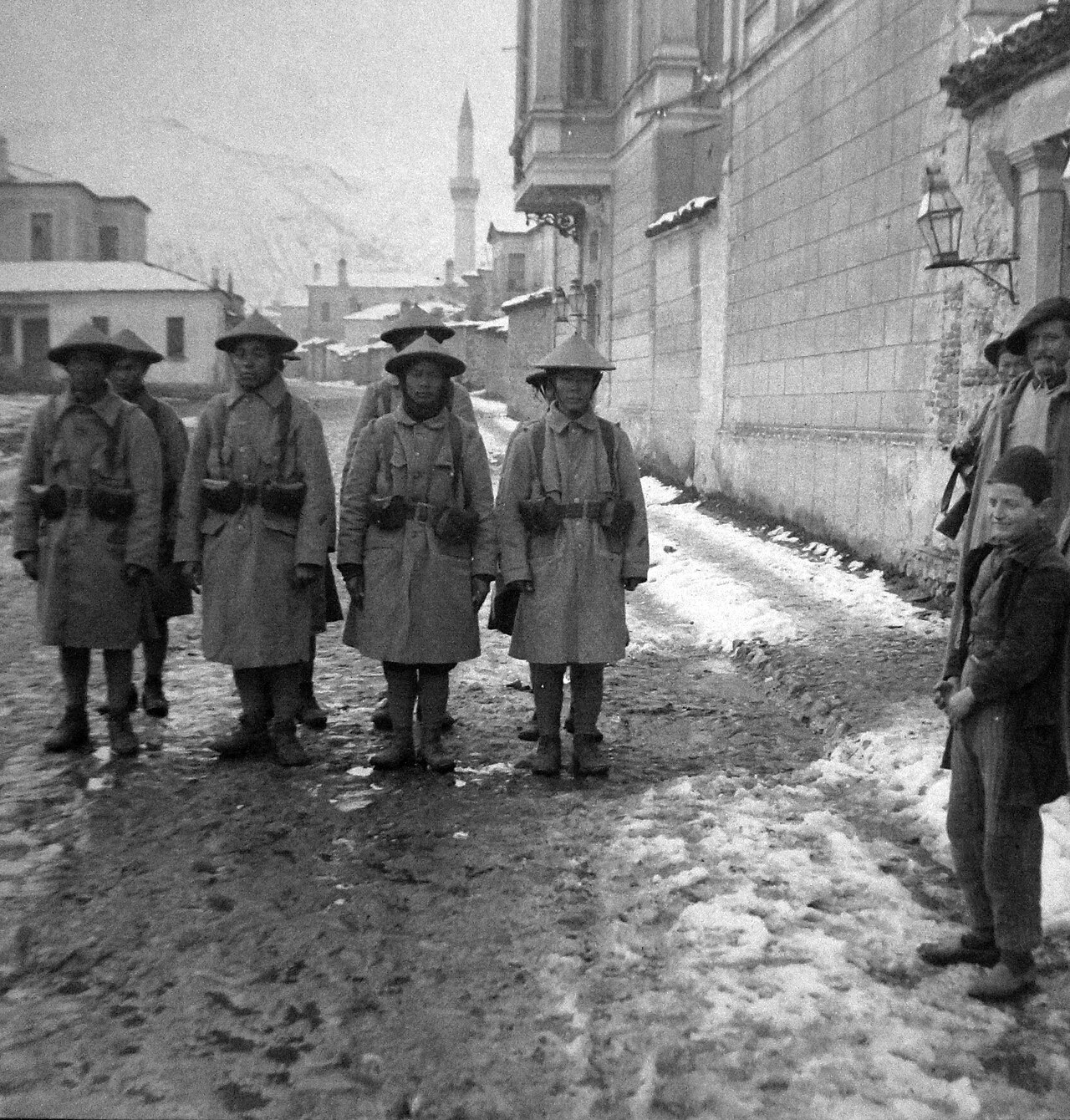
Under the Protocol of Corfu (May 1914), Korçë became part of the Autonomous Republic of Northern Epirus within the borders of the Principality of Albania, but on 10 July 1914 Greek Northern Epirote forces took over the city. A Greek census taken during this occupation counted 15,453 inhabitants: 11,453 designated 'Greeks' and 4,000 designated 'Albanians'. The census did not inquire about ethnicity; it categorised all Christians as Greeks and all Muslims as Albanians. Contemporary ethnographers sympathetic to Greek claims nevertheless considered the city Albanian. In October 1914 the city came again under Greek administration, and during the National Schism of 1916 a local revolt brought it under the control of Venizelos' Movement of National Defence before French forces assumed control.
Albanian çeta guerrilla bands led by Themistokli Gërmenji and Sali Butka resisted Venizelist forces in the region. Butka led 1,500 men towards Korçë and surrounded it, threatening it with the same fate as Moscopole, which his band had burned. French General Maurice Sarrail, after determining that the local Albanian population strongly opposed Greek administration, cabled on 8 December 1916 that French military policy should shift to supporting the Albanian nationalist uprising. Sarrail calculated this would protect his left flank, enable a link-up with Italian forces at Vlorë, and discourage Austrian advances through Albania.
On 10 December 1916, fourteen Albanian delegates — seven Muslims and seven Christians — proclaimed the Autonomous Albanian Republic of Korçë. Colonel Descoins and the fourteen representatives signed a protocol placing the republic under French military protection with Themistokli Gërmenji as president. The French closed Greek schools, expelled Greek clergy and pro-Greek notables, and promoted Albanian education and self-governance. Greek schools were reopened after approximately a year and two months, in February 1918. The republic minted its own coinage, introduced its own flag, and printed its own stamps. According to Stickney, it gave Albanians the opportunity for self-government under light French tutelage.
On 16 February 1918, Sarrail's successor officially abrogated the proclamation and made concessions to Greek interests following Greece's re-entry into the war, though the republic continued to function on the ground. Gërmenji was subsequently executed on accusations of being an Austrian spy; it later became clear that the military tribunal had been misled by Greek informers. In response, Sali Butka gathered a force of 20,000 Albanians and surrounded Korçë again, compelling the French to hand the city to the Albanians rather than the Greeks. A League of Nations commissioner, Finnish professor Jakob Sederholm, noted in 1922 that the population of Korçë was 'entirely Albanian; the numbers of Greeks being insignificant.' The city ultimately remained part of Albania as determined by the International Boundary Commission, which affirmed the country's 1913 borders.
Italian forces occupied Korçë in 1939 along with the rest of Albania. During the Greco-Italian War the city served as the main forward base of the Italian air force. Greek forces captured Korçë on 22 November 1940 during the first phase of the Greek counter-offensive, and the city remained under Greek control until the German invasion of Greece in April 1941. After Italy's withdrawal from the war in 1943, Germany occupied the town until 24 October 1944.
During the occupation, Korçë became a major centre of communist-led resistance. The Albanian Party of Labour — the Communist Party — was formally proclaimed in Korçë in 1941. Albanian rule was restored in 1944 following the withdrawal of German forces. Popular revolts in February 1991 ended with the tearing down of Hoxha's statue in the city. After 1990, Korçë was one of six Albanian cities where the New Democratic Party won all constituencies.
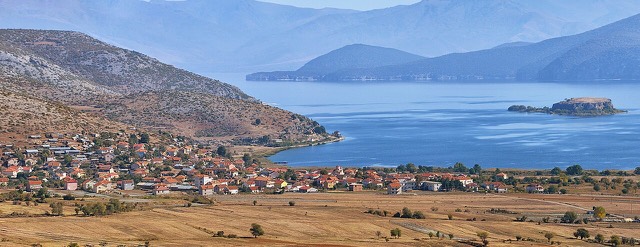
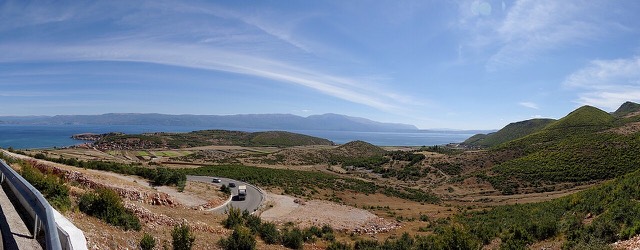
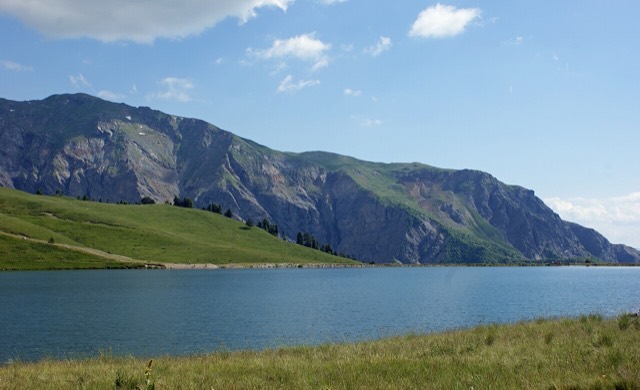
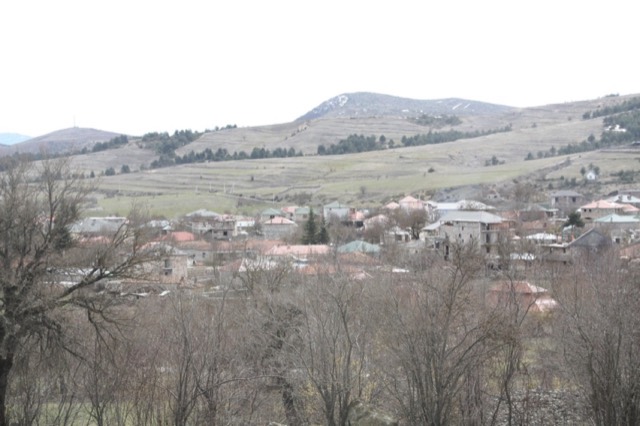
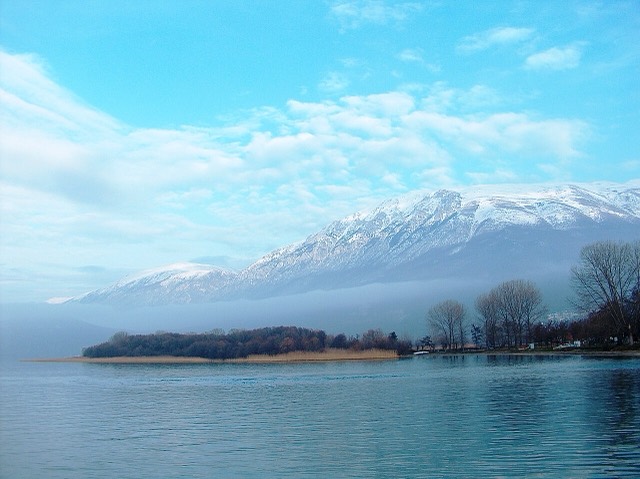
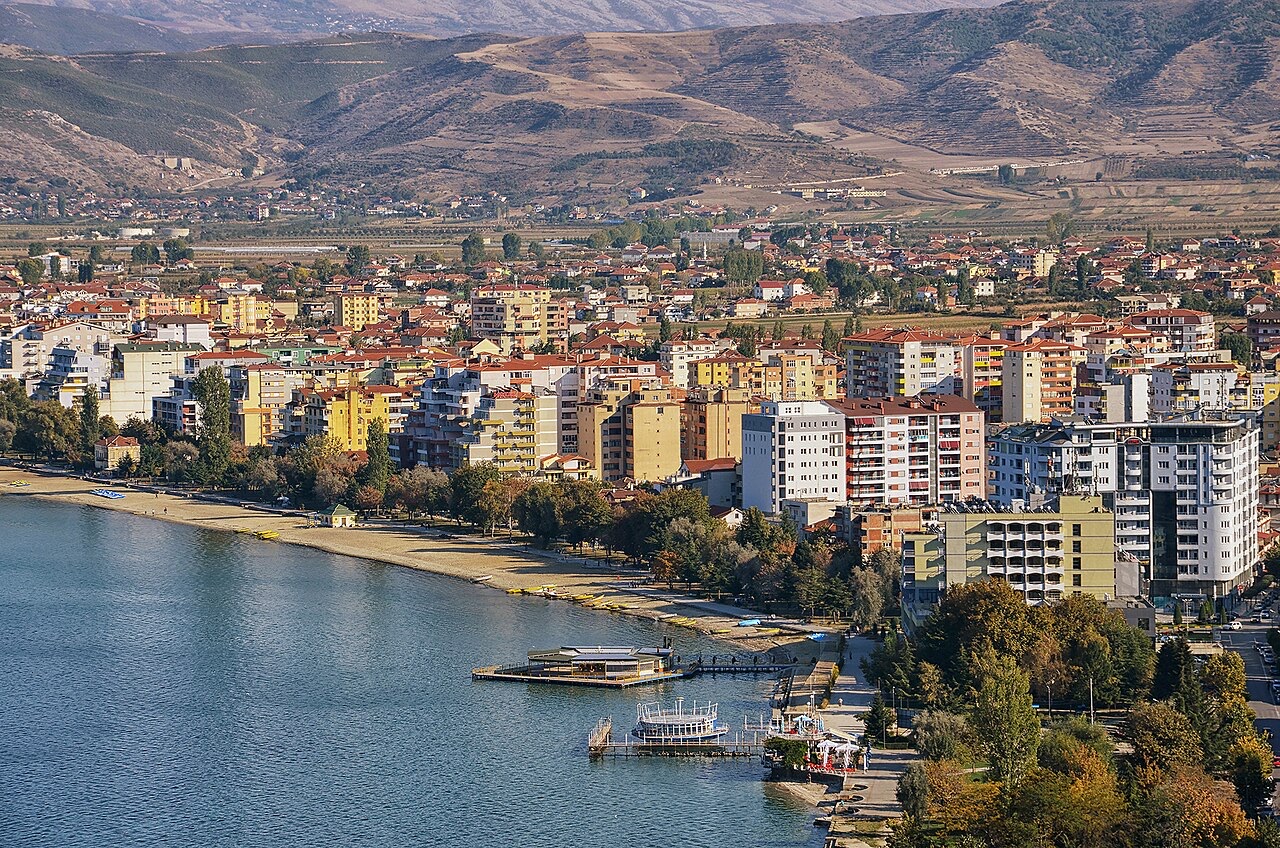
Korçë stands on a plateau approximately 850 metres (2,789 ft) above sea level, surrounded by the Morava Mountains. The municipality, covering a total area of 806 km² (311 sq mi), falls within Korçë County in the Southern Region of Albania and comprises the administrative units of Drenovë, Lekas, Mollaj, Qendër Bulgarec, Vithkuq, Voskop, Voskopojë, and the city itself as seat.
Under the Köppen classification, Korçë falls within the warm-summer Mediterranean climate zone (Csb, bordering on Dsb). The average annual temperature is 10.4 °C (50.7 °F). August is the warmest month at an average of 21.3 °C (70.3 °F); January is the coldest at an average of −0.8 °C (30.6 °F). Annual precipitation averages 766.7 mm (30.19 in), with a summer minimum and winter maximum. The city receives approximately 2,800 hours of solar radiation per year. Temperatures are generally cooler than those of western Albania due to the middle-altitude position of the plain.
Korçë has functioned as a significant religious centre for both Orthodox Christians and Muslims over several centuries, and hosts Sunni, Bektashi, and smaller Catholic and Protestant communities. The Korçë district was initially part of the Metropolis of Kastoria in the 15th century, becoming the seat of an Orthodox bishop in the early 17th century and being elevated to a metropolitan bishopric in 1670. The city remained entirely Christian until the first half of the 16th century. The Orthodox Cathedral of Saint George, a significant city landmark, was demolished by the authorities of the People's Republic of Albania during their atheistic campaign.
The St. Sotir Church, which serves the Aromanian community, was built between 1995 and 2005. An earlier church on the same site had been completed in 1925 but was demolished by the Albanian communist authorities in 1959. The main centre of the Bektashis in the area is the Turan Takya. Islam entered the city in the 15th century through Iljaz Hoxha, an Albanian janissary who participated in the Fall of Constantinople; the Iliaz Mirahori Mosque, built in 1484, is one of the oldest mosques in Albania. The second Albanian Protestant church was opened in Korçë; the city's Evangelical Church was closed by Italian fascist forces in 1940. In 2009, a madrassa was built and is operated by the Muslim Community of Albania.
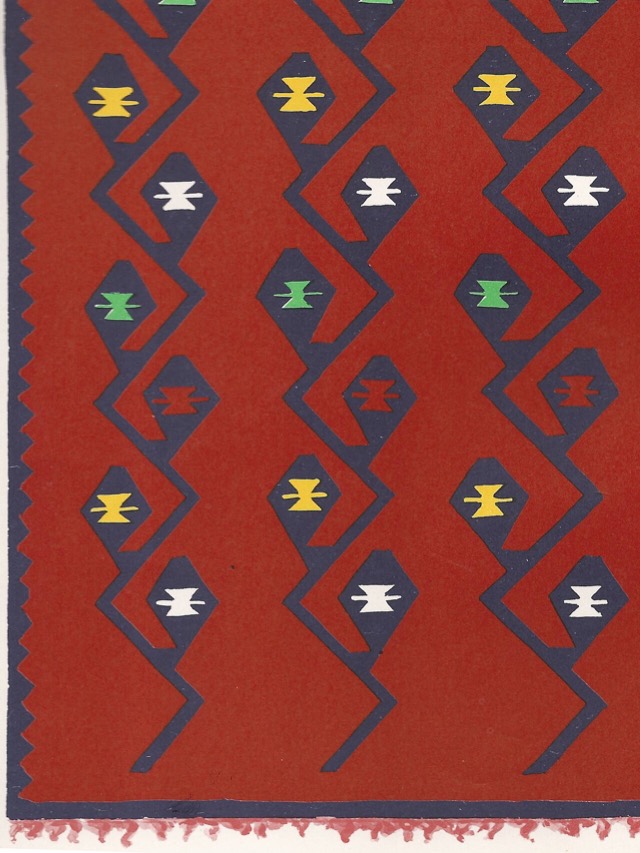
Under Enver Hoxha's rule, Korçë developed substantial industrial capacity alongside its historic roles as a commercial and agricultural centre. Local industries include knitwear, rugs, textiles, flour-milling, brewing, and sugar-refining. The city is home to Birra Korça, a nationally prominent brewery. Official reports indicate one of the lowest unemployment rates in Albania, with the majority of foreign investment originating from Greek and joint Albanian-Greek enterprises.
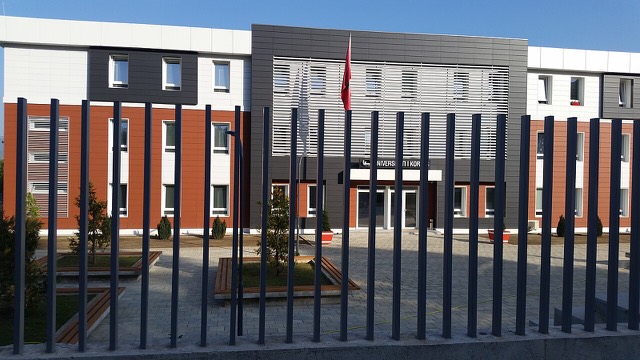
Fan Noli University, founded in 1971, provides degrees in the humanities, sciences, and business, including schools of Agriculture, Teaching, Business, Nursing, and Tourism. A bilingual Greek-Albanian school opened in April 2005, the first Greek-language institution in the city after approximately 60 years of prohibition; an additional 17 Greek language tutoring centres operate in the city. The National Museum of Medieval Art holds approximately 7,000 icons and 500 other objects in textile, stone, and metal. The Andon Zako Çajupi Theatre has operated continuously since 1950.
Korçë is known for its annual carnival held before Orthodox Easter, described as the largest in Albania, with a tradition of approximately 40 years. The city is associated with a local song form called serenata. The municipality organises an annual Lakror Festival celebrating lakror, a regional Albanian pie. The city is the birthplace of Androniqi Zengo Antoniu and Sofia Zengo Papadhimitri, described as Albania's first women to work as professional painters; their father Vangjel Zengo was a notable icon painter. The football club Skënderbeu Korçë, founded on 15 April 1909 under the name Vllazëria by Hilë Mosi, won the Albanian championship in 1933 and again in 2011, 2012, 2013, 2014, 2015, 2016, and 2018. In 2015 the club became the first Albanian side to reach the play-off round of the UEFA Champions League and the first Albanian club to qualify for the group stage of European competition.
De warmste maand is August (gemiddeld dagelijks maximum 28°C), de koudste is January (gemiddeld dagelijks minimum -2°C), en de natste is December (90 mm). De gemiddelde jaarlijkse neerslag bedraagt 721 mm.
| Maand | Maximum | Minimum | Neerslag | Natte dagen | Zon/dag |
|---|---|---|---|---|---|
| January | 5°C | -2°C | 79 mm | 10 | 6.3 h |
| February | 6°C | -2°C | 72 mm | 10 | 7.5 h |
| March | 10°C | 1°C | 75 mm | 11 | 8.8 h |
| April | 14°C | 4°C | 67 mm | 12 | 10.3 h |
| May | 20°C | 9°C | 61 mm | 11 | 11.5 h |
| June | 24°C | 14°C | 34 mm | 8 | 13.4 h |
| July | 27°C | 16°C | 23 mm | 5 | 13.6 h |
| August | 28°C | 17°C | 20 mm | 5 | 12.6 h |
| September | 22°C | 12°C | 48 mm | 6 | 10.3 h |
| October | 17°C | 8°C | 66 mm | 8 | 8.6 h |
| November | 12°C | 3°C | 84 mm | 10 | 6.4 h |
| December | 6°C | -1°C | 90 mm | 11 | 5.7 h |
Bron: ERA5 reanalysis via Open-Meteo, 1994–2023 · "Maximum" en "Minimum" zijn het gemiddelde dagelijkse maximum en minimum van de luchttemperatuur. "Natte dagen" telt dagen met ten minste 1 mm neerslag.
Stad · Korçë
The highland city of serenades, the first Albanian-language school, and the country's oldest brewery.
Meer · Korçë
A high tectonic lake where Albania, Greece and North Macedonia meet, draining underground into Ohrid.
Historische site · Korçë
Six surviving basilicas of a town that once rivalled any city in the Balkans, covered inside with frescoes.
Meer · Korçë
One of Europe's oldest and deepest lakes, UNESCO-listed and home to species found nowhere else.
Plaats · Korçë
The seat of Devoll municipality, on the Greek border in an apple-growing plain.
Historische site · Korçë
Floor mosaics of birds and vines from a hilltop basilica above Lake Ohrid.
Plaats · Korçë
A lakeside town on Ohrid, a UNESCO natural and cultural site shared with North Macedonia.
Dorp · Korçë
In the 18th century one of the largest towns in the Balkans; today a village of frescoed churches.
Dorp · Korçë
A stone village at 1,340 m in the Morava mountains, one of Albania's small ski destinations.
Dorp · Korçë
A peninsula village on Lake Ohrid with a 6th-century basilica floor mosaic and a prehistoric pile settlement.
The Albanian share of a three-country park around the Great and Small Prespa lakes.
A town on a drained marsh plain, built around a sugar refinery in the 1950s.
Spring-fed canals and plane trees on the Ohrid shore east of Pogradec.
The public university of the south-eastern highlands.
Stad · Berat
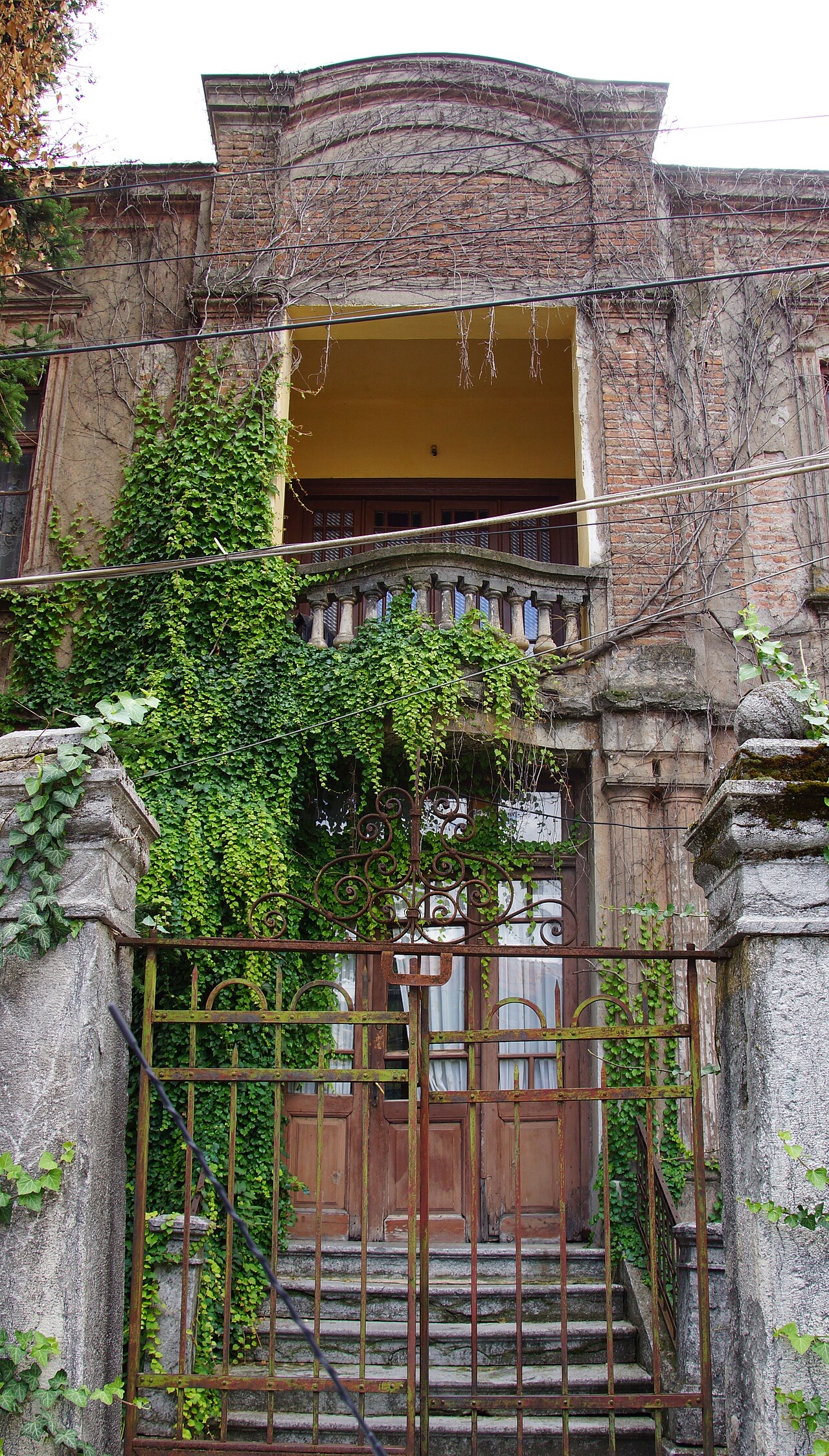
The 'city of a thousand windows': an Ottoman hill town under a still-inhabited castle, UNESCO-listed since 2008.
County
Albania's mountain interior on the North Macedonian border, containing Mount Korab.
Stad · Elbasan
A central industrial city inside an Ottoman fortress wall, on the old Via Egnatia.
Stad · Gjirokastër
The 'stone city': slate-roofed tower houses on a steep slope beneath one of the Balkans' largest castles.
Meer · Korçë
A high tectonic lake where Albania, Greece and North Macedonia meet, draining underground into Ohrid.
Historische site · Korçë
Six surviving basilicas of a town that once rivalled any city in the Balkans, covered inside with frescoes.
Meer · Korçë
One of Europe's oldest and deepest lakes, UNESCO-listed and home to species found nowhere else.
Plaats · Korçë
The seat of Devoll municipality, on the Greek border in an apple-growing plain.
Historische periode
The Rilindja: the League of Prizren, the fight for an alphabet, and the first Albanian-language school.
Onderwerp
An independent branch of the Indo-European family with no close living relative, written in a 36-letter Latin alphabet.
Persoon
The Orthodox bishop who translated Shakespeare into Albanian and led a government for six months.
Vergelijking
The highland city and the lake town, 40 km apart in Albania's south-east.
Drinken
Home-distilled grape or plum spirit, offered to guests and made in most rural households.
Universiteit · Korçë
The public university of the south-eastern highlands.
Iets onjuist op deze pagina? Correcties zijn welkom en worden gecontroleerd aan de hand van de bronregistratie. Laat ons weten wat onjuist is en, indien mogelijk, waar het juiste cijfer vandaan komt.