Localidad · Lezhë
Lezhë
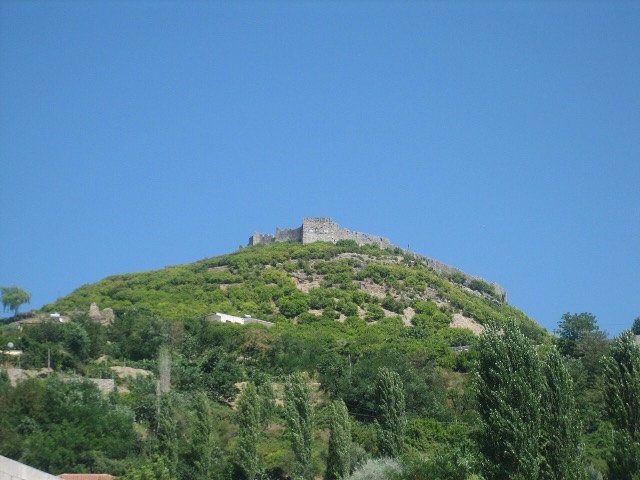
Where the Albanian princes swore their 1444 league, and where Skanderbeg is buried.
Cada condado, cada costa, cada siglo
Vista guiada
¿Nuevo en Albania? Cada página comienza con una explicación en lenguaje sencillo que cualquiera podría entender, antes de entrar en los detalles.
Vista experta
Ya conoces los fundamentos. Directo al contenido, con las explicaciones básicas ocultas. Esta es la vista predeterminada.
Bebida
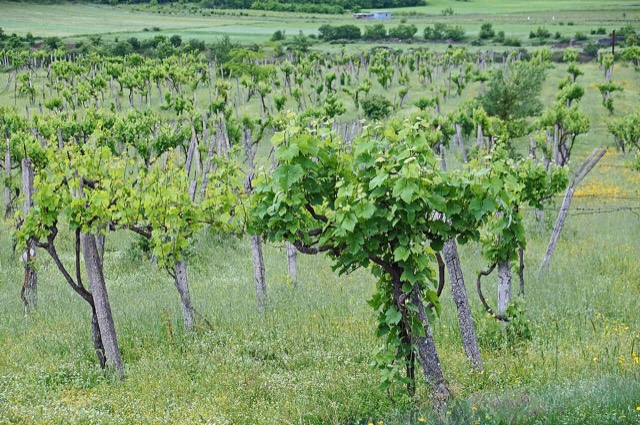
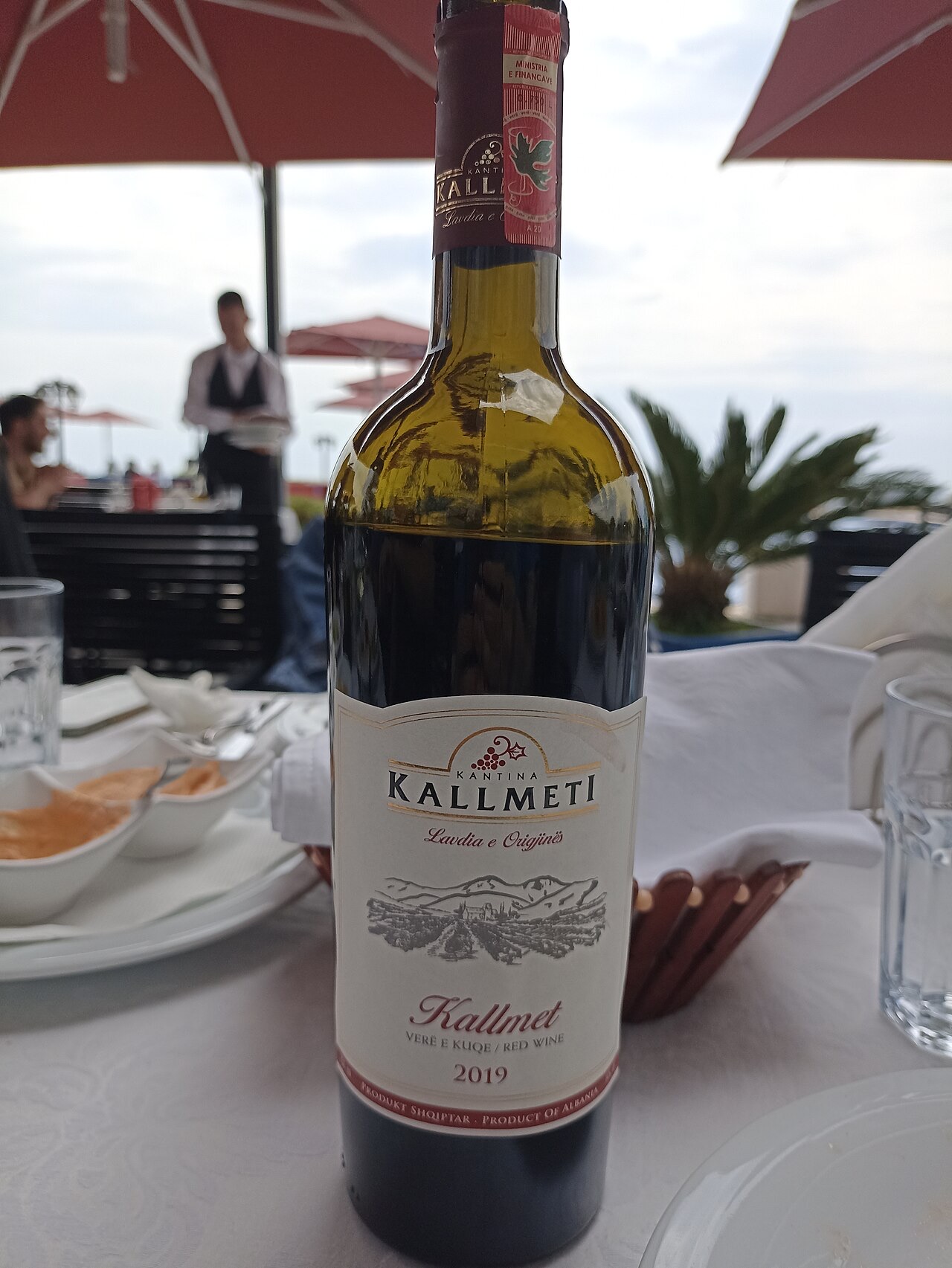
A dark northern red grape from the Lezhë–Shkodër zone, related to Hungary's Kadarka.
Guardar Esbozo
Kallmet is a red grape grown in the north of Albania, around Lezhë and Shkodër. It makes deep coloured wine and is related to a grape grown in Hungary.
Kallmet is a red grape grown in the north of Albania, around Lezhë and Shkodër. It makes deep coloured wine and is related to a grape grown in Hungary.
Localidad · Lezhë
Where the Albanian princes swore their 1444 league, and where Skanderbeg is buried.
Guía
Native grapes you cannot get elsewhere, in six regions, mostly at small family wineries.
Bebida
A wine culture running back to Illyrian times, rebuilt after 1990 around native grapes.
¿Algo incorrecto en esta página? Las correcciones son bienvenidas y se contrastan con el registro fuente. Indíquenos qué es incorrecto y, si puede, de dónde procede el dato correcto.