Tarihi alan · Gjirokastër
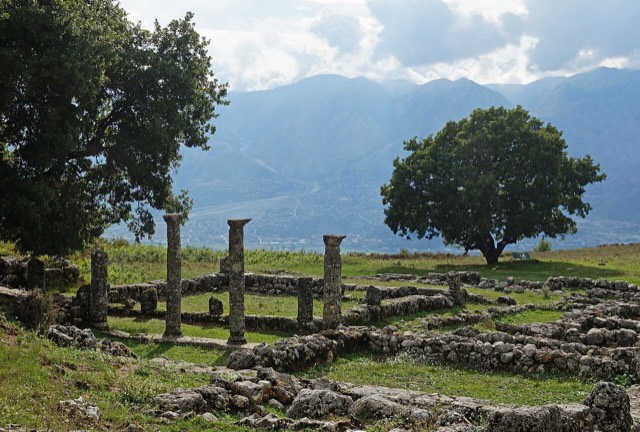
Antigonea
A short-lived Epirote city founded by King Pyrrhus and burned by Rome in 167 BC.
Her il, her kıyı, her yüzyıl
Rehberli görünüm
Arnavutluk'a yeni misiniz? Her sayfa, ayrıntılara geçmeden önce on yaşında bir çocuğa okuyabileceğiniz sade bir açıklamayla başlar.
Uzman görünümü
Temel bilgileri zaten biliyorsunuz. Sade açıklamalar gizli, doğrudan özüne geçin. Bu varsayılan ayardır.
Tarihi alan · Gjirokastër County
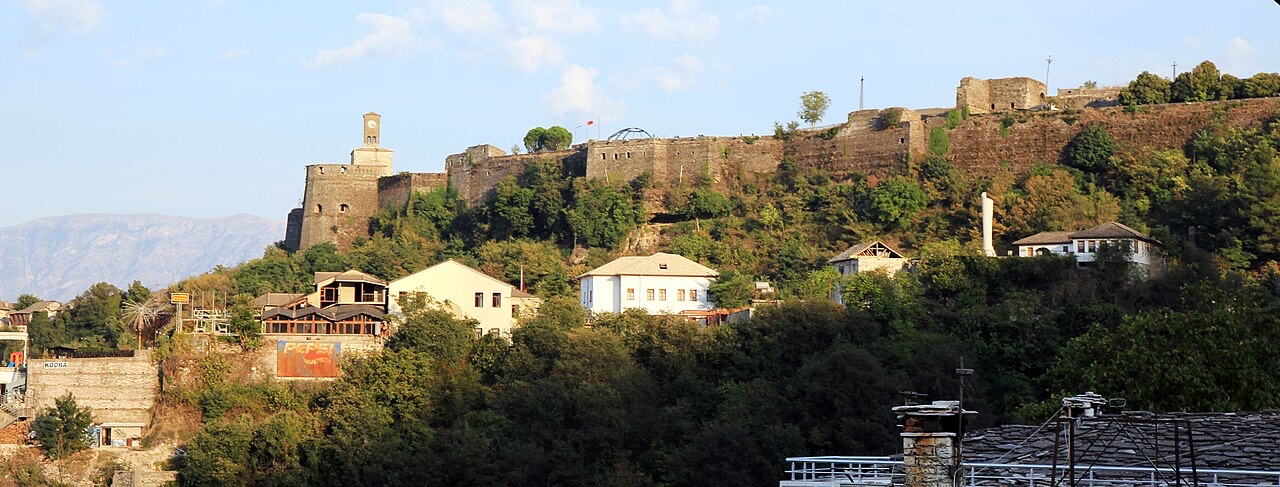
One of the largest castles in the Balkans, holding an artillery gallery and a captured US aircraft.
Kaydet
Gjirokastër Castle is enormous, with a long stone tunnel full of old cannons. Outside sits an American plane that came down in Albania in 1957 during the Cold War. A folk music festival is held in the castle every few years.
Gjirokastër Castle is enormous, with a long stone tunnel full of old cannons. Outside sits an American plane that came down in Albania in 1957 during the Cold War. A folk music festival is held in the castle every few years.
Gjirokastër Castle stands at an elevation of 336 metres (1,102 ft) above sea level, positioned on high ground that allows it to dominate the town of Gjirokastër below. Its situation is strategically significant: the castle overlooks the river valley route that has historically served as a major corridor through this part of southern Albania.
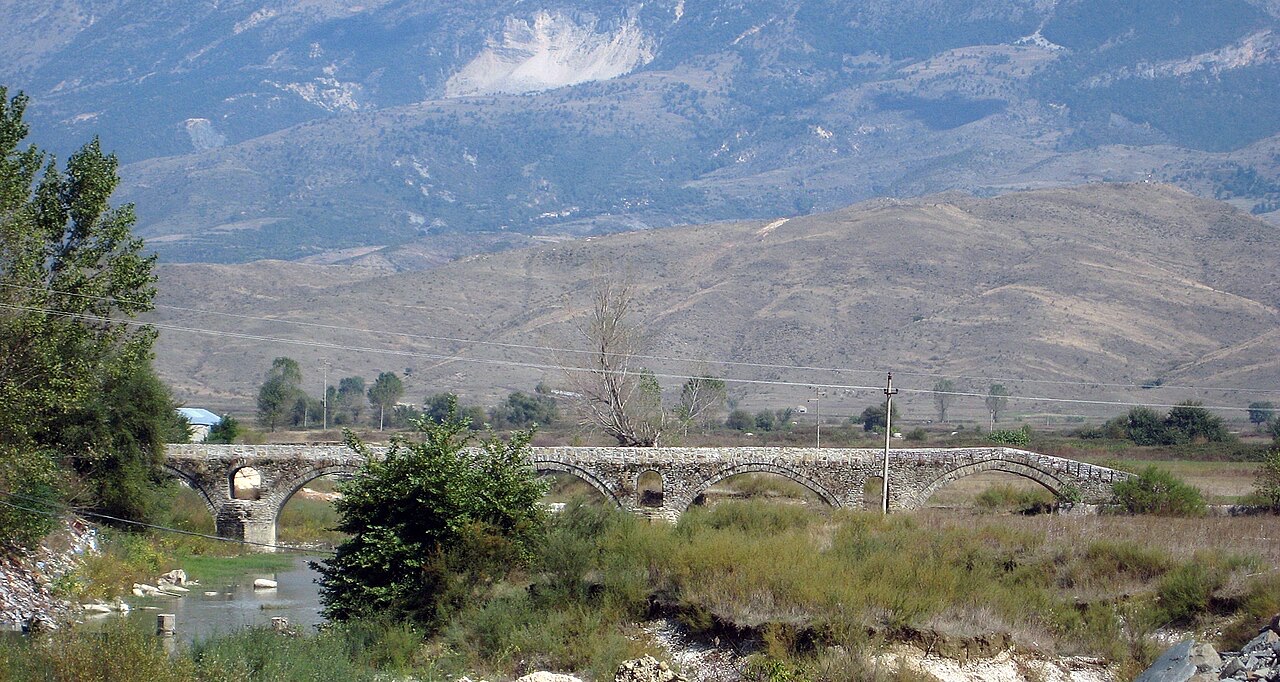
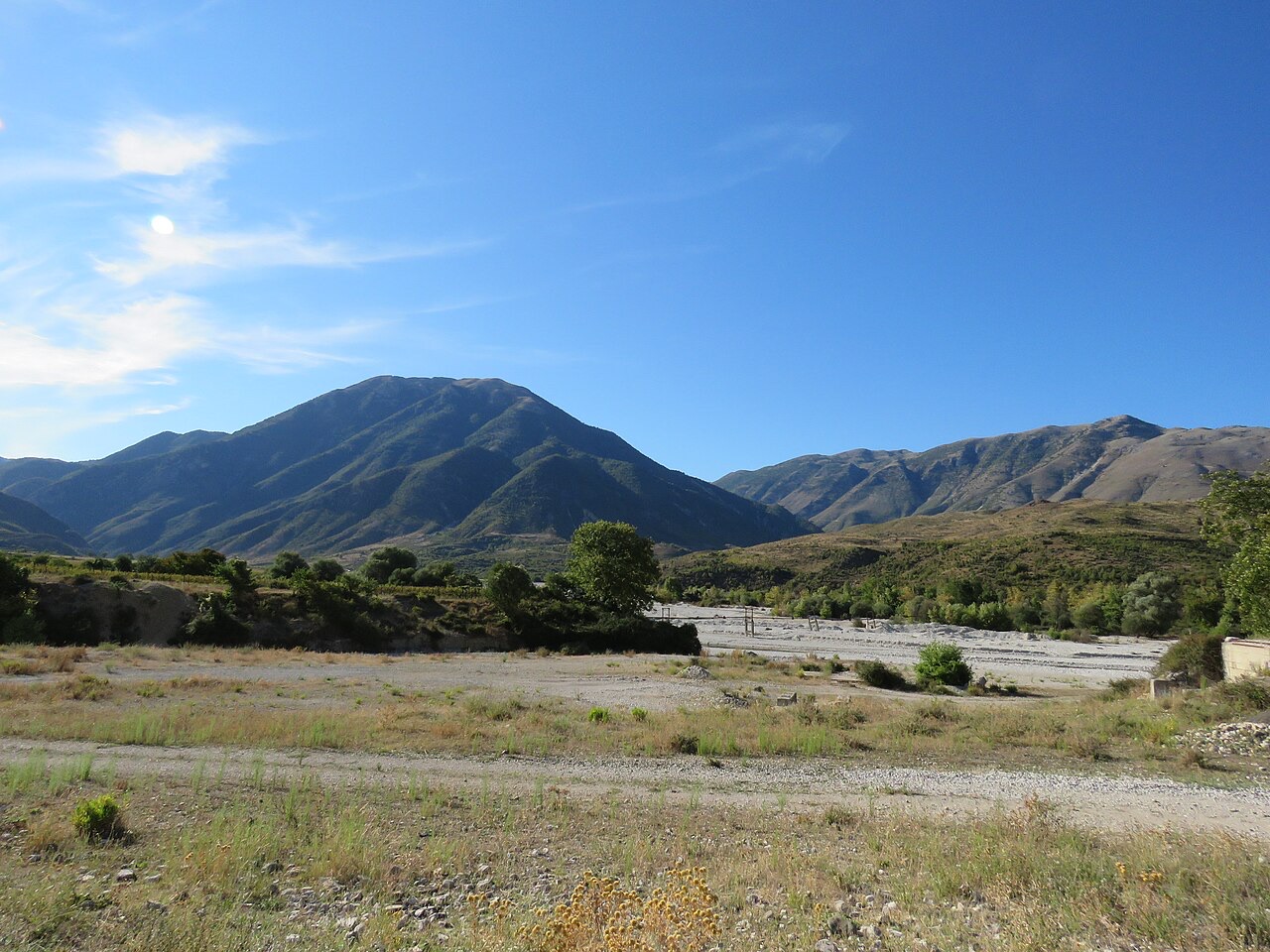
The castle's commanding position made it a natural choice for military and administrative control of the surrounding region across successive periods of occupation and governance. The site also includes a Bektashi tyrbe, indicating its layered religious and cultural significance beyond purely military use.
The castle and town carry several names reflecting successive periods of political control. The Albanian names for the castle are Kalaja e Gjirokastrës and Kalaja e Argjirosë. During the period of Ottoman rule, the settlement was known as Ergiri. Greek sources referred to it as Argyrokastro, a name applied both to the town and to the castle itself.
The Albanian folkloric figure of Princess Argjiro is embedded in the castle's local naming tradition. Her name connects to the Argjirosë variant and reflects how oral tradition intertwined with the site's identity over centuries.
The citadel is documented as having existed in various forms since before the 12th century, though precise details of its earliest construction are not established in the historical record. This makes it one of the older continuously occupied fortified sites in the region.
Local Albanian folkloric tradition places Princess Argjiro at the castle in the 15th century. According to this tradition, she jumped from the castle walls with her child rather than be captured by the Ottomans. The story has persisted as a central element of the castle's cultural identity. Albanian author Ismail Kadare drew on the figure of Argjiro in a poem written in the 1960s, demonstrating the legend's continued resonance into the modern period.
The most significant documented phase of physical transformation came under Ali Pasha of Tepelene, who carried out extensive renovations and added a westward extension to the castle after 1812. Ali Pasha was one of the most powerful regional rulers in the western Ottoman Empire during the late 18th and early 19th centuries, and his building works at Gjirokastër reflected the castle's continued strategic and political importance.
The additions made under Ali Pasha substantially shaped the structure as it stands today, integrating new fortified elements into the existing medieval fabric of the site.
In 1932, the government of King Zog expanded the castle's prison. This expansion formalized the castle's use as a site of state detention, a function that had practical and symbolic dimensions in the political context of interwar Albania.
The prison facilities established or enlarged during this period were subsequently used by successive governments. Zog's government made active use of the castle prison, and it continued to hold political prisoners during the Communist regime that followed. The castle thus served as a tool of political control across at least two distinct governing systems.
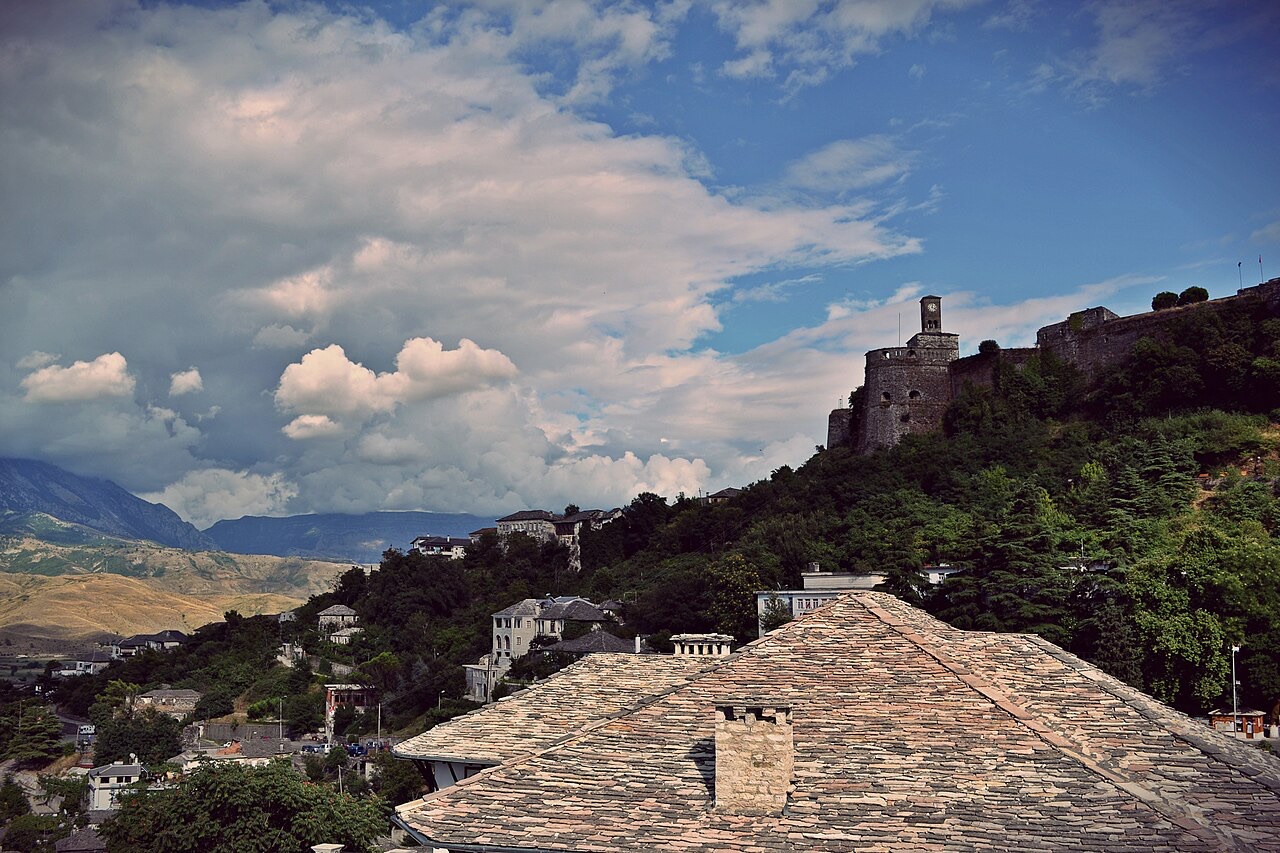
During the Communist period, the castle's prison housed political prisoners, continuing the detention function that had been expanded under Zog. The regime also used the site to construct a particular historical narrative through its military museum.
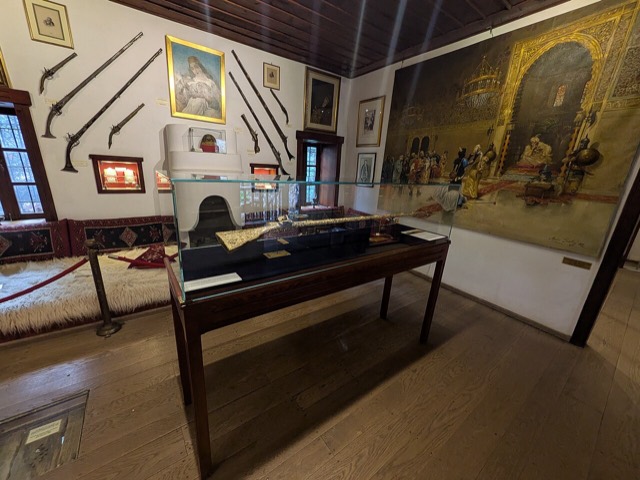
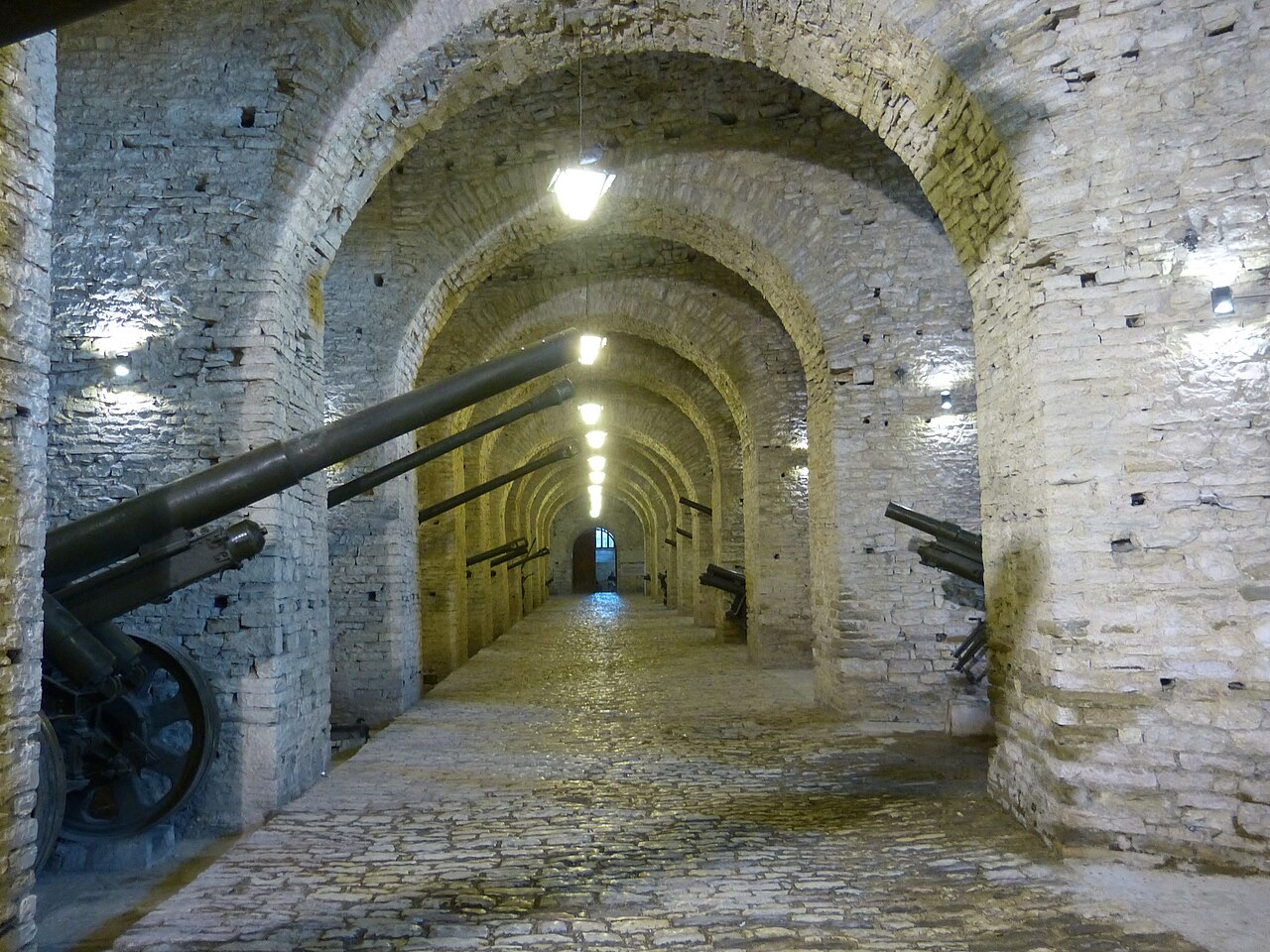
The museum as it now exists features captured artillery and memorabilia relating to Communist resistance against the German occupation during the Second World War. It also displays a captured United States Air Force aircraft, included to commemorate what the Communist regime framed as its struggle against Western powers. These exhibits reflect the ideological purposes to which the castle was put during that era.
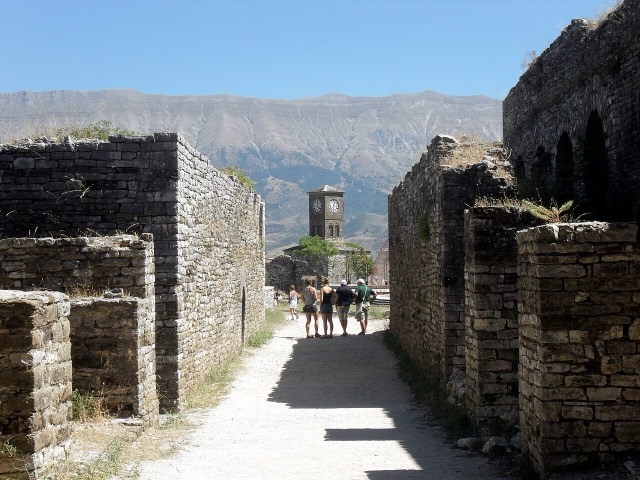
The castle today contains five towers. Within the complex are the Gjirokastër Museum (described as the new museum), a clock tower, two teke, a cistern, and the stage used for the National Folk Festival. A Bektashi tyrbe is also part of the site. The military museum with its captured weapons and aircraft forms one distinct element of the broader complex.
The range of structures within the walls — religious, civic, cultural, and military — reflects the castle's accumulated functions across different historical periods rather than a single coherent building programme. The National Folk Festival stage in particular marks the castle's contemporary role as a venue for large cultural events.
Gjirokastër Castle is under UNESCO protection. The castle is considered one of the most important historical monuments in Albania and is recognised as a significant example of military architecture in the Balkans.
Its UNESCO status connects it to the broader recognition of the historic centres of Berat and Gjirokastra, placing it within a framework of international heritage designation that covers the wider urban and architectural environment of the town, not the castle alone.
The castle is open to visitors and functions as one of the more prominent tourist sites in Albania. In the period from January to May 2018, it received more than 10,000 Albanian and foreign visitors. This represented more than double the 4,700 visitors recorded during the same five-month period in 2017, indicating significant growth in visitor numbers over that interval.
No explanation for the increase is given in the available record, and it is not clear whether the growth continued beyond the period cited. The castle also serves as a venue for cultural events, a function that may draw attendees beyond those visiting primarily for heritage or tourism purposes.
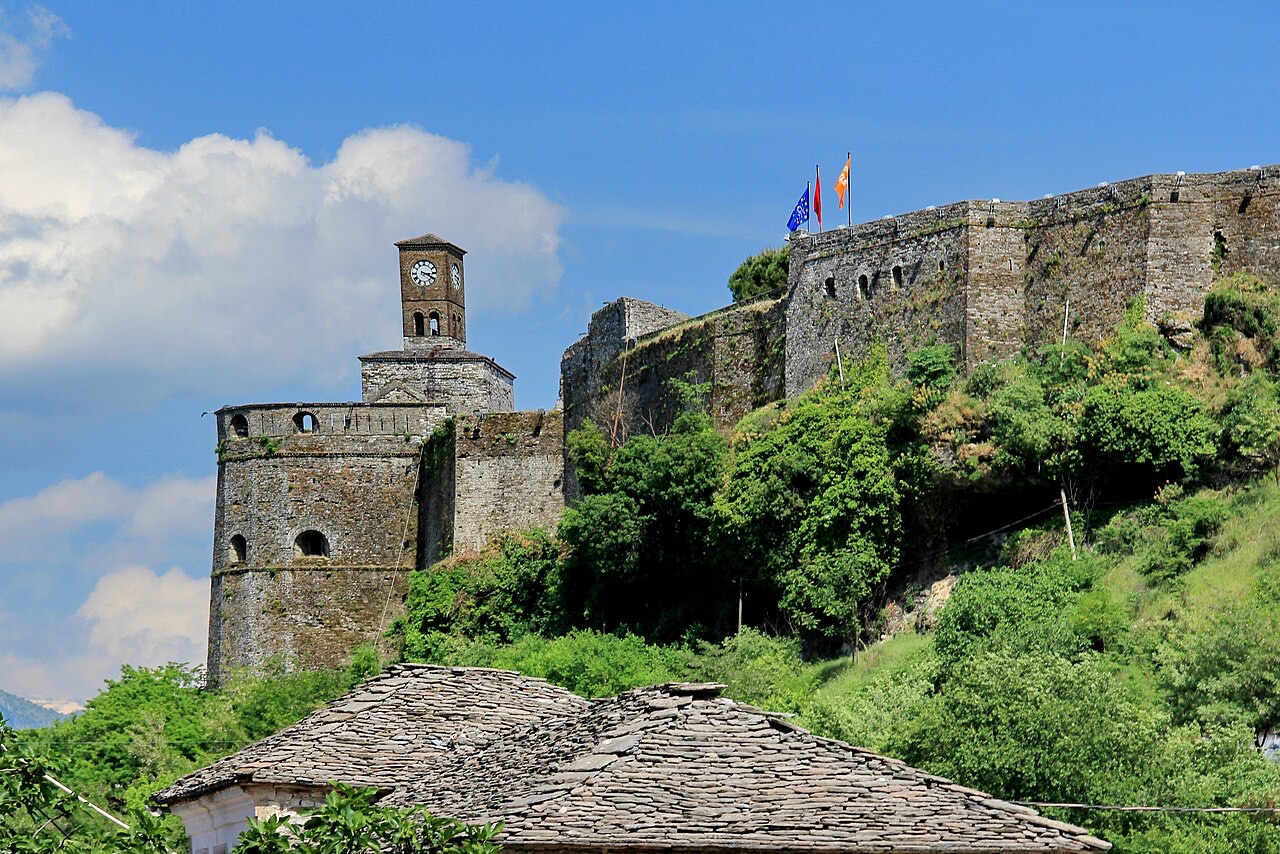
Gjirokastër Castle is described as a significant example of military architecture in the Balkans. Its structural history spans from before the 12th century through the early 19th century, with the Ali Pasha additions of post-1812 representing the last major fortification programme recorded.
The castle's combination of medieval foundations, Ottoman-era modifications, and later administrative and penal uses makes it an unusually layered site. Its strategic position over the river valley route underlines why successive powers — Byzantine, Ottoman, and Albanian state governments — found it worth controlling, expanding, and adapting across more than eight centuries of documented occupation.
En sıcak ay August (günlük azami sıcaklık ortalaması 30°C), en soğuk ay ise January (günlük asgari sıcaklık ortalaması 2°C), ve en yağışlı ay November (253 mm). Yıllık toplam yağış ortalaması 1,582 mm.
| Ay | Azami | Asgari | Yağış | Yağışlı gün | Güneş/gün |
|---|---|---|---|---|---|
| January | 10°C | 2°C | 195 mm | 13 | 6.8 h |
| February | 11°C | 3°C | 163 mm | 12 | 7.6 h |
| March | 14°C | 4°C | 153 mm | 12 | 9.2 h |
| April | 17°C | 8°C | 114 mm | 13 | 10.7 h |
| May | 22°C | 12°C | 90 mm | 11 | 11.9 h |
| June | 26°C | 16°C | 48 mm | 8 | 13.6 h |
| July | 30°C | 19°C | 22 mm | 4 | 13.8 h |
| August | 30°C | 19°C | 29 mm | 5 | 12.8 h |
| September | 25°C | 16°C | 120 mm | 9 | 10.6 h |
| October | 20°C | 12°C | 160 mm | 10 | 9.0 h |
| November | 15°C | 8°C | 253 mm | 13 | 6.8 h |
| December | 11°C | 4°C | 235 mm | 14 | 6.2 h |
Kaynak: ERA5 reanalysis via Open-Meteo, 1994–2023 · "Azami" ve "Asgari", günlük ortalama maksimum ve minimum hava sıcaklıklarıdır. "Yağışlı gün", en az 1 mm yağış düşen günlerin sayısını ifade eder.
Tarihi alan · Gjirokastër
A short-lived Epirote city founded by King Pyrrhus and burned by Rome in 167 BC.
Şehir · Gjirokastër
The 'stone city': slate-roofed tower houses on a steep slope beneath one of the Balkans' largest castles.
Kişi
The 'Lion of Ioannina': an Ottoman governor who built his own state, courted Britain and France, and was finally killed for it.
Konu
Multipart unaccompanied singing over a held drone, inscribed by UNESCO in 2005.
Bu sayfada bir hata mı var? Düzeltmeler memnuniyetle karşılanır ve kaynak kayıtla karşılaştırılarak kontrol edilir. Neyin yanlış olduğunu ve mümkünse doğru rakamın kaynağını bize bildirin.