Historic site · Tiranë
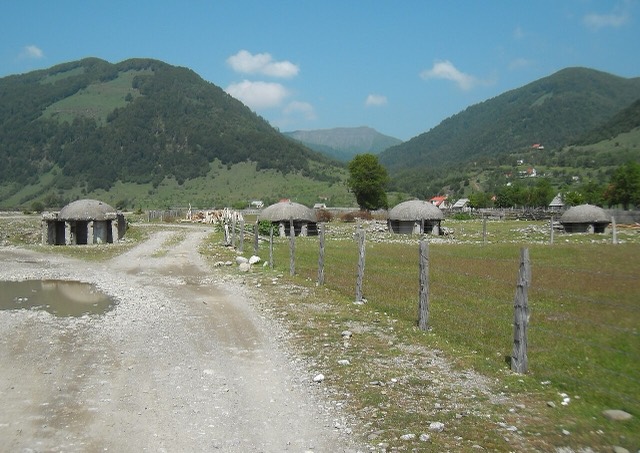
Albania's Bunkers
Roughly 170,000 concrete pillboxes built under Enver Hoxha — the most visible physical legacy of the communist state.
Every county, coast and century
Guided view
New to Albania? Every page opens with a plain-language explanation you could read to a ten-year-old, before the detail begins.
Expert view
You already know the basics. Straight to the substance, with the simple explanations hidden. This is the default.
Places
Historic site · Tiranë
Roughly 170,000 concrete pillboxes built under Enver Hoxha — the most visible physical legacy of the communist state.
Historic site · Tiranë
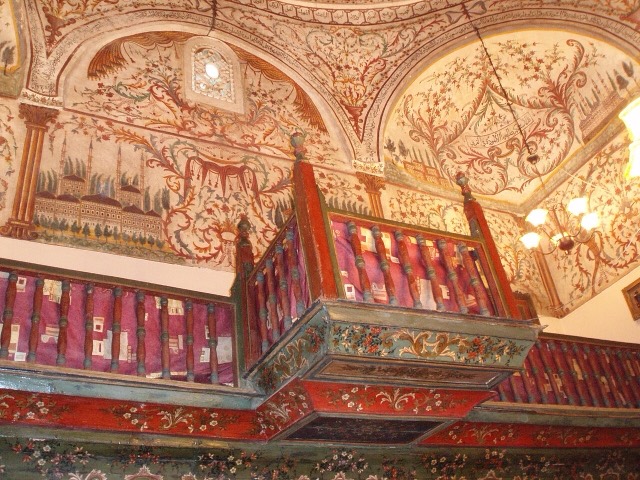
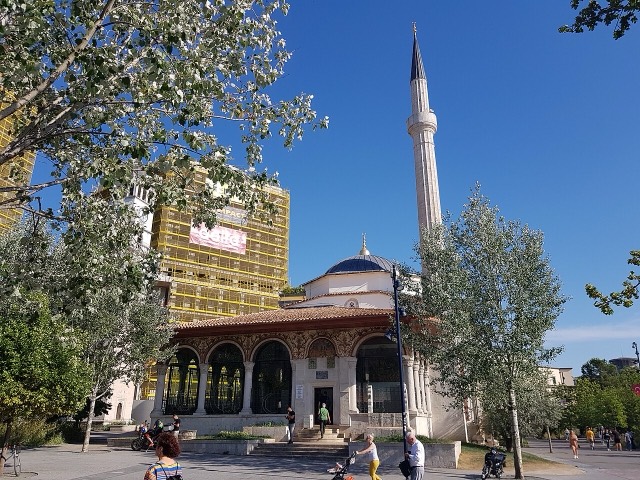
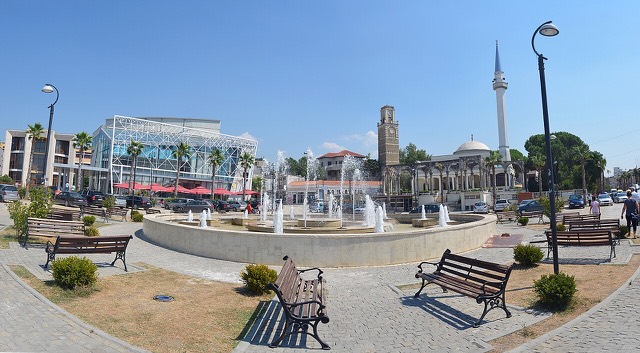
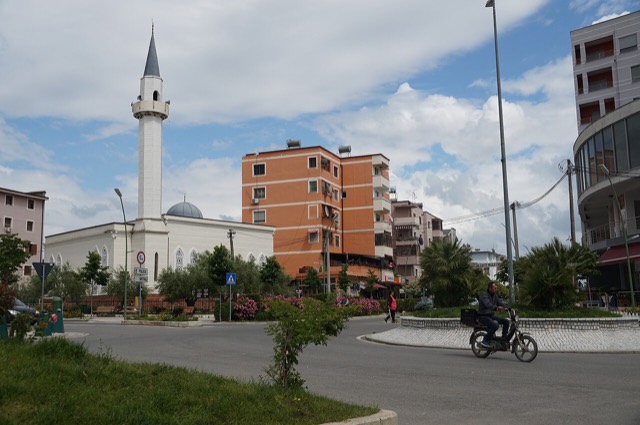
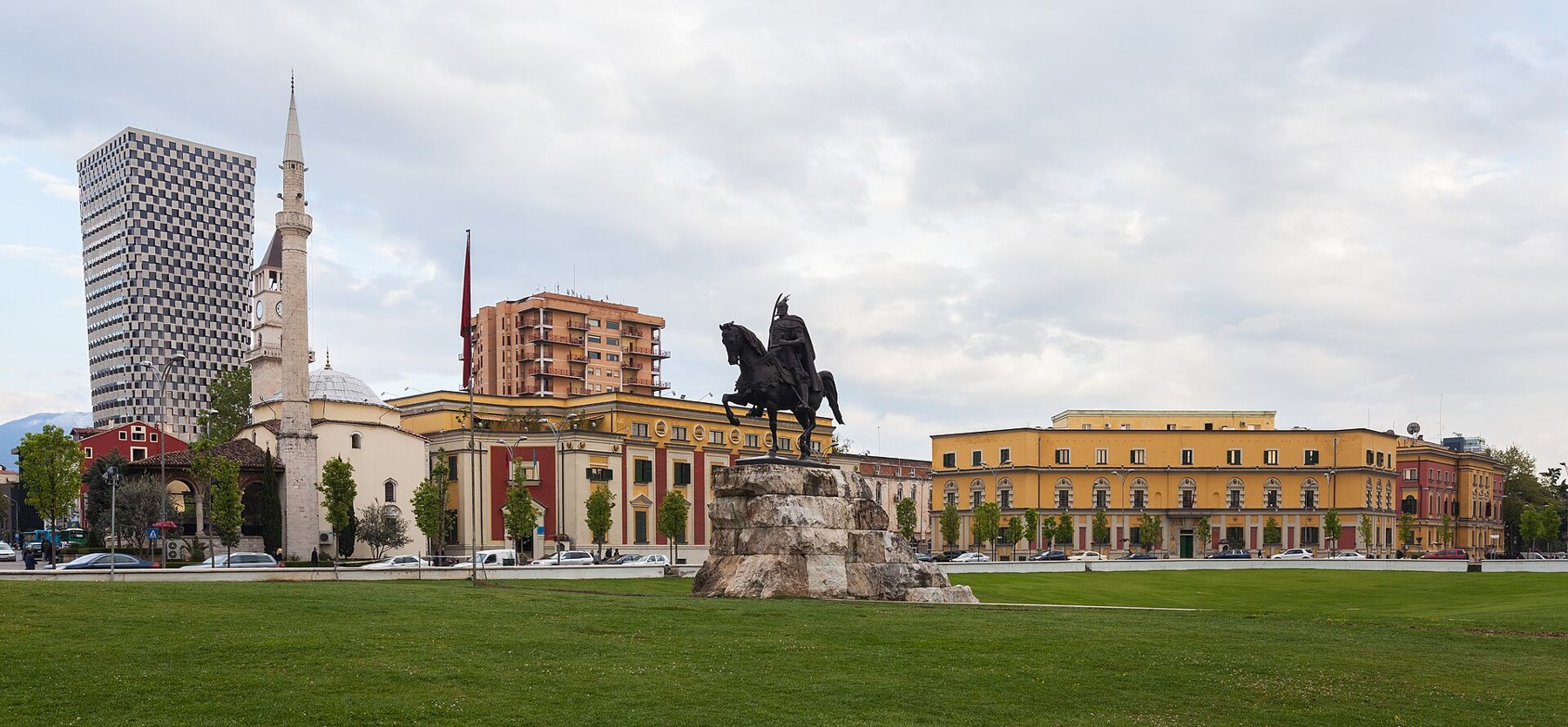
The small mosque on Skanderbeg Square whose frescoes of trees and waterfalls are unusual in Islamic art.
Historic site · Tiranë
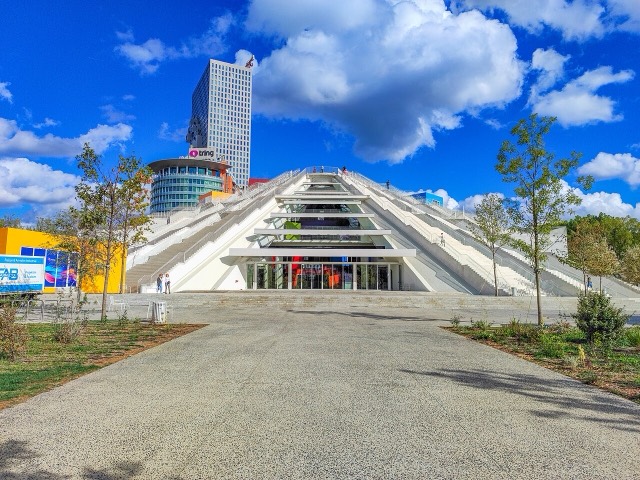
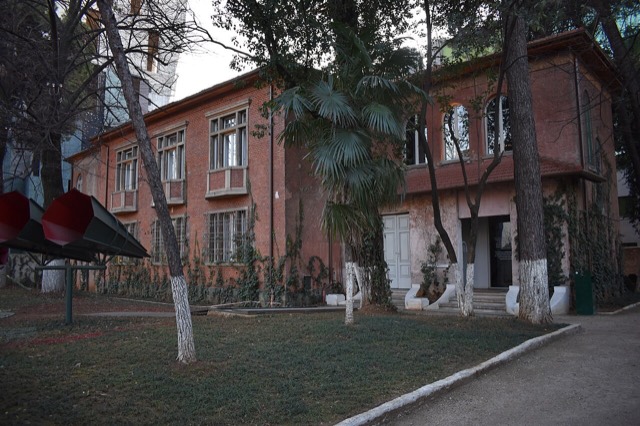
Built as Enver Hoxha's mausoleum-museum, later a nightclub and NATO base, reopened in 2023 as a youth technology centre.
City · Tiranë
The capital: a fast-changing city of painted blocks, Ottoman survivals and new towers, under Mount Dajti.
Historic site · Tiranë
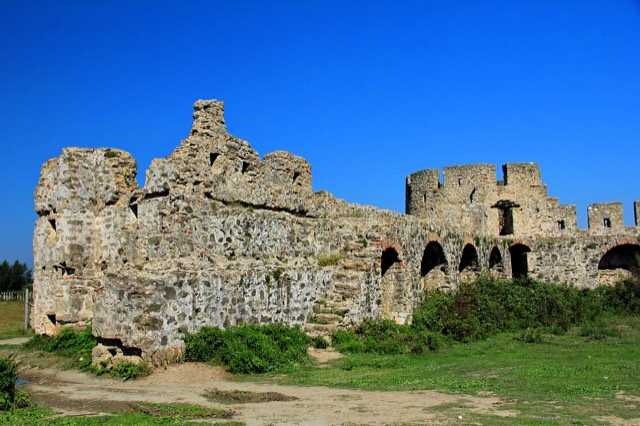
A rare rectangular lowland fortress built by Venice to guard a river port on the Shkumbin.
Historic site · Tiranë
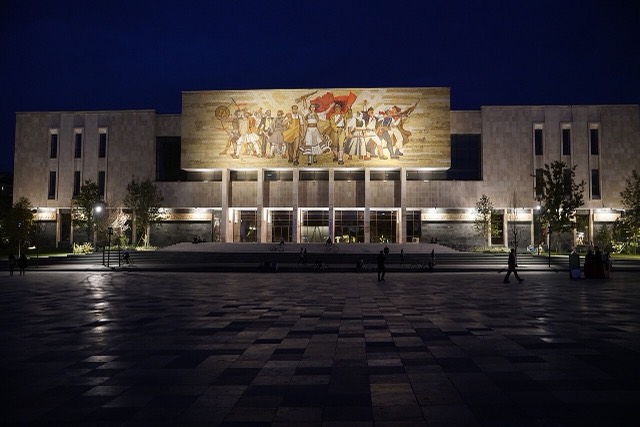
Albania's principal museum, under the Skanderbeg Square mosaic mural known as 'The Albanians'.
Lake · Tiranë
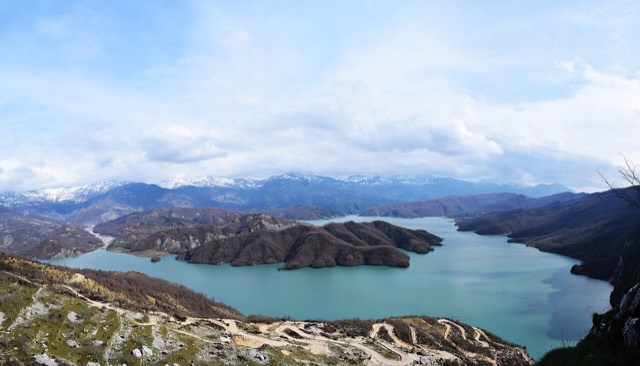
Tirana's drinking-water reservoir, ringed by limestone cliffs half an hour from the capital.
Town · Tiranë
A market town behind the Adriatic dunes, near the wide beaches of Golem and Spille.
Town · Tiranë
A city on Tirana's northern edge that grew almost entirely from internal migration after 1991.
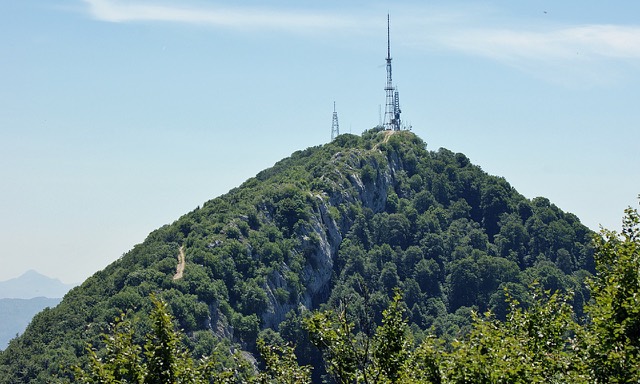
Mountain · Tiranë
Tirana's own mountain: 1,613 m, a national park, and a 4.2 km cable car from the city edge.
Historic site · Tiranë
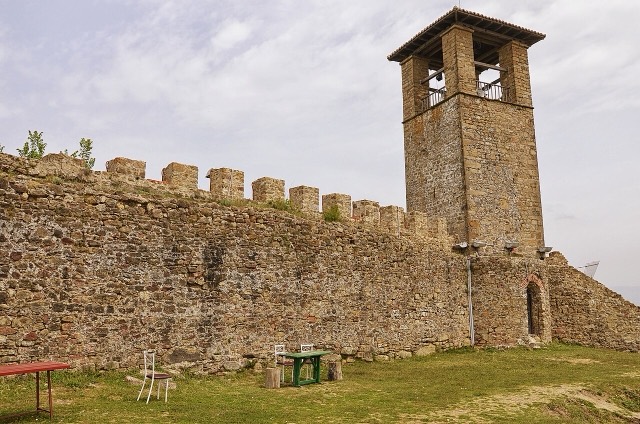
A compact hill castle between Tirana and the airport, with a view over the whole plain.
Historic site · Tiranë
A small triangular castle on a wooded crag above the Erzen, half an hour from Tirana.
Historic site · Tiranë
A five-storey anti-nuclear bunker built for the communist leadership, opened to the public in 2014.
Historic site · Tiranë
The former headquarters of the Sigurimi's technical surveillance branch, kept as it was found.
Town · Tiranë
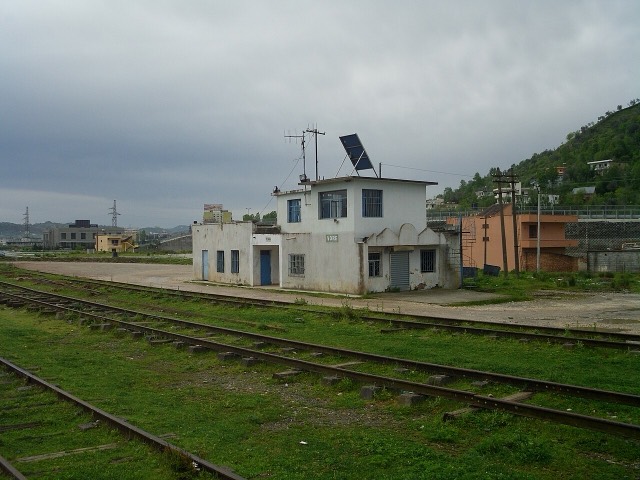
A junction town on the Shkumbin near the Bashtovë fortress and the Spille beaches.
Beach · Tiranë
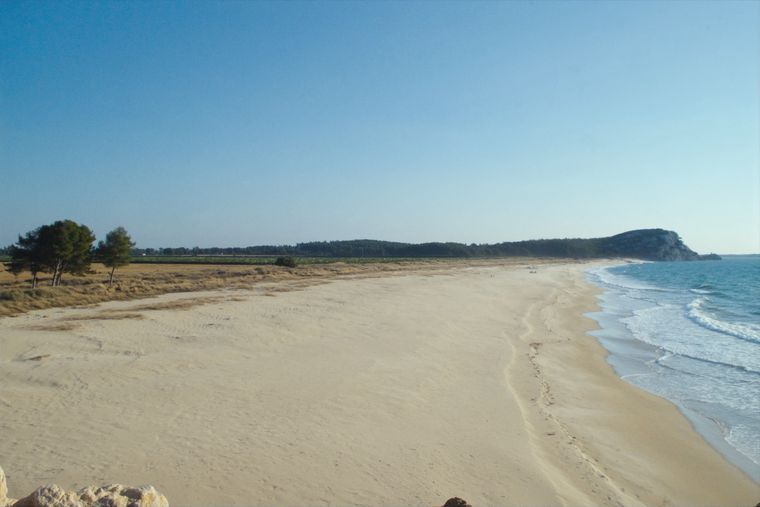
A quieter sand beach south of Kavajë, backed by farmland rather than hotels.
Beach · Tiranë
The continuation of the Durrës sand south past Qerret and Mali i Robit.