Исторический объект · Fier
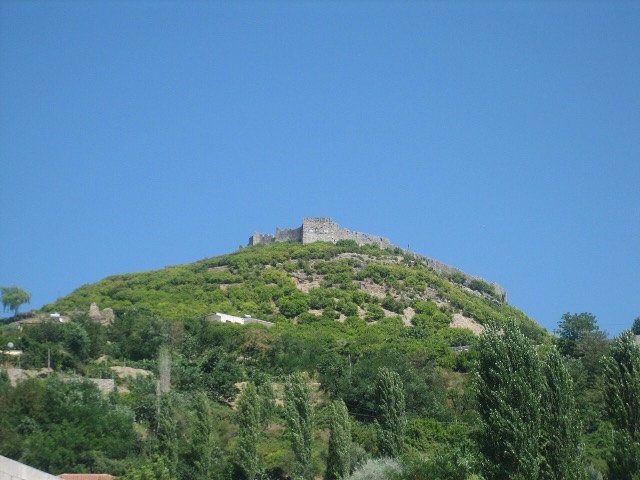
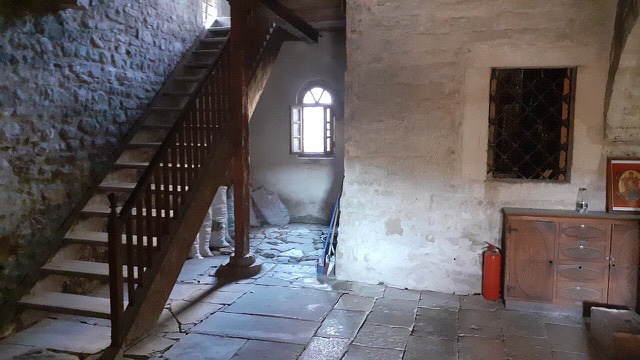
Ardenica Monastery
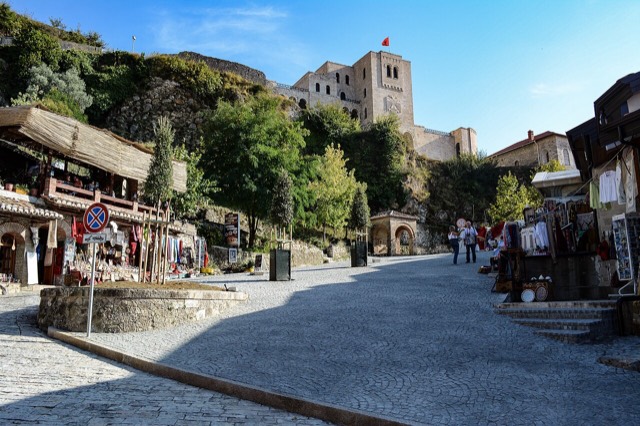
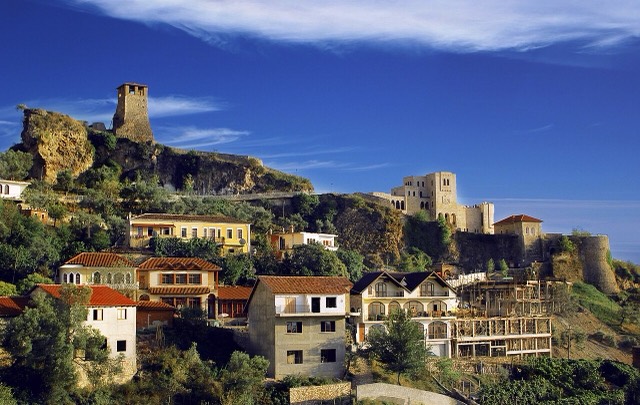
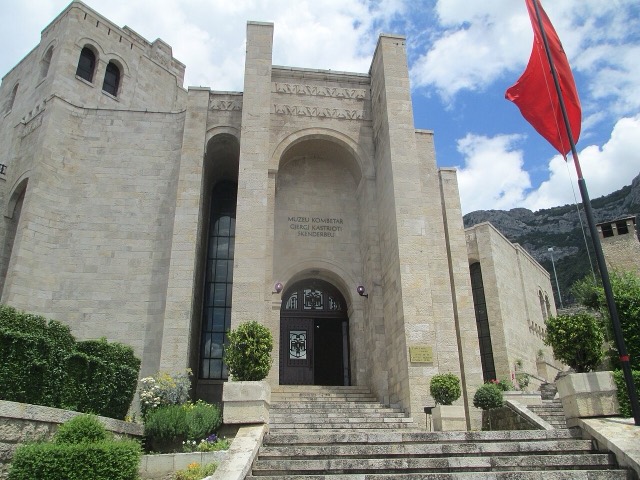
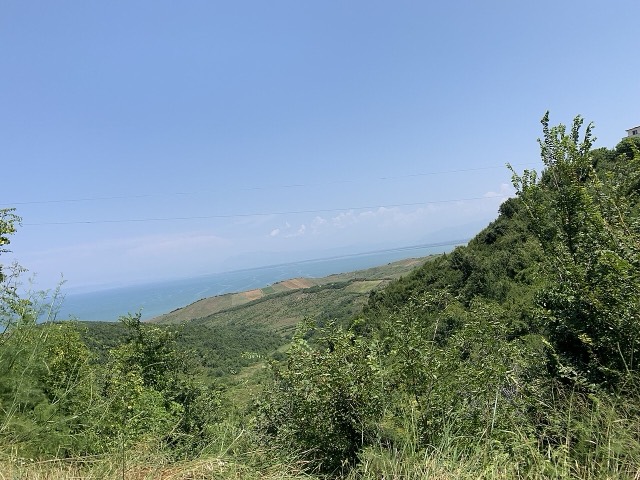
A hilltop monastery on the Myzeqe plain where, by tradition, Skanderbeg was married in 1451.
Каждый округ, каждый берег, каждый век
Режим с пояснениями
Впервые об Албании? Каждая страница начинается с доступного объяснения, понятного даже десятилетнему ребёнку, и лишь затем переходит к подробностям.
Режим эксперта
Основы вам уже известны. Сразу к существу вопроса, без простых пояснений. Это режим по умолчанию.
Персона
Gjergj Kastrioti: an Ottoman commander who changed sides and held Albania against the empire for twenty-five years.
Сохранить
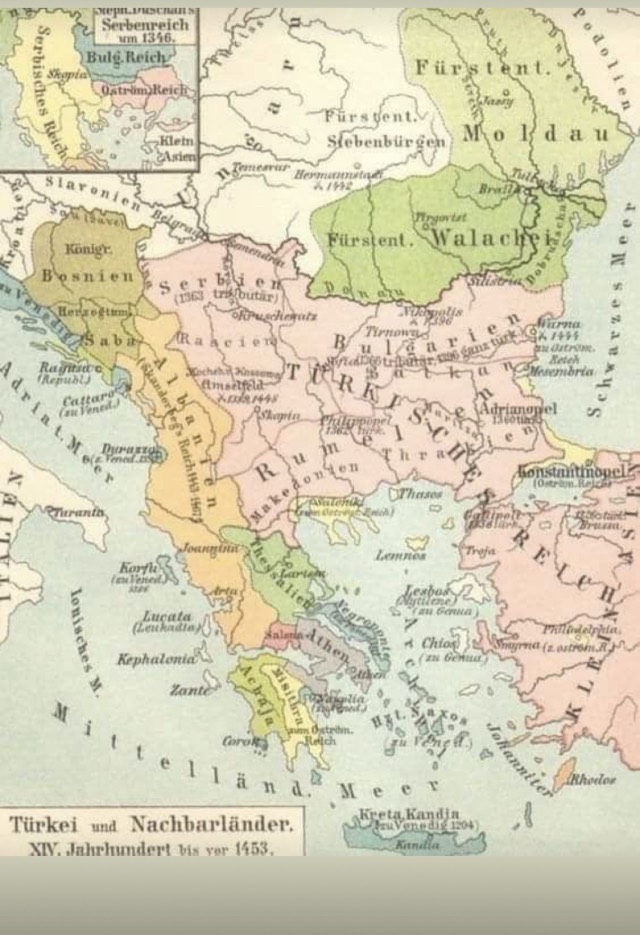
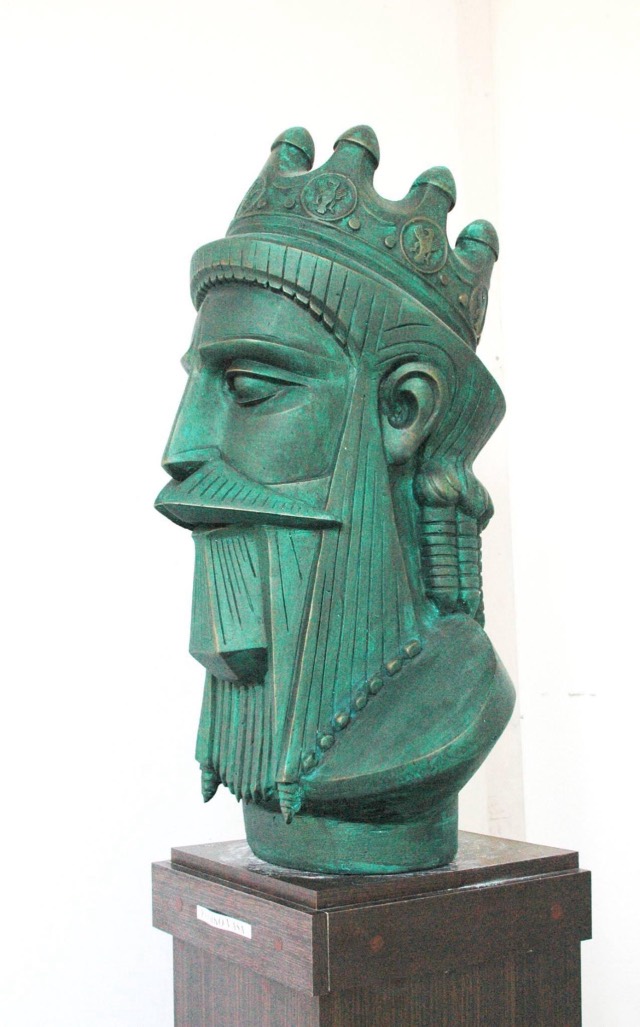
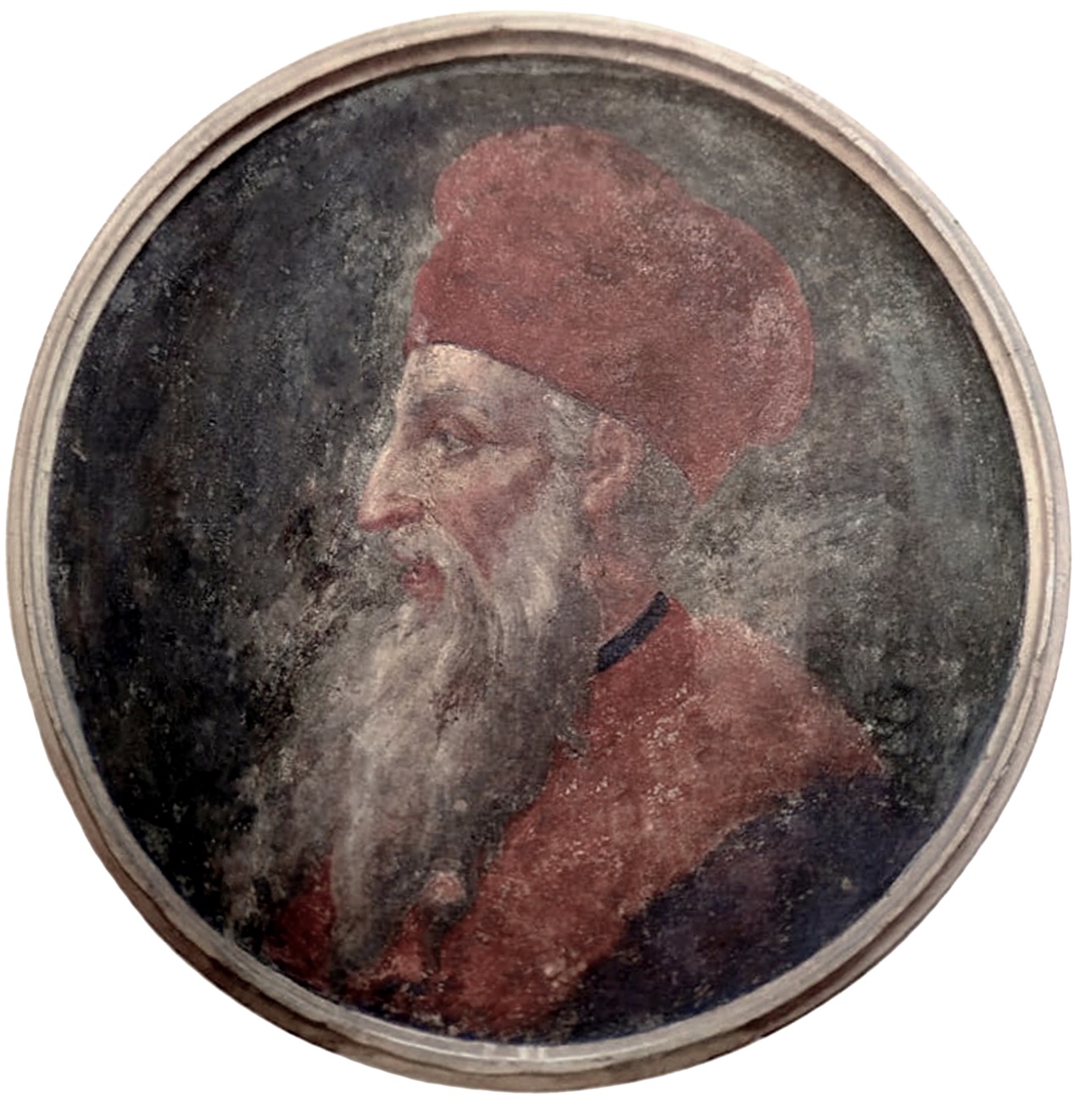
Skanderbeg — his real name was Gjergj Kastrioti — was taken as a boy to be raised in the Ottoman court, and became one of its commanders. In 1443 he switched sides, came home, and led the Albanian resistance for 25 years. He is Albania's national hero, and the black double-headed eagle on the flag is his family's emblem.
Skanderbeg — his real name was Gjergj Kastrioti — was taken as a boy to be raised in the Ottoman court, and became one of its commanders. In 1443 he switched sides, came home, and led the Albanian resistance for 25 years. He is Albania's national hero, and the black double-headed eagle on the flag is his family's emblem.
The Kastrioti family does not appear in historical or archival records until the end of the 14th century. The historical figure of Konstantin Kastrioti Mazreku is attested in Giovanni Andrea Angelo Flavio Comneno's Genealogia diversarum principum familiarum, where he is described as Constantinus Castriotus, surnamed Meserechus, Prince of Aemathia and Castoria. The toponym Castoria has been interpreted variously as Kastriot, Kastrat in Has, Kastrat in Dibra, or the microtoponym 'Kostur' near the village of Mazrek in the Has region.
The family surname most likely derives from one of several fortified settlements called Kastriot or Kastrat, whose etymology traces to the Latin castrum, meaning fortified place. The Kastrioti may have originated from such a settlement or acquired it as a pronoia. The cognomen Mazreku, meaning horse breeder in Albanian, appears throughout Albanian regions and was used by the Kastrioti to signal their tribal affiliation. This link is reproduced in sources including Du Cange's Historia Byzantina of 1680.
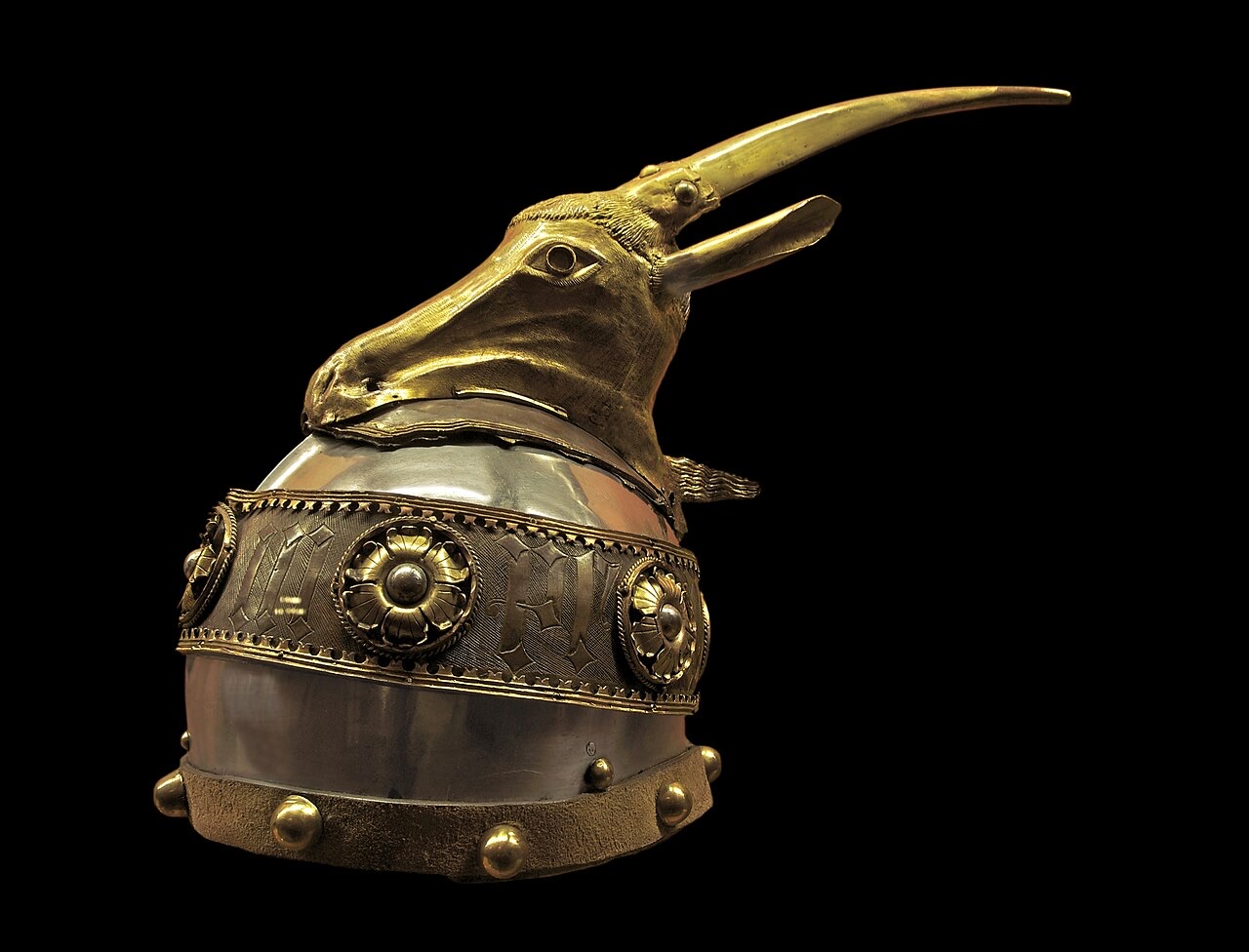
Skanderbeg's given name was Gjergj, the Albanian form of George. Frang Bardhi's Dictionarium latino-epiroticum of 1635 records two Albanian first names for him: Gjeç and Gjergj. In his own Italian-language correspondence and in most Italian biographies written after his death, the name appears as Giorgio. His official seal and signature read Georgius Castriotus Scanderbego in Latin, and he always signed himself Dominus Albaniae — Lord of Albania — claiming no other title in surviving documents. The Ottoman Turks named him İskender bey, meaning Lord Alexander or Leader Alexander, a comparison of his military skill to that of Alexander the Great. The name was used by Skanderbeg himself even after his re-conversion to Christianity and was later held by his descendants in Italy, who became known as the Castriota-Scanderbeg.
The exact birthplace of Skanderbeg remains a subject of historical debate. The biographer Frashëri, drawing on Gjon Muzaka's book of genealogies, sources from Raffaele Maffei, and the Ottoman census of 1467, placed the birth in the small village of Sinë, one of two villages owned by his grandfather Pal Kastrioti. Fan Noli's placement of the birth year at approximately 1405 is now largely agreed upon, after earlier disagreements and the absence of birth documents for Skanderbeg and his siblings.
His father, Gjon Kastrioti, held territory between Lezhë and Prizren, encompassing Mat, Mirditë and Dibër in north-central Albania. His mother was Voisava, whose origins are disputed. One view holds that she was a Slavic princess from the Polog region, possibly a member of the Serbian Branković family or a local Bulgarian noble family, though no primary or archival sources directly connect her to the Branković. A second view, supported by Andrea Angelo Comneno's 1551 account, holds that she was a member of the Albanian Muzaka family, daughter of Domenico Moncino Musachi. Skanderbeg had three older brothers — Stanisha, Reposh and Constantine — and five sisters: Mara, Jelena, Angelina, Vlajka and Mamica.
Gjon Kastrioti shifted allegiances and religions according to geopolitical circumstances, presenting as Catholic when allied with Venice and Orthodox Christian when allied with Serbia. He became an Ottoman vassal by the end of the 14th century, paying tribute and providing military service including at the Battle of Ankara in 1402. In 1409, he sent his eldest son Stanisha to the sultan's court as a hostage. According to the primary source Marin Barleti, Skanderbeg and all three older brothers were taken to the Ottoman court, but other documents indicate that only one brother — probably Stanisha — was conscripted into the Devşirme system, which enrolled Christian boys, converted them to Islam, and trained them as military officers. Twenty-first-century historians generally hold that Skanderbeg himself was sent as a hostage only at the age of 18.
Skanderbeg was sent as a hostage to the Ottoman court in Adrianople, now Edirne, in 1415 and again in 1423. He is assumed to have remained at Sultan Murad II's court as an iç oğlan for a maximum of three years, receiving military training at the Enderun School. The earliest surviving documentary record of his name dates to the First Act of Hilandar from 1426, when Gjon Kastrioti and his four sons donated tax revenues from two villages in Macedonia — in what is now Mavrovo and Rostuša, North Macedonia — to the Serbian monastery of Hilandar.
After graduating from Enderun, Skanderbeg was granted control of one timar, a land grant situated near his father's territories. His father, worried that the sultan might order Skanderbeg to occupy his own lands, informed Venice of this concern in April 1428. In 1430, Gjon was defeated by the Ottoman governor of Skopje, Ishak Bey, leading to a severe reduction in Kastrioti territorial holdings. Skanderbeg continued fighting for Murad II and gained the title of sipahi. Some scholars have associated him with a certain 'Iskander bey' recorded in a 1430 document as holding fiefs in Nikopol in northern Bulgaria, though this identification is not certain. When Albanian chiefs organised the revolt of 1432–1436, Skanderbeg remained loyal to the sultan and did not respond to calls to return home.
Between 1437 and 1438, Skanderbeg served as subaşı, or governor, of the Krujë subaşılık, before Hizir Bey was reappointed to that position in November 1438. Ottoman documents of the period referred to him as Juvan oglu Iskender bey. By this time he commanded a cavalry unit of 5,000 men and held the title of vali, awarded by Murad II in recognition of military merit. In 1440, Skanderbeg was appointed sanjakbey of the Sanjak of Dibra, the culmination of his Ottoman career. During the period 1438–1443, he is thought to have fought alongside Ottoman forces in European campaigns, mostly against Hungarian forces under János Hunyadi.
In early November 1443, during the Battle of Niš, Skanderbeg deserted the Ottoman forces of Sultan Murad II while they were engaged against the crusading army of John Hunyadi. Some earlier sources attribute the desertion instead to the Battle of Kunovica on 2 January 1444. He quit the field accompanied by approximately 300 Albanians serving in the Ottoman army. He led his men directly to Krujë, arriving on 28 November, and secured control of the city the same day by presenting the Ottoman governor with a forged letter bearing Sultan Murad's name.
After capturing a number of surrounding castles — Petrela, Prezë, Guri i Bardhë, Sfetigrad, Modrič and others — Skanderbeg raised a red standard with a black double-headed eagle over Krujë. He abandoned Islam, reverted to Christianity, and ordered those who had converted to Islam or were Muslim settlers to convert to Christianity or face death. From this point the Ottomans referred to him as 'hain İskender', meaning treacherous Alexander. He simultaneously proclaimed himself heir of the Balšić family to reinforce his claim to former domains of Zeta.
Under Venetian patronage, on 2 March 1444, Skanderbeg summoned Albanian noblemen to the Venetian-controlled town of Lezhë, where they formed the military alliance known in historiography as the League of Lezhë. The alliance included the powerful Albanian noble families of Arianiti, Dukagjini, Muzaka, Zaharia, Thopia, Zenevisi, Dushmani and Spani, as well as the Serbian nobleman Stefan Crnojević of Zeta. This was the first occasion on which much of Albania was unified under a single leader. For the following 25 years, Skanderbeg's army of approximately 10,000 men conducted operations against larger and better-supplied Ottoman forces, employing mobile defence, hit-and-run tactics, and the use of mountainous terrain to offset the Ottoman numerical advantage.
In the summer of 1444, at the Plain of Torvioll, Skanderbeg commanded 7,000 infantry and 8,000 cavalry against an Ottoman army of 25,000 under the direct command of Ottoman general Ali Pasha. An additional 3,000 cavalry under Hamza Kastrioti were concealed in a nearby forest behind enemy lines. At a prearranged signal, these hidden forces descended, encircled the Ottomans, and delivered Skanderbeg a decisive victory: approximately 8,000 Ottomans were killed and 2,000 captured. The victory was celebrated across Europe as one of the rare occasions when an Ottoman army was defeated in a pitched battle on European soil.
Relations with Venice deteriorated following Skanderbeg's consolidation of power, leading to the Albanian-Venetian War of 1447–48 over the fortress of Dagnum. Venice offered a life pension of 100 golden ducats annually to anyone who would kill Skanderbeg and simultaneously invited the Ottomans to attack him from the east, forcing a two-front conflict. In May 1448, a combined Ottoman force under Sultan Murad II and his son Mehmed besieged the castle of Sfetigrad. The garrison held out until 31 July, when it surrendered under a condition of safe passage — a condition Murad respected. The Ottomans subsequently lost over 3,000 men at the Battle of Oranik in Dibër in August 1448, where Mustafa Pasha was captured and later ransomed for 25,000 ducats.
On 23 July 1448, Skanderbeg crossed the Drin River with 10,000 men and engaged a Venetian force of 15,000 under Daniele Iurichi, governor of Scutari. The Albanians inflicted 2,500 casualties and captured 1,000, while Skanderbeg's army suffered 400 casualties. A peace treaty signed on 4 October 1448, negotiated by Georgius Pelino, gave Venice the fortress of Dagnum but ceded to Skanderbeg the territory of Buzëgjarpri at the mouth of the Drin, granted him the right to purchase 200 horse-loads of salt annually from Durazzo tax-free, and required Venice to pay him 1,400 ducats.
In June 1450, Sultan Murad II led a force of approximately 100,000 men in a direct siege of Krujë. Skanderbeg left a garrison of 1,500 men under lieutenant Vrana Konti and harassed Ottoman supply caravans with the remainder of his army. The garrison repelled three major assaults. An Ottoman bribe of 300,000 aspra and an offer of high military rank to Konti were both refused. By September 1450, disease and low morale had severely weakened the Ottoman camp; Murad lifted the siege in October and withdrew to Edirne. The Ottomans sustained approximately 20,000 casualties during the siege. Murad II died in Edirne on 3 February 1451 and was succeeded by his son Mehmed II.
Following the first siege of Krujë, Skanderbeg's resources were severely depleted and harvests were failing. On 26 March 1451, he signed the Treaty of Gaeta with King Alfonso V of Aragon, formally acknowledging Alfonso's sovereignty over his lands in exchange for military aid. Alfonso pledged to respect the privileges of Krujë and Albanian territories and to pay Skanderbeg 1,500 ducats annually; Skanderbeg pledged fealty only after the expulsion of the Ottomans, a condition never achieved in his lifetime. Debate among historians persists about the degree of Aragonese control: Constantin Marinescu argued that Krujë effectively passed to Alfonso, while Athanas Gegaj rejected this, pointing to the disproportion between Alfonso's 100 Spanish soldiers stationed at Krujë and Skanderbeg's force of 10,000–15,000 men.
Skanderbeg married Donika, daughter of the influential Albanian nobleman Gjergj Arianiti, on 21 April 1451 at the Albanian Orthodox Ardenica Monastery, one month after the treaty was signed. A small detachment of 100 Catalan soldiers under Bernard Vaquer was established at Krujë in late May 1451. In 1452, Ramon d'Ortafà arrived as viceroy, and in 1453 Skanderbeg made a secret visit to Naples and the Vatican, likely to discuss conditions following the fall of Constantinople and the planning of a crusade. Five weeks after Skanderbeg defeated an Ottoman force under Ibrahim Pasha on 22 April 1453, Mehmed II captured Constantinople.
In 1460, King Ferdinand I of Naples faced an Angevin uprising and requested Skanderbeg's assistance. Skanderbeg made a three-year armistice with the Ottomans on 17 April 1461 and landed in Apulia in late August 1461 with an expeditionary force of 1,000 cavalry and 2,000 infantry. At Barletta and Trani, and chiefly at the battle of Troia, he helped defeat the forces of Giovanni Antonio Orsini, Prince of Taranto, securing Ferdinand's throne. In a letter to the Prince of Taranto written before the expedition, Skanderbeg asserted that Albanians were descended from the ancient Epirotes and Pyrrhus himself. Ferdinand, grateful for Skanderbeg's intervention, rewarded his descendants after Skanderbeg's death with the castle of Trani and properties at Monte Sant'Angelo and San Giovanni Rotondo.
In April 1463, following the defeat of three separate Ottoman armies, a 10-year armistice was signed in Skopje. Skanderbeg did not favour the peace, but it was concluded at the insistence of Tanush Thopia, who personally travelled to Tivoli to explain the situation to the Pope. The armistice was short-lived: on 27 November 1463, Skanderbeg declared war on the Ottomans in response to Ottoman reinforcements sent to fortresses near Ohrid. Pope Pius II had simultaneously attempted to organise a new crusade, envisioning 20,000 soldiers gathered at Taranto and a further 20,000 under Skanderbeg assembling at Durazzo. Pius II died in August 1464 as the crusading armies were still gathering, and the expedition was abandoned.
In 1466, Sultan Mehmed II personally led 30,000 men in the second siege of Krujë, defended by a garrison of 4,400 men under Prince Tanush Thopia. As his father had done in 1450, Mehmed failed to take the city by force and withdrew, leaving the 30,000-strong force under Ballaban Pasha to maintain the siege. Mehmed simultaneously ordered the construction of a new castle in central Albania — named Il-basan, the origin of modern Elbasan — to support ongoing operations. During the winter of 1466–67, Skanderbeg spent several weeks in Rome seeking funds from Pope Paul II, at one point unable to pay his hotel bill; Paul II gave him 2,300 ducats only when Skanderbeg was departing for Naples.
On 19 April 1467, Skanderbeg and Lekë Dukagjini defeated Ottoman reinforcements under Yonuz, Ballaban's brother, in the Krrabë region. Four days later, on 23 April 1467, they attacked the Ottoman besieging forces at Krujë. The siege was broken when Ballaban Pasha was killed by an Albanian arquebusier named George Aleksi. Skanderbeg entered Krujë on 23 April 1467, his camp documented at 16,000 men and growing. His forces subsequently besieged Elbasan but could not take it for want of artillery and sufficient troops. In the summer of 1467, Mehmed II marched against Skanderbeg again; Skanderbeg retreated to the mountains and then to the coast, while Ottoman forces raided Venetian possessions and the third siege of Krujë again failed to take the city.
In January 1468, with the Albanian economy devastated by repeated Ottoman incursions and many noblemen lost, Skanderbeg convened a conference of remaining Albanian nobles at the Venetian stronghold of Lezhë to discuss war strategy and restructure the League of Lezhë. During this period, he fell ill — attributed either to malaria or, according to rumour, to poison — and died on 17 January 1468, aged approximately 62.
Ferdinand I of Naples wrote a condolence letter to Skanderbeg's widow on 24 February 1468, expressing grief at the loss of his friend and promising assistance to the family. Venice immediately sought and obtained from Skanderbeg's widow permission to defend Krujë and other fortresses with Venetian garrisons. The Ottomans opened the grave of Skanderbeg in St. Nicholas church in Lezhë and made amulets from his bones, believing they would confer bravery on the wearer.
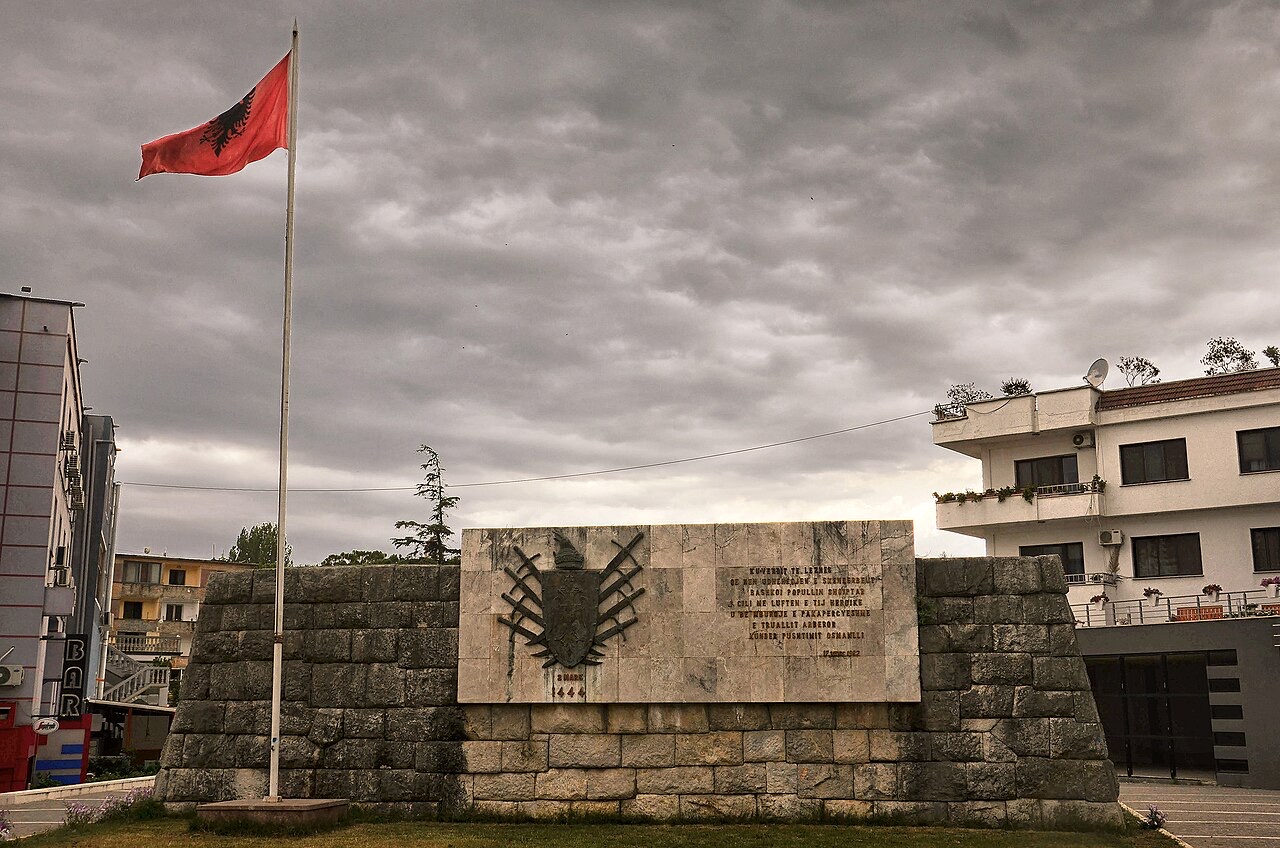
Krujë endured a fourth siege beginning in 1477, led by Gedik Ahmed Pasha. The city held out until 16 June 1478, when starvation forced surrender to Mehmed II himself, who had promised safe passage to the defenders. As the Albanians were leaving with their families, the Ottomans killed the men and enslaved the women and children. In 1479, an Ottoman army under Mehmed II besieged and captured Shkodër, reducing Venice's Albanian possessions to Durazzo, Antivari, and Dulcigno. Venice evacuated Durazzo in 1501. Subsequent Albanian uprisings — including those of Skanderbeg's son Gjon Kastrioti II in 1481–84, a major revolt in Labëria in 1492, and a small rising in Lezhë in 1501 led by Skanderbeg's grandson George Castriot II — were all suppressed.
The migrations of Albanian leaders and population following the Ottoman conquest contributed directly to the formation of the Arbëresh community in southern Italy, settlements of which still exist in the modern era. Ivan Strez Balšić was recognised by Venice as Skanderbeg's successor and was installed to continue resistance. The Kingdom of Naples awarded Skanderbeg's family the Duchy of San Pietro in Galatina and the County of Soleto in the Province of Lecce. Two patrilineal branches of the Kastrioti family survive today: the branch of Lecce, with two sub-branches, and the branch of Naples, with one sub-branch, both descending patrilineally from the sons of Ferrante, Duke of Galatina and Count of Spoleto, who died in 1561.
Skanderbeg's military resistance is credited with helping to slow Ottoman expansion into Western Europe, though historical assessment recognises this as one factor among several, alongside the resistance of Vlad III Dracula in Wallachia, Stephen III the Great of Moldavia — whose victory at Vaslui was one of the Ottomans' worst defeats — and the campaigns of János Hunyadi. In his own lifetime, archival documents confirm that Skanderbeg had already achieved a reputation as a hero. On 27 October 2005, the United States Congress issued a resolution honouring the 600th anniversary of his birth and describing him as a figure who played a role in 'saving Western Europe from Ottoman occupation.'
The main literary source on Skanderbeg's life is the Historia de vita et gestis Scanderbegi, Epirotarum Principis, published in Latin in Rome in 1508 by the Albanian-Venetian historian Marinus Barletius and translated into English in 1596. Barleti is acknowledged to be sometimes inaccurate in favour of his subject. Among other commemorative works, Antonio Vivaldi composed an opera entitled Scanderbeg, first performed in 1718, and Albanian composer Prenkë Jakova composed a third opera, Gjergj Kastrioti Skënderbeu, which premiered in 1968 for the 500th anniversary of his death. The 1953 Albanian-Soviet biographical film The Great Warrior Skanderbeg won an International Prize at the 1954 Cannes Film Festival.
In modern Albania, Skanderbeg is the national hero. Monuments to him stand in Tirana's Skanderbeg Square, in Krujë, and in Peshkopi. The Skanderbeg Museum is located next to Krujë Castle. Statues and monuments have been erected in Skopje and Debar in North Macedonia; Pristina in Kosovo; Geneva; Brussels; London; and in Arbëreshë communities in southern Italy. In 2006, a statue was unveiled at St. Paul's Albanian Catholic Church in Rochester Hills, Michigan, described as the first statue of Skanderbeg erected in the United States. His name is also carried by the Skanderbeg Military University in Tirana, Skënderbeu Stadium in Korçë, and the Order of Skanderbeg. During the Albanian National Awakening of the 19th century, Skanderbeg became a central symbol of emerging Albanian nationalism and of cultural identification with Europe. The first poetic work on Skanderbeg in the Albanian language was composed by N. Frashëri and published in 1898.
Исторический объект · Fier
A hilltop monastery on the Myzeqe plain where, by tradition, Skanderbeg was married in 1451.
Городок · Durrës
Skanderbeg's mountain stronghold, an old bazaar street, and the national museum of the resistance.
Исторический объект · Durrës
Skanderbeg's base, which held out against three Ottoman sieges and now houses the national museum of the resistance.
Исторический объект · Durrës
The museum of the 15th-century resistance, built inside Krujë Castle by Enver Hoxha's daughter and son-in-law.
Тема · Durrës
A low cape north of Durrës holding Skanderbeg's sea castle and the church of St Anthony.
Исторический период
Twenty-five years in which a coalition of Albanian nobles held off the Ottoman Empire at its height.
Городок · Lezhë
Where the Albanian princes swore their 1444 league, and where Skanderbeg is buried.
Исторический период
Arbanon, then the Angevin Kingdom of Albania, then the great noble houses — Thopia, Balsha, Kastrioti, Arianiti.
Нашли ошибку на этой странице? Исправления приветствуются и проверяются по исходной записи. Сообщите нам, что именно неверно, и по возможности укажите, откуда взята правильная цифра.