Kleinstadt · Lezhë
Lezhë
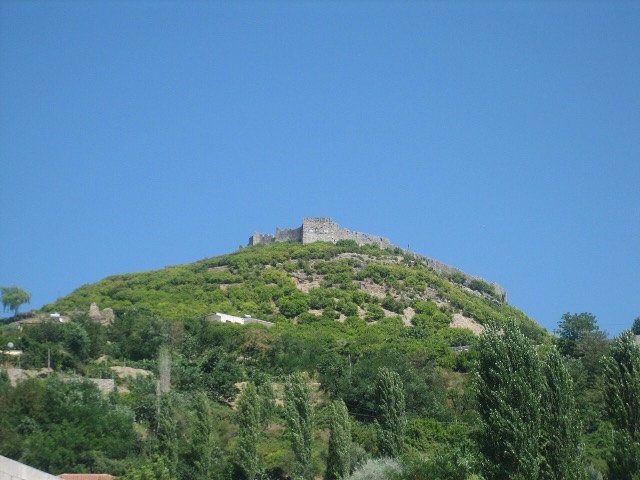
Where the Albanian princes swore their 1444 league, and where Skanderbeg is buried.
Jeder Kreis, jede Küste, jedes Jahrhundert
Geführte Ansicht
Neu in Albanien? Jede Seite beginnt mit einer einfachen Erklärung, die auch ein Zehnjähriger verstehen würde – bevor es ins Detail geht.
Expertenansicht
Sie kennen die Grundlagen bereits. Direkt zur Substanz, ohne die vereinfachten Erklärungen. Dies ist die Standardeinstellung.
Schutzgebiet · Lezhë County
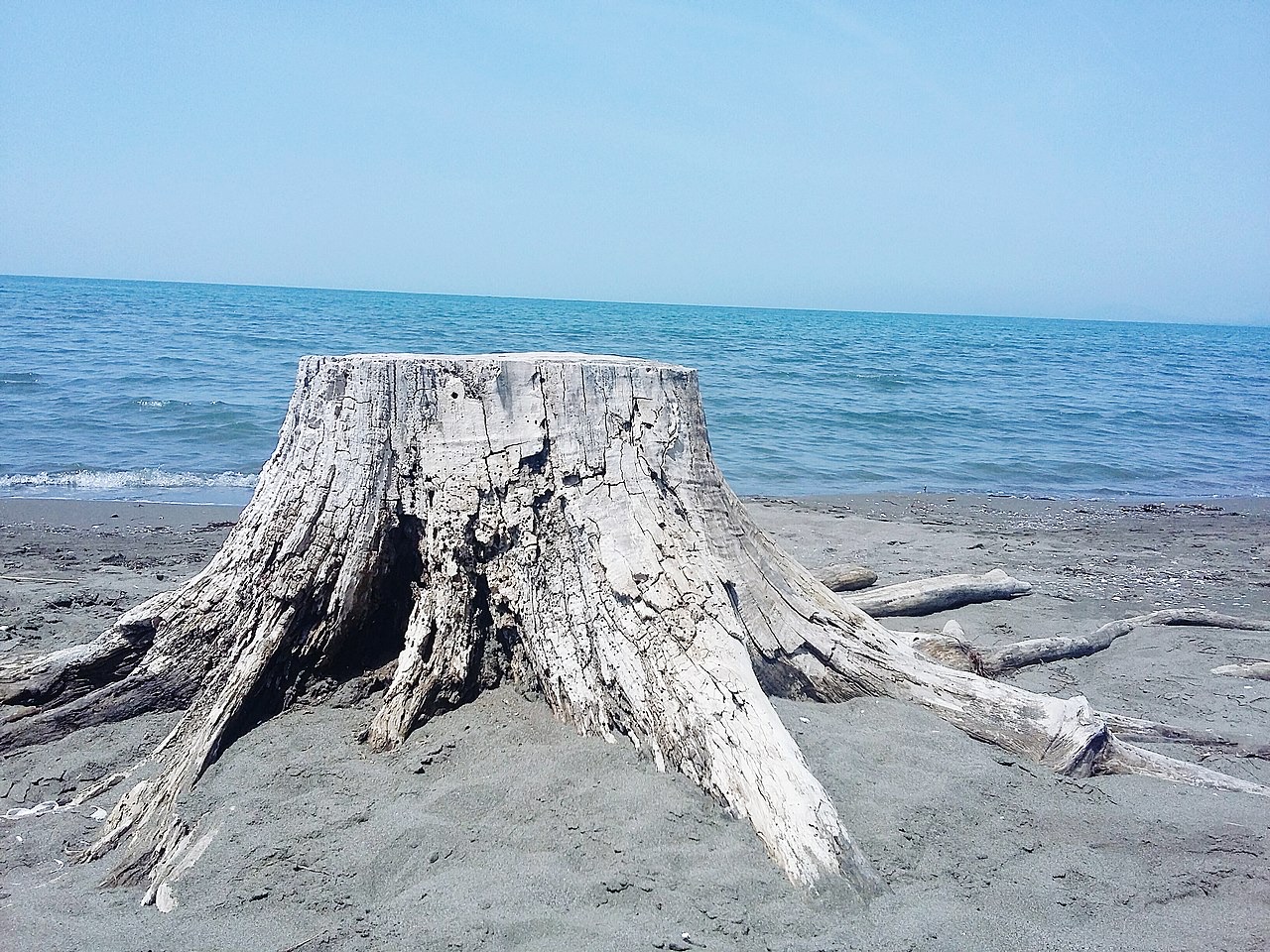
Lagoons, pine and one of Albania's few surviving coastal alluvial forests, beside Shëngjin.
Speichern
Kune-Vain is a protected area of lagoons and pine woods by the sea near Shëngjin, important for birds and for one of the last coastal forests of its kind in Albania.
Kune-Vain is a protected area of lagoons and pine woods by the sea near Shëngjin, important for birds and for one of the last coastal forests of its kind in Albania.
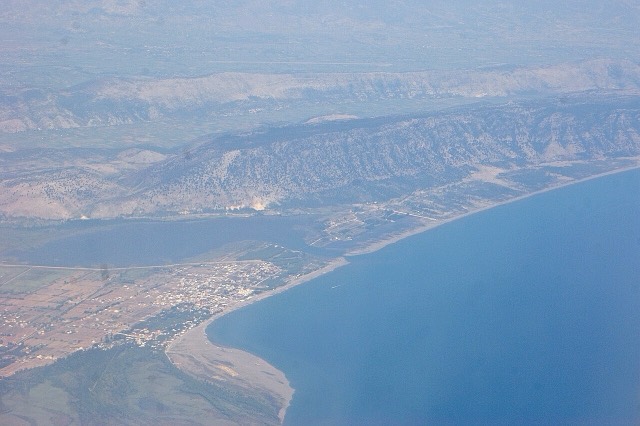
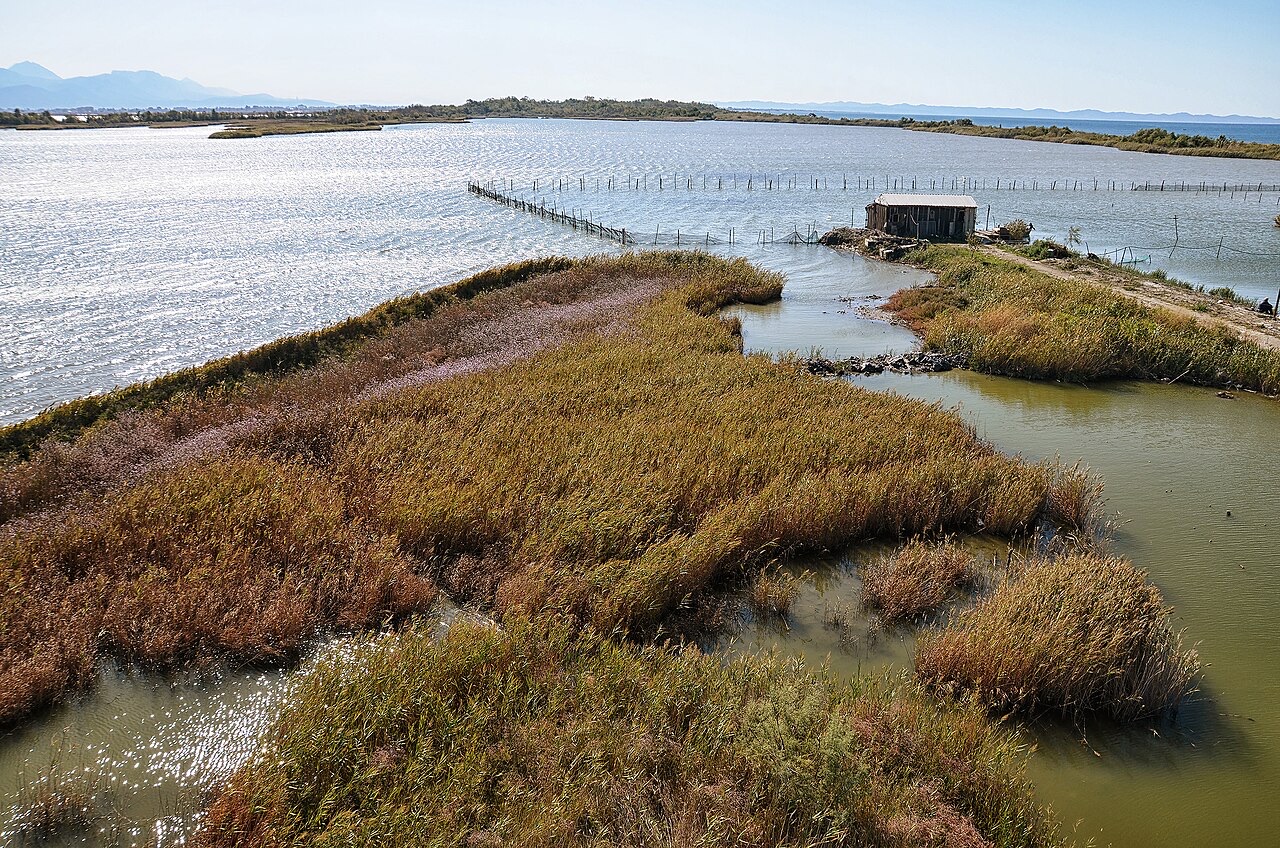
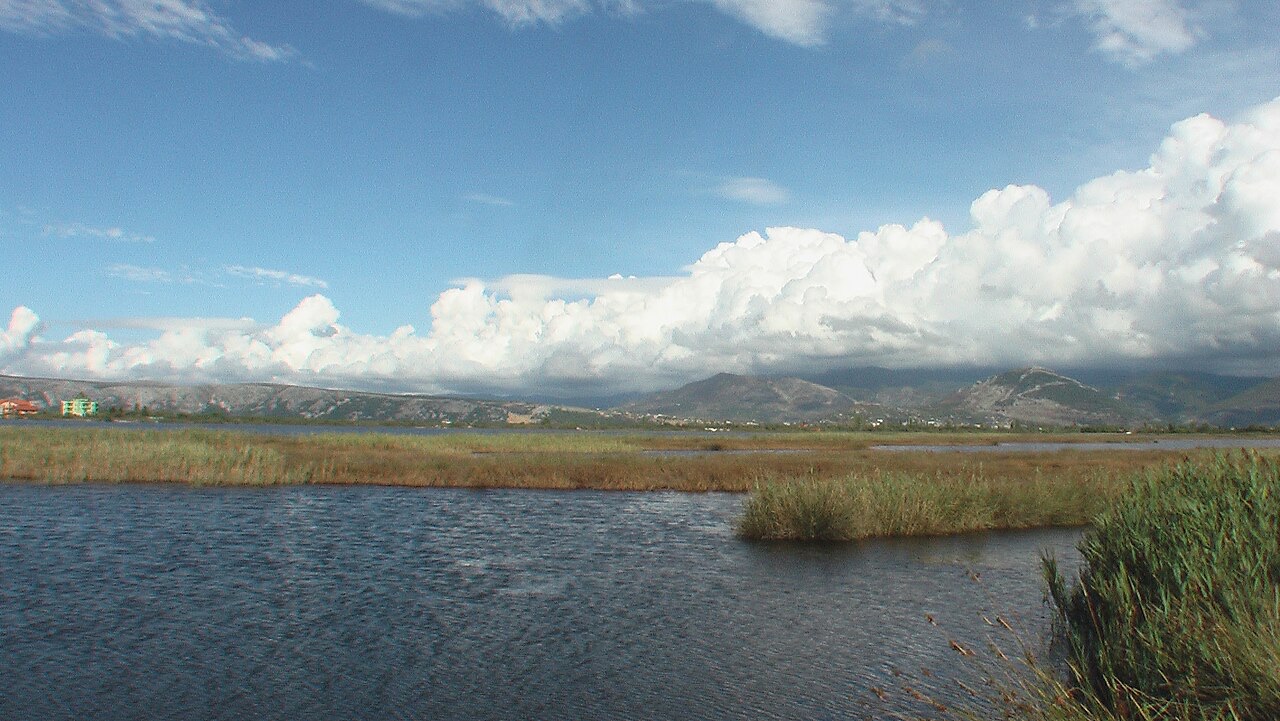
The Kunë-Vain Nature Reserve occupies the delta of the Drin River in northern Albania, within Lezhë County. It faces the Adriatic Sea and covers an area of 43.93 square kilometres (16.96 square miles). The reserve's full official Albanian name is Rezervati Kunë-Vain-Tale, though the extended administrative designation runs to Kunë-Vain-Talë-Patok-Fushëkuqe-Ishëm Nature Reserve.
The reserve encompasses several distinct physical components: Kunë Island, the Kunë-Vain lagoon, associated woodlands, and a number of further ecosystems. Its position at the Drin delta, between the river system and the Adriatic, gives the site its character as both a coastal and freshwater environment.
The area carries the distinction of being the first protected area established in Albania, designated as a hunting reserve in July 1940. This early protection predates the current reserve classification by seven decades.
The current nature reserve status was established in 2010, replacing or superseding the earlier designation. The 2010 establishment formally incorporated Kunë Island, the lagoon, and the surrounding woodland and ecosystem areas under the reserve's unified boundary.
The reserve falls within the Illyrian deciduous forests terrestrial ecoregion and also within the Mediterranean woodlands and forests ecoregion. Both belong to the Palearctic temperate broadleaf and mixed forests biome. This dual classification reflects the transitional character of the site between continental and coastal Mediterranean ecological zones.
The climate of the reserve is typically Mediterranean in character. This climatic regime, combined with the reserve's position at a river delta on the Adriatic coast, drives the diversity of habitats found within its boundaries.
The reserve is characterised by high vegetation cover and plant biodiversity. Approximately 277 species of plants have been recorded within its boundaries.
The article does not specify individual plant species or provide a breakdown by vegetation type, but the combination of lagoon, woodland, and delta habitats within the reserve's 43.93 square kilometres accounts for the range of species recorded.
The reserve's fauna totals 341 species across all groups recorded. Of these, 23 are mammal species and 10 are amphibian species. Fish diversity stands at 58 species, a figure consistent with the site's mix of marine-adjacent lagoon and freshwater delta environments.
The article does not name specific mammal, amphibian, or fish species present in the reserve, nor does it indicate which, if any, are threatened or endemic.
Birds constitute the largest single faunal group recorded in the reserve, with 196 species documented. This richness has led to the site's formal recognition by BirdLife International as an Important Bird Area (IBA).
The IBA designation is an internationally applied classification used by BirdLife International to identify sites of significance for the conservation of wild birds. The article does not specify which bird species or assemblages triggered the designation, nor the date on which IBA status was granted.
Fifty-nine insect species have been recorded in the reserve, making insects the second-smallest faunal group by species count after amphibians. The article provides no further breakdown of insect orders or families present.
The insect total, like other faunal counts, should be understood as a recorded figure rather than a definitive species inventory; surveying gaps in delta and lagoon environments are common and actual diversity may differ from published totals.
Across all recorded groups, the reserve holds approximately 277 plant species and 341 animal species. The animal total breaks down as follows: 196 bird species, 59 insect species, 58 fish species, 23 mammal species, and 10 amphibian species. The article does not include a reptile count separately, though the numbers given do not sum precisely to the stated total of 341, suggesting either rounding or an unlisted category.
The reserve's high biodiversity relative to its area of under 44 square kilometres is attributed in the article to its high vegetation cover and the combination of multiple habitat types within the Drin delta system.
Der wärmste Monat ist August (mittleres tägliches Maximum 30°C), der kälteste ist January (mittleres tägliches Minimum 2°C), und der regenreichste ist November (174 mm). Der mittlere jährliche Gesamtniederschlag beträgt 1,349 mm. Die Meerestemperatur erreicht im August einen Höchstwert von etwa 25°C.
| Monat | Maximum | Minimum | Niederschlag | Regentage | Sonne/Tag | Meer |
|---|---|---|---|---|---|---|
| January | 10°C | 2°C | 143 mm | 12 | 6.8 h | 14°C |
| February | 12°C | 3°C | 124 mm | 11 | 7.7 h | 12°C |
| March | 14°C | 5°C | 130 mm | 11 | 9.2 h | 14°C |
| April | 18°C | 9°C | 121 mm | 12 | 10.4 h | 16°C |
| May | 22°C | 14°C | 99 mm | 10 | 11.9 h | 19°C |
| June | 27°C | 18°C | 53 mm | 7 | 13.5 h | 23°C |
| July | 30°C | 20°C | 34 mm | 5 | 13.7 h | 26°C |
| August | 30°C | 20°C | 42 mm | 5 | 12.8 h | 25°C |
| September | 25°C | 16°C | 126 mm | 9 | 10.5 h | 24°C |
| October | 21°C | 12°C | 133 mm | 9 | 8.9 h | 23°C |
| November | 16°C | 8°C | 174 mm | 11 | 7.0 h | 19°C |
| December | 12°C | 4°C | 168 mm | 13 | 6.3 h | 16°C |
Quelle: ERA5 reanalysis via Open-Meteo, 1994–2023 · „Maximum" und „Minimum" sind das mittlere tägliche Temperaturmaximum bzw. -minimum. „Regentage" zählt Tage mit mindestens 1 mm Niederschlag.
Kleinstadt · Lezhë
Where the Albanian princes swore their 1444 league, and where Skanderbeg is buried.
Dorf · Shkodër
A wide, shallow sand beach at the Buna river mouth, with a protected lagoon reserve.
Strand · Lezhë
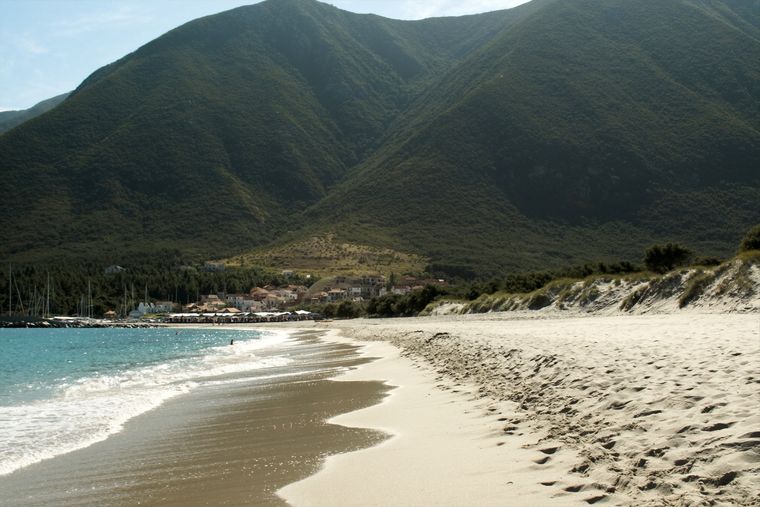
The main northern resort beach, with the Kune-Vain pine and lagoon reserve alongside.
Kleinstadt · Lezhë
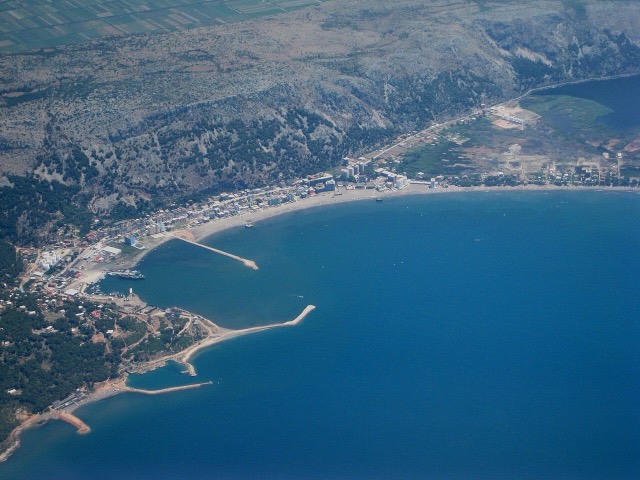
A northern beach resort and small commercial port backed by the Kune-Vain pine lagoons.
Etwas falsch auf dieser Seite? Korrekturen sind willkommen und werden gegen den Quelldatensatz geprüft. Bitte mitteilen, was falsch ist und, wenn möglich, woher die richtige Angabe stammt.