Land
Albania
A mountainous country of about 2.4 million people on the Adriatic and Ionian seas, between Montenegro, Kosovo, North…
🧭 Begeleidende weergave
Nieuw in Albanië? Elke pagina begint met een uitleg in eenvoudige taal die u aan een tienjarige zou kunnen voorlezen, voordat de details beginnen.
⚡ Expertweergave
U kent de basis al. Meteen naar de kern, met de eenvoudige uitleg verborgen. Dit is de standaardinstelling.
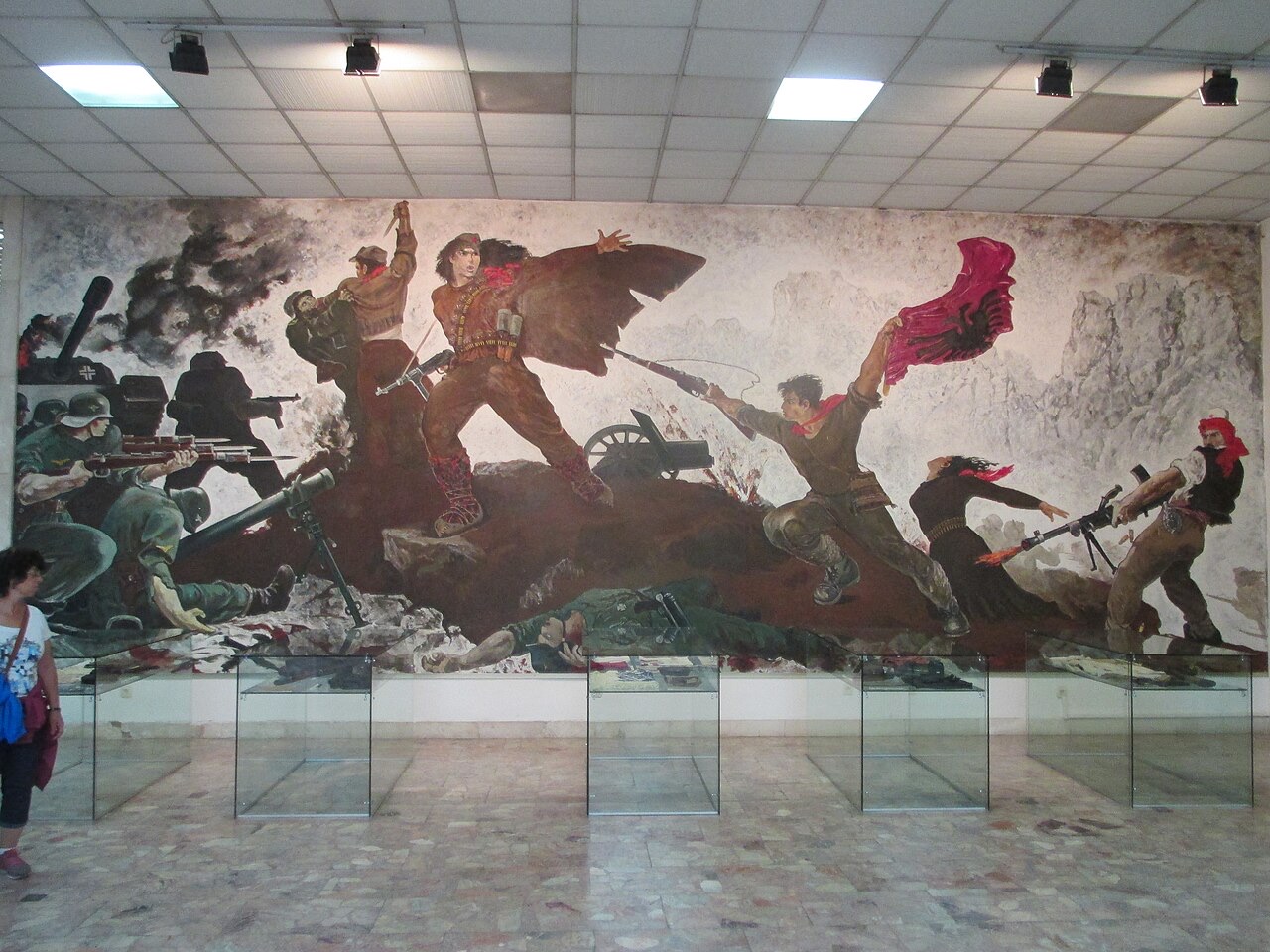
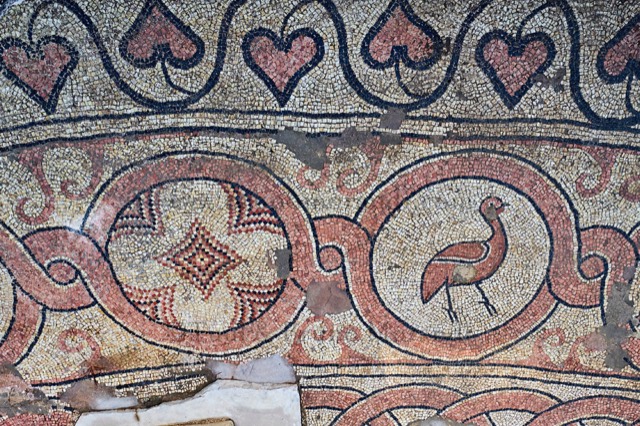
The mosaic on the National History Museum, Tirana · Avi1111 dr. avishai teicher · CC BY-SA 4.0 · Wikimedia Commons
Albania is a small country in south-east Europe, on the sea, with mountains behind. About 2.4 million people live there. It was part of the Ottoman Empire for 500 years, independent from 1912, communist and closed off from 1944 to 1991, and has been opening up since.
Albania is a small country in south-east Europe, on the sea, with mountains behind. About 2.4 million people live there. It was part of the Ottoman Empire for 500 years, independent from 1912, communist and closed off from 1944 to 1991, and has been opening up since.
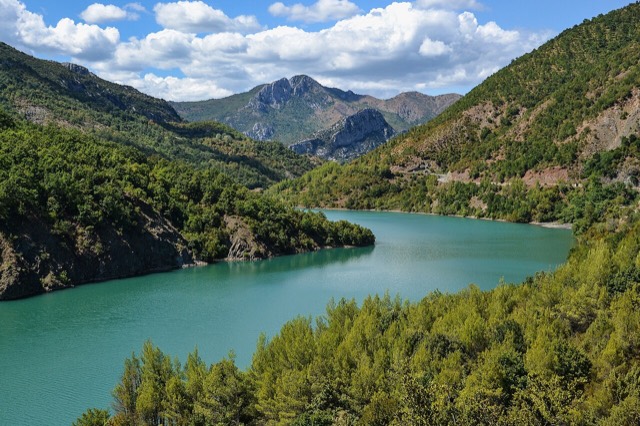
Albania sits on the eastern side of the Adriatic and Ionian seas, with Montenegro to the north-west, Kosovo to the north-east, North Macedonia to the east and Greece to the south. It is about 28,700 km² — roughly the size of Belgium or the US state of Maryland — and about 70% of it is hills and mountains.
The 2023 census recorded about 2.4 million residents, sharply down on 2011, because emigration has been very high. Roughly a third of the population lives in Tirana County. The language is Albanian, which is its own branch of the Indo-European family with no close living relative.
Illyrians, Greek colonies, Rome, Byzantium, then almost five centuries in the Ottoman Empire. Independence was declared at Vlorë on 28 November 1912. After the Second World War, Enver Hoxha's communist government ruled until 1991, banning religion in 1967 and building about 170,000 bunkers. Albania joined NATO in 2009 and became an EU candidate in 2014.
Services and tourism above all, plus construction, agriculture, energy and money sent home by Albanians abroad. Almost all electricity comes from hydropower, which means a dry year is an economic event. Italy is by far the largest trading partner.
Dit zijn echte verbanden in de Atlas — plaatsen die dicht bij deze liggen en onderwerpen waar deze pagina werkelijk bij hoort. Niets hier is een algemene aanbeveling.
A mountainous country of about 2.4 million people on the Adriatic and Ionian seas, between Montenegro, Kosovo, North…
An independent branch of the Indo-European family with no close living relative, written in a 36-letter Latin…
An upper-middle-income economy of roughly $30 billion, led by services and tourism, with remittances and construction…
Illyrian kingdoms, Roman roads, five Ottoman centuries, twenty-eight years of independence, forty-six years of the…
Deze pagina is uitsluitend gebaseerd op de gecureerde inventaris; er is nog geen externe bron aan gekoppeld.
Iets onjuist op deze pagina? Correcties zijn welkom en worden gecontroleerd aan de hand van de bronregistratie. Laat ons weten wat onjuist is en, indien mogelijk, waar het juiste cijfer vandaan komt.