Город · Tiranë
Tirana
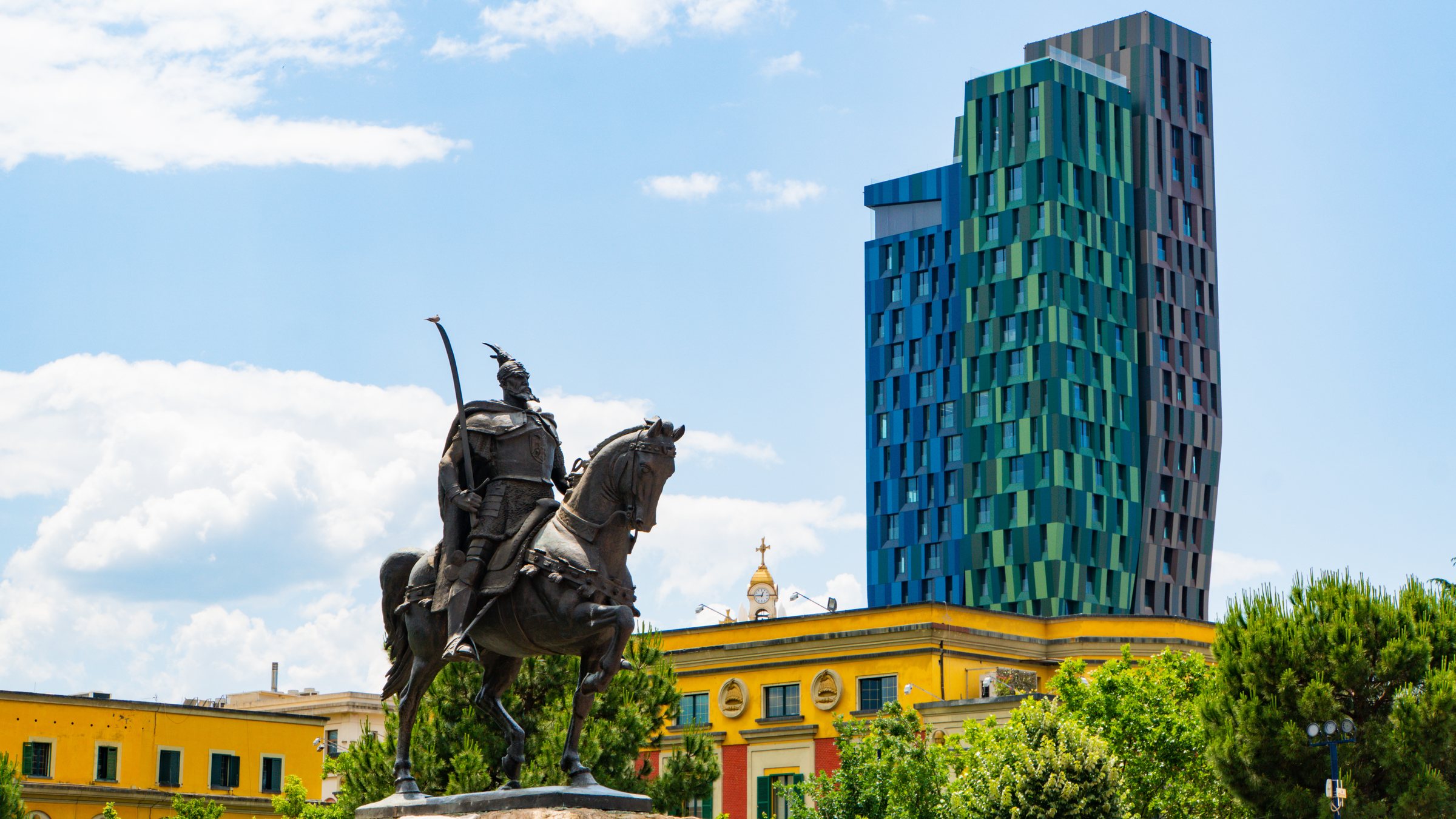
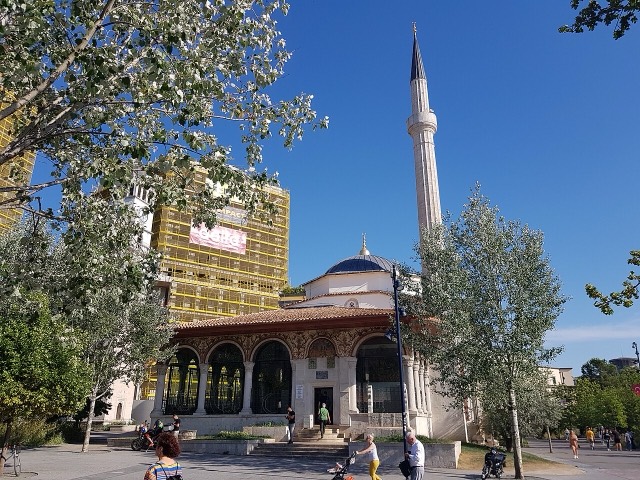
The capital: a fast-changing city of painted blocks, Ottoman survivals and new towers, under Mount Dajti.
Каждый округ, каждый берег, каждый век
Режим с пояснениями
Впервые об Албании? Каждая страница начинается с доступного объяснения, понятного даже десятилетнему ребёнку, и лишь затем переходит к подробностям.
Режим эксперта
Основы вам уже известны. Сразу к существу вопроса, без простых пояснений. Это режим по умолчанию.
Руководство
A public system funded through compulsory insurance, a growing private sector concentrated in Tirana, and the reality that complex care is often sought abroad.
Сохранить
Albania has public hospitals and private clinics. Public care is cheap for people who pay into the national insurance scheme, but it is under-resourced. Most foreign residents use private clinics and carry insurance. For serious or complex illness, many Albanians travel abroad.
Albania has public hospitals and private clinics. Public care is cheap for people who pay into the national insurance scheme, but it is under-resourced. Most foreign residents use private clinics and carry insurance. For serious or complex illness, many Albanians travel abroad.
Healthcare is funded through the compulsory health insurance fund, with primary care delivered by health centres and family doctors, and hospital care organised regionally with the university hospital centre in Tirana at the apex. Registered residents who contribute are entitled to care; charges and coverage for non-contributors differ.
The system is chronically under-funded by European standards, informal payments have been widely documented, and equipment and staffing vary sharply between Tirana and the regions.
Private hospitals and clinics have grown quickly, concentrated in Tirana. They are used by most foreign residents and by Albanians who can afford them. Costs are far below western European levels but are paid up front or through insurance.
Some private facilities have international accreditation; check specifics rather than assuming a standard.
Pharmacies are widespread and pharmacists are a normal first stop for minor complaints. Many medicines available on prescription elsewhere are obtainable over the counter, which is convenient and also a reason to be careful.
The emergency number is 112. Ambulance response times vary greatly between Tirana and rural areas.
Albania is not in the EU, so the European Health Insurance Card does not apply. Travel or expatriate health insurance is essential, and cover should be checked specifically for repatriation and for the difference between visitor and resident status.
Город · Tiranë
The capital: a fast-changing city of painted blocks, Ottoman survivals and new towers, under Mount Dajti.
Руководство
Why retirees look at Albania, what the practical constraints are, and the questions to answer before deciding.
Руководство
What the move actually involves: entry, residence, registration, banking, housing and the things people underestimate.
Руководство
Sand beaches in the centre and north, short drives, and a culture that is genuinely welcoming to children.
Руководство
Low levels of violent crime against visitors, a poor road-safety record, and a reputation shaped more by organised crime abroad…
Сравнение
A cost comparison that flatters Albania, and a healthcare and residency comparison that does not.
Нашли ошибку на этой странице? Исправления приветствуются и проверяются по исходной записи. Сообщите нам, что именно неверно, и по возможности укажите, откуда взята правильная цифра.