都市 · Tiranë
Tirana
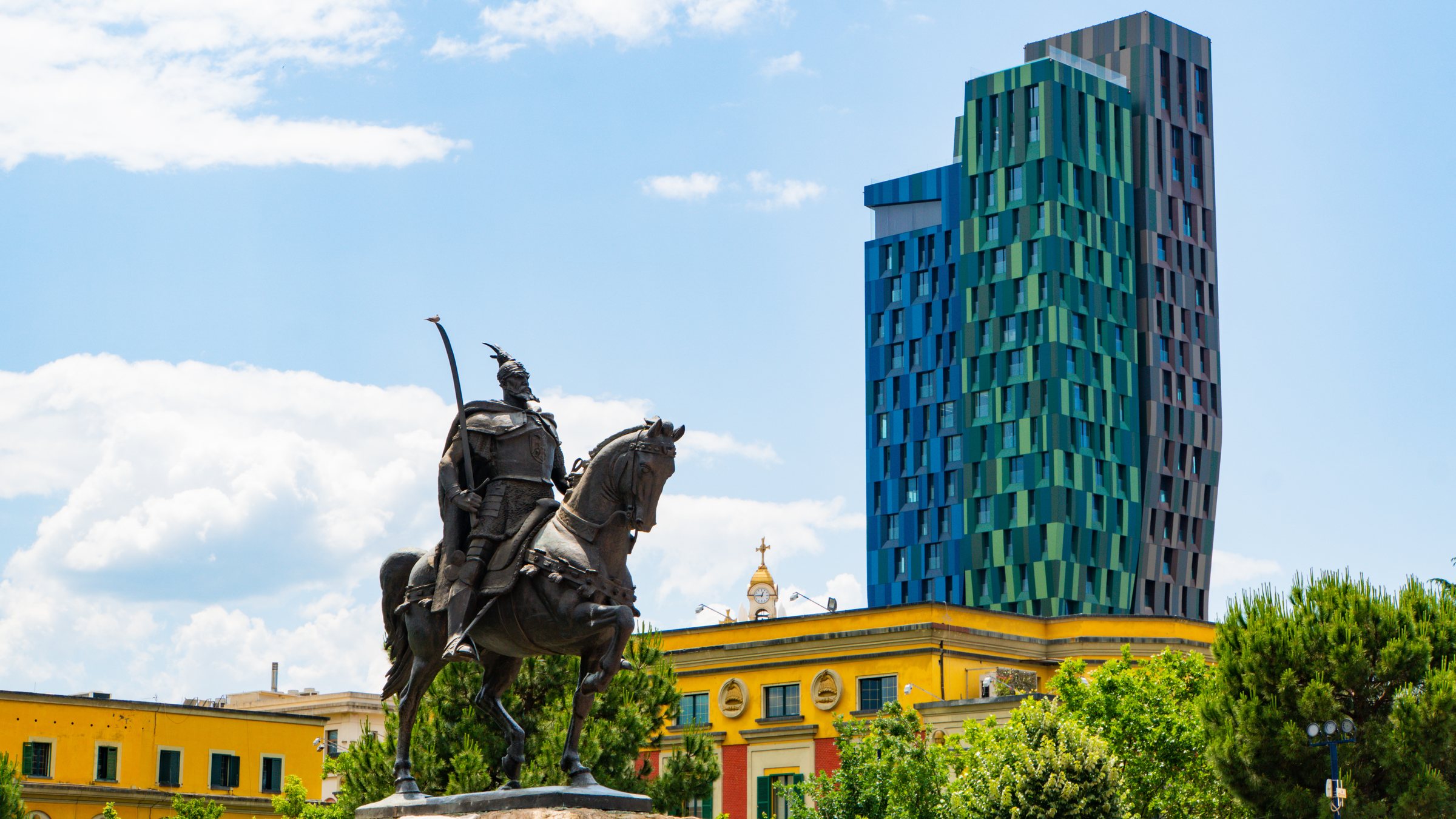
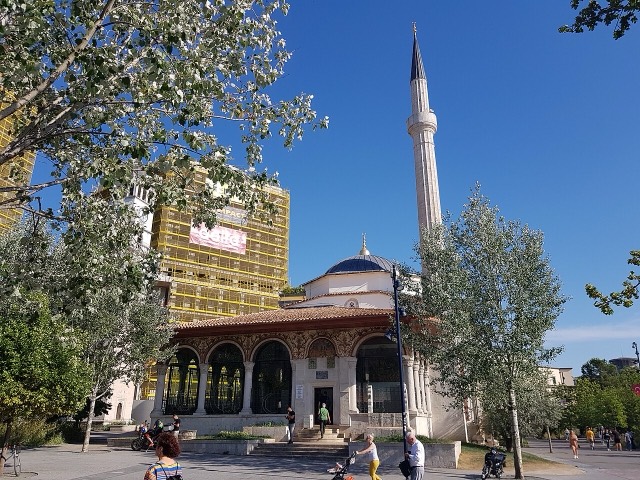
The capital: a fast-changing city of painted blocks, Ottoman survivals and new towers, under Mount Dajti.
すべての県、すべての海岸、すべての世紀
ガイドビュー
アルバニアを初めて知る方へ。各ページは、詳細に入る前に、10歳の子どもにも読み聞かせられる平易な説明から始まります。
エキスパートビュー
基本知識はすでにお持ちの方向け。平易な説明を非表示にし、内容を直接表示します。これがデフォルトです。
ガイド
A public system funded through compulsory insurance, a growing private sector concentrated in Tirana, and the reality that complex care is often sought abroad.
保存
Albania has public hospitals and private clinics. Public care is cheap for people who pay into the national insurance scheme, but it is under-resourced. Most foreign residents use private clinics and carry insurance. For serious or complex illness, many Albanians travel abroad.
Albania has public hospitals and private clinics. Public care is cheap for people who pay into the national insurance scheme, but it is under-resourced. Most foreign residents use private clinics and carry insurance. For serious or complex illness, many Albanians travel abroad.
Healthcare is funded through the compulsory health insurance fund, with primary care delivered by health centres and family doctors, and hospital care organised regionally with the university hospital centre in Tirana at the apex. Registered residents who contribute are entitled to care; charges and coverage for non-contributors differ.
The system is chronically under-funded by European standards, informal payments have been widely documented, and equipment and staffing vary sharply between Tirana and the regions.
Private hospitals and clinics have grown quickly, concentrated in Tirana. They are used by most foreign residents and by Albanians who can afford them. Costs are far below western European levels but are paid up front or through insurance.
Some private facilities have international accreditation; check specifics rather than assuming a standard.
Pharmacies are widespread and pharmacists are a normal first stop for minor complaints. Many medicines available on prescription elsewhere are obtainable over the counter, which is convenient and also a reason to be careful.
The emergency number is 112. Ambulance response times vary greatly between Tirana and rural areas.
Albania is not in the EU, so the European Health Insurance Card does not apply. Travel or expatriate health insurance is essential, and cover should be checked specifically for repatriation and for the difference between visitor and resident status.
都市 · Tiranë
The capital: a fast-changing city of painted blocks, Ottoman survivals and new towers, under Mount Dajti.
ガイド
Why retirees look at Albania, what the practical constraints are, and the questions to answer before deciding.
ガイド
What the move actually involves: entry, residence, registration, banking, housing and the things people underestimate.
ガイド
Sand beaches in the centre and north, short drives, and a culture that is genuinely welcoming to children.
ガイド
Low levels of violent crime against visitors, a poor road-safety record, and a reputation shaped more by organised crime abroad…
比較
A cost comparison that flatters Albania, and a healthcare and residency comparison that does not.
このページに誤りがありますか? 修正は歓迎しており、原典記録と照合して確認します。何が誤っているか、また可能であれば正しい数値の出典をお知らせください。