Stad · Tiranë
Tirana
The capital: a fast-changing city of painted blocks, Ottoman survivals and new towers, under Mount Dajti.
Elke provincie, elke kust, elke eeuw
Begeleidende weergave
Nieuw in Albanië? Elke pagina begint met een uitleg in eenvoudige taal die u aan een tienjarige zou kunnen voorlezen, voordat de details beginnen.
Expertweergave
U kent de basis al. Meteen naar de kern, met de eenvoudige uitleg verborgen. Dit is de standaardinstelling.
Gids
A nine-year compulsory base, a public university system centred on Tirana, and a handful of international schools.
Opslaan
Albanian children go to school from age six for nine years, then to secondary school. There are public and private universities, most of them in Tirana, and a few international schools for children who need to study in English.
Albanian children go to school from age six for nine years, then to secondary school. There are public and private universities, most of them in Tirana, and a few international schools for children who need to study in English.
Compulsory education covers nine years of basic schooling from about age six, followed by upper secondary — general (gymnasium) or vocational. Instruction is in Albanian, with provision for recognised minority languages in some areas.
A small number of international and bilingual schools operate, almost all in Tirana, offering English-medium curricula. Fees are high relative to Albanian incomes and are the single largest cost most relocating families face.
The University of Tirana is the oldest and largest institution. The Polytechnic University, the Agricultural University and the medical university were all originally its faculties. Regional public universities operate in Shkodër, Elbasan, Korçë, Vlorë, Gjirokastër and Durrës, and there is a substantial private sector.
Emigration of graduates is a persistent and openly discussed problem.
Foreign qualifications need recognition through the responsible national agency for use in Albania, and Albanian qualifications need equivalent recognition abroad. Start this early; it is slower than people expect.
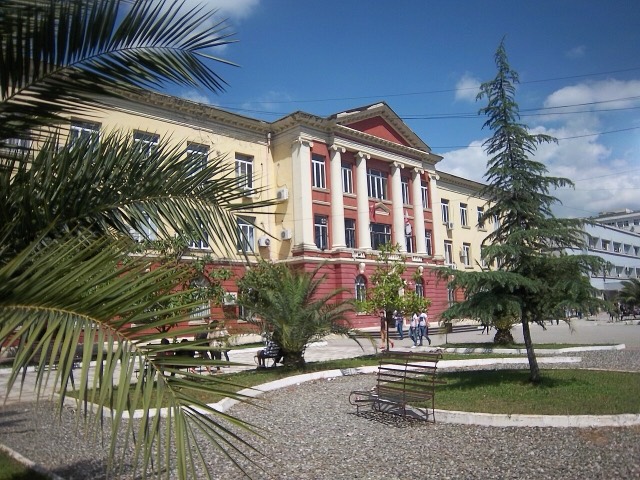
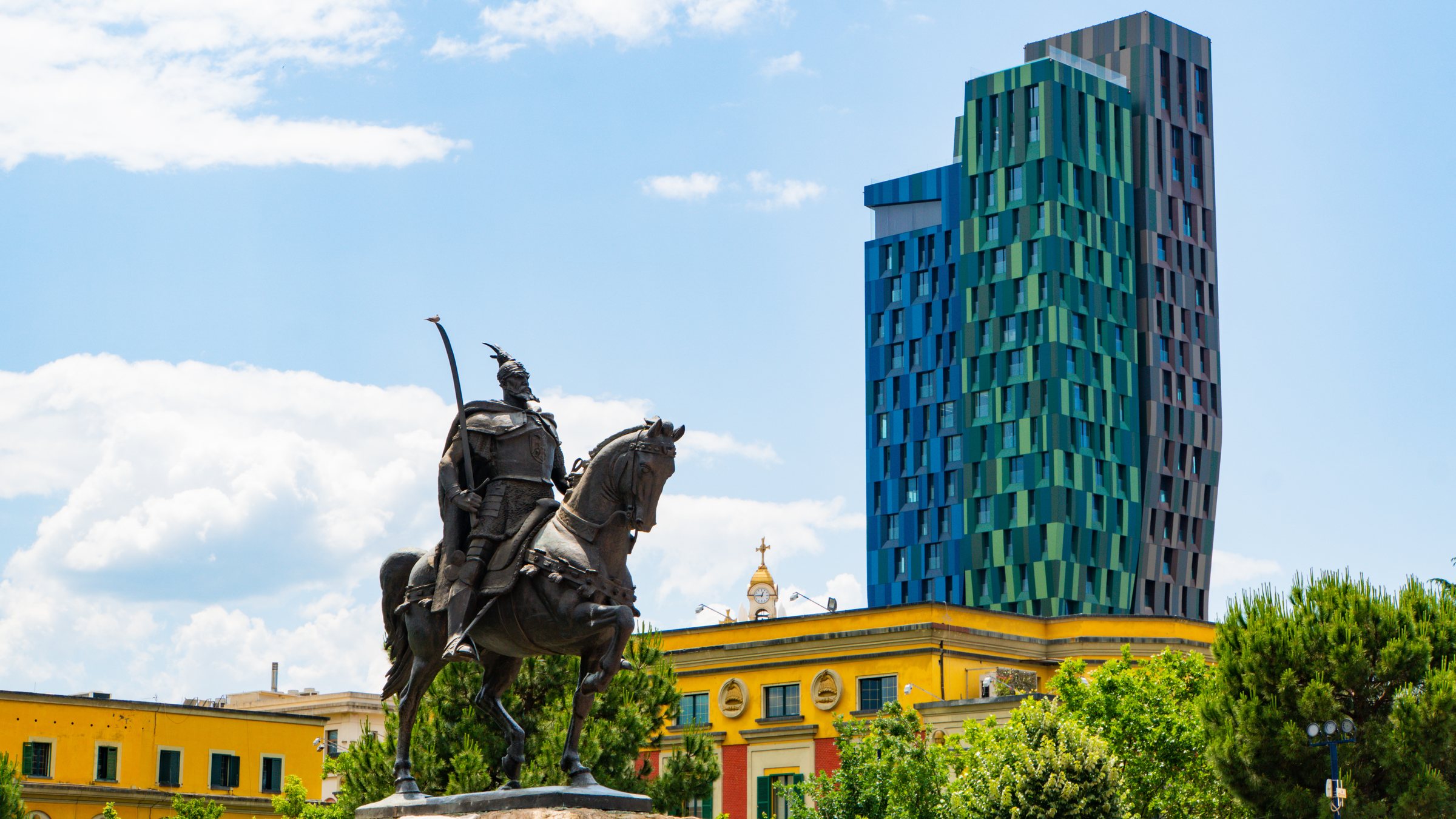
Stad · Tiranë
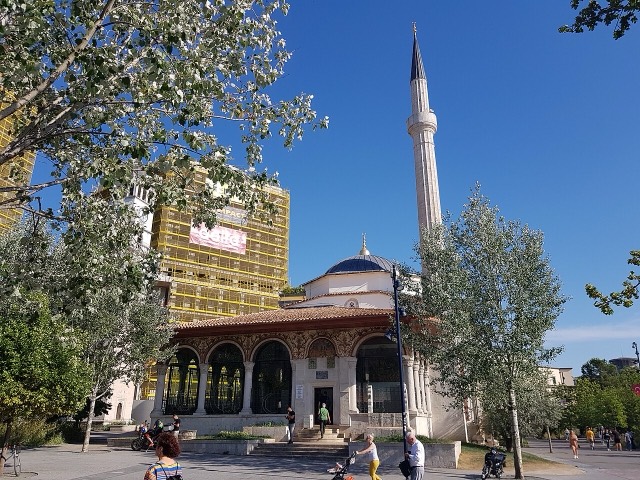
The capital: a fast-changing city of painted blocks, Ottoman survivals and new towers, under Mount Dajti.
Universiteit · Tiranë
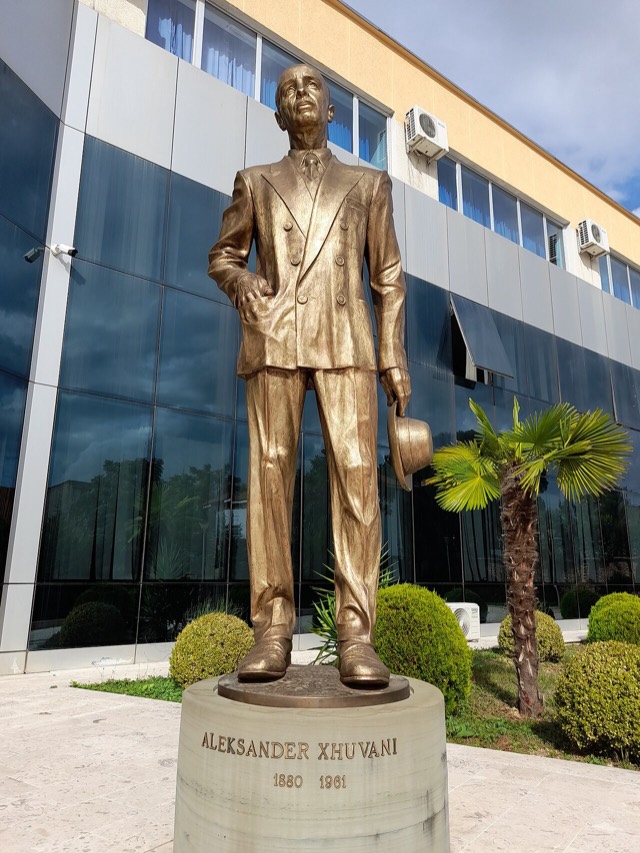
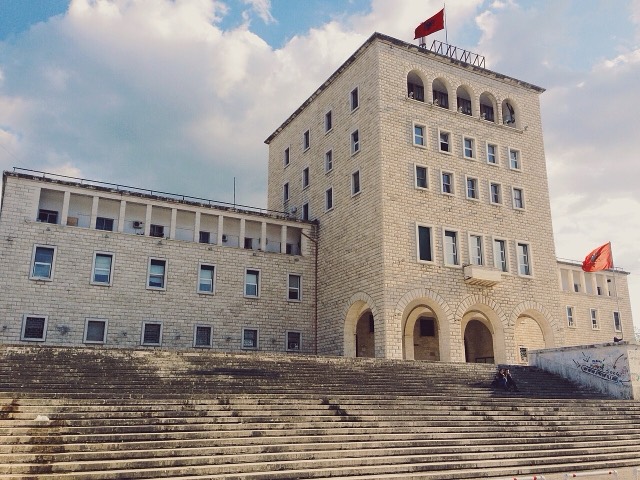
Albania's oldest and largest university, formed from the merger of the country's first higher institutes.
Gids
What the move actually involves: entry, residence, registration, banking, housing and the things people underestimate.
Universiteit · Elbasan
A central-Albania university built on the country's oldest teacher-training tradition.
Universiteit · Vlorë
A coastal university with a marine, maritime and technical focus.
Universiteit · Tiranë
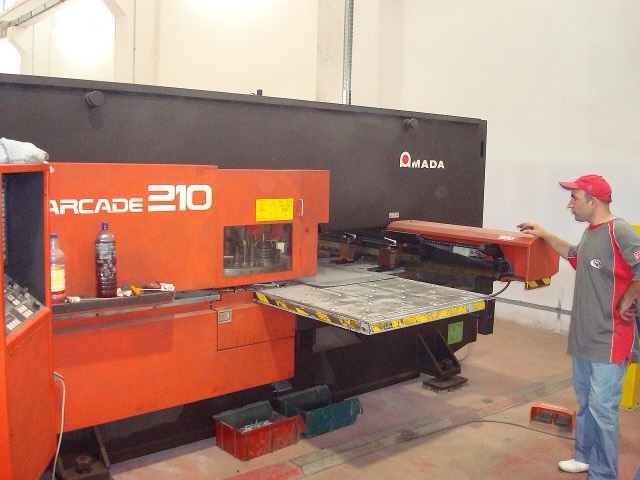
Albania's principal engineering and applied-science university, formerly the engineering faculties of the University of Tirana.
Universiteit · Tiranë
The national centre for agronomy, veterinary medicine, forestry and food science.
Universiteit · Korçë
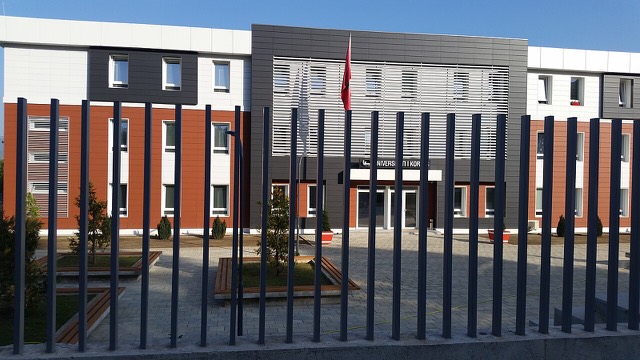
The public university of the south-eastern highlands.
Iets onjuist op deze pagina? Correcties zijn welkom en worden gecontroleerd aan de hand van de bronregistratie. Laat ons weten wat onjuist is en, indien mogelijk, waar het juiste cijfer vandaan komt.