Assunto
Besa
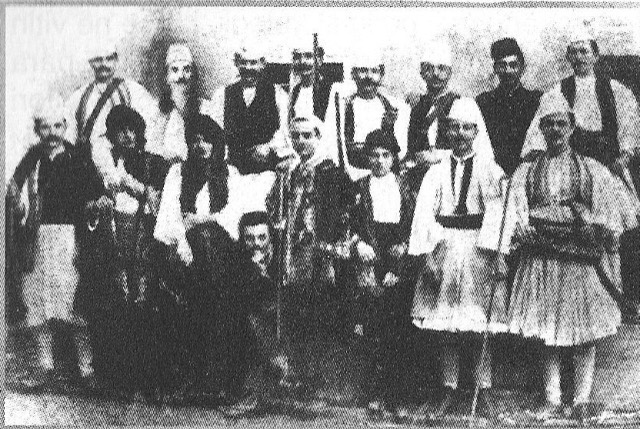
The customary obligation of keeping one's word — the principle behind Albania's wartime sheltering of Jewish refugees.
Cada condado, cada costa, cada século
Vista guiada
Novo na Albânia? Cada página começa com uma explicação em linguagem simples, acessível a uma criança de dez anos, antes de entrar em pormenor.
Vista para especialistas
Já conhece o essencial. Direto ao conteúdo, com as explicações simples ocultadas. Esta é a vista predefinida.
Gastronomia
Whole fruit or peel boiled slowly in syrup and served by the spoonful to guests.
Guardar
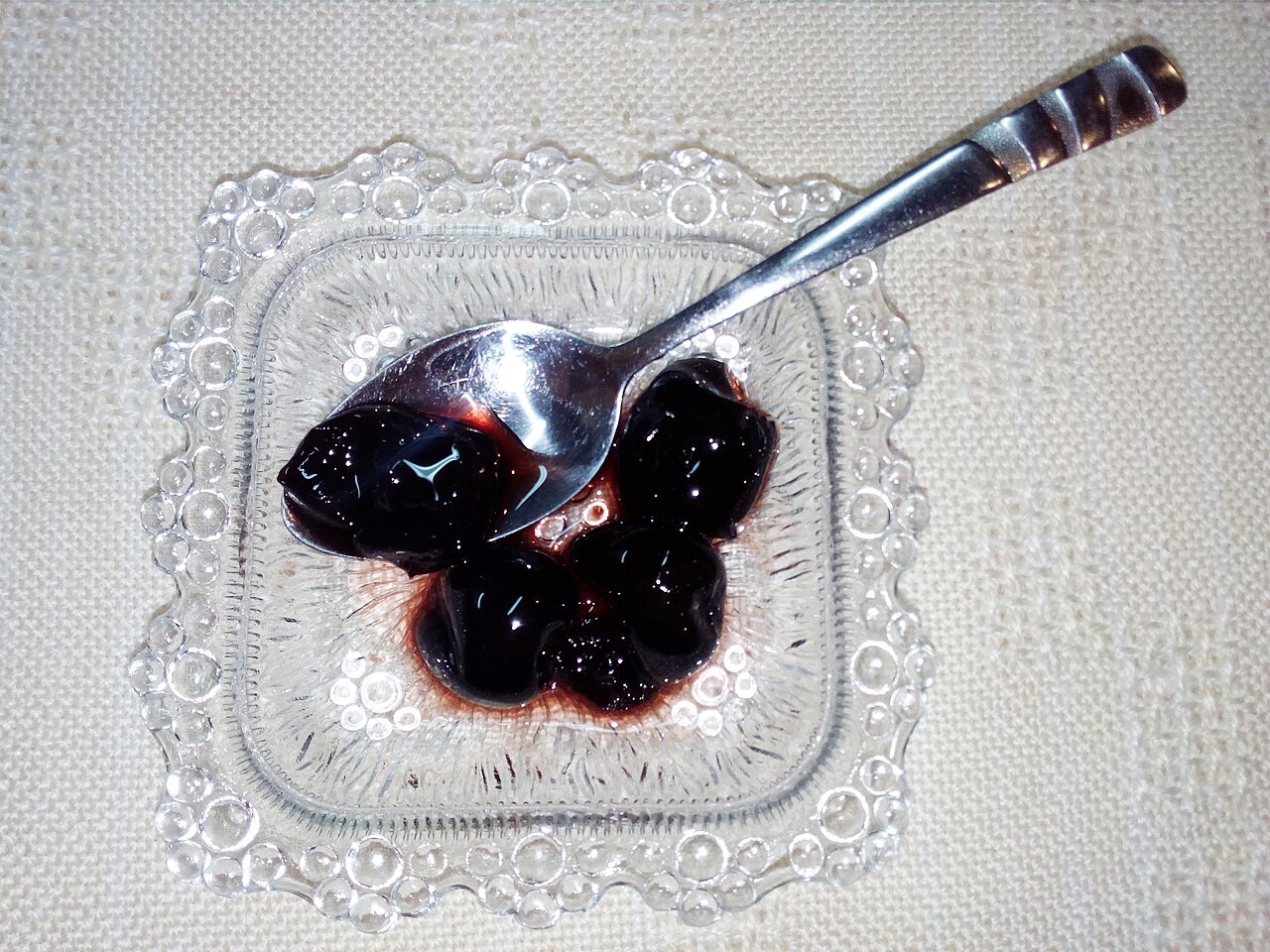
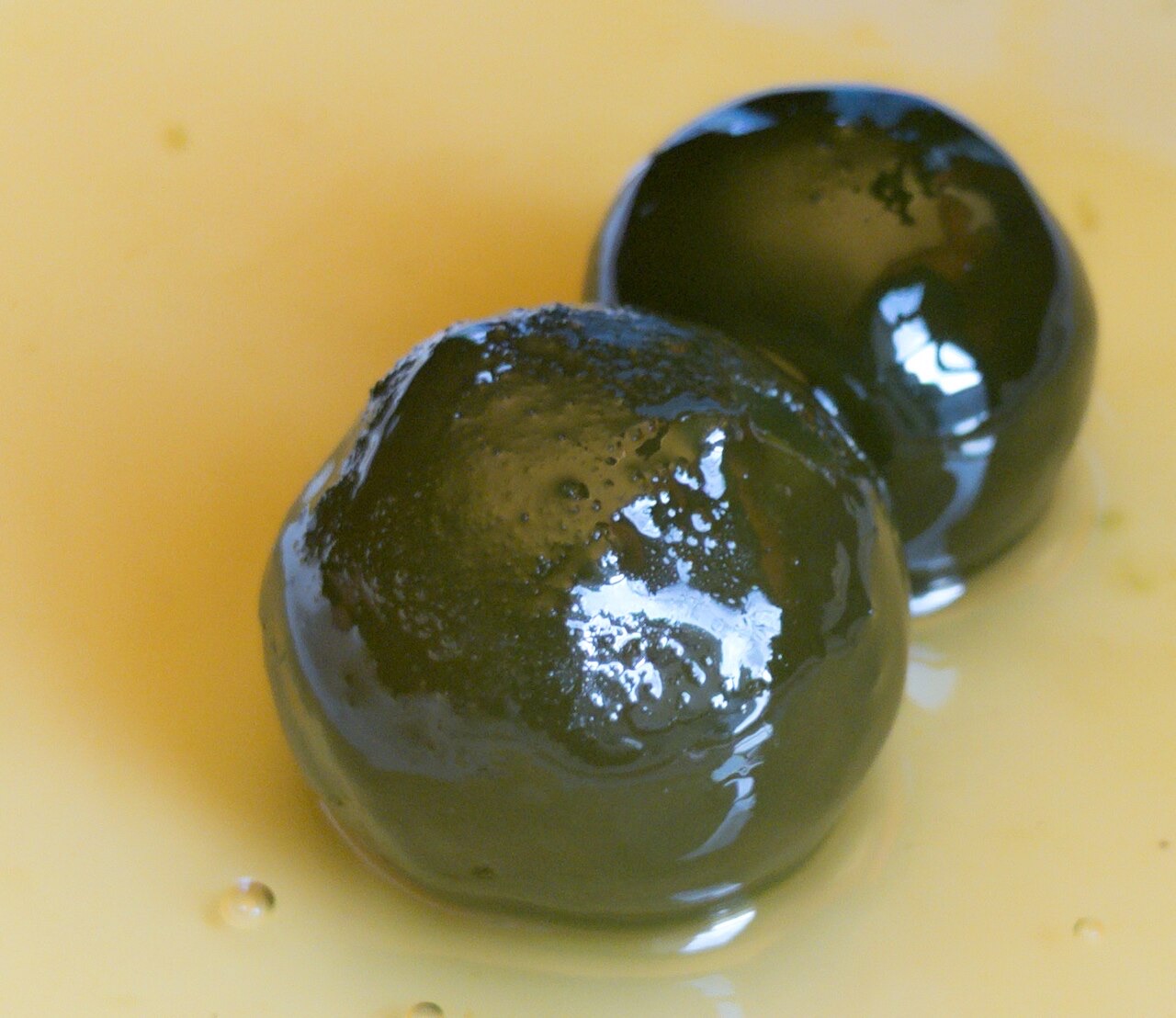
Gliko is fruit — cherries, figs, walnuts, watermelon rind — cooked slowly in sugar syrup until it is soft and glossy. A spoonful is offered to visitors with a glass of water. Përmet is especially known for it.
Gliko is fruit — cherries, figs, walnuts, watermelon rind — cooked slowly in sugar syrup until it is soft and glossy. A spoonful is offered to visitors with a glass of water. Përmet is especially known for it.
Gliko, known in Albanian as reçel, is a category of spoon sweet preserve common throughout Albanian cuisine. The term 'spoon sweet' describes fruit or other ingredients cooked slowly in sugar syrup until the syrup sets, then served by the teaspoon as a gesture of hospitality. The practice is shared with neighbouring traditions in Greece, Cyprus, and other parts of the Balkans.
In Albania and Kosovo, reçel is typically prepared at home and stored in sealed jars. It is kept ready to be offered to guests and family members, particularly on festival days. The home-made character of the preparation distinguishes Albanian practice from commercial production, which more commonly substitutes glucose syrup for sugar.
Gliko in Albania is generally eaten in combination with xhezve coffee. The sweetness of the preserve is understood to balance the bitterness of the coffee, making the two items complementary rather than sequential. This pairing reflects a wider Balkan and Eastern Mediterranean convention in which spoon sweets, cold water, and coffee are served together to guests.
The combination of a small quantity of intensely sweet preserve alongside a strong, unsweetened or lightly sweetened coffee is functional as well as social: the sugar in the preserve offsets the astringency of the brew without requiring the coffee itself to be sweetened.
A range of fruits and vegetables are used in Albanian spoon sweet production. Documented varieties include reçel i kumbullave (plum), reçel i ftoit (quince), reçel i mollave (apple), reçel i portokallit (orange), reçel i rrushit (grape), and reçel i kungullit me arra (pumpkin with nuts). The inclusion of pumpkin with nuts indicates that Albanian practice, like that elsewhere in the region, extends beyond fruit to incorporate vegetables and nuts.
Sour and bitter fruits are especially valued in spoon sweet traditions across the broader region, and quince and plum — both of which feature prominently in the Albanian list — fit this preference. The quince in particular requires cooking to become palatable, making the slow sugar-syrup method well suited to it.
Spoon sweets are produced by slowly and gently boiling the chosen fruit in water and sugar over several hours or, in some cases, days, until the syrup reaches a set consistency. A well-made spoon sweet retains the original shape, colour, aroma, and taste of the fruit. The overall method is essentially the same as marmalade production, with the key distinction that fruit pieces remain firm and whole rather than broken down.
Lemon juice is sometimes added during cooking, as the citric acid prevents oxidation and helps preserve the fruit's original colour. Small quantities of blanched almonds, whole or slivered, may be added to certain varieties for additional texture. Aromatic additions such as cinnamon bark, mint, or geranium leaves may be introduced during boiling and then removed before serving.
Almost any fruit can be used. Fruits with delicate flesh, such as watermelon and melon, are traditionally made using the rind rather than the flesh, which cannot retain its texture through the cooking process. Citrus peels, citrus blossoms, green unripe walnuts, pistachios, hazelnuts, flower petals, baby eggplants, and cherry tomatoes are among the non-standard ingredients recorded in the broader tradition.
Gliko is served by the teaspoon, typically in a small porcelain or crystal glass dish or bowl. Across the broader spoon sweet tradition of which Albanian reçel forms a part, the preserve is offered to guests alongside coffee or tea and a glass of cold water. The act of serving spoon sweets to a visitor carries an explicit hospitality function.
Beyond the guest-reception context, spoon sweets can also be eaten alone, served with cheese, or used as toppings for ice cream or yogurt. They may also be spread on toast in the manner of Western fruit preserves, though this is described as a less traditional use.
Albanian reçel is generally made at home and preserved in old jars, a practice that keeps the product available across seasons and ready for use on festival days or when guests arrive. Home production using sugar is distinguished in the wider literature from commercial spoon sweets, which are more likely to use glucose syrup on grounds of cost and ease of preparation.
The patience required by the slow-boiling method is noted in the broader tradition as one of the main prerequisites for producing good spoon sweets alongside the use of a heavy cooking pot. The long, careful cooking process is what allows the fruit to remain intact while the syrup reaches the correct consistency.
Assunto
The customary obligation of keeping one's word — the principle behind Albania's wartime sheltering of Jewish refugees.
Assunto
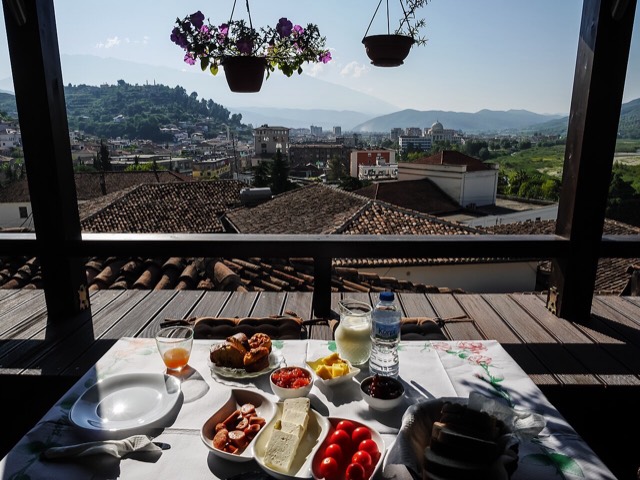
Mediterranean at the coast, Balkan and Ottoman inland, dairy-heavy in the mountains.
Vila · Gjirokastër
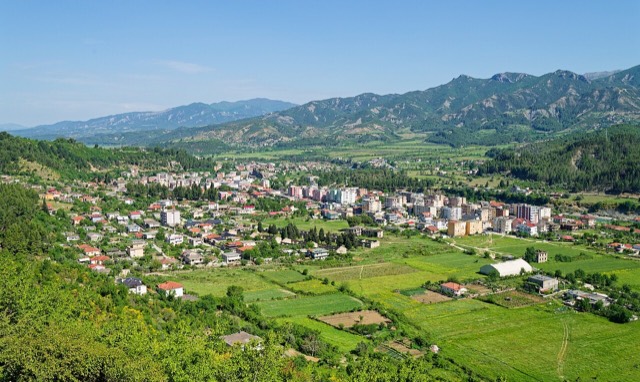
A small Vjosa-side town known for its fruit preserves, thermal baths and polyphonic singing.
Algo errado nesta página? As correções são bem-vindas e verificadas em confronto com o registo de origem. Indique o que está errado e, se possível, de onde provém o valor correto.