الموضوع
Albanian Cuisine
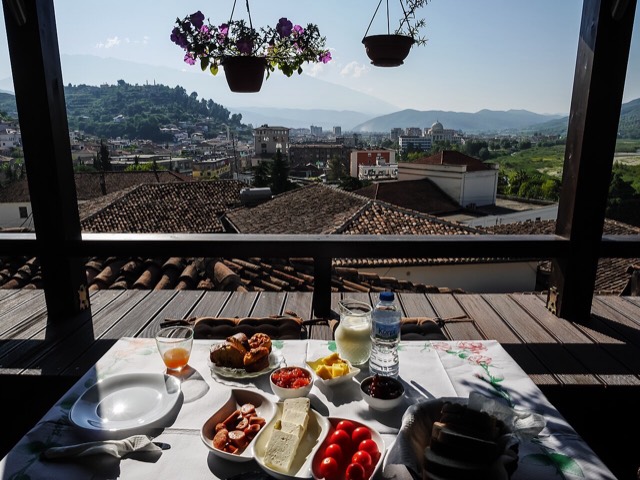
Mediterranean at the coast, Balkan and Ottoman inland, dairy-heavy in the mountains.
كل مقاطعة، كل ساحل، كل قرن
عرض إرشادي
هل أنت جديد على ألبانيا؟ تفتتح كل صفحة بشرح مبسّط يمكن قراءته لطفل في العاشرة من عمره، قبل أن تبدأ التفاصيل.
عرض للمتخصصين
أنت تعرف الأساسيات بالفعل. مباشرةً إلى الجوهر، مع إخفاء الشروح المبسّطة. هذا هو الوضع الافتراضي.
طعام
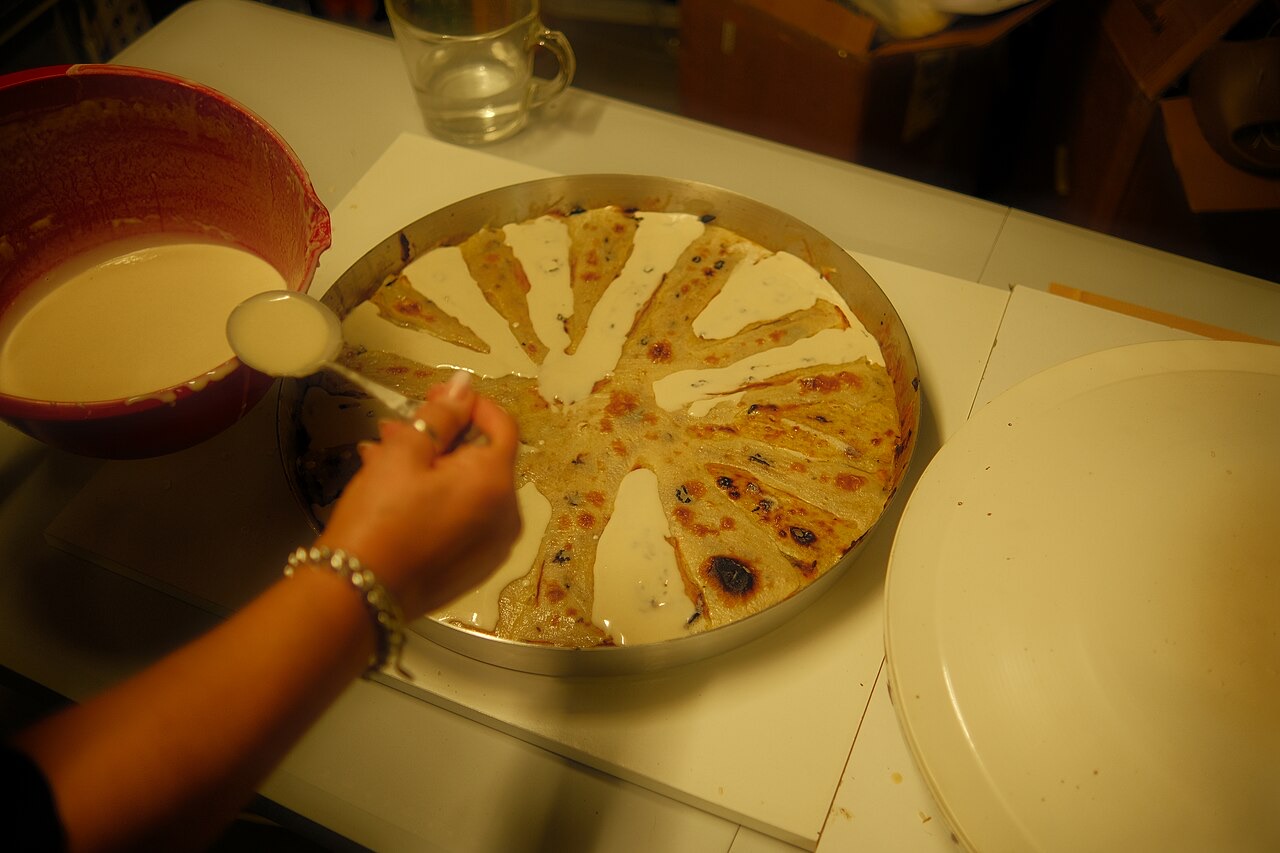
Concentric crepe layers built up one at a time under a hot metal lid — a northern highland dish that takes hours.
حفظ
Flija is made outdoors by pouring batter in rings under a hot iron lid, layer after layer, until it becomes a thick striped pancake. It takes hours and is usually made for guests or family gatherings. It is eaten with yoghurt or honey.
Flija is made outdoors by pouring batter in rings under a hot iron lid, layer after layer, until it becomes a thick striped pancake. It takes hours and is usually made for guests or family gatherings. It is eaten with yoghurt or honey.
Flia (also spelled flija; Albanian indefinite form: fli) is an Albanian dish associated with northern Albania and the cuisine of Kosovo. It consists of multiple crêpe-like layers brushed with cream and served with sour cream and butter. The dish is savory, not sweet, and is eaten as a main course, typically at lunch or dinner.
The name translates directly to 'sacrifice' in Albanian, linking the dish to its ritual origins. Flia is prepared in the shape of the Sun — known in Albanian as Dielli — and incorporates sunbeam patterns into its form, reflecting its connection to solar symbolism in Albanian tradition.
March 17 is recognized as 'Flia Day' within the traditional Albanian festivities of Verëza, which marks the spring equinox. On this date, families invite relatives to participate in the preparation and eating of flia together.
It is assumed — though not stated as established historical fact in the available record — that Albanians began preparing flia for Verëza as a sacrifice to the Sun-god. In Kosovo, flia is also traditionally eaten on Sundays, giving it a recurring role in the weekly calendar beyond its spring equinox occasion.
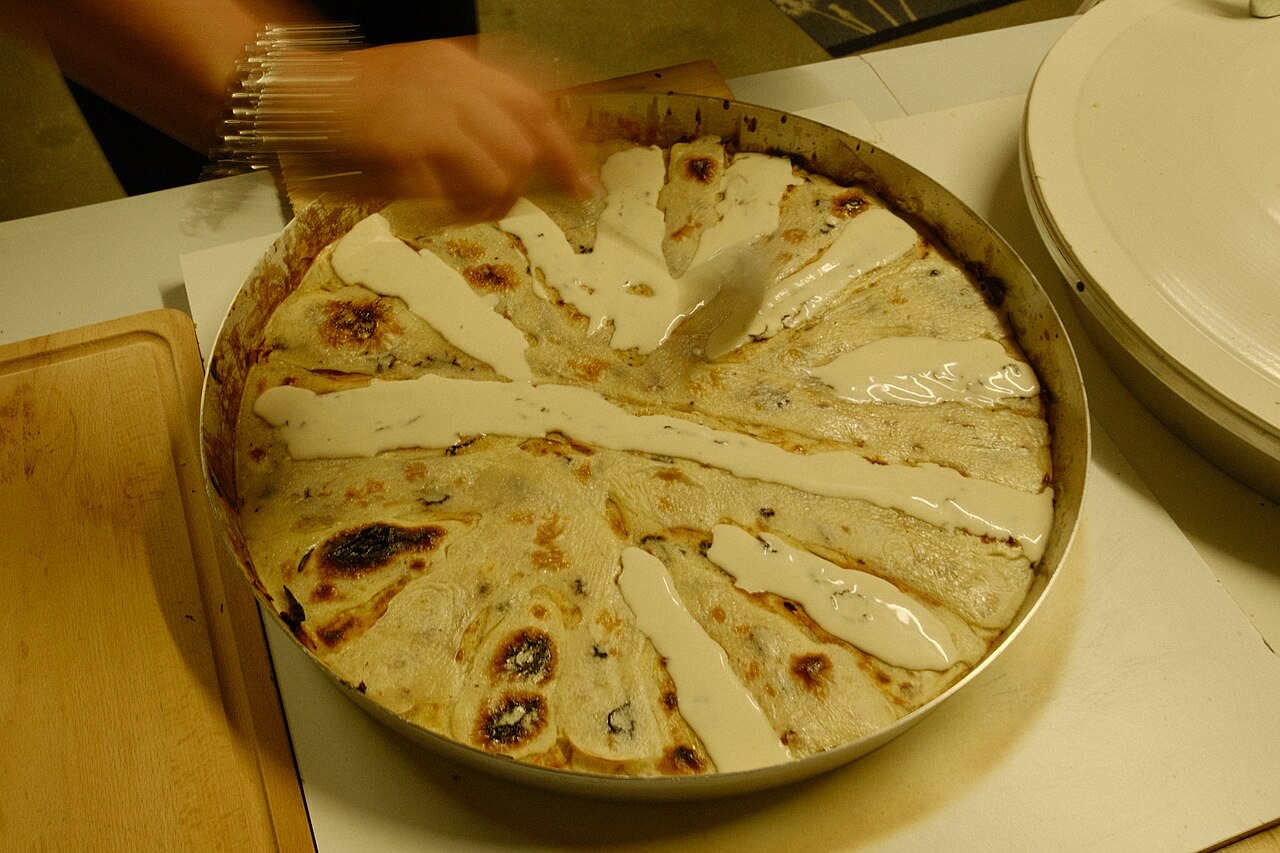
Flia requires simple ingredients: flour, water, butter, yogurt, eggs, oil, and salt. Some variations substitute kaymak — a rich dairy product — as the filling in place of the standard cream. The basic batter is made by mixing flour, water, and salt until the mixture reaches a consistency similar to pancake batter.
Despite the simplicity of its components, flia is noted for the considerable time required to prepare it. It is not a quick everyday preparation but a dish whose making is treated as a communal or ceremonial activity.
The defining structural feature of flia is its multiple layers. Successive layers of batter are applied and baked in sequence, building up the dish gradually. Each layer is brushed with cream before the next is added, producing the characteristic stratified texture of the finished dish.
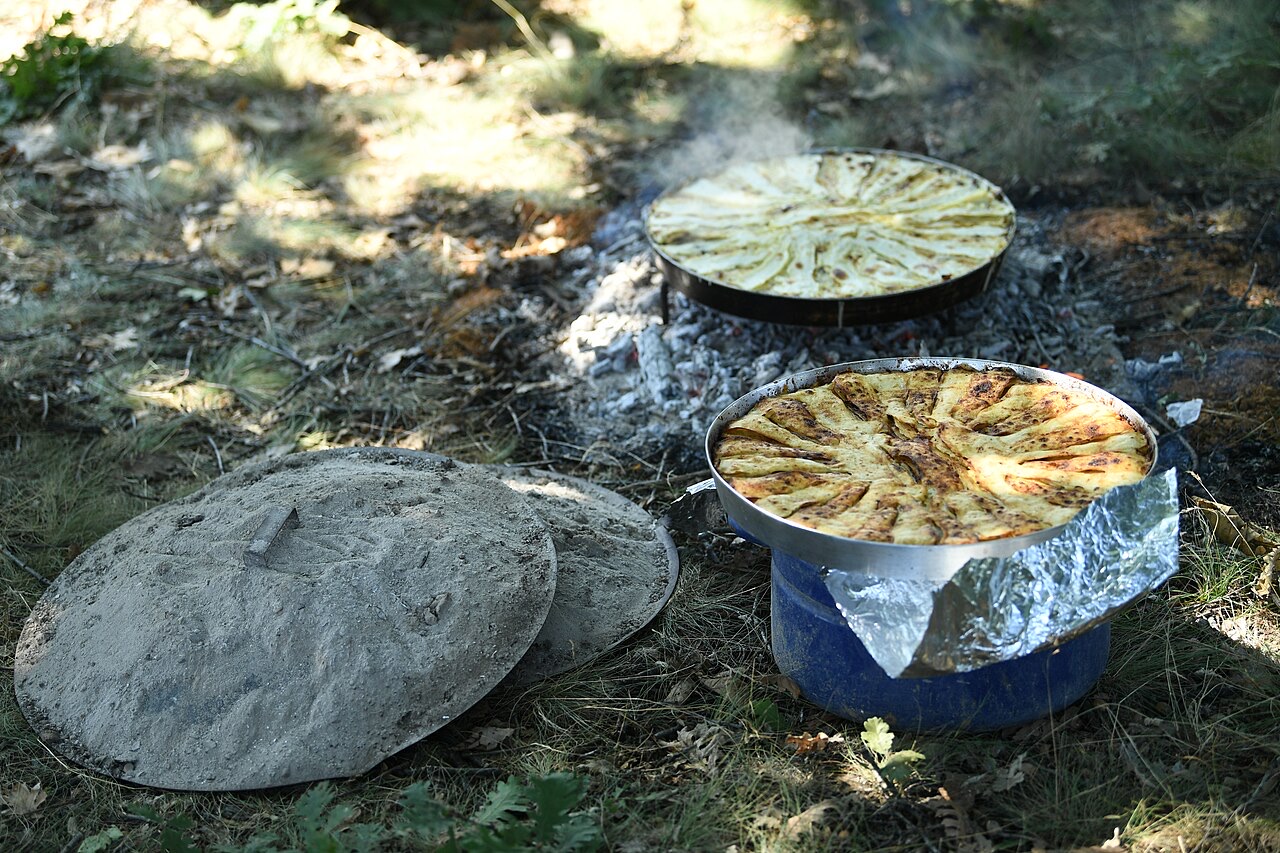
Baking is carried out using a saq, a spherical metal lid placed over the layers. This traditional implement is specific to this style of cooking and is central to achieving the correct result. The use of the saq distinguishes flia from dishes baked in conventional ovens or pans.
Once prepared, flia is served with sour cream and butter. It is a savory dish eaten as a main course rather than a dessert or sweet accompaniment. Meal occasions are lunch and dinner.
The communal nature of preparation — particularly on Flia Day on March 17 — means the dish functions as much as a social and ritual object as a food. Families gather specifically to make and eat it together, with the process of preparation being part of the occasion itself.
Flia is identified with northern Albania and with Kosovo, placing it within a specific geographic and cultural zone of Albanian-speaking communities. It is not described in the source as widespread across all Albanian cuisine, but as typical of these northern and Kosovar traditions.
Regional variation exists in the filling: while cream is the standard, some versions use kaymak instead. Beyond this substitution, the core structure — layered batter baked with a saq, served with sour cream and butter — remains consistent across documented versions of the dish.
الموضوع
Mediterranean at the coast, Balkan and Ottoman inland, dairy-heavy in the mountains.
سلسلة جبلية · Shkodër
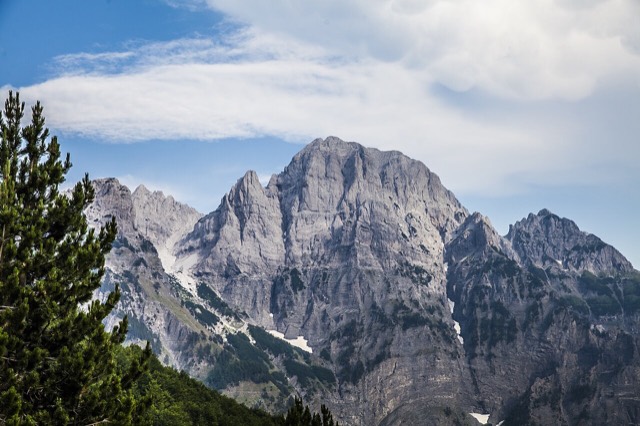
The limestone wall of the far north — locally the Accursed Mountains — shared with Montenegro and Kosovo.
قرية · Shkodër
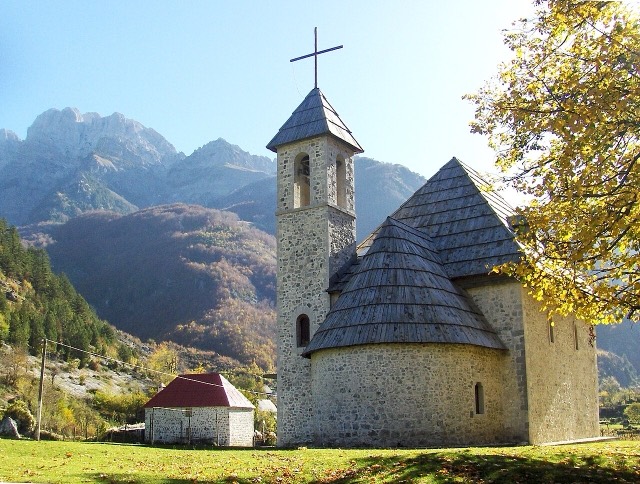
A glacial valley village in the Albanian Alps: a lock-in tower, a waterfall, and one end of the country's best-known trek.
طعام
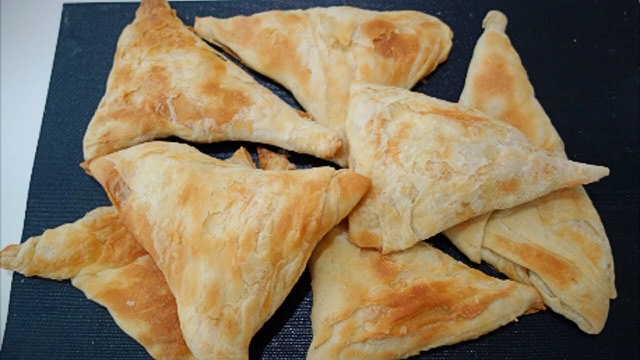
The everyday Albanian pie: hand-stretched pastry layered with cheese, spinach, leek, meat or tomato.
ثمة خطأ في هذه الصفحة؟ نرحب بالتصويبات وتُراجَع في مواجهة سجل المصدر. أخبرنا بما هو خاطئ، وإن أمكن، بالمكان الذي يأتي منه الرقم الصحيح.