Cơ sở năng lượng
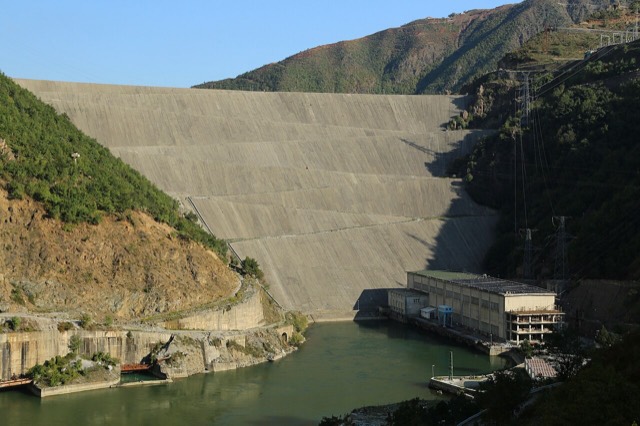
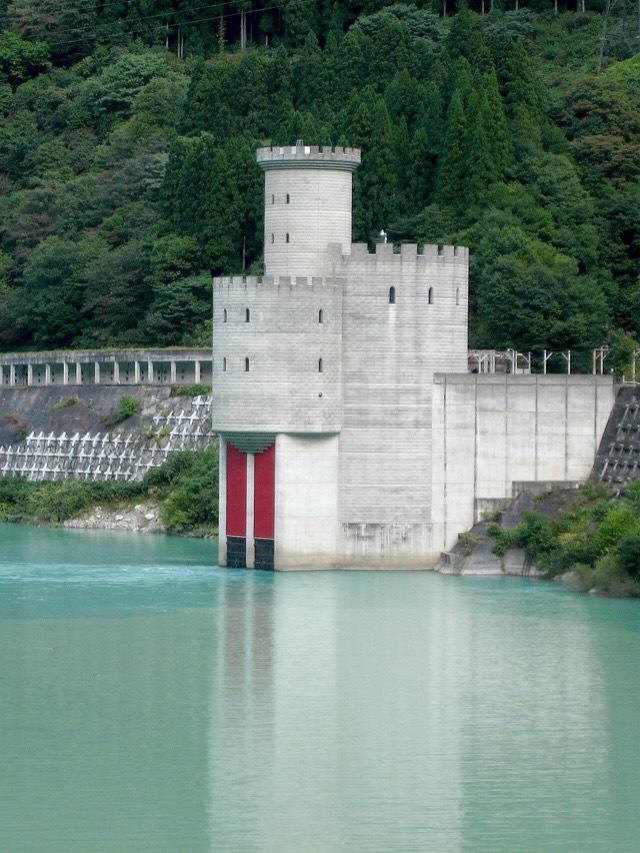
Fierza Hydropower Plant
The uppermost and largest of the Drin dams, creating a reservoir shared with Kosovo.
🧭 Chế độ hướng dẫn
Mới tìm hiểu về Albania? Mỗi trang mở đầu bằng một giải thích ngôn ngữ đơn giản mà bạn có thể đọc cho một đứa trẻ mười tuổi, trước khi đi vào chi tiết.
⚡ Chế độ chuyên gia
Bạn đã nắm được những điều cơ bản. Đi thẳng vào nội dung, với các giải thích đơn giản được ẩn đi. Đây là chế độ mặc định.
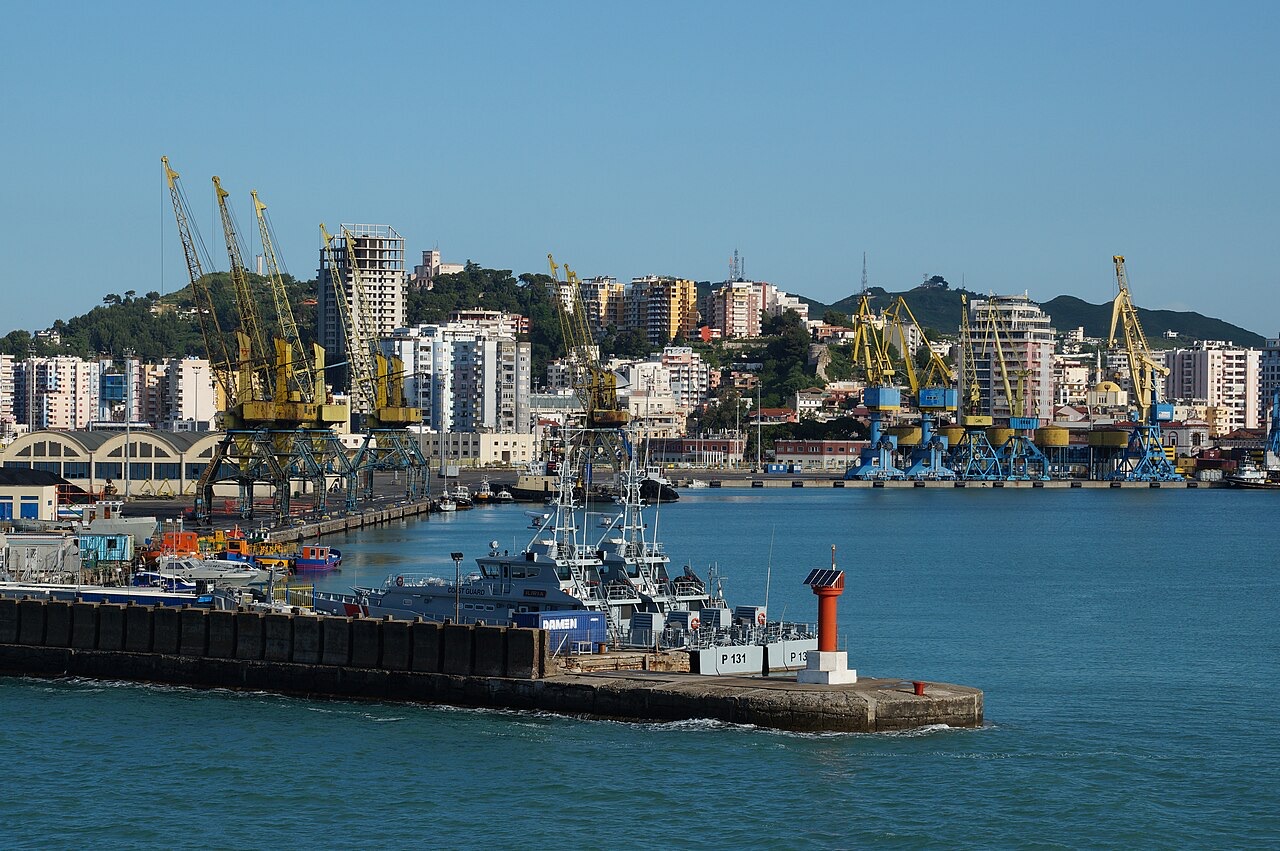
The Port of Durrës · Albinfo · CC BY-SA 4.0 · Wikimedia Commons
KESH is the state-owned company that produces most of Albania's electricity, mainly from the three big dams on the Drin river.
KESH is the state-owned company that produces most of Albania's electricity, mainly from the three big dams on the Drin river.
KESH (Korporata Elektroenergjitike e Shqipërisë), known in English as the Albanian Power Corporation, traces its institutional origins to 1957, when the General Directorate of Electric Power Plants (DPCE) was established as the sole entity responsible for the production, transmission, and distribution of electricity in Albania, as well as exchanges with neighbouring countries. This vertically integrated structure remained in place for decades, managing the entire electricity supply chain under a single state body.
In 1992, DPCE was reorganised and renamed the Albanian Power Corporation. Three years later, in 1995, it was reconstituted as an anonymous company — equivalent to a joint-stock company — with all shares retained by the Albanian state. The formal act of establishment is dated 17 October 1995, and the company was registered in the District Court of Tirana under Decision No. 12728, dated 6 November 1995.
Starting in 2001, KESH underwent a series of structural reforms intended to align Albanian energy legislation with European Union standards, particularly requirements concerning the separation of natural monopoly functions from competitive ones. The 2001 Statute of KESH sh.a. formally provided for the division of transmission, distribution, and energy production into distinct functions.
In 2004, the transmission function was separated from KESH and the Broadcasting System Operator (OST) was established as an independent entity. In 2007, the distribution and retail supply functions were similarly separated, resulting in the creation of the Distribution System Operator Company (DSO). By 2015, KESH's activities formally covered production, wholesale public supply, and trading of electricity.
In 2016, KESH was relieved of its wholesale public supply function, narrowing its remit to electricity production, trading, and the maintenance and development of its generating infrastructure. This completed a transformation begun in 2001 from a fully vertically integrated utility into a company focused exclusively on generation and trading.
KESH sh.a. is a joint-stock company whose shares are 100% owned by the Albanian state, represented in the General Assembly by the Ministry of Economic Development, Tourism, Trade and Entrepreneurship (also referred to in some sources as the Ministry of Development, Economy, Trade and Free Enterprise). The General Assembly, constituted under Law No. 9901 dated 14 April 2008 on traders and commercial companies, is the highest decision-making body of the corporation.
The Supervisory Council consists of six members appointed by the Shareholders' Assembly, each serving a four-year term. The Council elects a Chairman and a Deputy Chairman from among its members. As recorded in the source article, the Council includes Evis Mamaj as President, alongside members Luigj Pjetri, Kledia Ngjela, Arian Hoxha, and Olta Manjani. The company is managed day-to-day by an Administrator who also serves as Executive Director; Viola Haxhiademi was appointed to that role in December 2025.
KESH sh.a. holds 100% of the shares in TEC Vlorë sh.a., the company that operates the Vlora thermal power plant.
KESH's principal generating assets are three hydropower plants built along the Drin River: HEC Fierza, HEC Koman, and HEC Vau i Deja. Together they form part of a cascade that, according to the article, is the largest in the Balkans both in terms of installed capacity and the scale of hydrotechnical works. A fourth plant, Ashta, is also on the Drin but is not administered by KESH.
The Vau i Deja plant was the first to be commissioned, in 1971, with an installed capacity of 250 MW across five units of 50 MW each. The Fierza plant followed in 1978, with a capacity of 500 MW across four units of 125 MW each. The Koman plant was commissioned in 1985 with the highest capacity of the three at 600 MW, configured as four units of 150 MW each. The combined installed capacity of the three KESH-administered plants is stated in the article as 1,350 MW.
The cascade produces an average of 3,850 GWh of electricity per year, generating an average income of approximately ALL 20 billion, which the article states represents 1.3% of Albania's GDP. Production varies considerably depending on hydrometeorological conditions, with recorded output ranging from 2,500 GWh to 7,000 GWh in different years. The cascade plants supply roughly 54% of Albania's total electricity demand and approximately 79% of the demand from tariff customers — households and public institutions.
In addition to its hydropower assets, KESH administers TEC Vlora (operating through its subsidiary TEC Vlorë sh.a.), a thermal power plant with an installed capacity of 98 MW. This facility supplements the hydropower cascade, which is subject to variation based on hydrological conditions.
Taken together, KESH's assets — the 1,350 MW Drin Cascade and the 98 MW TEC Vlora — account for 79% of Albania's total electricity production capacity. The corporation is described in the article as the largest electricity producer in Albania and as a factor of regional influence in hydropower safety.
Beyond power generation, the Drin Cascade serves flood-control purposes. According to the article, the system keeps water flows in the Drin under control and reduces the frequency and severity of flooding downstream. The reservoir lakes created by the cascade dams also support ancillary local economic activities, including fishing, transport, and tourism.
KESH is also responsible for providing 100% of the auxiliary and balancing services required by the Transmission System Operator (OST) to maintain the stability and security of the Albanian electric power system. These services are distinct from direct electricity supply and are essential for the technical operation of the national grid. The corporation's mandate formally includes the administration, operation, and guarantee of technical and operational safety of the energy infrastructure it manages.
Đây là các mối liên hệ thực sự trong Atlas — những địa điểm ở gần nơi này và các chủ đề mà nó thực sự thuộc về. Không có gì ở đây là gợi ý chung chung.
The uppermost and largest of the Drin dams, creating a reservoir shared with Kosovo.
Electricity almost entirely from hydropower — which makes supply depend on rainfall.
The middle station of the Drin cascade, and the dam that created Lake Koman.
Albania's longest river and the backbone of its electricity system, dammed three times in the north.
The transmission system operator and the distribution company that together move Albania's power.
Các mục "tìm hiểu chuyên sâu" ở trên được viết cho Atlas này dựa trên bài viết nguồn được nêu dưới đây, đã được đọc toàn văn (7,661 ký tự). Đây là nghiên cứu có hỗ trợ AI trên tài liệu đó, được đối chiếu với các dữ liệu đã kiểm duyệt trên trang này. Hãy xác minh mọi vấn đề quan trọng với nguồn chính.
Có thông tin sai trên trang này? Chúng tôi hoan nghênh các đề nghị đính chính và sẽ đối chiếu với hồ sơ nguồn. Hãy cho chúng tôi biết điều gì sai và, nếu có thể, nguồn số liệu chính xác là ở đâu.