مدينة · Vlorë
Sarandë
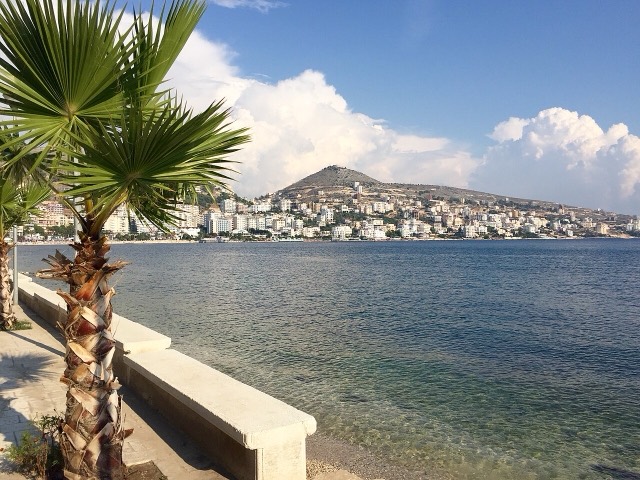
The Ionian resort town facing Corfu, and the arrival point for most visitors to southern Albania.
كل مقاطعة، كل ساحل، كل قرن
عرض إرشادي
هل أنت جديد على ألبانيا؟ تفتتح كل صفحة بشرح مبسّط يمكن قراءته لطفل في العاشرة من عمره، قبل أن تبدأ التفاصيل.
عرض للمتخصصين
أنت تعرف الأساسيات بالفعل. مباشرةً إلى الجوهر، مع إخفاء الشروح المبسّطة. هذا هو الوضع الافتراضي.
بلدة · Vlorë County
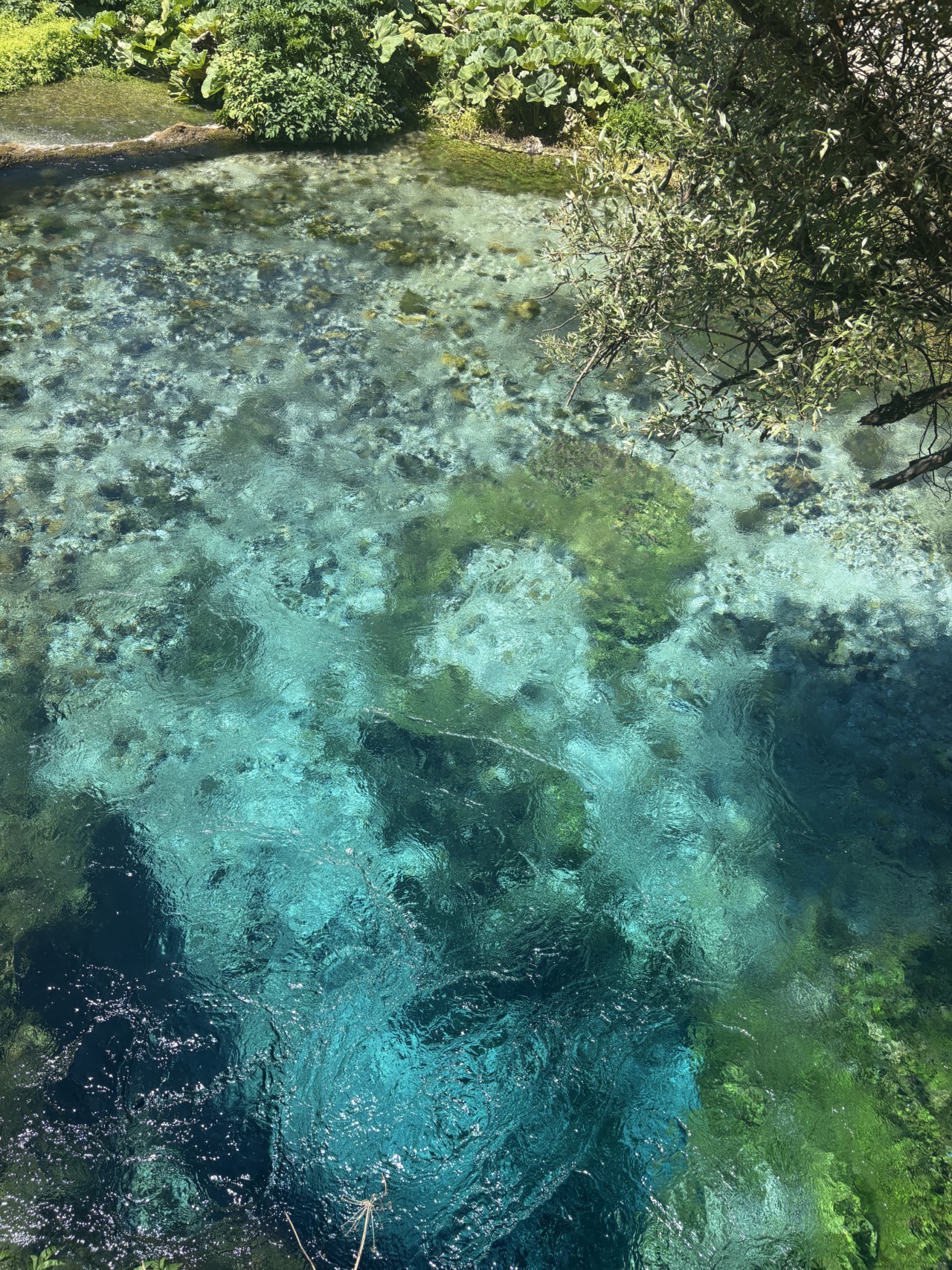
A municipality of villages near Sarandë, containing the Blue Eye and the ancient site of Phoenice.
حفظ
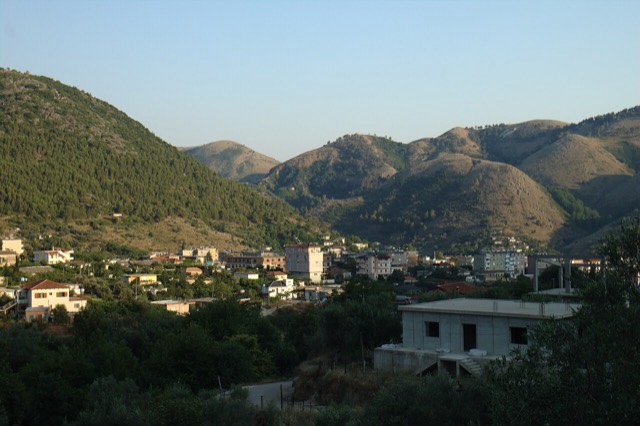
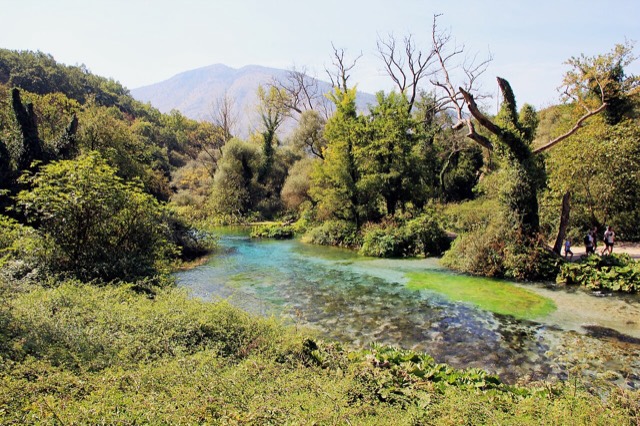
Finiq is a group of villages inland from Sarandë. The Blue Eye spring is in this municipality, and so are the ruins of an ancient city called Phoenice.
Finiq is a group of villages inland from Sarandë. The Blue Eye spring is in this municipality, and so are the ruins of an ancient city called Phoenice.
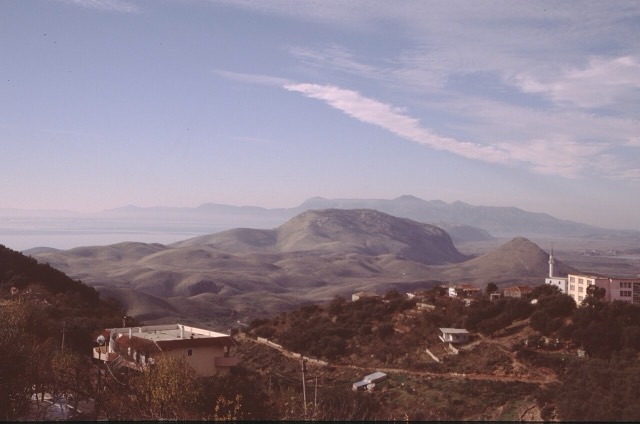
Finiq is a settlement — classified as either a town or village — and a municipality in Vlorë County, southern Albania. It lies 8 km from the Ionian Sea and 20 km north of the Greek border. The municipality covers a total area of 444.28 km².
The administrative seat of the municipality is the village of Dërmish, not the settlement of Finiq itself. The municipal unit of Finiq comprises the villages of Finiq, Buronjë (known in Greek as Mavropull), Çlirim, Vrion, Karahaxhë, and Bregas (known in Greek as Vromero).
The municipality of Finiq was created by Albania's 2015 local government reform, which merged five previously separate communes: Aliko, Dhivër, Livadhja, Mesopotam, and Finiq itself.
The 2015 Albanian civil registry, which counts all citizens including those living abroad, recorded a municipal population of 39,055. This figure is substantially higher than the 2011 census count, reflecting the inclusion of the Albanian diaspora in civil registry totals.
In antiquity, the site was known as Phoenice (Greek: Φοινίκη) and served as the political centre of the Chaonians, an Epirot Greek tribe. The ancient Greek toponym was not preserved through literary revival and instead passed into the Ottoman register of 1431 as Finiki.
Early Byzantine architecture dating from the 4th to 7th century is evident in the settlement, particularly structures of the three-aisled basilica type, indicating continuous occupation and ecclesiastical activity through the late antique and early Byzantine periods.
Finiq appears in an Ottoman record of 1431 under the name Finiki. The Chronicle of Gjirokastër records that the first years of Ottoman rule in the 15th century were relatively peaceful, but that after the Fall of Constantinople in 1453 the settlement — then referred to as Phinikoupolis — was destroyed.
By the end of the 16th century, Finiq had recovered substantially. The Ottoman defter of 1582 for the Sanjak of Delvina records 359 taxable households in Finiq, making it one of the largest settlements in the region at that time. For comparison, Gjirokastër recorded 302 taxable households and Delvinë only 204.
The same 1582 defter records a mixed onomastic picture. A significant portion of personal names in Finiq belonged to the Albanian onomastic sphere — including names such as Bos, Dedë, Dodë, Gjergj, Gjin, Gjokë, Gjon, Lalë, Lekë, and Muzhak — while other recorded names were Christian anthroponyms historically used by both Albanian and non-Albanian populations. Approximately a quarter of those recorded bore purely Albanian personal names. The article notes that this figure does not account for kinship ties or names etymologically explicable through Albanian (such as Buzmiri, Bardhi, Çobani, and others), and concludes that the Albanian element likely represented a larger share of the population than the purely Albanian names alone suggest.
The Defter of the Sanjak of Delvinë from 1431–1432 records four villages in the area of Vurgu: Finiki (Finiqi), Vurgo, Jeromi, and Krajna (Kranéja), each with very few inhabitants at the time.
The Ottoman register of 1520 attests typical Albanian personal names among the population of these villages, including Gjin, Reçi, Leka, Gjon, Dorza, Meksh, Nika, and Deda.
Athanasios Psalidas (1767–1829), who served as a counselor to Ali Pasha of Ioannina, recorded that Finiq was inhabited by an ethnic Greek community during this period.
By 1870, a secondary school operating in the Greek language was already functioning in Finiq, reflecting the settlement's established Greek-speaking population well before the end of the Ottoman period.
Finiq is one of two municipalities in Albania in which ethnic Greeks form a majority, the other being Dropull. The town of Finiq and all villages within the municipality are described as exclusively inhabited by Greeks, with the single exception of Çlirim, which is recorded as mixed.
According to the Albanian Ministry of Foreign Affairs, the Greek population of Finiq numbers 5,531, constituting a majority. Greek is used for some official purposes, and both Albanian and Greek are used for toponyms and street addresses in official documents.
The 2011 census recorded a total municipal population of 10,529. The population of the former, pre-merger municipality of Finiq stood at 1,333 in the same census. Civil office records for 2011, which include citizens living abroad, estimated the population of the former municipality at 6,780.
The ancient Greek toponym Φοινίκη (Foiniki) was not preserved through literary tradition. The modern settlement retained a form of the name — recorded as Finiki — in the Ottoman register of 1431, and the Albanian definite form in current use is Finiqi.
Irini Qirjako, an Albanian singer and actress, is recorded as a notable person from Finiq.
أكثر الأشهر دفئاً هو August (متوسط أعلى درجة حرارة يومية 31°C), وأبردها هو January (متوسط أدنى درجة حرارة يومية 4°C), وأكثرها مطراً هو November (266 mm). يبلغ متوسط هطول الأمطار السنوي الإجمالي 1,552 mm.
| الشهر | الأعلى | الأدنى | الأمطار | أيام المطر | ساعات الشمس/اليوم |
|---|---|---|---|---|---|
| January | 12°C | 4°C | 192 mm | 13 | 7.1 h |
| February | 13°C | 4°C | 164 mm | 12 | 7.9 h |
| March | 15°C | 6°C | 149 mm | 12 | 9.5 h |
| April | 19°C | 9°C | 104 mm | 12 | 10.9 h |
| May | 23°C | 14°C | 69 mm | 9 | 12.1 h |
| June | 28°C | 18°C | 35 mm | 5 | 13.7 h |
| July | 31°C | 21°C | 16 mm | 3 | 13.8 h |
| August | 31°C | 21°C | 24 mm | 4 | 12.9 h |
| September | 26°C | 18°C | 122 mm | 9 | 10.6 h |
| October | 22°C | 14°C | 169 mm | 10 | 9.1 h |
| November | 17°C | 10°C | 266 mm | 13 | 7.1 h |
| December | 13°C | 6°C | 243 mm | 14 | 6.5 h |
المصدر: ERA5 reanalysis via Open-Meteo, 1994–2023 · "الأعلى" و"الأدنى" هما متوسط أقصى وأدنى درجة حرارة يومية للهواء. تحسب "أيام المطر" الأيام التي يبلغ فيها الهطول مليمتراً واحداً على الأقل.
مدينة · Vlorë
The Ionian resort town facing Corfu, and the arrival point for most visitors to southern Albania.
بلدة · Vlorë
A hill town above the Sarandë plain with a mixed Albanian and Greek population.
ينبوع · Vlorë
A karst spring of extraordinary clarity whose bottom has never been definitively reached.
ثمة خطأ في هذه الصفحة؟ نرحب بالتصويبات وتُراجَع في مواجهة سجل المصدر. أخبرنا بما هو خاطئ، وإن أمكن، بالمكان الذي يأتي منه الرقم الصحيح.