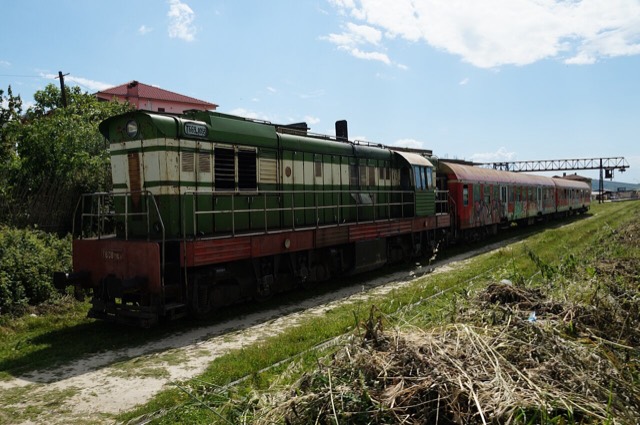
Cidade
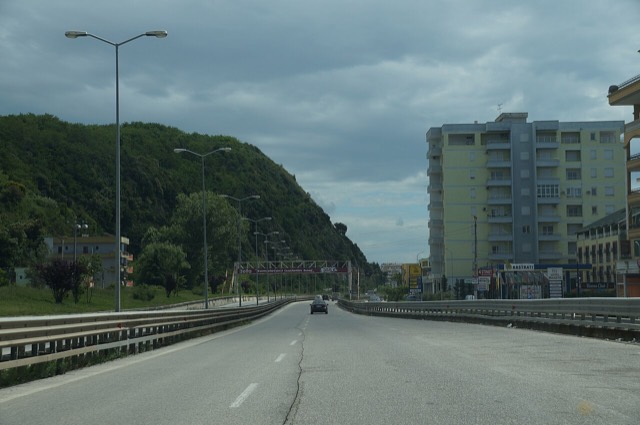
Durrës
Albania's principal port and its oldest continuously inhabited city, founded as Epidamnos in 627 BC.
🧭 Vista guiada
Novo na Albânia? Cada página começa com uma explicação em linguagem simples, acessível a uma criança de dez anos, antes de entrar em pormenor.
⚡ Vista para especialistas
Já conhece o essencial. Direto ao conteúdo, com as explicações simples ocultadas. Esta é a vista predefinida.
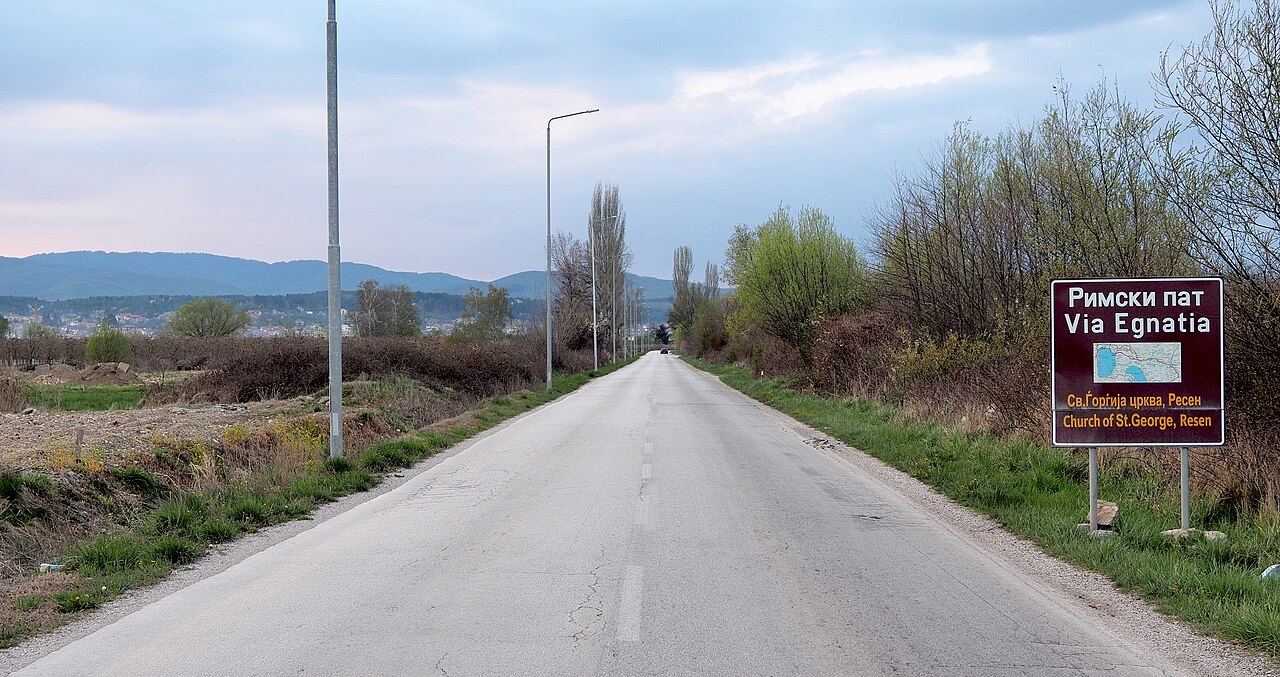
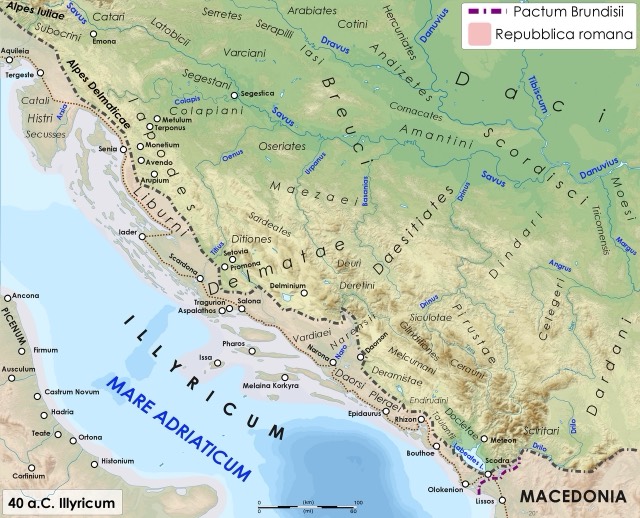
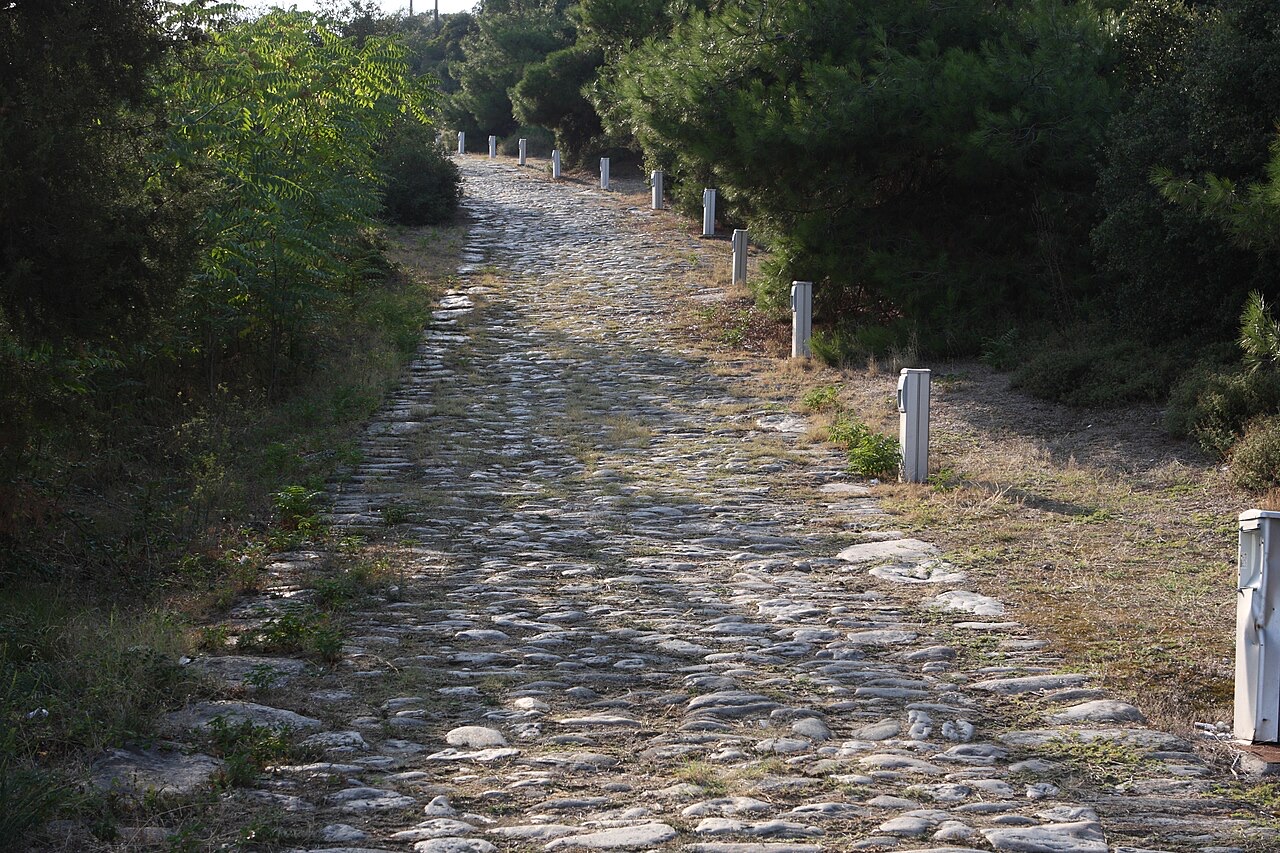
The Via Egnatia was a Roman road that started on the Albanian coast and ran all the way east to the city that became Istanbul. It was how armies, traders and later pilgrims crossed the Balkans for more than a thousand years.
The Via Egnatia was a Roman road that started on the Albanian coast and ran all the way east to the city that became Istanbul. It was how armies, traders and later pilgrims crossed the Balkans for more than a thousand years.
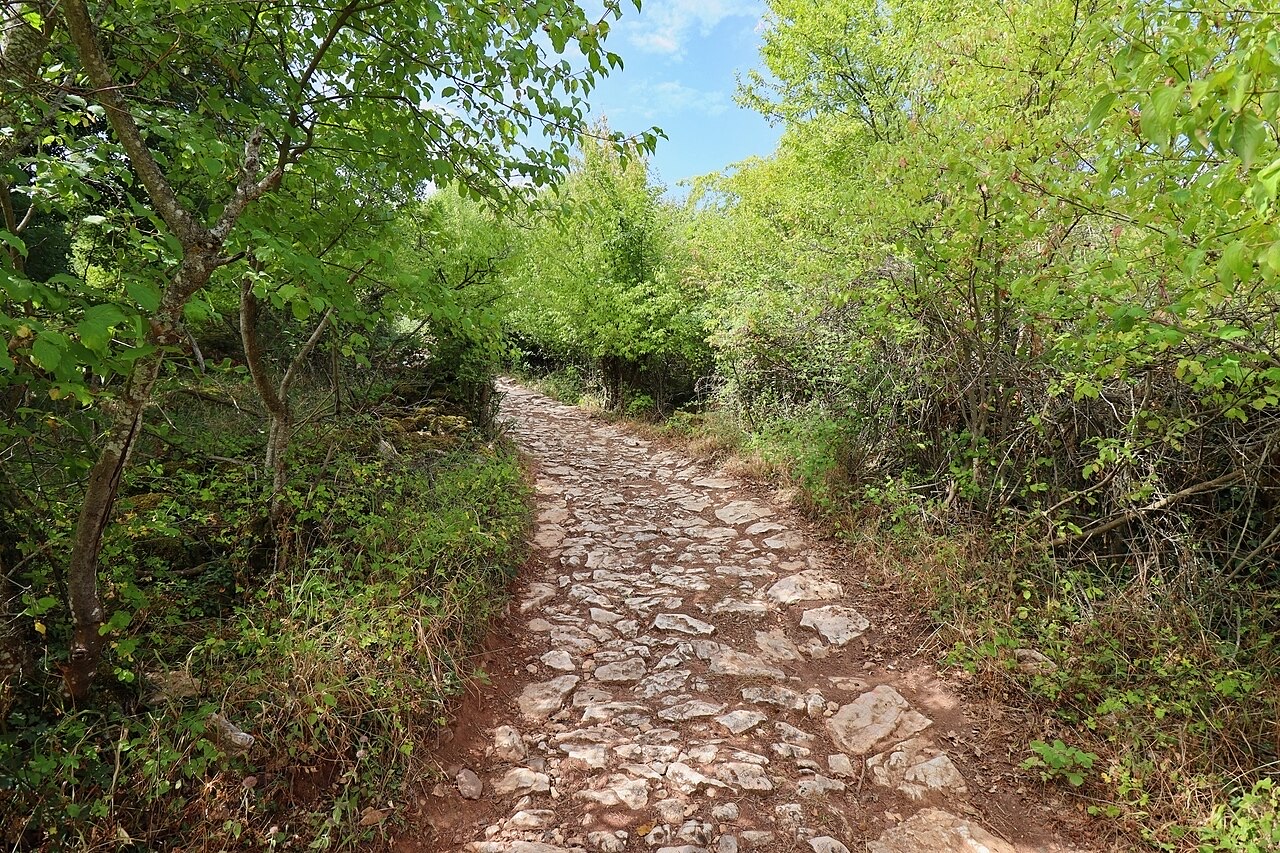
Estas são relações reais no Atlas — lugares próximos deste e temas com os quais está genuinamente associado. Nada aqui é uma recomendação genérica.
Albania's principal port and its oldest continuously inhabited city, founded as Epidamnos in 627 BC.
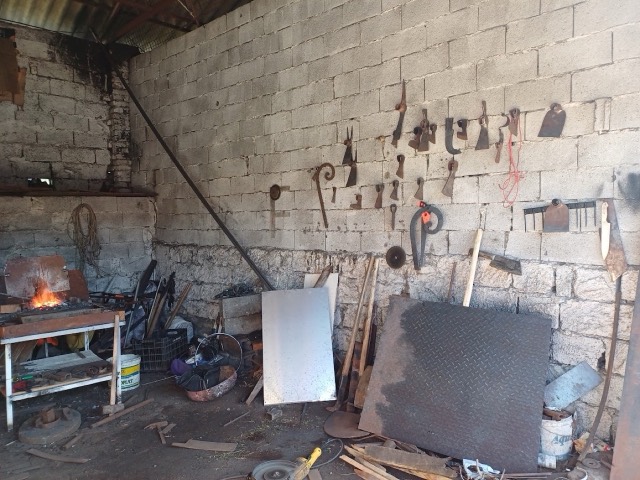
A central industrial city inside an Ottoman fortress wall, on the old Via Egnatia.
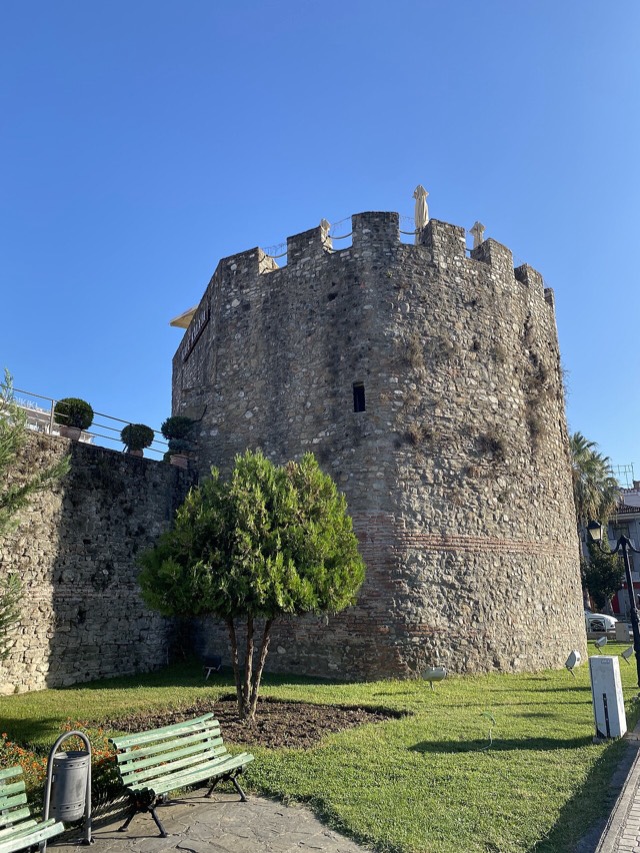
An Ottoman fortress built on a Roman site, with a living town inside its walls.
The Via Egnatia crossed here, making the coast Rome's gateway to Greece and the East.
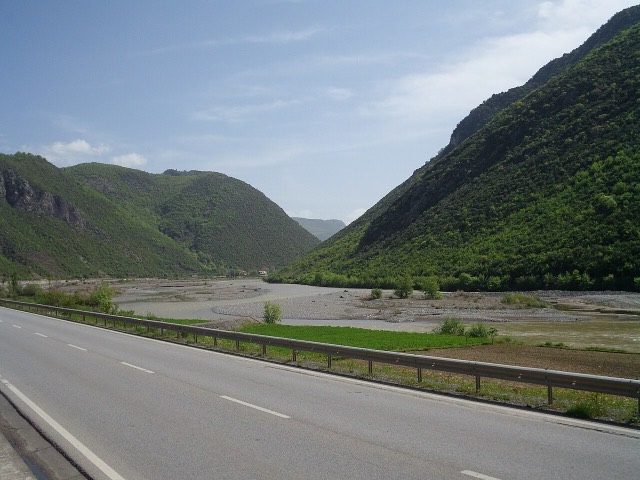
The river that splits Albania in two — the historic dividing line between Gheg and Tosk.
A small town on the Shkumbin at a crossing point used since Roman times.
Algo errado nesta página? As correções são bem-vindas e verificadas em confronto com o registo de origem. Indique o que está errado e, se possível, de onde provém o valor correto.