Stad
Durrës
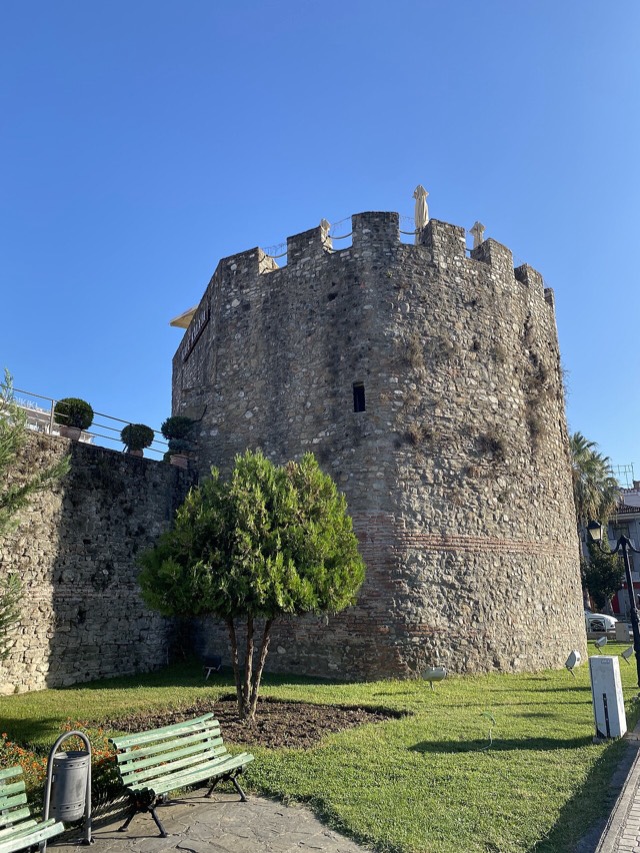
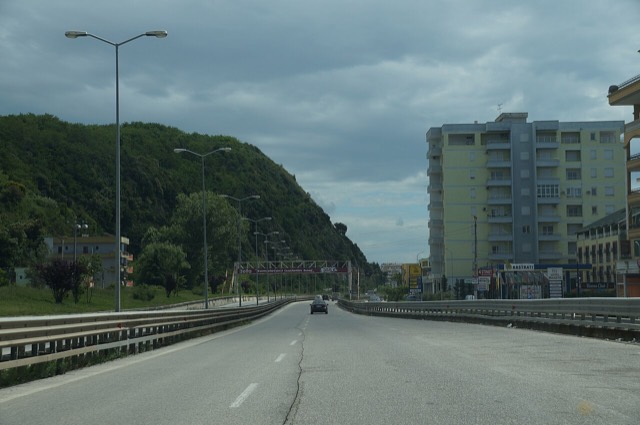
Albania's principal port and its oldest continuously inhabited city, founded as Epidamnos in 627 BC.
🧭 Begeleidende weergave
Nieuw in Albanië? Elke pagina begint met een uitleg in eenvoudige taal die u aan een tienjarige zou kunnen voorlezen, voordat de details beginnen.
⚡ Expertweergave
U kent de basis al. Meteen naar de kern, met de eenvoudige uitleg verborgen. Dit is de standaardinstelling.
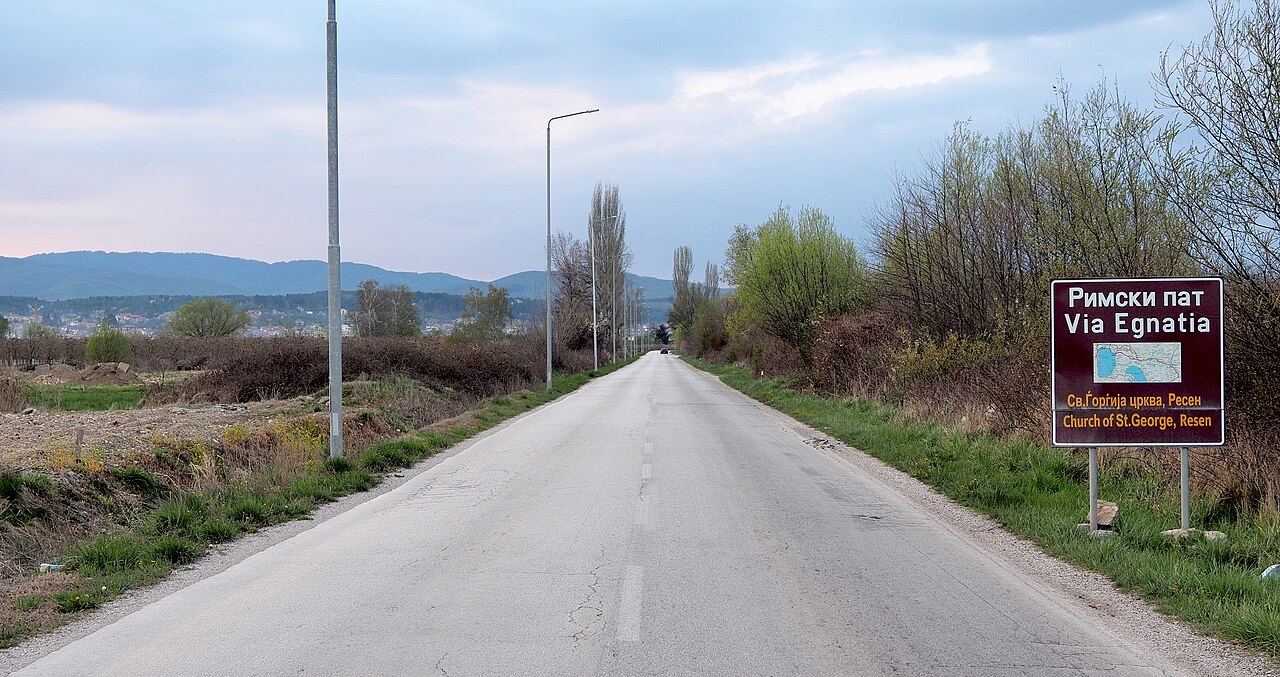
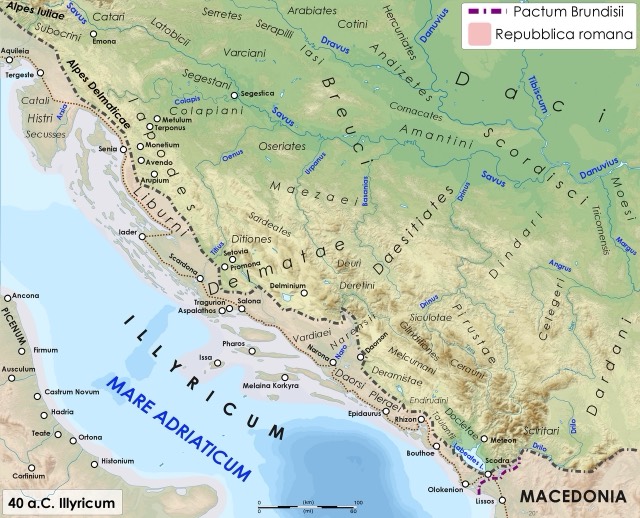
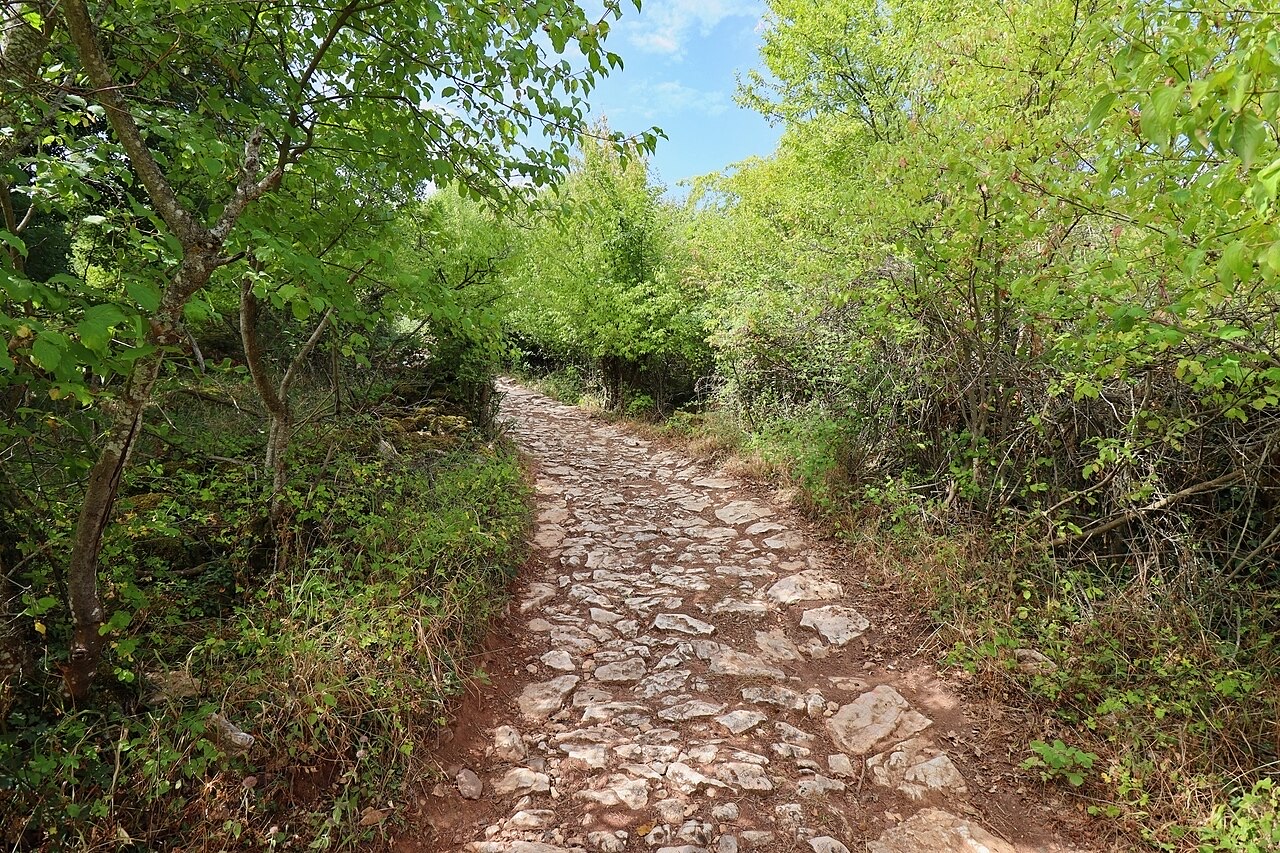
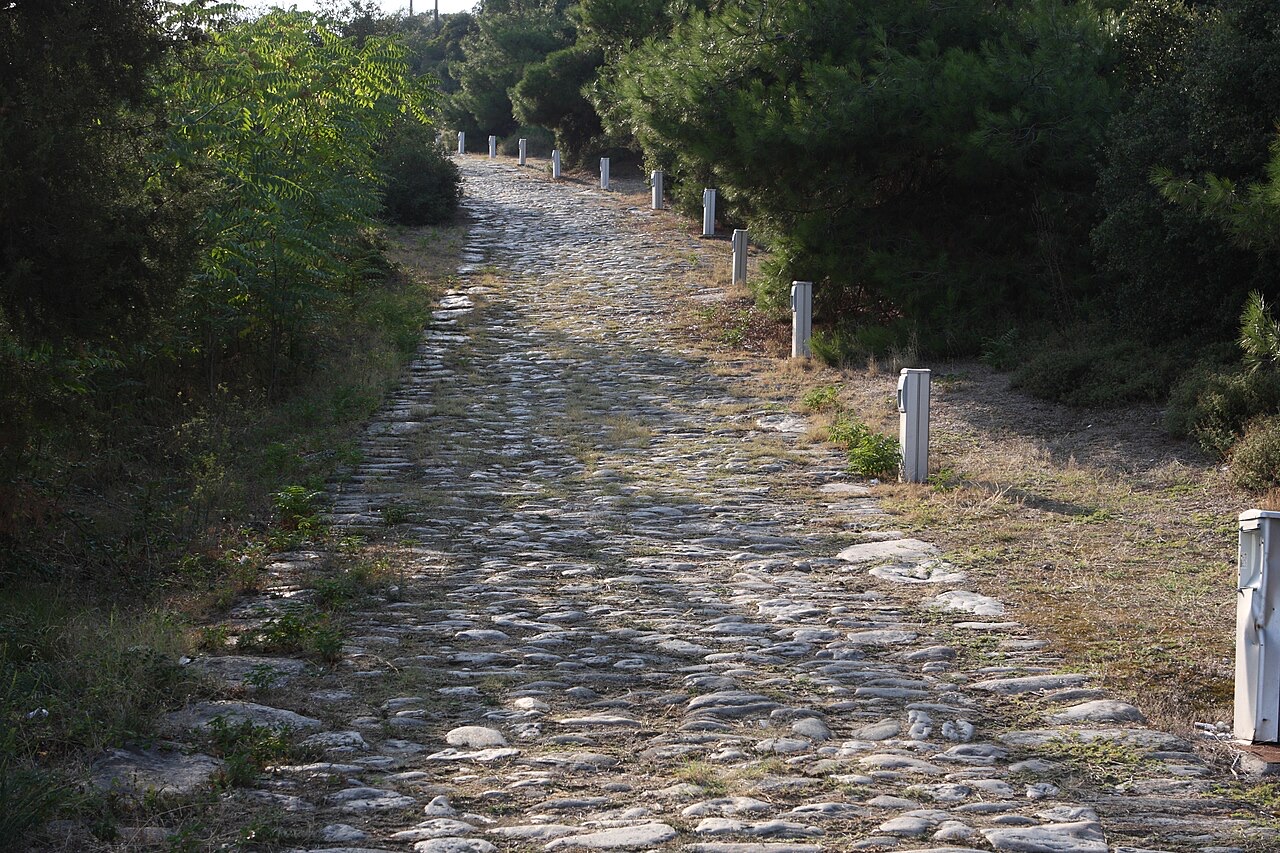
The Via Egnatia was a Roman road that started on the Albanian coast and ran all the way east to the city that became Istanbul. It was how armies, traders and later pilgrims crossed the Balkans for more than a thousand years.
The Via Egnatia was a Roman road that started on the Albanian coast and ran all the way east to the city that became Istanbul. It was how armies, traders and later pilgrims crossed the Balkans for more than a thousand years.
Dit zijn echte verbanden in de Atlas — plaatsen die dicht bij deze liggen en onderwerpen waar deze pagina werkelijk bij hoort. Niets hier is een algemene aanbeveling.
Albania's principal port and its oldest continuously inhabited city, founded as Epidamnos in 627 BC.
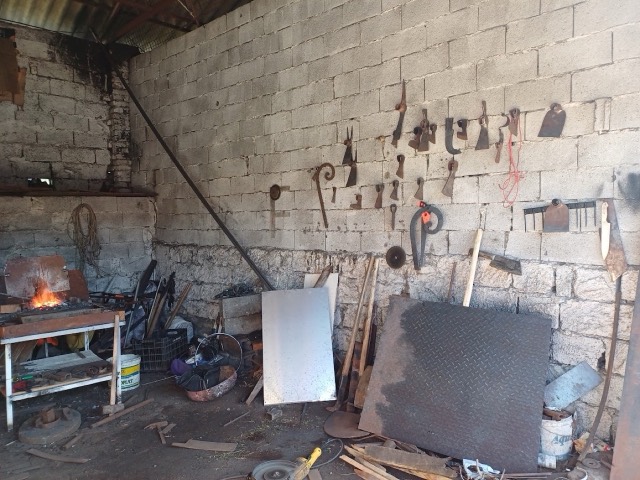
A central industrial city inside an Ottoman fortress wall, on the old Via Egnatia.
An Ottoman fortress built on a Roman site, with a living town inside its walls.
The Via Egnatia crossed here, making the coast Rome's gateway to Greece and the East.
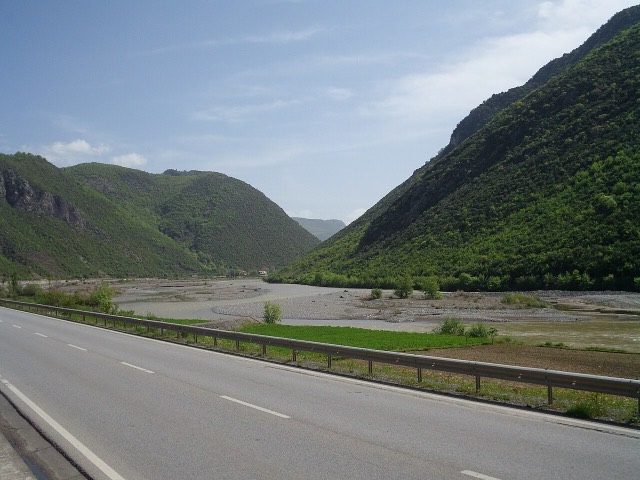
The river that splits Albania in two — the historic dividing line between Gheg and Tosk.
A small town on the Shkumbin at a crossing point used since Roman times.
Iets onjuist op deze pagina? Correcties zijn welkom en worden gecontroleerd aan de hand van de bronregistratie. Laat ons weten wat onjuist is en, indien mogelijk, waar het juiste cijfer vandaan komt.