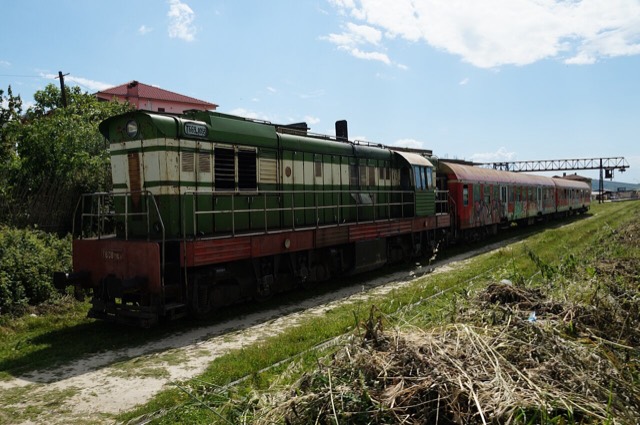
Ville
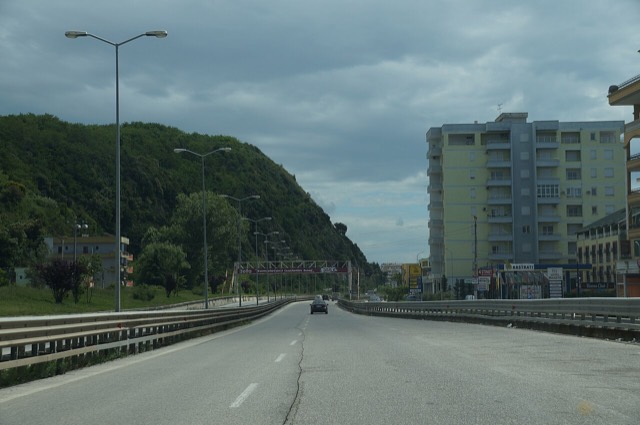
Durrës
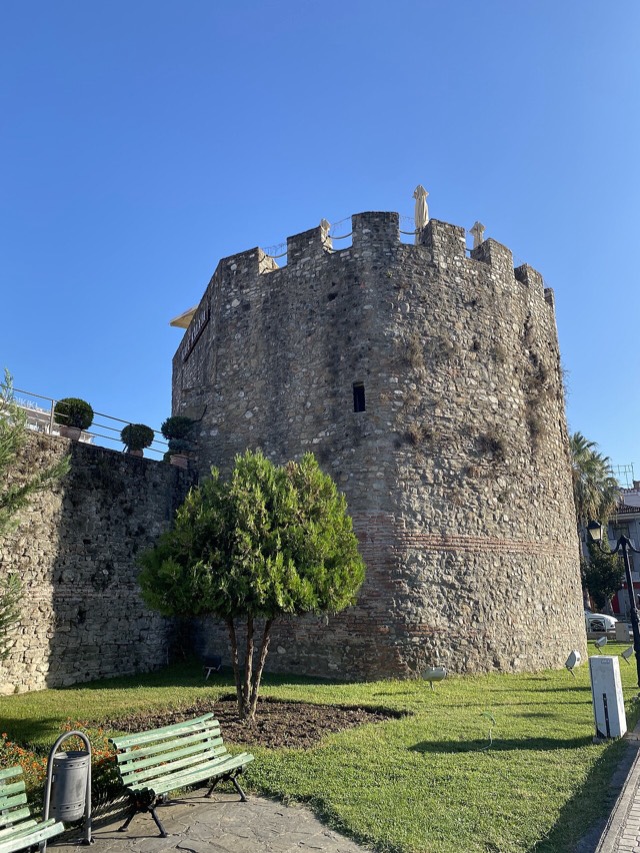
Albania's principal port and its oldest continuously inhabited city, founded as Epidamnos in 627 BC.
🧭 Vue guidée
Nouveau en Albanie ? Chaque page s'ouvre sur une explication en langage clair, accessible à un enfant de dix ans, avant d'entrer dans le détail.
⚡ Vue expert
Vous connaissez déjà les bases. Directement à l'essentiel, les explications simples étant masquées. Il s'agit du réglage par défaut.
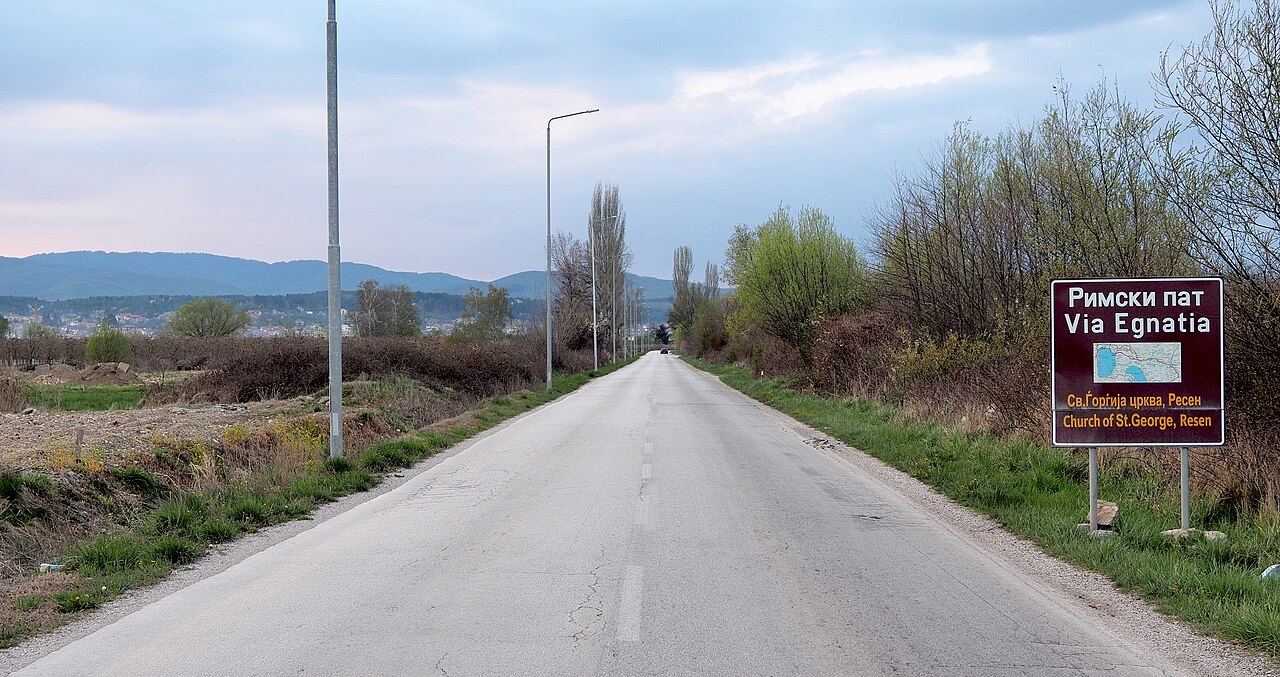
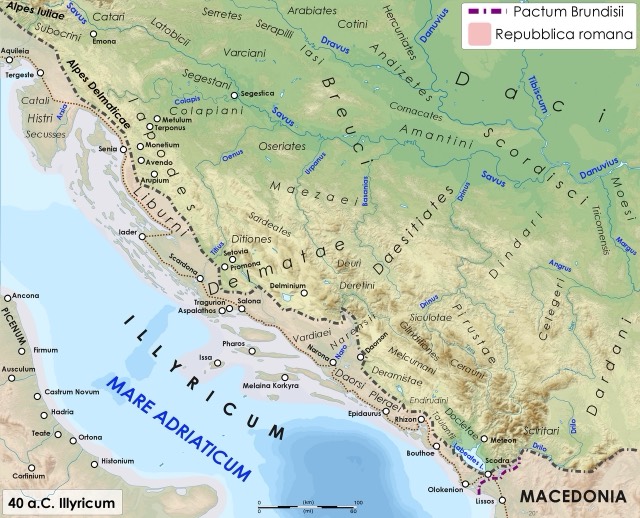
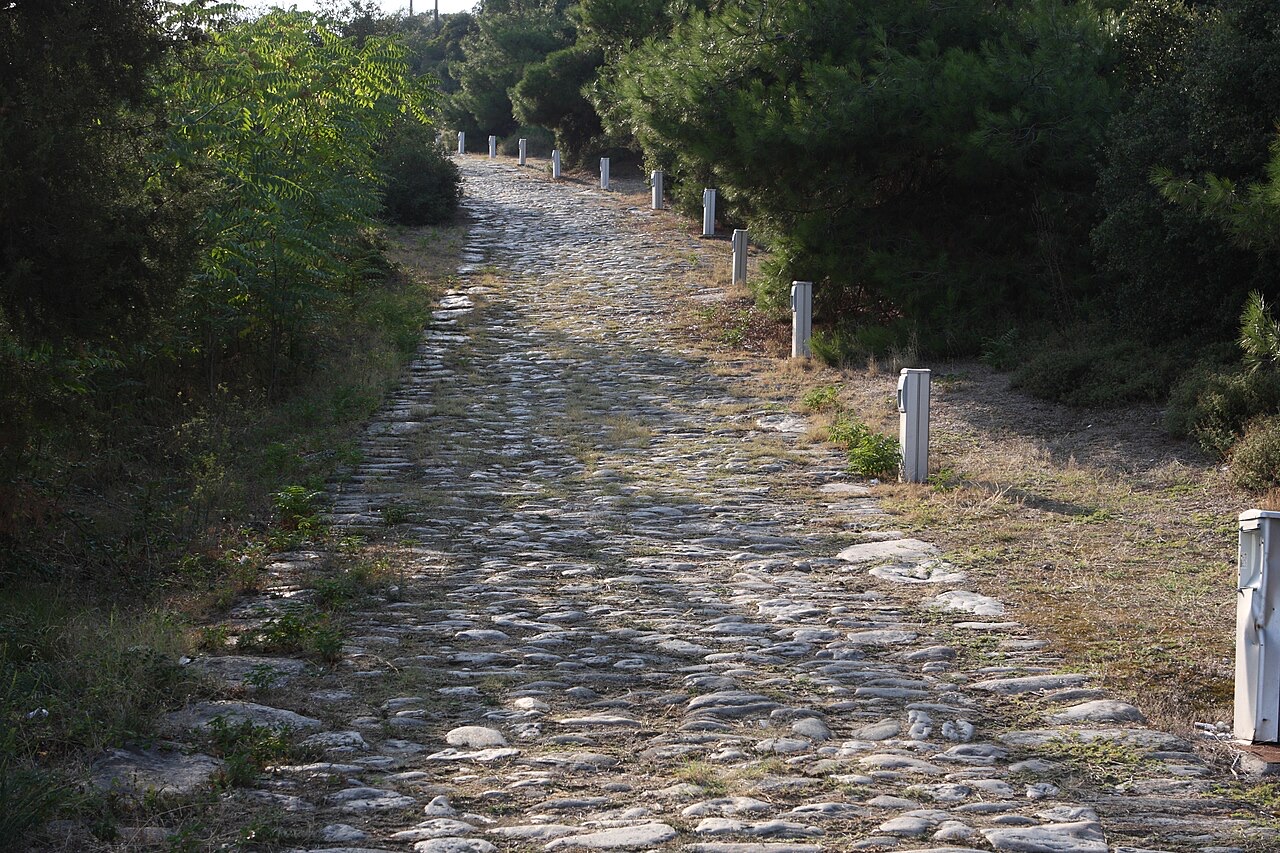
The Via Egnatia was a Roman road that started on the Albanian coast and ran all the way east to the city that became Istanbul. It was how armies, traders and later pilgrims crossed the Balkans for more than a thousand years.
The Via Egnatia was a Roman road that started on the Albanian coast and ran all the way east to the city that became Istanbul. It was how armies, traders and later pilgrims crossed the Balkans for more than a thousand years.
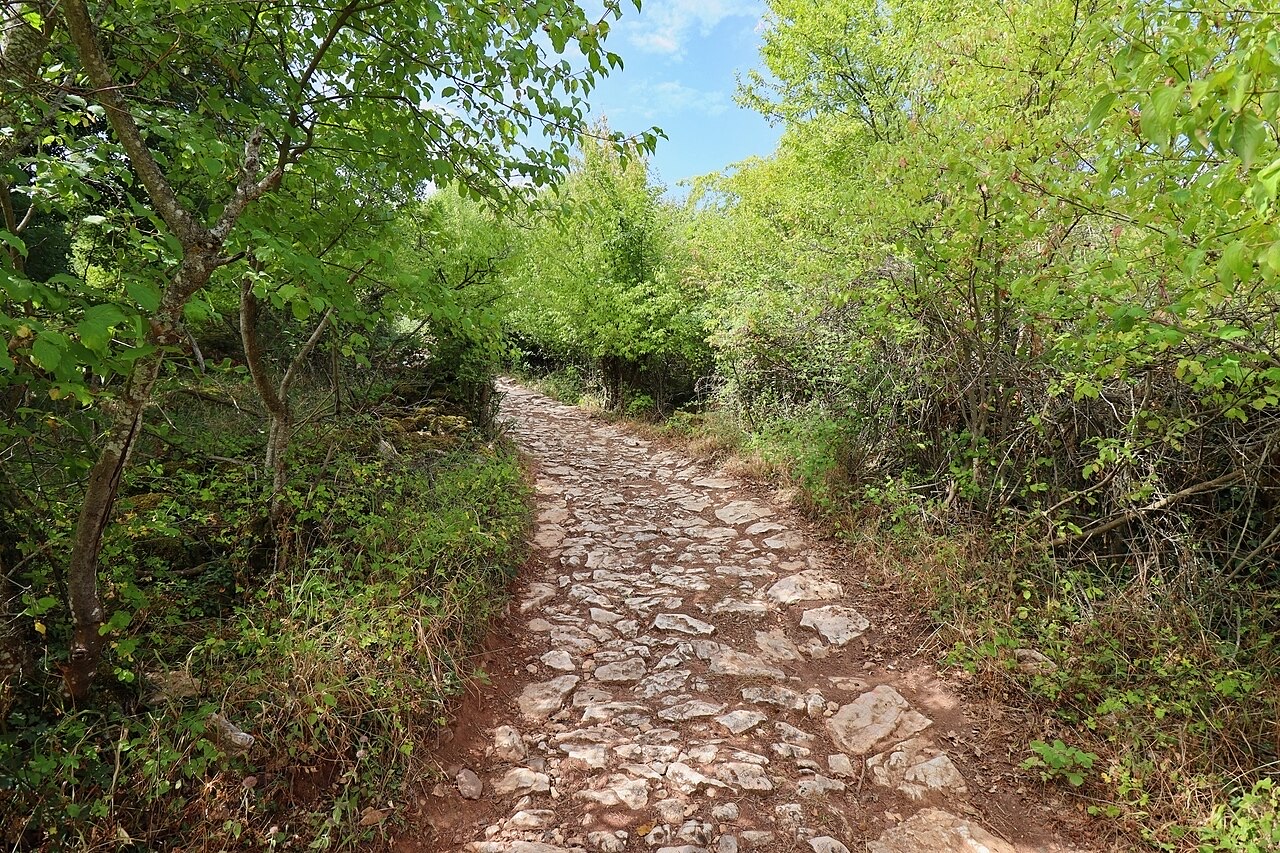
Ce sont de vraies relations dans l'Atlas — des lieux proches de celui-ci et des sujets auxquels il appartient réellement. Rien ici n'est une recommandation générique.
Albania's principal port and its oldest continuously inhabited city, founded as Epidamnos in 627 BC.
A central industrial city inside an Ottoman fortress wall, on the old Via Egnatia.
An Ottoman fortress built on a Roman site, with a living town inside its walls.
The Via Egnatia crossed here, making the coast Rome's gateway to Greece and the East.
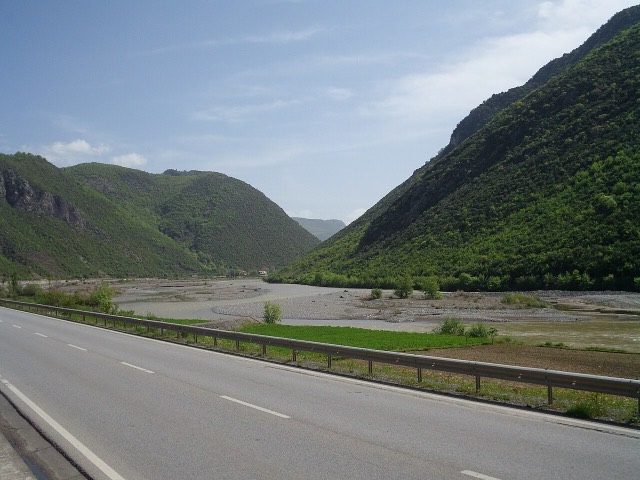
The river that splits Albania in two — the historic dividing line between Gheg and Tosk.
A small town on the Shkumbin at a crossing point used since Roman times.
Une erreur sur cette page ? Les corrections sont les bienvenues et sont vérifiées par rapport au document source. Indiquer ce qui est erroné et, si possible, d'où provient le chiffre correct.