City
Durrës
Albania's principal port and its oldest continuously inhabited city, founded as Epidamnos in 627 BC.
🧭 Guided view
New to Albania? Every page opens with a plain-language explanation you could read to a ten-year-old, before the detail begins.
⚡ Expert view
You already know the basics. Straight to the substance, with the simple explanations hidden. This is the default.
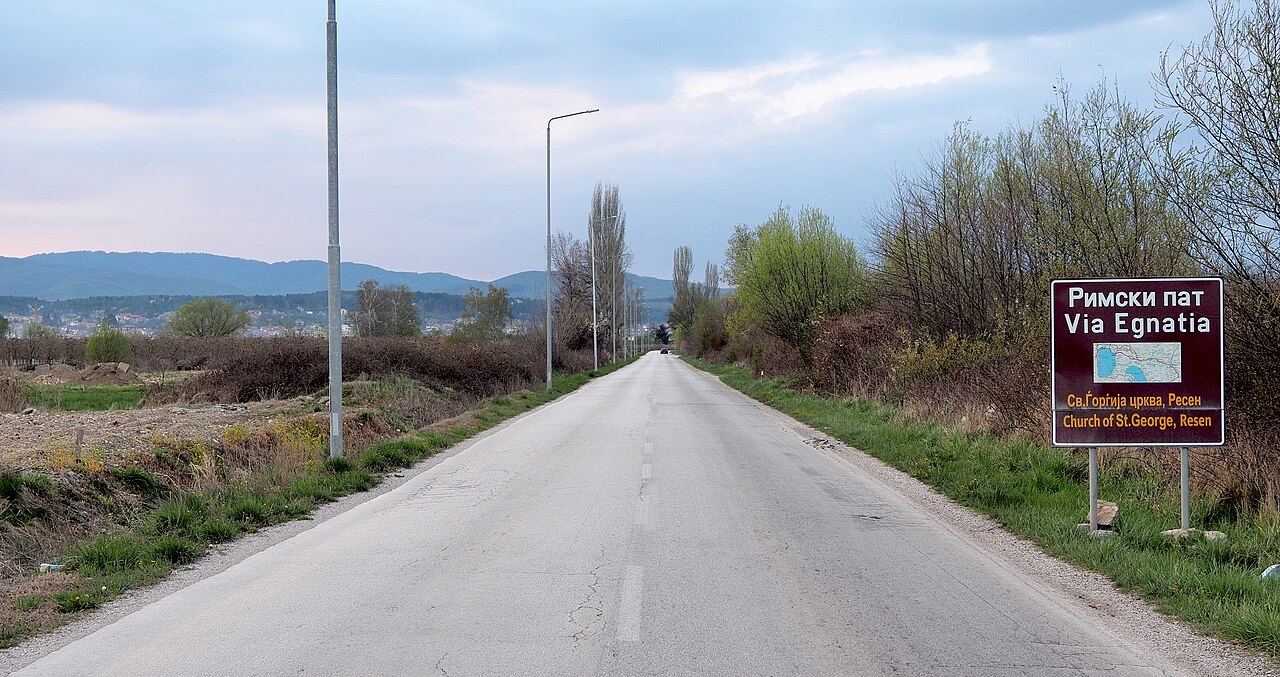
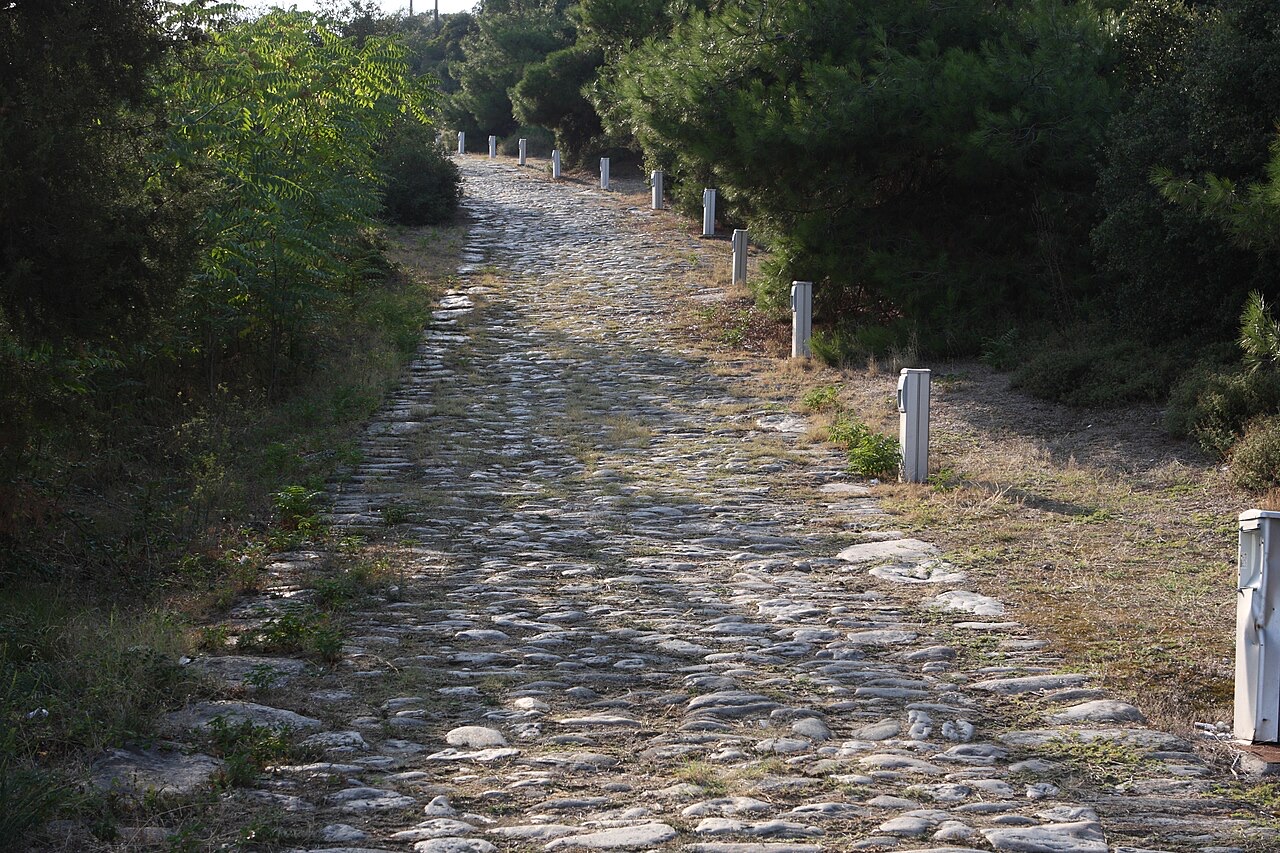
The Via Egnatia was a Roman road that started on the Albanian coast and ran all the way east to the city that became Istanbul. It was how armies, traders and later pilgrims crossed the Balkans for more than a thousand years.
The Via Egnatia was a Roman road that started on the Albanian coast and ran all the way east to the city that became Istanbul. It was how armies, traders and later pilgrims crossed the Balkans for more than a thousand years.
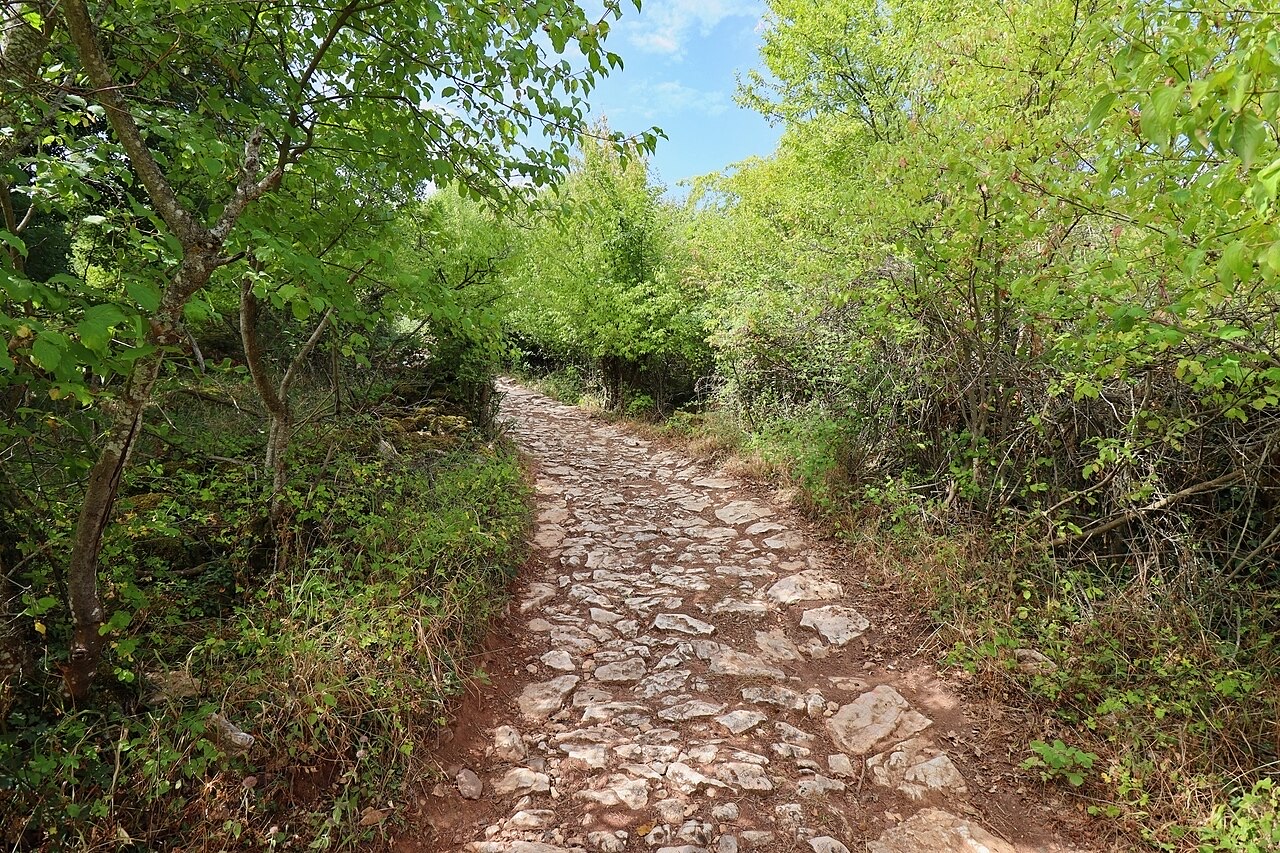
These are real relationships in the Atlas — places that are near this one, and subjects it genuinely belongs with. Nothing here is a generic recommendation.
Albania's principal port and its oldest continuously inhabited city, founded as Epidamnos in 627 BC.
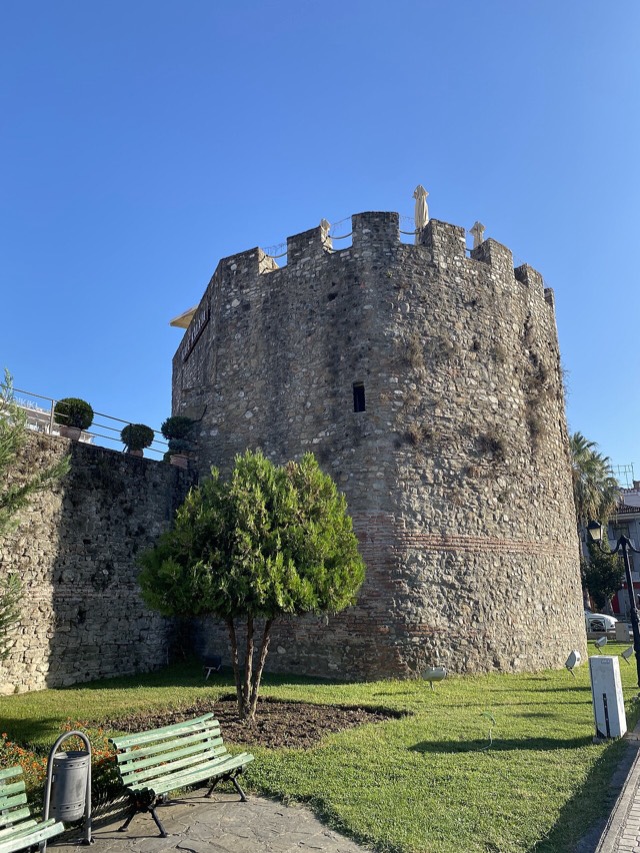
A central industrial city inside an Ottoman fortress wall, on the old Via Egnatia.
An Ottoman fortress built on a Roman site, with a living town inside its walls.
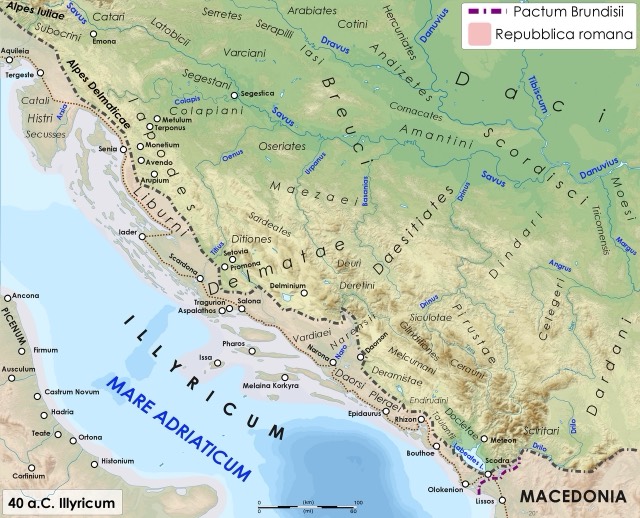
The Via Egnatia crossed here, making the coast Rome's gateway to Greece and the East.
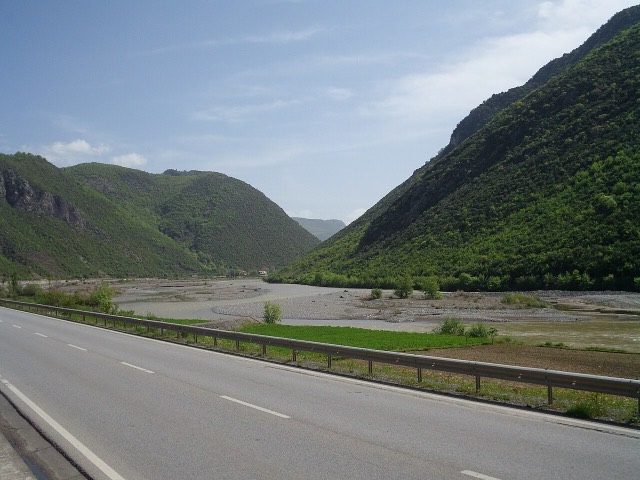
The river that splits Albania in two — the historic dividing line between Gheg and Tosk.
A small town on the Shkumbin at a crossing point used since Roman times.
Something wrong on this page? Corrections are welcome and are checked against the source record. Tell us what is wrong and, if you can, where the right figure comes from.