Historische Stätte · Tiranë
Albania's Bunkers
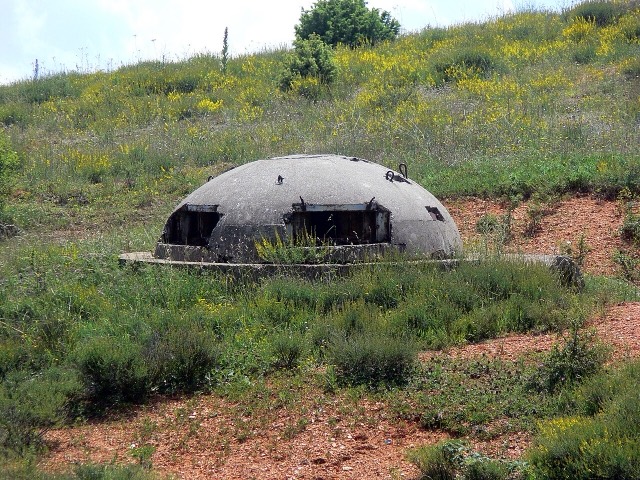
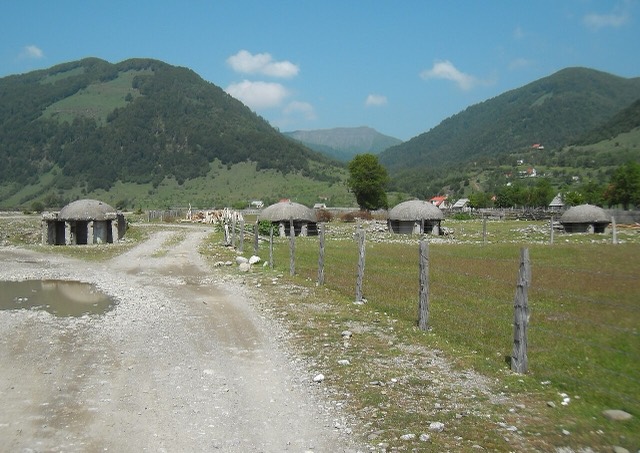
Roughly 170,000 concrete pillboxes built under Enver Hoxha — the most visible physical legacy of the communist state.
Jeder Kreis, jede Küste, jedes Jahrhundert
Geführte Ansicht
Neu in Albanien? Jede Seite beginnt mit einer einfachen Erklärung, die auch ein Zehnjähriger verstehen würde – bevor es ins Detail geht.
Expertenansicht
Sie kennen die Grundlagen bereits. Direkt zur Substanz, ohne die vereinfachten Erklärungen. Dies ist die Standardeinstellung.
Betreff
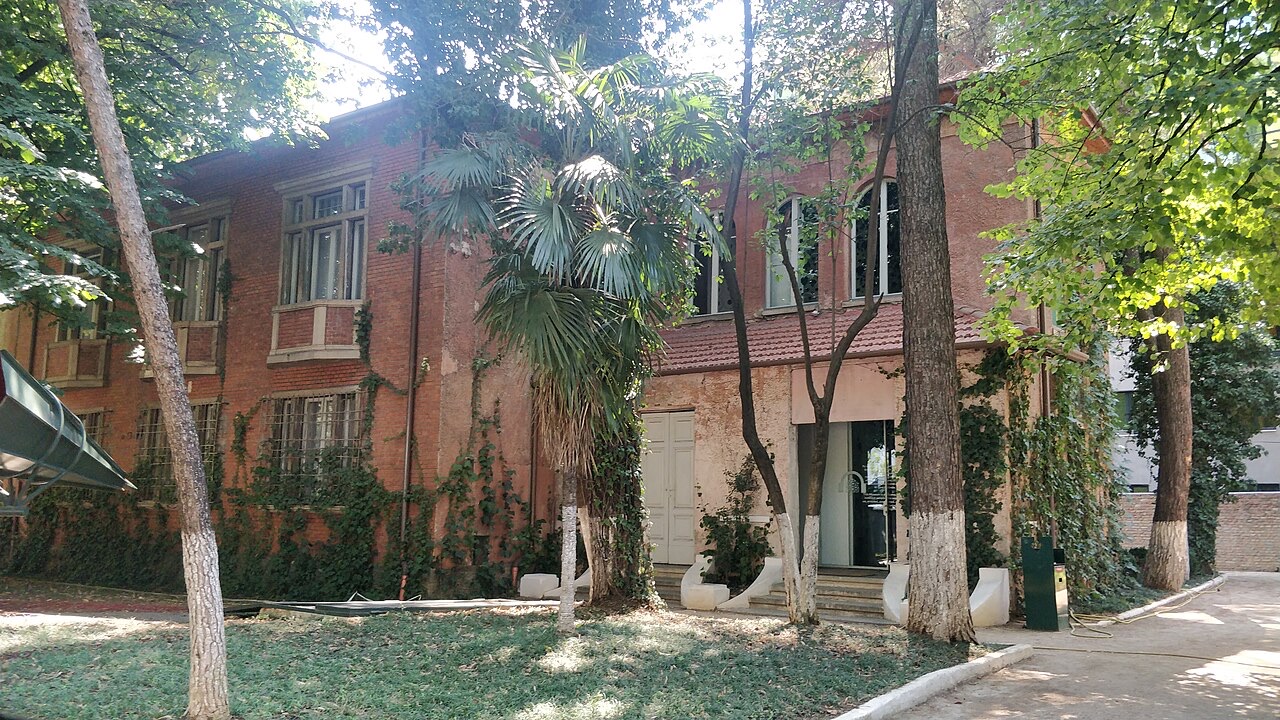
The Directorate of State Security: the secret police of communist Albania, and the institution the House of Leaves museum was built to document.
Speichern
The Sigurimi were the secret police of communist Albania. They watched people, listened to their telephone calls, and kept files on them. Anyone thought to be against the government could be sent to prison, to a labour camp, or into internal exile with their whole family.
The Sigurimi were the secret police of communist Albania. They watched people, listened to their telephone calls, and kept files on them. Anyone thought to be against the government could be sent to prison, to a labour camp, or into internal exile with their whole family.
The Directorate of State Security (Albanian: Drejtoria e Sigurimit të Shtetit, DSSh), universally known by its short form Sigurimi, meaning 'Security', was the state security, intelligence, and secret police service of the People's Socialist Republic of Albania. Its proclaimed purpose was maintaining state security, which in practice meant suppressing political opposition and preserving the existing one-party system.
Recent data places the Sigurimi's official foundation on 10 December 1944, when it was established as the OZNA ('Department for Protection of the People'). However, historian Robert Elsie has argued that its organisational roots extend further back, to 19 March 1943. Enver Hoxha credited the Sigurimi as instrumental in his faction's ability to gain power over rival Albanian partisan groups during the wartime period.
The People's Defense Division, formed in 1945 from the most reliable resistance fighters of Haxhi Lleshi, served as the precursor to the Sigurimi's uniformed internal security force, which eventually numbered 5,000 personnel. By 1989 that division had been organised into five regiments of mechanised infantry, available to quell any domestic disturbances that threatened the leadership of the Party of Labour of Albania.
The Sigurimi had an estimated 30,000 officers in total, approximately 7,500 of them assigned to the People's Army. This figure made it an exceptionally large internal security apparatus relative to Albania's population.
Sigurimi personnel were generally career volunteers. They were recommended by loyal party members and subjected to careful political and psychological screening before selection. Once admitted, they held elite status and enjoyed privileges specifically designed to maintain their reliability and dedication to the party. The organisation was regarded by outside observers as one of the most feared, most repressive, and most brutal secret police agencies to have existed.
The core mission of the Sigurimi was to prevent counterrevolutions and suppress any opposition to the existing political system. Its activities were directed more toward political and ideological opposition than toward ordinary crimes against persons or property, the latter only attracting Sigurimi attention when they were sufficiently serious or widespread to threaten the regime.
Western intelligence services sought the support of Albanian émigré groups in the late 1940s and early 1950s in efforts to overthrow the socialist government. These efforts quickly ceased to be a credible threat, attributed at the time to the effectiveness of the Sigurimi in neutralising internal support networks and monitoring foreign-backed activity.
The organisation's reach into everyday Albanian life was extensive. One estimate indicates that every third citizen had either served time in labour camps or been interrogated by Sigurimi officers, illustrating the degree to which the service permeated Albanian society.
The Sigurimi maintained a national headquarters and separate district headquarters in each of Albania's twenty-six districts. This geographic distribution allowed comprehensive coverage of the country's population and administrative units.
Internally, the organisation was divided into specialised sections: political control, censorship, public records, prison camps, internal security troops, physical security, counterespionage, and foreign intelligence. Each section had a defined remit, and together they gave the Sigurimi oversight of most aspects of Albanian public and private life.
The political control section's primary function was monitoring the ideological conformity of party members and other citizens. It bore particular responsibility for purging the party, government, military, and its own apparatus of individuals associated with Yugoslavia, the Soviet Union, or China, each in turn, after Albania broke successive alliances with those states.
One estimate indicates that at least 170 communist party Politburo or Central Committee members were executed as a direct result of Sigurimi investigations, reflecting how internal purges extended to the highest levels of the regime. The political control section also ran an extensive programme of monitoring private telephone conversations.
The censorship section operated within the press, radio, newspapers, and other communications media, and also within cultural societies, schools, and other organisations. Its remit extended across both mass media and educational institutions, giving the Sigurimi a broad role in controlling the flow of information throughout Albanian society.
The public records section administered government documents and statistics, with social and economic statistics treated as state secrets. By classifying such data, the regime limited independent economic analysis and prevented the wider population or foreign observers from accessing information about Albania's actual conditions.
The prison camps section was charged with the political re-education of inmates and the evaluation of the degree to which individuals posed a danger to society. Local police supplied guards for fourteen prison camps located throughout the country.
The physical security section provided guards for important party and government officials and installations, functioning as a protective service for the leadership and the apparatus of the state.
The counterespionage section was responsible for neutralising foreign intelligence operations conducted within Albania. It also monitored domestic movements and parties opposed to the Party of Labour of Albania, merging external and internal security functions within a single directorate.
The foreign intelligence section maintained personnel both abroad and inside Albania to gather intelligence about foreign capabilities and intentions considered relevant to national security. Its officers occupied cover positions within Albania's foreign diplomatic missions, trade offices, and cultural centres, providing the section with a network of embedded operatives across multiple countries.
The Sigurimi ceased to exist under that name in July 1991 and was replaced by the SHIK (National Informative Service). As of early 1992, information on the organisation, responsibilities, and functions of SHIK was not available in Western publications. Some Western observers believed, however, that many of SHIK's officers and leaders had previously served in the Sigurimi and that the basic structures of the two organisations were similar.
In 2008 the Albanian parliament discussed opening the so-called 'Sigurimi files', but the Socialist Party of Albania contested the measure. A government commission created in 2015 was assigned the task of publicising the files and identifying candidates for public office who had collaborated with the communist regime. As of early 2017, the commission had not yet begun its work. Critics noted that most of the files were probably destroyed long ago, limiting the practical scope of any future accountability process.
Historische Stätte · Tiranë
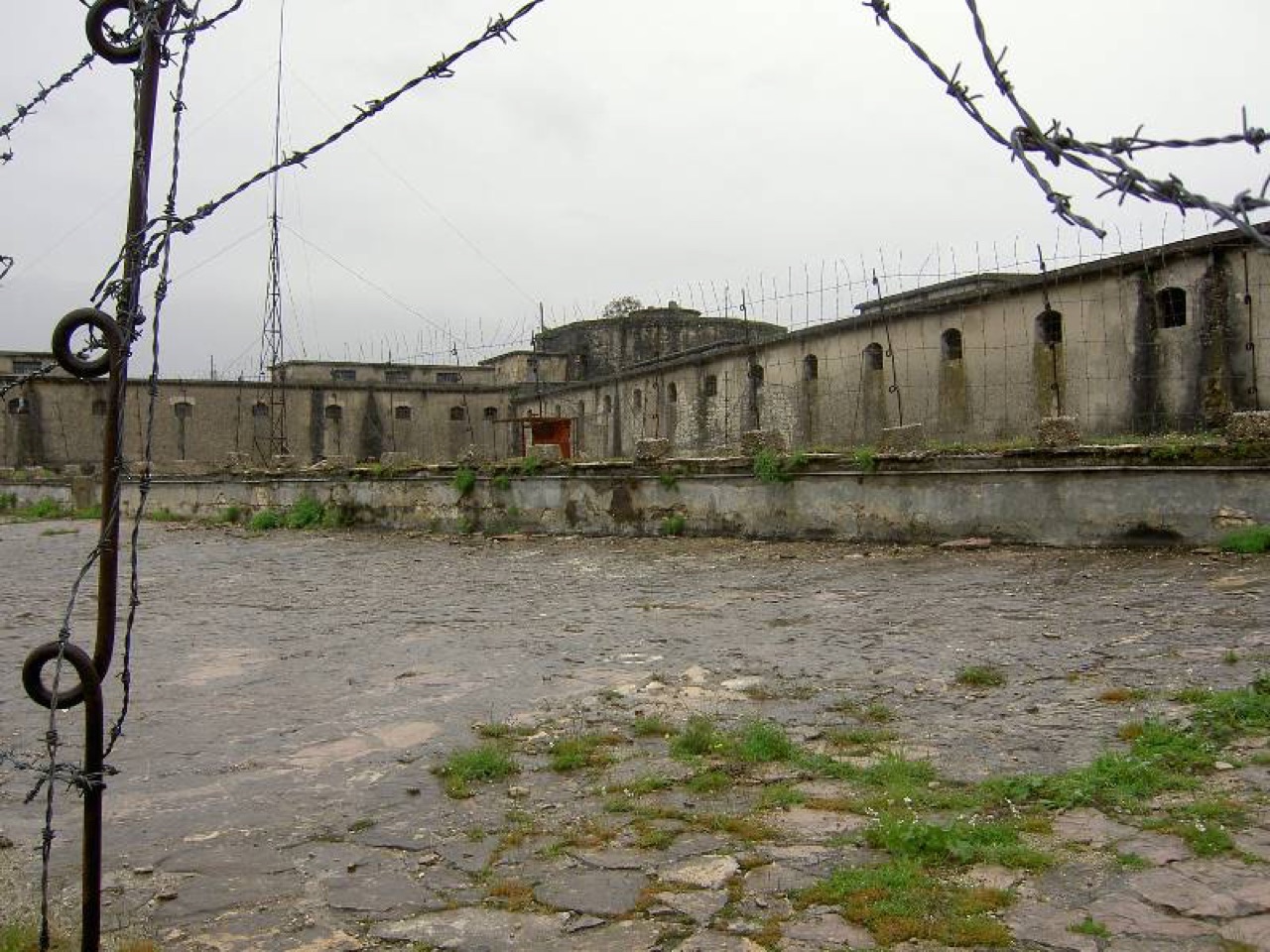
Roughly 170,000 concrete pillboxes built under Enver Hoxha — the most visible physical legacy of the communist state.
Historische Epoche
Forty-six years under Enver Hoxha and his successor: total collectivisation, the banning of religion, successive breaks with…
Person
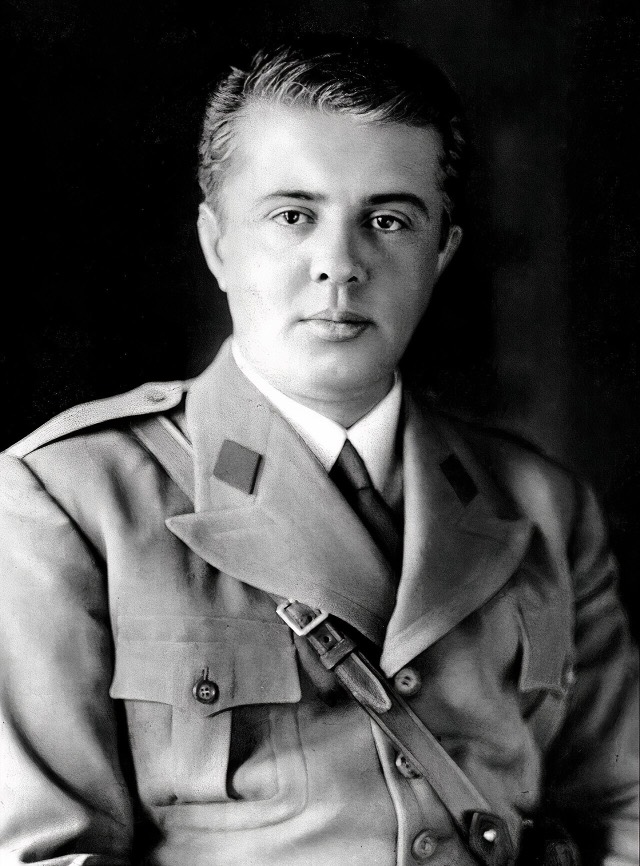
The leader who took Albania out of the Soviet bloc, then out of the Chinese one, and banned religion outright.
Historische Stätte · Tiranë
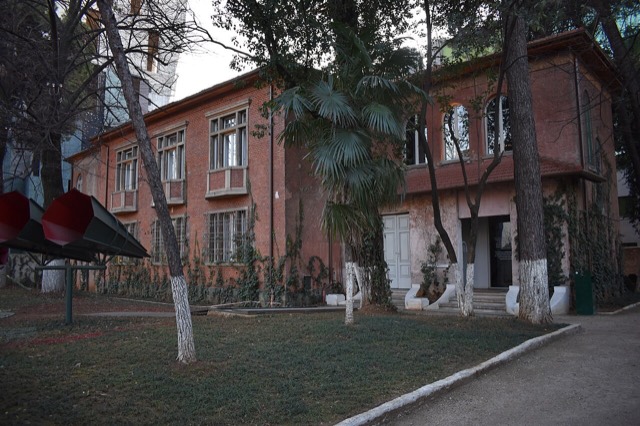
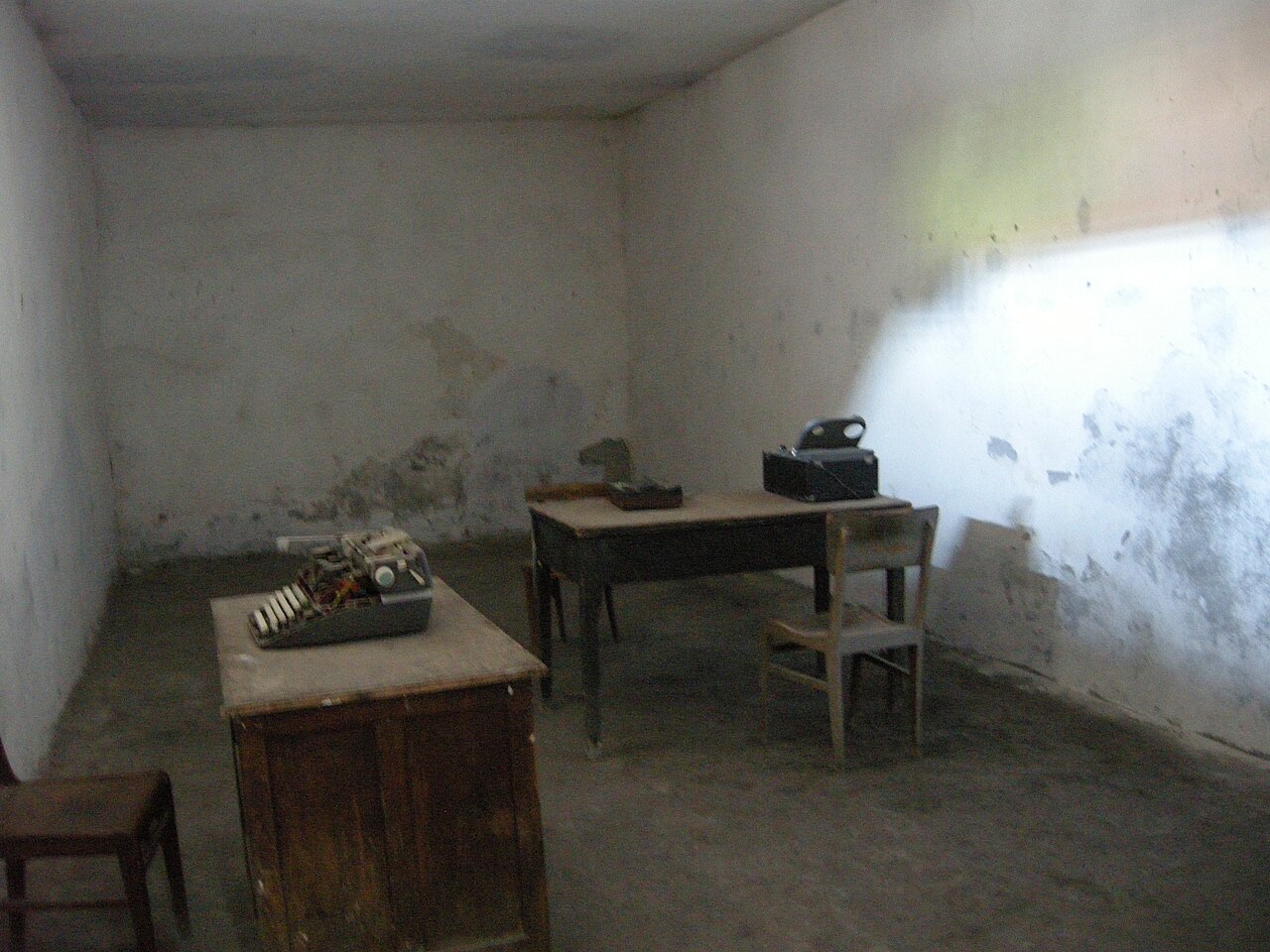
The former headquarters of the Sigurimi's technical surveillance branch, kept as it was found.
Etwas falsch auf dieser Seite? Korrekturen sind willkommen und werden gegen den Quelldatensatz geprüft. Bitte mitteilen, was falsch ist und, wenn möglich, woher die richtige Angabe stammt.