历史遗址
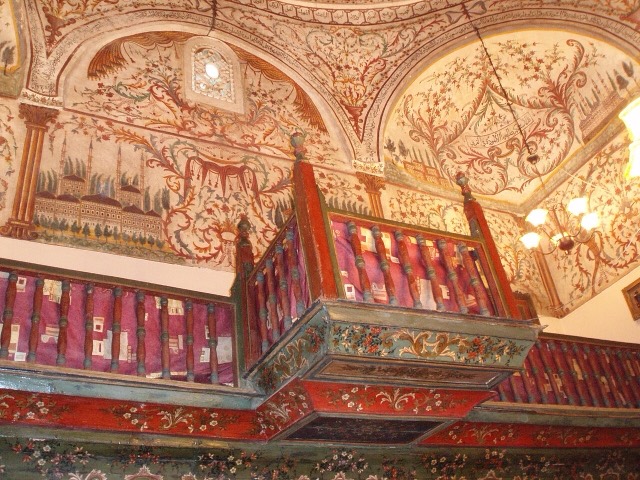
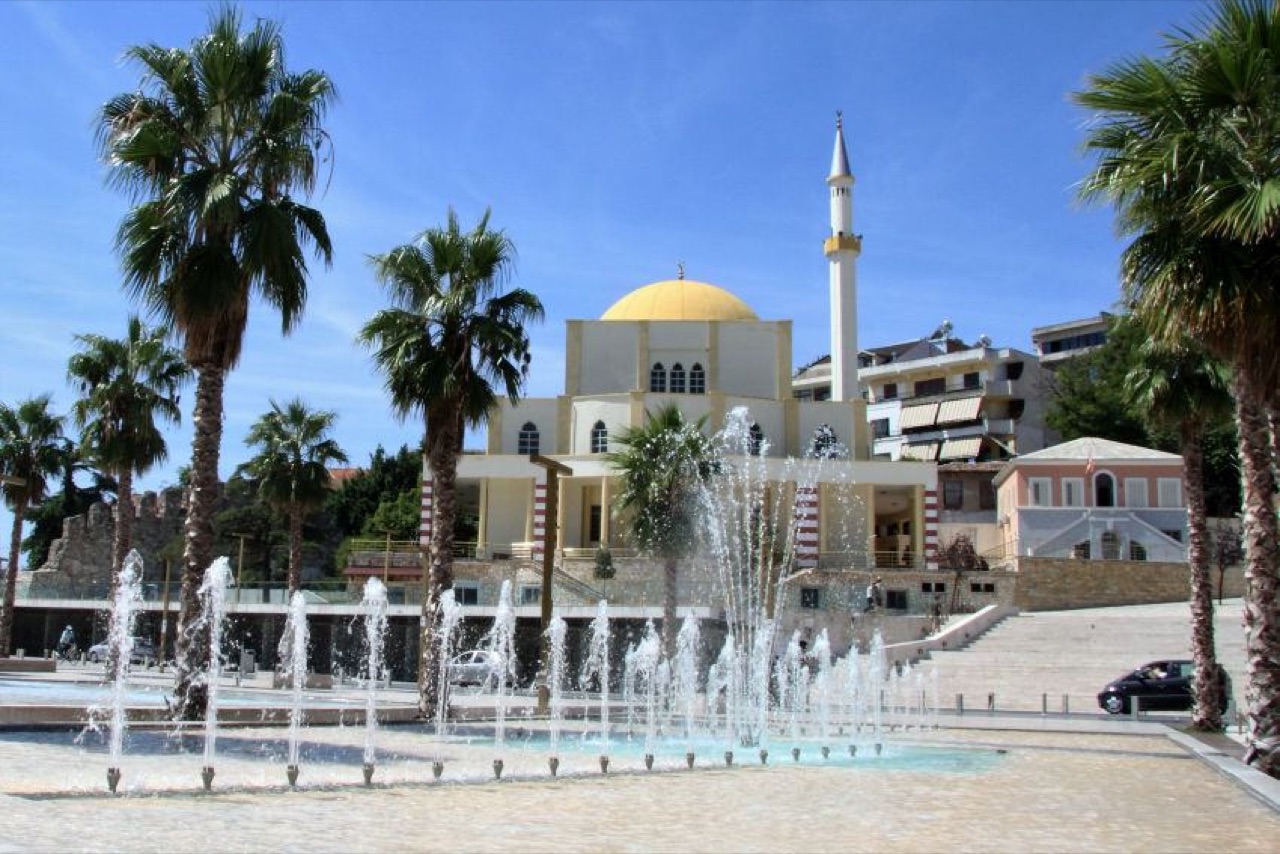
Et'hem Bey Mosque
The small mosque on Skanderbeg Square whose frescoes of trees and waterfalls are unusual in Islamic art.
🧭 引导视图
初次了解阿尔巴尼亚?每个页面均以通俗易懂的说明开篇——即便是十岁的孩子也能读懂——随后再展开详细内容。
⚡ 专业视图
您已掌握基础知识。直接进入正题,简明解释默认隐藏。此为默认模式。
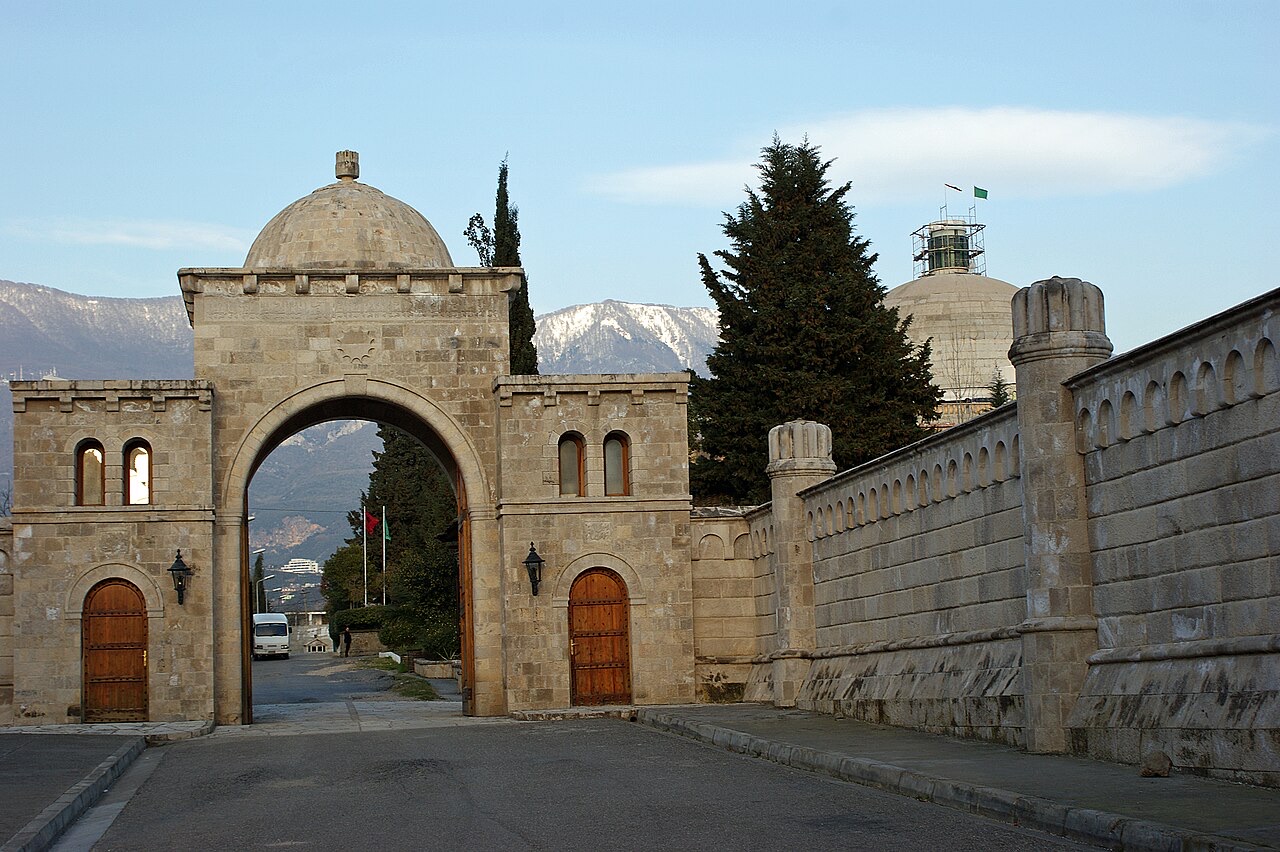
Albania has Muslims, Bektashis, Orthodox Christians and Catholics, and they have lived side by side for a long time. In 1967 the communist government banned religion completely and closed every mosque and church, the only country ever to do so. Worship became legal again in 1990.
Albania has Muslims, Bektashis, Orthodox Christians and Catholics, and they have lived side by side for a long time. In 1967 the communist government banned religion completely and closed every mosque and church, the only country ever to do so. Worship became legal again in 1990.
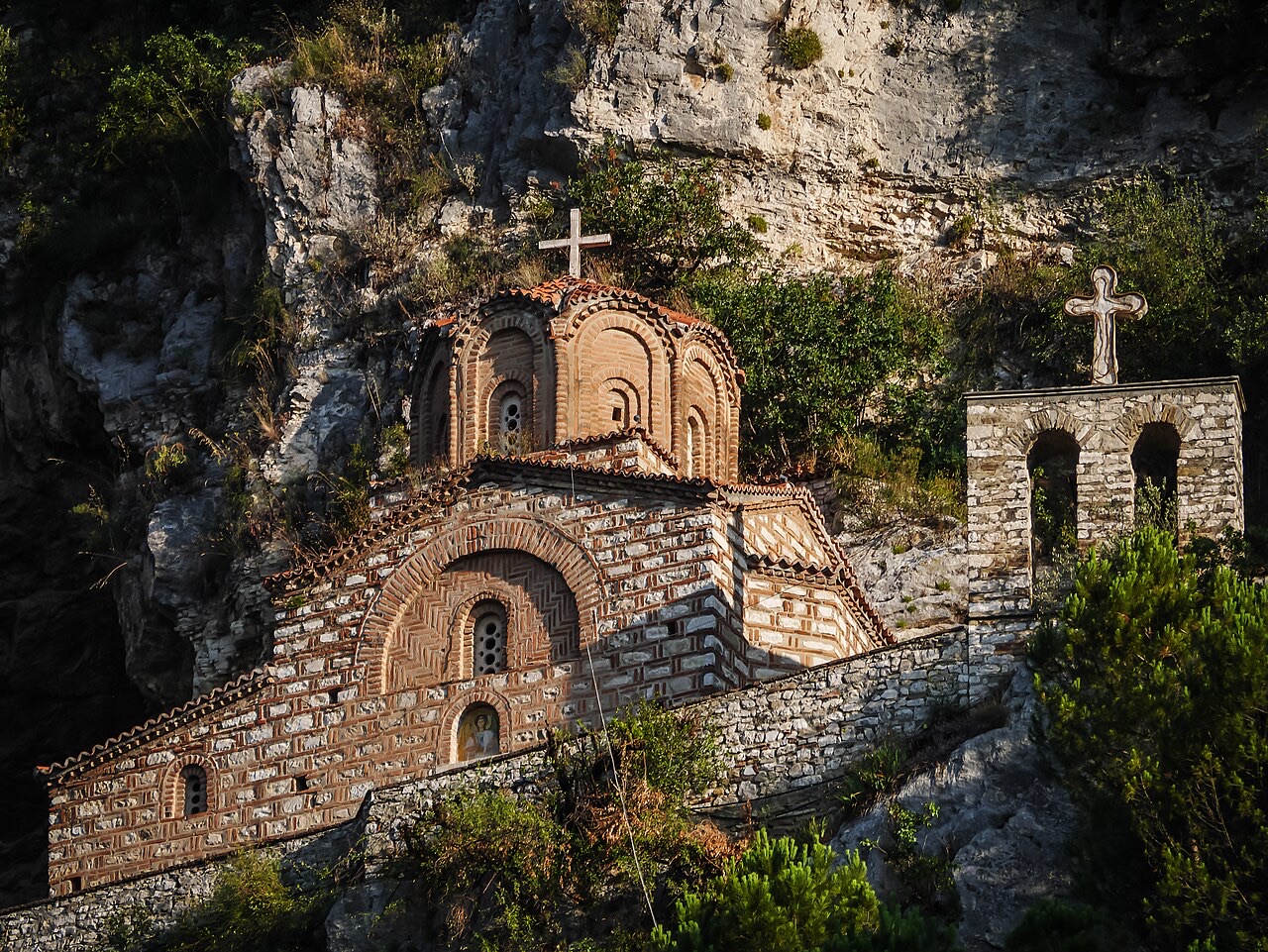
以下均为本 Atlas 中真实存在的关联关系——与本地点邻近的地点,以及本条目实际所属的主题类别。本栏目不包含任何通用推荐内容。
The small mosque on Skanderbeg Square whose frescoes of trees and waterfalls are unusual in Islamic art.
Forty-six years under Enver Hoxha and his successor: total collectivisation, the banning of religion, successive…
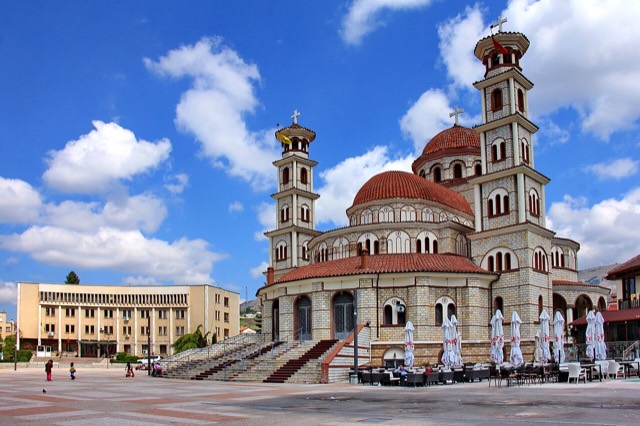
An autocephalous church since 1937, rebuilt almost from nothing after 1991.
A culture shaped by mountain isolation, five centuries of Ottoman rule, and fifty years of enforced separation.
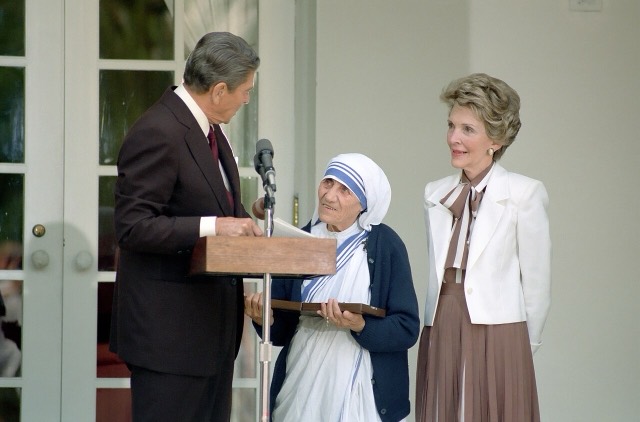
Born in Skopje to an Albanian family from Prizren and Shkodër; canonised in 2016 and now a national symbol.
An industrial town and the site of the Saint Anthony pilgrimage church at Shëngjin i Vogël.
A Sufi order whose world headquarters has been in Tirana since 1925, with a major shrine on Mount Tomorr.
Four communities, centuries of coexistence, twenty-three years of total prohibition, and a census question nobody…
本页内容有误? 欢迎提交更正意见,所有意见均会与原始记录核对。请告知错误所在,如能提供正确数据的出处,请一并注明。