Tarihsel dönem
Albania in the Second World War
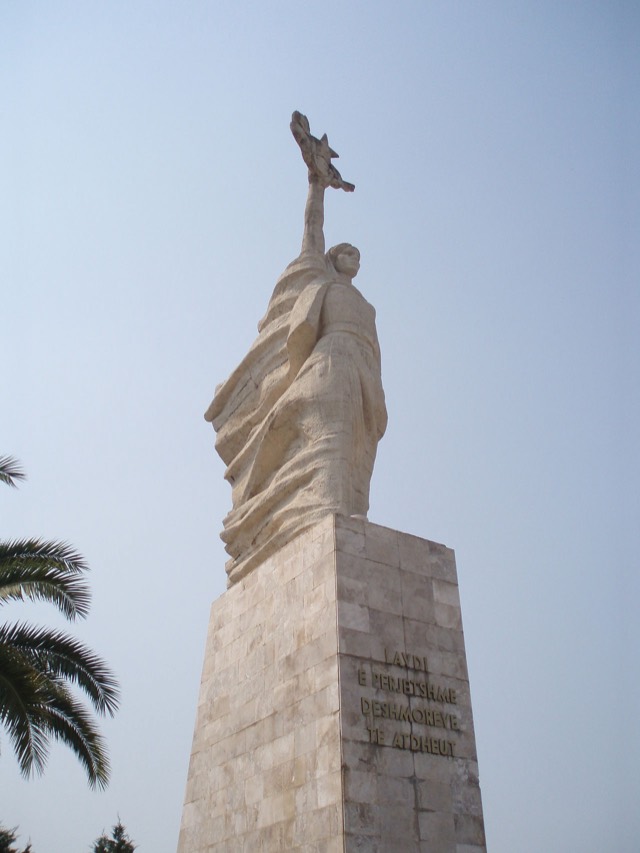
Occupation, a three-way resistance, and the sheltering of Jewish refugees under besa.
Her il, her kıyı, her yüzyıl
Rehberli görünüm
Arnavutluk'a yeni misiniz? Her sayfa, ayrıntılara geçmeden önce on yaşında bir çocuğa okuyabileceğiniz sade bir açıklamayla başlar.
Uzman görünümü
Temel bilgileri zaten biliyorsunuz. Sade açıklamalar gizli, doğrudan özüne geçin. Bu varsayılan ayardır.
Konu
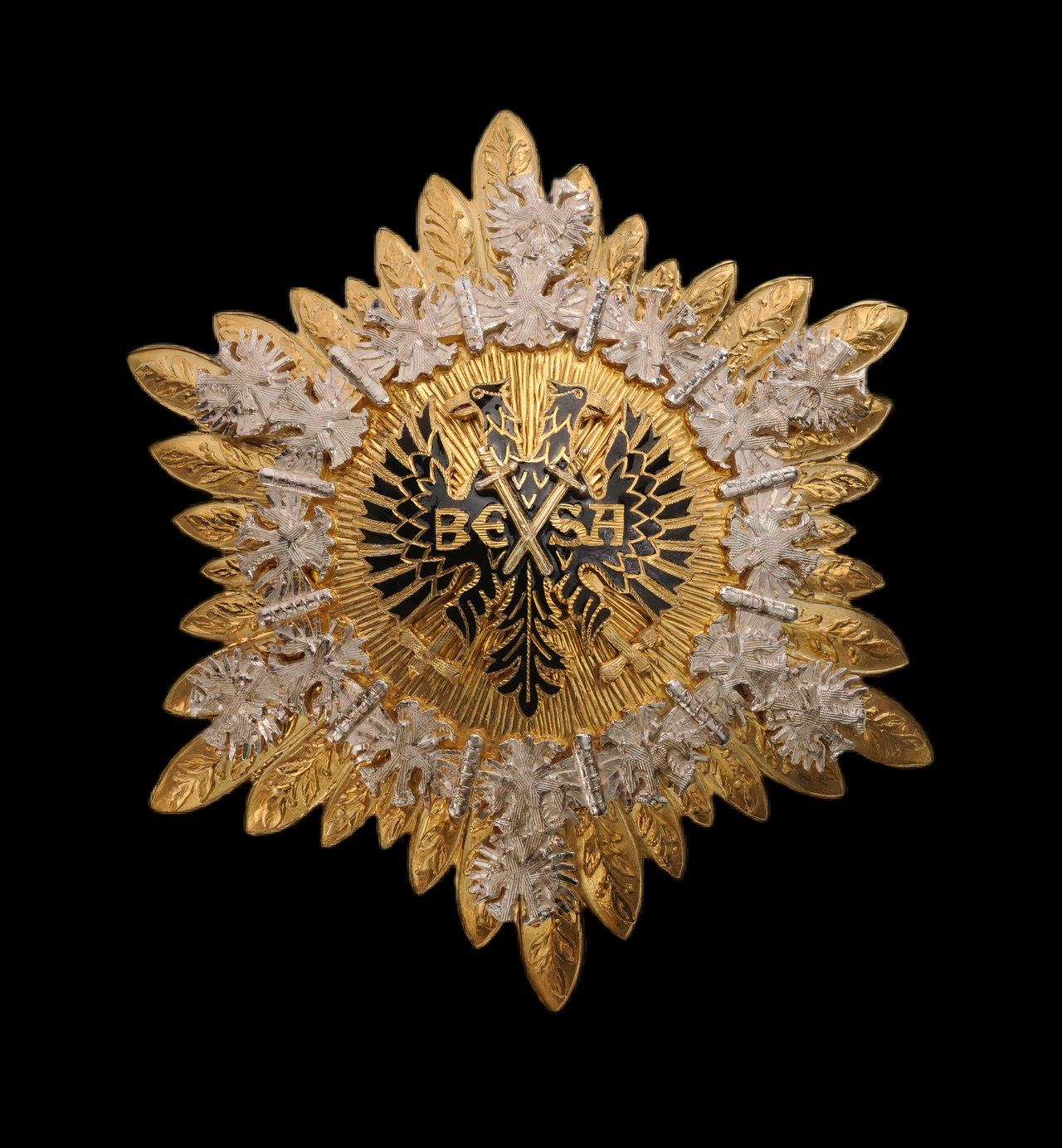
The customary obligation of keeping one's word — the principle behind Albania's wartime sheltering of Jewish refugees.
Kaydet
Besa means keeping a promise, and it is one of the strongest ideas in traditional Albanian culture. It includes a duty to protect a guest. During the Second World War, Albanian families used besa as the reason for hiding Jewish refugees, and almost all of them survived.
Besa means keeping a promise, and it is one of the strongest ideas in traditional Albanian culture. It includes a duty to protect a guest. During the Second World War, Albanian families used besa as the reason for hiding Jewish refugees, and almost all of them survived.
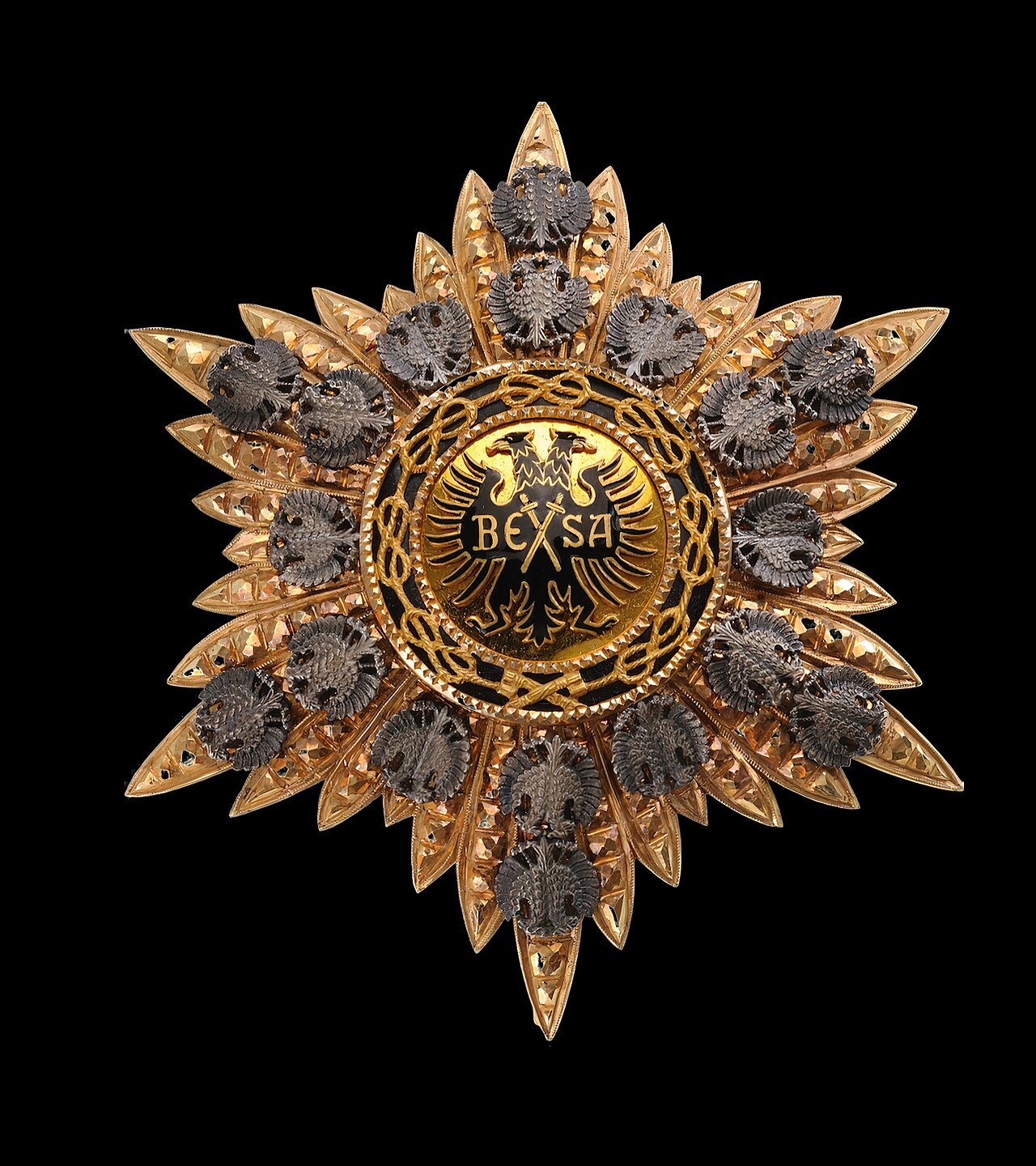
Besa (indefinite form: besë) is an Albanian cultural precept most commonly translated into English as 'pledge of honor', 'solemn faith', 'solemn oath', 'to keep the promise', or 'word of honor'. It is regarded within Albanian culture as something sacred and inviolable. The concept is based upon faithfulness to one's word, expressed as loyalty or as a guarantee of allegiance.
Besa contains obligations toward family and friends, demands internal commitment, loyalty, and solidarity in dealings with others, and requires secrecy in relation to outsiders. It is also the central element within the concept of the ancestor's will or pledge (amanet), where faithfulness to a cause is expected across generations in situations relating to unity, national liberation, and independence.
The Albanian adjective besnik, derived from besa, means 'faithful' or 'trustworthy'. Besnik for men and Besa for women remain popular given names among Albanians.
The Albanian word besa is an Indo-European cognate and shares similarities with the Classical Latin word fides. In its original Latin usage, fides carried an ethical and juridical meaning and was personified as the Roman goddess Fides. In Late Antiquity and the Medieval period, Latin fides acquired the Christian meaning of 'faith' or 'religious belief', a sense that persists in modern Romance languages and was borrowed into Albanian as feja.
The Albanian term besa was also borrowed into Greek as μπέσα (bésa), carrying the same meaning of 'word of honor'. In the early 19th century, Markos Botsaris recorded besa (written μπέσα) in his Greek-Albanian dictionary, translating it as the Greek θρησκεία (thriskeía), meaning 'religion' or, by extension, 'faith'.
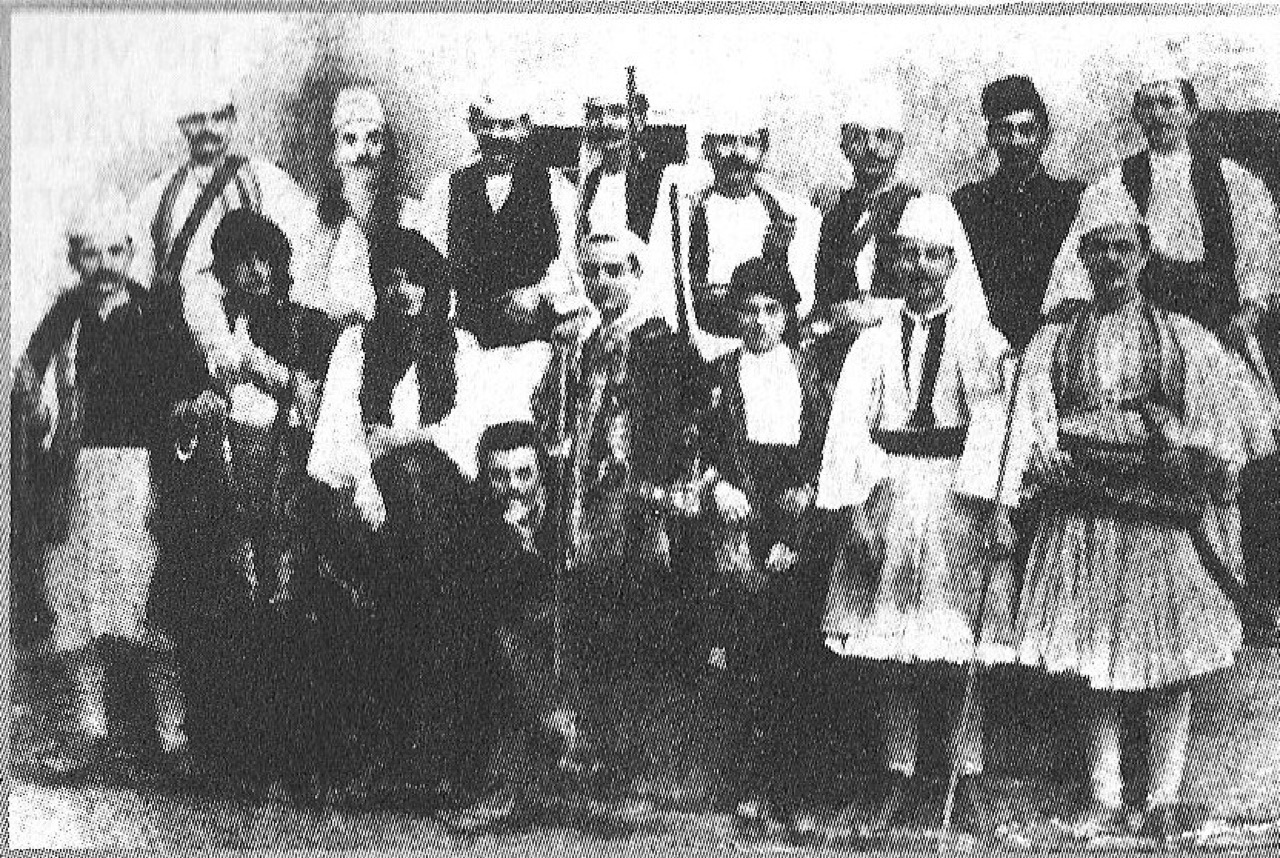
The concept of besa is codified within the Kanun, the customary law of the Albanian people, and stands as a cornerstone of personal and social conduct that directed all aspects of Albanian tribal society. It was a particularly important institution within the tribal society of the Albanian Malisors, the highland communities.
Albanian tribes swore oaths using besa to jointly resist government authority, and in this capacity besa served to uphold tribal autonomy. It was also used to regulate affairs between and within different Albanian tribes. The Ottoman government recognised its power and used besa as a mechanism to co-opt Albanian tribes into supporting state policies or to seal agreements.
During the Ottoman period, besa was cited frequently in government reports concerning Albanian unrest, especially regarding tribal affairs. It functioned as a generator of military and political power, holding Albanians together and uniting disparate groups. In times of revolt against the Ottomans, besa served as a binding link among different groups and tribes, and its force would wane when the collective will to enforce it dissipated.
According to scholars Ardian Klosi and Ardian Vehbiu, the first known documentation of the concept appears in the Statutes of Scutari, where the verb bessare ('to make an oath') is recorded. The next significant textual appearance is in the missal translated by Gjon Buzuku, where besa is used in the sense of faith (Latin: fides) in the passage 'O gruo, e madhe äshte besa jote' (Latin: O mulier, magna est fides tua), corresponding to the Gospel of Matthew 15:28.
In 1896, the Ottoman government's provincial almanac for Kosovo, the Kosova Salnamesi, included a two-page entry on besa and drew a direct comparison to the French concept of parole d'honneur, meaning 'word of honor'. This demonstrates that by the late nineteenth century, Ottoman authorities were formally documenting and attempting to classify the institution.
In 1878, during the Great Eastern Crisis, Albanians gathered in Prizren, Kosovo, and made a besa to form the political alliance known as the League of Prizren. The declared aim was to uphold Ottoman territorial integrity and prevent the partition of Albanian lands by neighbouring Balkan countries. In 1881, Albanians swore a besa and rebelled against the Ottoman government. In 1899, Haxhi Zeka, a landowner from Ipek (Pejë), organised a meeting of 450 Kosovo Albanian notables who agreed to form a besa (League of Peja) to fight the Ottoman government and simultaneously swore a besa to suspend all blood feuding.
During the Young Turk Revolution of July 1908, Kosovo Albanians gathered at Firzovik (Ferizaj) and agreed to a besa aimed at pressuring Sultan Abdul Hamid II to restore constitutional government. In November 1908, at the Congress of Manastir concerning the Albanian alphabet question, a committee of eleven delegates swore a besa promising that deliberations would remain secret before a final decision; they ultimately agreed on two alphabets as a compromise. Sultan Abdul Hamid II had earlier, in 1892–1893, issued a proclamation to the people of the Ișkodra (Shkodër) area urging them to make a besa and reject blood feuding, attempting to use the institution against the vendetta practice it also helped sustain.
In 1907, an Ottoman military inspection commission sent to Kosovo had as one of its fact-finding objectives the prevention of a 'general besa' against the Ottoman government. During the Albanian revolt of 1910, Kosovo Albanian chieftains gathered at Firzovik and swore a besa to resist the centralist policies of the Young Turk government. In the Albanian revolt of 1912, Albanians pledged a besa against the Young Turk government — the same government they had assisted into power in 1908.
During World War II, under German occupation, Albanians rescued and concealed over 2,000 Jews from Nazi persecution. The article records that this was motivated in part by the cultural institution of besa, which emphasises aiding and protecting people in moments of need.
This episode has been the subject of significant international attention. In the 2010s, photographer Norman H. Gershman created an international exhibition titled Besa: A Code of Honor documenting the rescuers, and an award-winning documentary film, Besa: The Promise, examined the survival of Jews in Albania during the Holocaust.
The institution of besa was deployed on multiple occasions specifically to counter the blood-feud practices that it also, in other contexts, helped sustain. Sultan Abdul Hamid II opposed blood feuds among Albanian tribes and in 1892–1893 issued a proclamation to communities in the Shkodër area urging them to make a besa and renounce the practice.
In Montenegro, an event called Beslidhja e Malësisë ('Pledge of the Highlands') took place in Tuzi on 28 June 1970, in the presence of both Catholic and Muslim clergy. Families and extended kin in the Malesia region made a besa and agreed to cease blood feuding and to accept state judicial outcomes for victims and perpetrators.
In 1874, Sami Frashëri wrote a play titled Besâ yâhut Âhde Vefâ ('Pledge of Honor or Loyalty to an Oath'). Its themes drew on Albanian ethnicity, attachment to an ethnic-based territory, ethnocultural diversity as a foundation for Ottoman unity, and the values of honor, loyalty, and self-sacrifice. The plot revolves around a betrothed girl kidnapped by a jealous villager who kills her father; her mother vows revenge and co-opts the culprit's father, who gives his besa to help without knowing the target is his own son, ultimately killing him and then himself, ending in family reconciliation. At the time, the play's treatment of besa signalled to perceptive Ottoman audiences the political implications of the concept, while assisting Albanians in rallying around a national programme. By the early twentieth century, Ottoman authorities viewed its themes of self-sacrifice for the homeland as fostering nationalist sentiment.
Frashëri also wrote a political treatise, Albania: What She Has Been, What She Is, What She Shall Be (1899), in which he proposed that Albanians make a besa to demand that the empire and Europe recognise Albanian national rights, applying pressure on the Ottomans to achieve those aims.
Besa is a key theme in the novel Kush e solli Doruntinën, known in English as Doruntine (1980), by Albanian novelist Ismail Kadare. In the 1980s until 1994, a bimonthly newspaper named Besa was published by the Arvanite community of Greece. In 2015, a political party named Lëvizja Besa ('Besa Movement'), with an anti-establishment and anti-corruption platform, was founded in the Republic of North Macedonia.
Several Albanian proverbs document the centrality of besa to cultural identity. Among those recorded: 'Besa e shqiptarit nuk shitet pazarit' ('The besa of the Albanian is not for sale'); 'Shqiptarët vdesin dhe Besën nuk e shkelin' ('Albanians would die before they violate besa'); and 'Besa e shqiptarit si purteka e arit' ('The besa of the Albanian is worth more than gold').
These sayings reflect the weight attributed to besa as an unconditional personal and collective obligation. The repeated framing of besa as inalienable — not subject to commerce, not broken even at cost of life — illustrates its function as both a moral standard and a marker of Albanian collective identity.
Tarihsel dönem
Occupation, a three-way resistance, and the sheltering of Jewish refugees under besa.
Konu
A culture shaped by mountain isolation, five centuries of Ottoman rule, and fifty years of enforced separation.
Konu
A body of customary law, best known in the Lekë Dukagjini recension, that governed the northern highlands for centuries.
Açıklayıcı
Four communities, centuries of coexistence, twenty-three years of total prohibition, and a census question nobody agrees about.
Açıklayıcı
A body of customary law that governed the northern highlands for centuries — and the part of it that everyone has heard of.
İçecek
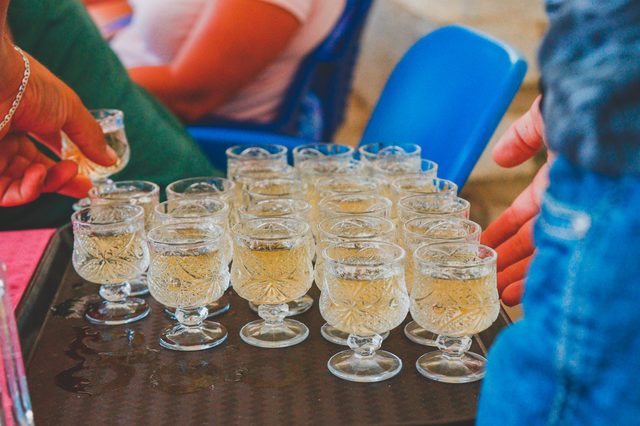
Home-distilled grape or plum spirit, offered to guests and made in most rural households.
Bu sayfada bir hata mı var? Düzeltmeler memnuniyetle karşılanır ve kaynak kayıtla karşılaştırılarak kontrol edilir. Neyin yanlış olduğunu ve mümkünse doğru rakamın kaynağını bize bildirin.