Thành phố · Tiranë
Tirana
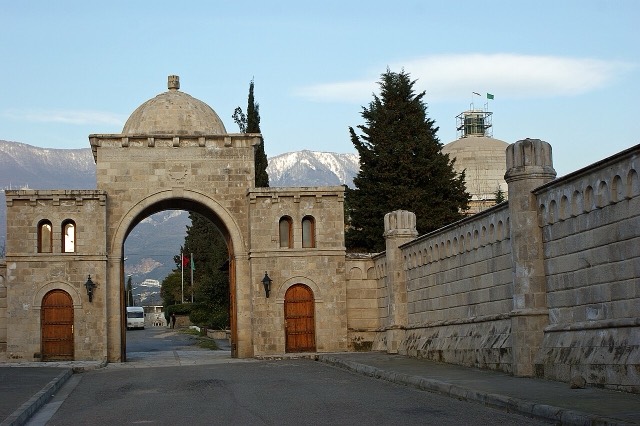
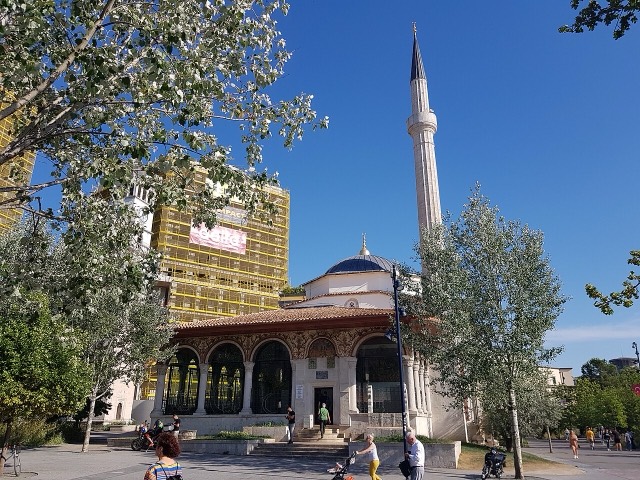
The capital: a fast-changing city of painted blocks, Ottoman survivals and new towers, under Mount Dajti.
Mọi hạt, mọi bờ biển, mọi thế kỷ
Chế độ hướng dẫn
Mới tìm hiểu về Albania? Mỗi trang mở đầu bằng một giải thích ngôn ngữ đơn giản mà bạn có thể đọc cho một đứa trẻ mười tuổi, trước khi đi vào chi tiết.
Chế độ chuyên gia
Bạn đã nắm được những điều cơ bản. Đi thẳng vào nội dung, với các giải thích đơn giản được ẩn đi. Đây là chế độ mặc định.
Chủ đề
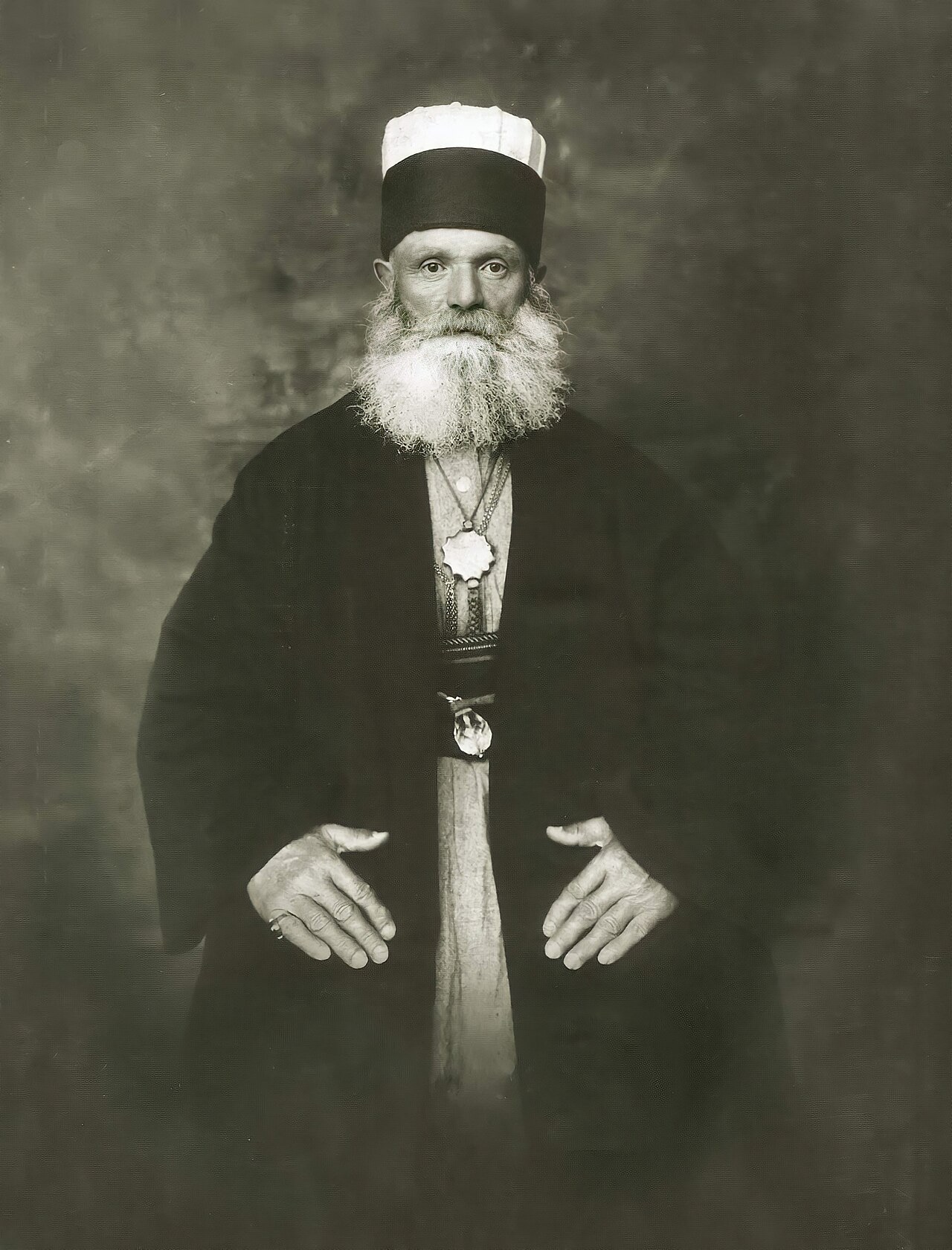
A Sufi order whose world headquarters has been in Tirana since 1925, with a major shrine on Mount Tomorr.
Lưu
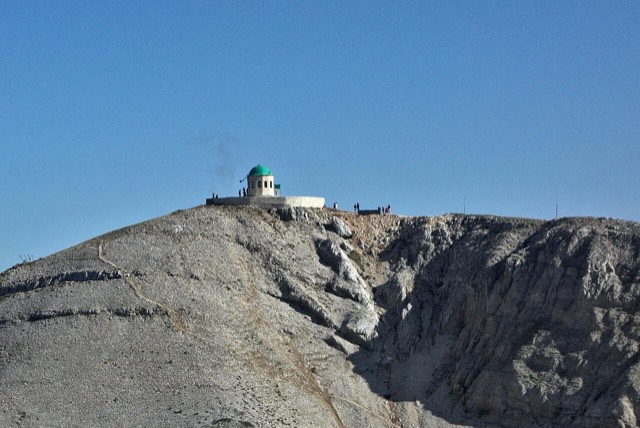
The Bektashi are a branch of Islam with their own traditions. Their world centre has been in Tirana since 1925, after they were expelled from Turkey. Every August thousands walk up Mount Tomorr to a shrine.
The Bektashi are a branch of Islam with their own traditions. Their world centre has been in Tirana since 1925, after they were expelled from Turkey. Every August thousands walk up Mount Tomorr to a shrine.
Bektashism is a Sufi order of Islam that evolved in 13th-century western Anatolia. It is named after the walī (saint) Haji Bektash Veli, whose own teachings trace back to the scholar Ahmad Yasawi, born in Sayram in what is now southern Kazakhstan. The order began as a Sufi movement within Sunni Islam before gradually absorbing elements of Twelver Shi'ism, including veneration of Ali—the cousin and son-in-law of the Prophet Muhammad—and the Twelve Imams.
The doctrines and rituals of the order were codified by the mystic Balım Sultan in the 16th century, who is venerated by Bektashis as the pīr-i thānī, meaning 'the Second Elder'. During its formative period the order was also shaped by Hurufism in the early 15th century, by the antinomian dervish tradition of the qalandars, and by figures including Yunus Emre, Nesimi, Pir Sultan Abdal, Sarı Saltık, and the Safavid ruler Ismail I. Balım Sultan systematized the order's mystical practices and gave the community much of its structural form.
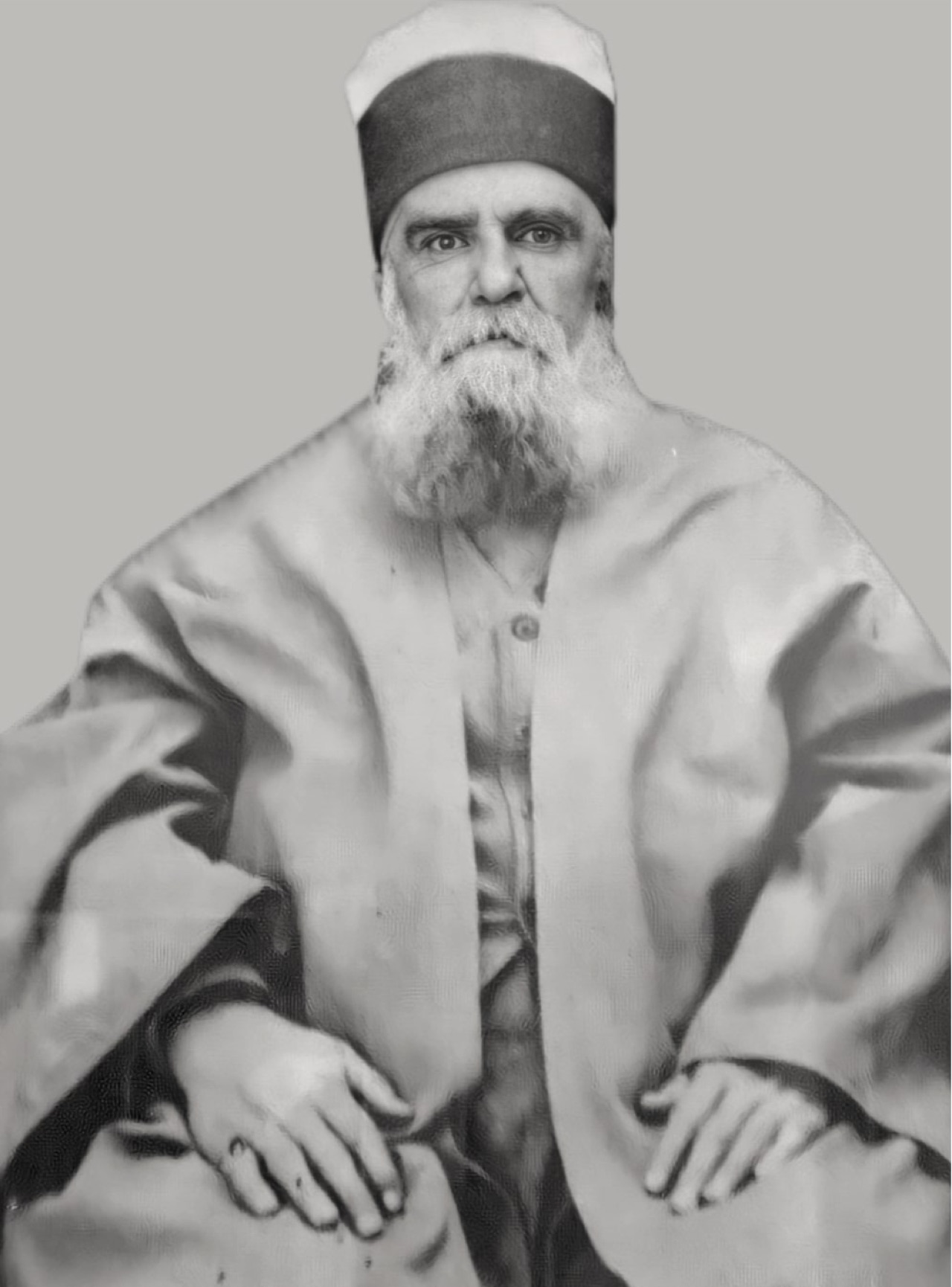
The Bektashis acquired significant political weight in the 15th century when the order came to dominate the Janissary Corps, the elite infantry of the Ottoman military. It became the Janissaries' official order, which spread its lodges—known as tekkes—across Anatolia and the Balkans. This association brought the order into close contact with Anatolian and Balkan Muslims of Eastern Orthodox convert origin, particularly Albanians and northern Greeks, though most leading Bektashi babas were of southern Albanian origin.
In 1826, Sultan Mahmud II banned the Bektashi order throughout the Ottoman Empire, citing its close ties to the Janissary Corps, which he had also suppressed that same year. Many dervishes were exiled, some were executed, tekkes were destroyed, and their revenues confiscated. The Sunni religious establishment and the leaders of more orthodox Sufi orders supported this decision. The order slowly recovered during the Tanzimat reform period. By the 18th century Bektashism had gained a considerable hold over southern Albania and northwestern Greece, including Epirus and western Greek Macedonia, and had influenced the Islamization of parts of Bulgaria and Macedonia.
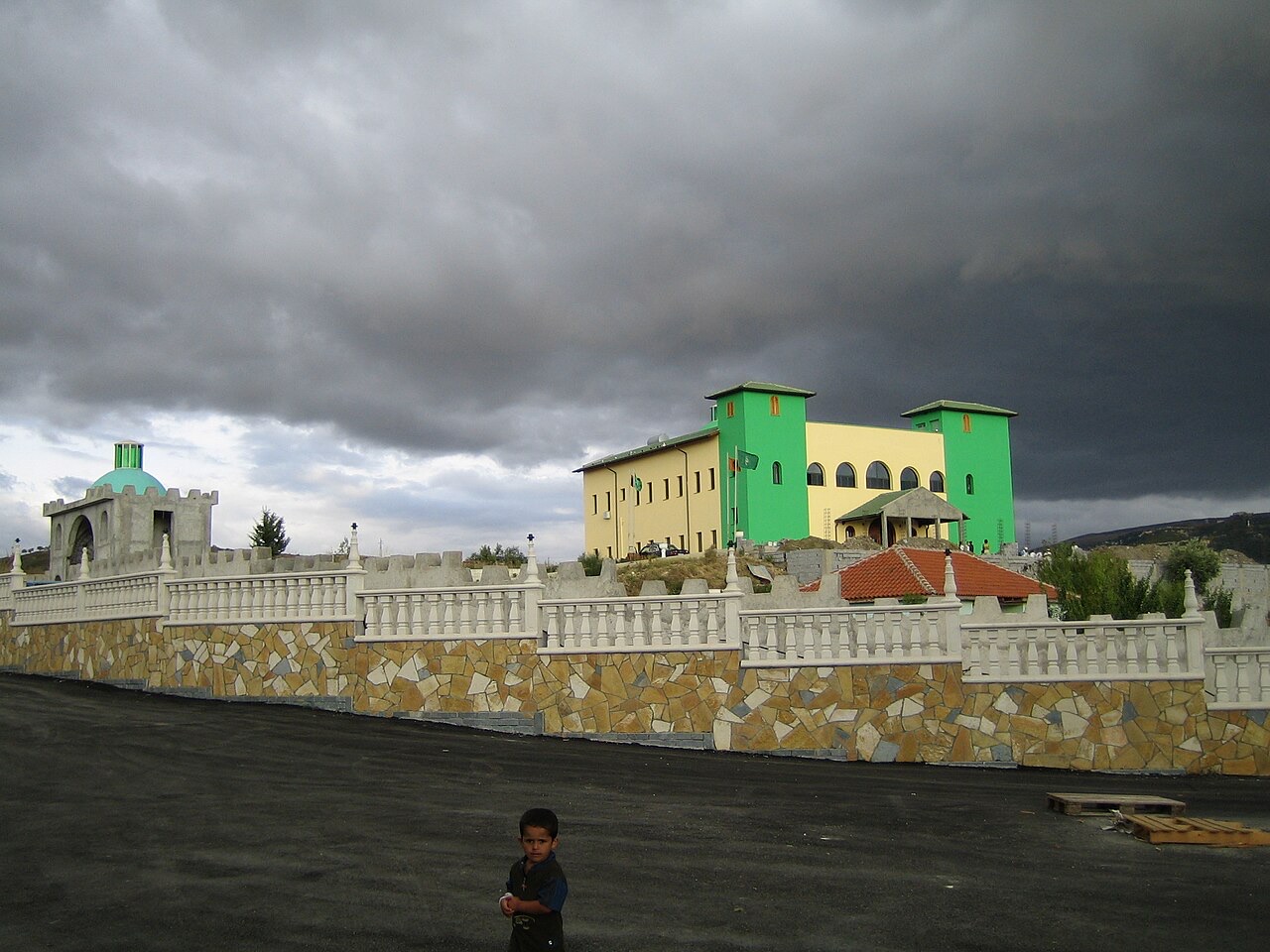
Following the collapse of the Ottoman Empire and the founding of the Turkish Republic in 1923, Mustafa Kemal Atatürk banned all Sufi orders and placed religious affairs under the Directorate of Religious Affairs. Bektashi lodges in Turkey were closed in 1925, and the order's leadership relocated to Albania, establishing its world headquarters in Tirana.
Salih Nijazi was the last Dedebaba resident in Turkey and the first to hold the office in Albania, formally elected to the position on 20 March 1930—another source in the article gives the date as 30 March 1930. His predecessor as Dedebaba had been Haxhi Fejzullah, based in Turkey. Nijazi established the Bektashi World Headquarters in Tirana; construction of the building was completed in 1941 during the Italian occupation of Albania. He promoted Bektashi practice by introducing major ceremonies at prominent tekkes. After his murder in 1941, Ali Riza succeeded him as Dedebaba.
In Albania, following the relocation, the community declared its separation from the Sunni community and has since been regarded as a distinct Islamic sect rather than a branch of Sunni Islam. Nijazi organized the country into six administrative districts called gjyshata, each headed by a tekke. During the same period some members of the order played prominent roles in Albanian public life: Ismail Qemali, for example, was a major figure in the Albanian National Awakening (Rilindja), and the 19th-century poet Naim Frashëri was among the most famous Bektashi adherents in the Balkans.
Bektashism continued to function in Albania until the Second World War. After communists took power in 1945, several babas and dervishes were executed and the order's influence was progressively curtailed. In 1967 Enver Hoxha banned all religious practice, and all tekkes were closed.
When the ban was lifted in 1990, the order re-established itself, though few practitioners with deep knowledge of the spiritual tradition had survived the suppression. The most recent head of the order before 2011 was Hajji Dedebaba Reshat Bardhi (1935–2011). In June 2011, Baba Edmond Brahimaj—known as Baba Mondi, formerly head of the Turan Tekke in Korçë—was chosen as head of the Bektashi Order by a council of Albanian babas. He is recognized as the eighth Dedebaba. Today approximately 20 to 25 percent of Muslims in Albania self-report some connection to Bektashism, according to the article. Albania's census of September 2023 recorded Bektashis as making up approximately 9 percent of the Muslim population and 5 percent of the country's total population.
Bektashis believe in the ismah (infallibility) of the prophets and messengers, and in the Fourteen Infallibles: Muhammad, his daughter Fatima, and the Twelve Imams. Unlike many Twelver Shia, Bektashis respect all Companions of Muhammad, including Abu Bakr, Umar, Uthman, Talha, Zubayr, and Mu'awiya, while considering Ali the greatest among them. Bektashism is heavily permeated with Shia concepts: marked reverence for Ali, the Twelve Imams, and the ritual commemoration of Ashura marking the Battle of Karbala are all central. The old Persian holiday of Nowruz is observed as Ali's birthday.
Alongside the standard Muslim five daily prayers, Bektashis observe two additional prayers—one at dawn and one at dusk—offered for the welfare of all humanity. The order places strong emphasis on Wahdat al-Wujud (Unity of Being), a doctrine formulated by Ibn Arabi. Bektashis also practice a ritual meal called muhabbet and an annual confession of sins to a baba, termed magfirat-i zunub. Rakia, a fruit brandy referred to within the order as Dem, is used sacramentally and is not considered alcoholic. Wine is also used in ceremonial meetings. Bektashis consider pork prohibited, as do other Muslims, but additionally avoid eating rabbit.
There is scholarly dispute, recorded in the article, about whether Bektashis have historically observed shariah law. The Malakat—a central Bektashi text—is attributed to Haji Bektash Veli, but some scholars question this attribution and consequently question whether the order's presentation of itself as orthodox in Islamic practice is historically accurate. The order has no written doctrine fixed across all communities, so rules and rituals vary from one baba to another. Bektashis officially uphold the four holy books—Torah, Psalms, Gospel, and Quran—as central scriptures, holding that none are corrupted in their inner meaning.
Poetry is a central vehicle for Bektashi spirituality. Yunus Emre, widely regarded as the most acclaimed poet of the Turkish language, is generally recognized as a Bektashi adherent. Several important Ottoman-era poets were Bektashis, and the order's mystical writings made a substantial contribution to the broader tradition of Sufi poetry.
The Makalat (The Articles), attributed to Haji Bektash Veli and said to be the source of the concept of the four gates—sharia, tariqa, marifa, and haqiqa—is considered by Bektashis to be a central scripture, transmitted orally and translated into local languages from Arabic. The Velayetname (The Book of Walayah), also attributed to Haji Bektash Veli, gives a poetic account of the sect's origins and the spread of the faith through Anatolia. Other important writings include the poetry attributed to the anonymous poet Virani, the works of Kaygusuz Abdal, the Erkannames (Guiding Principles), and poetry attributed to Shah Ismail.
Balım Sultan, who died around 1517 or 1519, composed poetry in which key Bektashi themes appear explicitly, including the proclamation of 'I am the Truth'—a phrase associated with the martyred mystic al-Hallaj—and the metaphor of the scaffold as a means of spiritual ascension. The order has no single official canon; its central tenet is described as 'seeing the 72 nations in one eye,' meaning all nations and religions are inherently the same, and the principle that the inner (batin) is more important than the outer (zahir).
Bektashism is initiatic, and members advance through ranked levels on the spiritual path. The first level, aşık (Albanian: ashik), encompasses those drawn to the order who have not yet undergone initiation. Following initiation—called nasip—a person becomes a mühip (Albanian: muhib). After time as a mühip one may take further vows and become a dervish.
Above the dervish is the baba (Albanian: atë, meaning father), who heads a tekke and is qualified to give spiritual guidance (irshad). Above the baba is the halife-baba, also called dede (Albanian: gjysh, meaning grandfather). The highest rank is the dedebaba (Albanian: kryegjysh, meaning great-grandfather), traditionally considered the supreme authority in the order. The traditional residence of the dedebaba was the Pir Evi (The Saint's Home) at the shrine of Haji Bektash Veli in the central Anatolian town of Hacıbektaş. The highest title is followed in seniority by Halifebaba and then Baba. Traditionally there were twelve hierarchical rankings in total.
The Bektashi Order of Tirana is currently led by Baba Mondi, recognized within Albania as the eighth Dedebaba. However, the Bektashi Order of Tirana is not recognized by Turkish Bektashis, who hold that Bektashi principles require the Dedebaba to reside in Anatolia and that the Albanian chain of succession never held the Dedebabate.
The World Headquarters of the Bektashi Order in Albania—known in Albanian as the Kryegjyshata—divides the country into six administrative districts, each called a gjyshata, a structure analogous to Christian parishes or patriarchates. Each gjyshata is headed by a designated tekke. The six current gjyshata are: Gjirokastra (headquarters: tekke of Asim Bab, covering Gjirokastra, Saranda, and Tepelena); Korça (headquarters: tekke of Turan, covering Korça, Devoll, Pogradec, and Kolonja including Leskovik); Kruja (headquarters: tekke of Fushë Kruj, covering Kruja, Kurbin, Bulqiza, Dibra, Mat, Shkodra, and Durrës); Elbasan (headquarters: tekke of Baba Xhefai, covering Elbasan, Gramsh, Peqin, Lushnja, Kavaja, and Librazhd including Përrenjas); Vlora (headquarters: tekke of Kusum Bab, covering Vlora, Mallakastra, Fier including Patos and Roskovec); and Berat (headquarters: tekke of Prisht, covering Berat, Skrapar, and Përmet).
Outside Albania, national headquarters are located in Gjakova (Kosovo), Tetovo (North Macedonia), and Taylor, Michigan (United States). There is also a Bektashi office in Brussels, Belgium. The World Bektashi Congress, at which members of the community make important decisions, has been held in Albania several times; since 1945 it has met exclusively in Tirana. The longest gap between congresses was from 1950 to 1993, when communist rule prevented gatherings.
A 2005 estimate by Dedebaba Reshat Bardhi put the worldwide Bektashi population at over seven million; more recent studies cited in the article place the figure as high as 20 million. An estimated 12.5 million Bektashis are said to live in Turkey, where the community operates semi-clandestinely with presences in Istanbul, Ankara, and İzmir. The community in Turkey was led by Dedebaba Bedri Noyan from 1960 until his death in 1997; two rival claimants to the Dedebabate in Turkey—Mustafa Eke and Haydar Ercan—are currently active.
In North Macedonia the principal Bektashi site is the Arabati Baba Teḱe in Tetovo. In 2002, armed members of the Islamic Religious Community of Macedonia (ICM), a Sunni organization that is one of two Muslim bodies recognized by the Macedonian government, unlawfully entered the tekke attempting to reclaim it as a mosque, despite the facility never having functioned as one. The Bektashi Order subsequently sued the Macedonian government for failing to return the property under a 1990s restitution law, though the law applies to private citizens rather than religious communities. The Macedonian government refused a Bektashi application for recognition as a separate religious community filed in 1993. A splinter branch in the town of Kičevo maintains ties to the Turkish Bektashi community under Haydar Ercan Dede rather than to Tirana.
In Kosovo, a Bektashi tekke operates in Gjakova and recognizes the leadership of Tirana; it was led by Baba Mumin Lama until his death in 2021. In the United States, a functioning tekke was established in 1954 by Baba Rexheb in Taylor, a suburb of Detroit; the tomb of Baba Rexheb continues to draw pilgrims. On 21 September 2024 it was reported that Albanian Prime Minister Edi Rama was planning to establish a Sovereign State of the Bektashi Order, a sovereign microstate for the order within Tirana, with the stated aim of promoting religious tolerance and a moderate version of Islam.
Thành phố · Tiranë
The capital: a fast-changing city of painted blocks, Ottoman survivals and new towers, under Mount Dajti.
Núi · Berat
A 2,416 m massif above Berat, and the site of an annual Bektashi pilgrimage each August.
Chủ đề
Four historic communities — Sunni, Bektashi, Orthodox and Catholic — and a state that banned all of them from 1967 to 1990.
Giải thích
Four communities, centuries of coexistence, twenty-three years of total prohibition, and a census question nobody agrees about.
Có thông tin sai trên trang này? Chúng tôi hoan nghênh các đề nghị đính chính và sẽ đối chiếu với hồ sơ nguồn. Hãy cho chúng tôi biết điều gì sai và, nếu có thể, nguồn số liệu chính xác là ở đâu.