Giai đoạn lịch sử
Independence, 1912
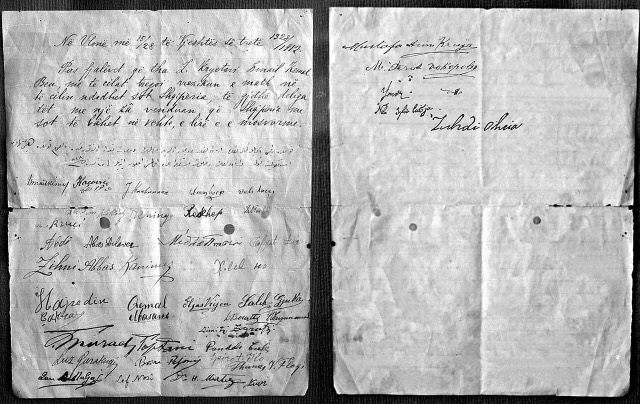
Declared at Vlorë on 28 November 1912 as the Ottoman Empire collapsed in the Balkan Wars.
Mọi hạt, mọi bờ biển, mọi thế kỷ
Chế độ hướng dẫn
Mới tìm hiểu về Albania? Mỗi trang mở đầu bằng một giải thích ngôn ngữ đơn giản mà bạn có thể đọc cho một đứa trẻ mười tuổi, trước khi đi vào chi tiết.
Chế độ chuyên gia
Bạn đã nắm được những điều cơ bản. Đi thẳng vào nội dung, với các giải thích đơn giản được ẩn đi. Đây là chế độ mặc định.
Chủ đề
More Albanians may live outside the country than in it — chiefly in Italy, Greece, Germany, Switzerland, the UK and the US.
Lưu
Very many Albanians live abroad. Large numbers left in the 1990s and again after 2014, mostly to Italy, Greece, Germany, Switzerland, Britain and the United States. Money sent home by people working abroad is an important part of Albania's economy.
Very many Albanians live abroad. Large numbers left in the 1990s and again after 2014, mostly to Italy, Greece, Germany, Switzerland, Britain and the United States. Money sent home by people working abroad is an important part of Albania's economy.
The Albanian diaspora encompasses ethnic Albanians and their descendants living outside the regions where Albanians form historical majority or significant minority populations: Albania itself, Kosovo, southeastern Montenegro, western North Macedonia, southeastern Serbia, northwestern Greece, and Southern Italy. The term covers communities formed across many centuries and through varied circumstances, from medieval displacement to twentieth-century refugee movements.
Estimating the true size of the diaspora is complicated by several factors acknowledged in the demographic literature. Many Albanians abroad have intermarried, assimilated into host societies, or adopted transnational identities. Others choose not to declare Albanian ancestry in national censuses, particularly in North America, South America, and Oceania, where ethnic Albanians may register their ethnicity as their nationality or leave it unreported. These patterns mean that published figures consistently undercount the diaspora population.
The largest communities are concentrated in Italy, Greece, Turkey, Germany, Switzerland, and the United States, with growing populations in Australia, Canada, France, Belgium, the United Kingdom, and New Zealand. The Kosovo-Albanian component of the diaspora is counted separately in most analyses: more than one million Albanians left Kosovo permanently from the late 1980s onward, not including those who fled the Kosovo War and subsequently returned.
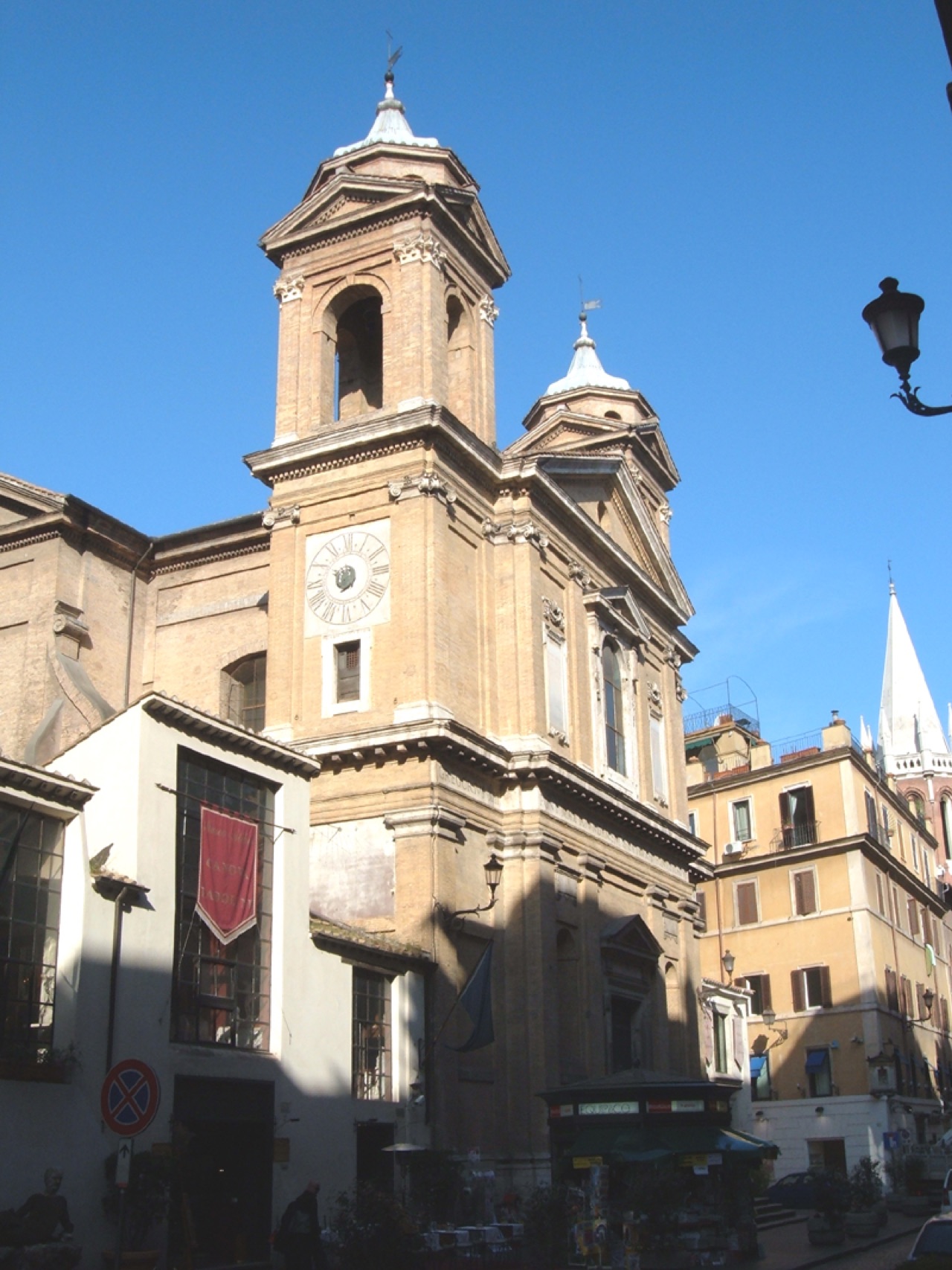
The earliest documented wave of emigration dates to the 15th century, when Ottoman conquest drove many Albanians out of their homeland. Refugees moved primarily to Calabria and other parts of Southern Italy and to Greece. Those who settled in the Kingdom of Naples and Kingdom of Sicily, both then under Aragonese rule, were received as a distinct community—the Arbëreshë—and granted their own villages and protected status.
The Arbëreshë have maintained a continuous presence in southern Italy from the 15th and 16th centuries to the present. Estimates of their numbers have varied significantly: a 1976 estimate placed the population at 250,000, while Italian official statistics have recorded a figure closer to 100,000. Among notable families of Arbëreshë origin was the Albani family, an aristocratic Roman Catholic dynasty originally from the Malësi e Madhe region of Albania. One member, Clement XI, became Pope; he commissioned the Illyricum Sacrum, now a foundational text in Albanology running to more than 5,000 pages across several volumes, written by Daniele Farlati and Dom. Coletti.
Emigration to Turkey occurred in three distinct phases. The first came in 1910, when Serbian authorities deported approximately 120,000 Albanians from Kosovo to Turkey. A second wave between 1926 and 1938 brought approximately 400,000 emigrants. A third movement between 1953 and 1966, following World War II, saw nearly 400,000 more people forced to emigrate from Kosovo to Turkey. Additional destinations in the pre-communist period included Bulgaria and, increasingly, the United States and South America.
An unusual early settlement in Bulgaria dates to 1636, when the village of Mandritsa was founded by Eastern Orthodox Albanian dairymen who supplied the Ottoman Army. They were granted a tract of land and exempted from taxes. The 2001 Bulgarian census recorded only 278 Albanian residents, reflecting the extent to which that community had since assimilated.
After the communist takeover following World War II, emigration from Albania was outlawed and violations were severely punished. The regime under Enver Hoxha produced among the weakest economies in Europe while Albanian birth rates—in both Albania and Kosovo—were among the highest on the continent. The combination of rapid population growth and severely limited economic opportunity created intense demographic pressure that was suppressed as long as the borders remained closed.
During the same decades, Albanians in Yugoslavia faced distinct pressures. Between 1950 and 1970, Islam in Yugoslavia was repressed, and both Albanians and Muslim Slavs were encouraged to declare themselves Turkish and emigrate to Turkey. This policy contributed to the third major Turkish immigration wave recorded above. Within Albania proper, the communist government prohibited religious names, a policy whose effects on naming practices persisted after the fall of the dictatorship.
The collapse of communism in Albania in 1990–1991 triggered rapid and large-scale emigration. The first wave took the form of break-ins at foreign embassies in Tirana and mass departures by ship, primarily to Italy. Italy had functioned as a symbolic representation of the Western world for many Albanians during the communist period, partly because of its geographic proximity across the Adriatic. In response to the sudden influx, Italy introduced the 'Martelli' law, under which any immigrant who could demonstrate entry before the end of 1989 was granted a two-year residency permit.
A second wave followed the 1997 civil unrest in Albania and then the Kosovo War of 1998–1999. From March 1997, Italy instituted a strict patrol of the Adriatic in an attempt to reduce Albanian immigration. As a result, many Albanian immigrants in Italy lacked legal status: of an estimated 450,000 Albanian immigrants in Italy in 1998, only approximately 82,000 were registered with authorities. Total Albanian emigration from the country since the 1990s has been recorded at over 800,000, the majority settling in Greece and Italy either permanently or as temporary workers.
The rate of emigration gradually decreased during the later 2000s before a sudden increase occurred in 2014–2015. The preference for Italy and Greece during the initial waves has since shifted toward Canada and the United States, attributed to stricter European immigration laws. Kosovo-origin emigrants moved predominantly toward Switzerland, Austria, Germany, and the Nordic countries.
Greece received the largest share of post-1990 Albanian emigrants. According to the 2001 Greek census, there were 443,550 holders of Albanian citizenship in Greece, with the total Albanian immigrant population estimated at well over 650,000. Albanians were estimated to constitute between 65 and 70 percent of all immigrants in the country at that time. The Albanian community in Greece is described as the most integrated, legal, and settled immigrant community in the country.
In Switzerland, an estimated 250,000 ethnic Albanians reside, the majority from Kosovo and a sizeable minority from North Macedonia. Albanians have migrated to Switzerland since the 1960s, but the bulk of immigration occurred during the 1990s, particularly during 1998–1999. They represent approximately 2 percent of the total Swiss population, making them the third-largest immigrant community after Italians and Germans. Albanian is the second-largest immigrant language in Switzerland after Serbo-Croatian. Approximately 40,000 have acquired Swiss citizenship; around 150,000 remained registered as nationals of Serbia and Montenegro, Kosovo, North Macedonia, or Albania. The Republic of Kosovo had 34,000 passports registered with Swiss authorities by August 2010.
Germany hosts an estimated 300,000 Albanians, most of whom migrated from Kosovo during the 1990s. In the United Kingdom, the 2021 census recorded 67,957 people born in Albania resident in England, with 715 in Wales and 142 in Northern Ireland. The number of England residents born in Kosovo was 30,427, with 90 in Wales and 60 in Northern Ireland. Albania maintains one embassy in the UK, located in London. In Turkey, estimates put the number of citizens of full or partial Albanian descent at approximately five to six million, though figures vary between sources in the article.
The Italian government has housed significant numbers of Kosovo Albanians in existing Arbëreshë settlements, most notably in the zone of Lungro in Calabria and Piana degli Albanesi in Sicily. The total number of Albanians in Italy is reported at 800,000. Portugal had an estimated 160 people of recent Albanian immigrant background as of 2022, the majority foreign nationals; approximately 70 had acquired Portuguese citizenship between 2008 and 2021. Albania and Portugal do not maintain embassies in each other's capitals; Albania operates honorary consulates in Porto, Funchal, and Lisbon, while Portugal has an honorary consulate in Tirana. Diplomatic relations date to 25 May 1922, when Portugal recognized Albanian independence.
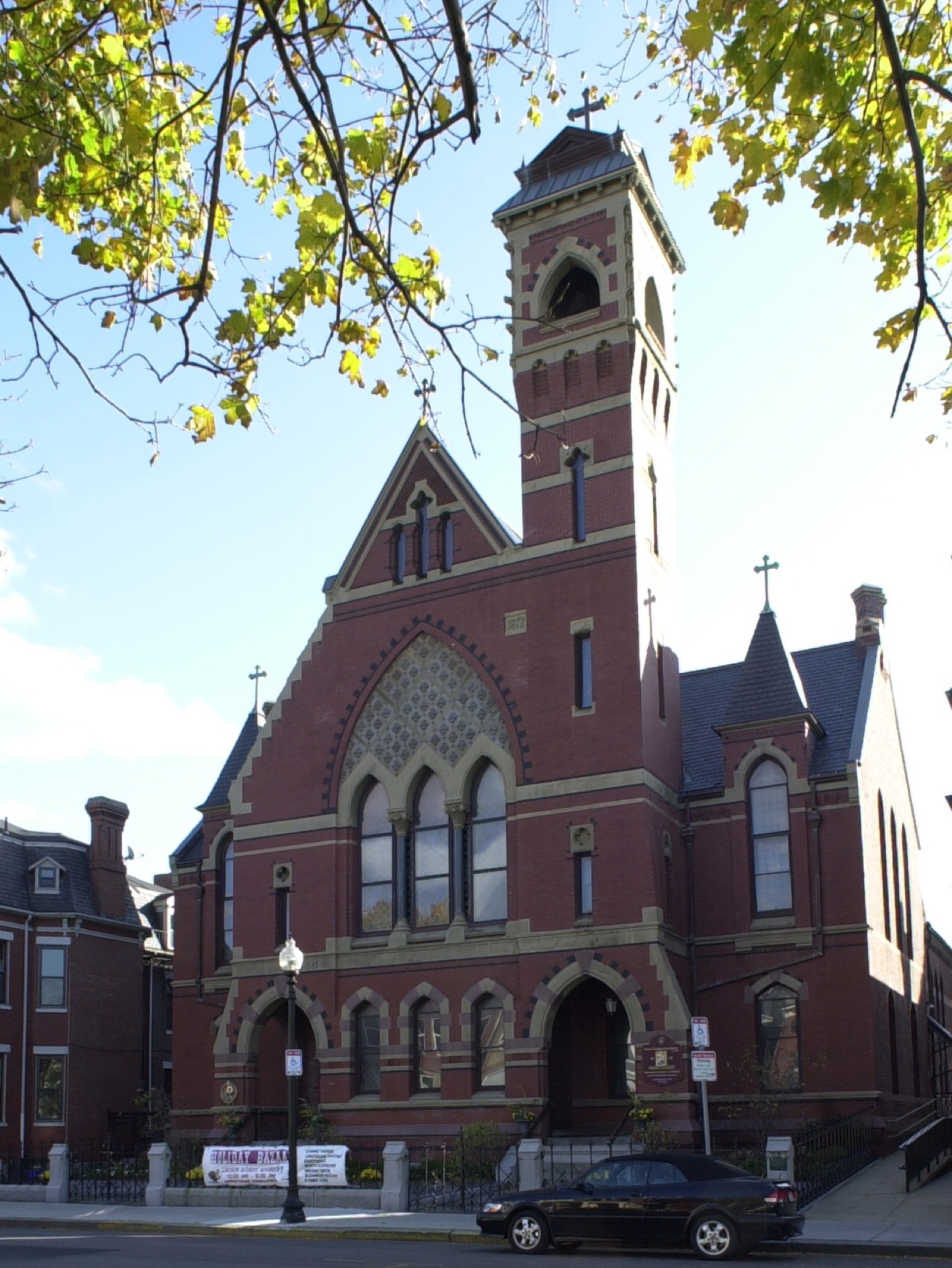
Albanians began settling in the United States in the late 19th and early 20th centuries, arriving from southern Albania, Greece, Turkey, southern Italy, and Kosovo. A second wave came in the 1990s from Albania, Montenegro, North Macedonia, and as refugees from the Kosovo War. The largest Albanian American populations—including Kosovar Albanians—are concentrated in New York City, Boston, Detroit, Jacksonville, and Chicago, with additional communities in the Los Angeles area and the Inland Empire (Riverside/San Bernardino) region of California. Kosovo Albanian refugees who entered through March Joint Air Reserve Base in Riverside formed a distinct local community. The Albanian-American population is recorded at 224,000, representing 0.04 percent of the US population.
In Canada, Statistics Canada recorded 28,270 people claiming Albanian ancestry in the 2011 census. Albanian settlers have been present in Canada since at least the early 20th century, following pre-war revolutionary upheavals. The majority settled in Montreal or Toronto, with additional communities in Calgary and Peterborough. In 1999, following the Kosovo conflict, the Canadian government created a program to offer safe haven to 7,000 Kosovar Albanian refugees.
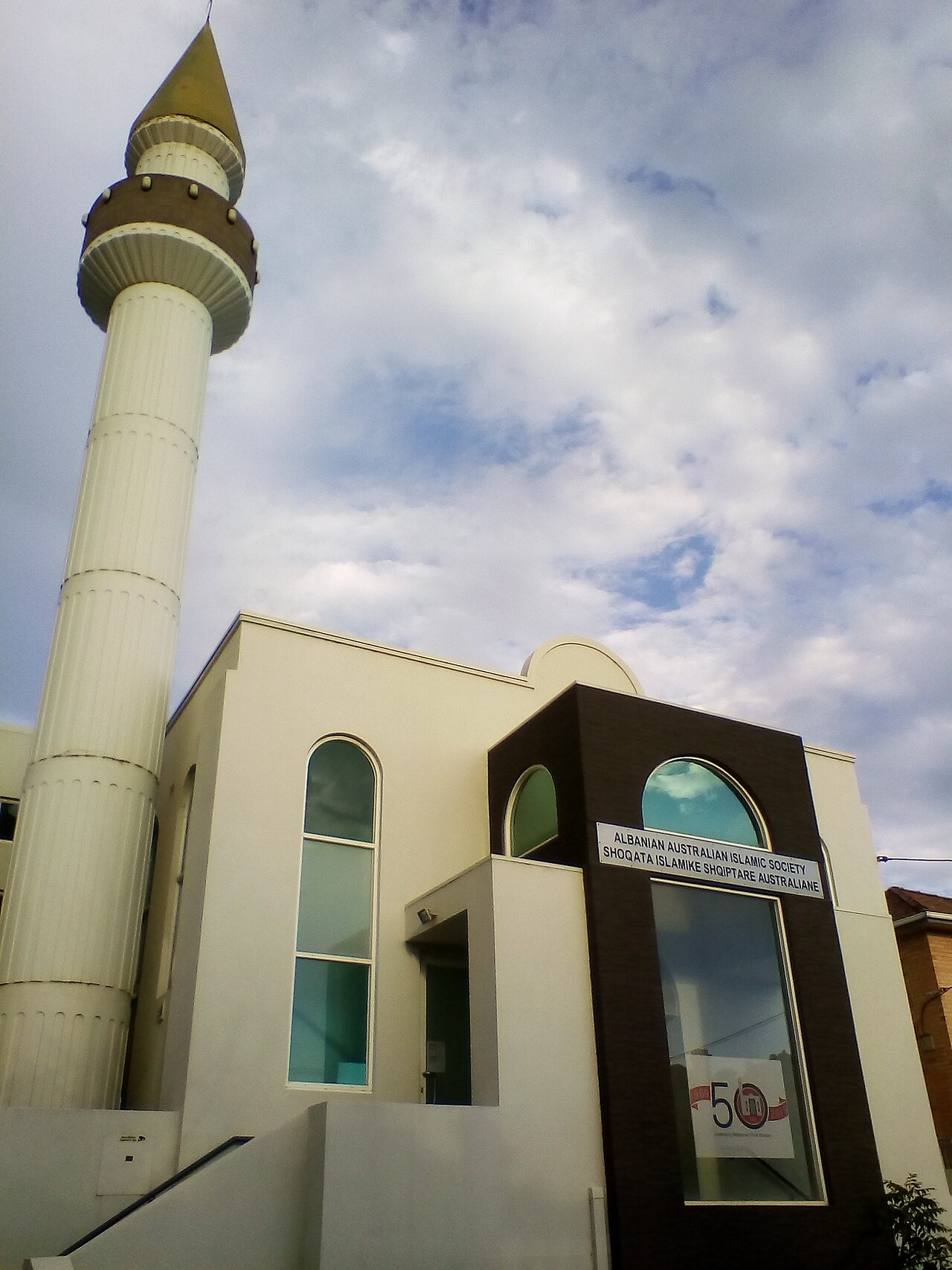
The 2021 Australian census counted 5,109 people born in Albania or Kosovo and 19,686 who claimed Albanian ancestry, either alone or combined with another ancestry. Albanians were the first significant Muslim group to migrate to Australia under the White Australia policy, which otherwise admitted white European migrants. Migration from southern Albania—primarily from Korçë and its surrounding rural areas—began during the interwar period of the early 1920s to late 1930s. Early arrivals worked in hard labour and farming, settling in northern Western Australia, Queensland, and later Shepparton in Victoria. Post-war refugees arrived from Albania and southern Yugoslavia. From the 1960s and 1970s, Albanians from southwestern Yugoslavia, corresponding to modern North Macedonia, settled in Melbourne's working-class suburbs, particularly Dandenong. By the early 21st century, Dandenong and Shepparton in Victoria had the highest concentrations of Albanians in the country.
Albanian migration to New Zealand occurred in the mid-20th century following World War II. A small group of refugees, mainly from Albania with others from Yugoslav Kosovo and Macedonia, settled in Auckland. During the Kosovo crisis of 1999, up to 400 Kosovo Albanian refugees settled in New Zealand. In the 21st century, Albanian New Zealanders number between 400 and 500 people and are concentrated primarily in Auckland.
Emigrant remittances to Albania are estimated to account for 18 percent of GDP, equivalent to approximately $530 million annually, though this figure was declining in the late 2000s. Returnees have opened micro-enterprises, and the geographic proximity of Greece and Italy—where more than half of Albanian emigrants are located—has supported continuous circular labour mobility. The Greek financial crisis prompted many Albanian emigrants to return to Albania, either temporarily or permanently.
The mass emigration of the 1990s to early 2000s produced severe brain drain. An estimated 45 percent of Albania's academics emigrated between 1990 and 2003. More than 65 percent of scholars who received PhDs in Western countries between 1980 and 1990 also emigrated. In 2006, Albanian authorities and the UNDP jointly launched a 'brain gain' programme to encourage skilled diaspora members to contribute to national development; the article notes that its success remained uncertain at time of writing.
Return migration data from the 2011 Population and Housing Census show that approximately 139,827 Albanians returned to Albania during 2001–2011, the majority male. A national research survey found that 133,544 Albanian immigrants aged 18 and over returned between 2009 and 2013, of whom 98,414 were men and 35,130 women—73.7 percent and 26.3 percent respectively. The majority of returns during this period occurred from Greece (70.8 percent), followed by Italy (23.7 percent). Voluntary returns accounted for 94 percent of the total. The 2008 financial crisis is identified as a principal driver. The main stated reasons for original emigration were unemployment in Albania and the prospect of better employment and higher incomes abroad; reasons for return included job loss abroad, family ties, and improved opportunities within Albania.
The earthquake of 26 November 2019 prompted a coordinated diaspora response. Albanian communities worldwide held fundraisers and raised millions for earthquake relief. Albanian-background global pop stars also appealed publicly to their audiences for donations. Members of the diaspora are also credited with creating the first IPTV platform in the United States designed to deliver Albanian-language content to diaspora audiences, with a later European counterpart.
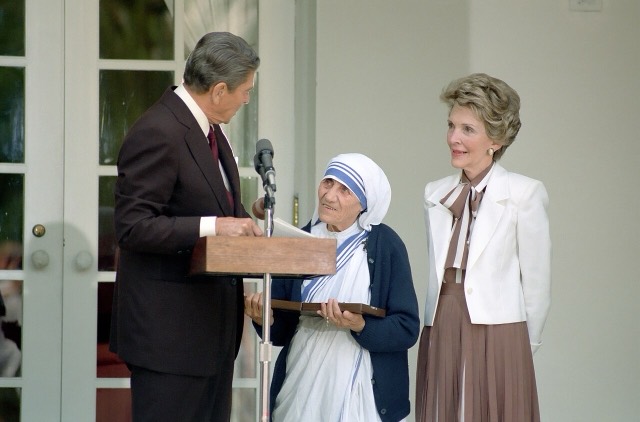
The Albanian diaspora has produced figures of international significance across politics, the arts, religion, and science. Among the most prominent is Mother Teresa—born Agnes Gonxha Bojaxhiu—an ethnic Albanian nun of Indian citizenship who founded the Missionaries of Charity in Calcutta. Ferid Murad, an Albanian-American physician and pharmacologist, shared the 1998 Nobel Prize in Physiology or Medicine. Muhammad Ali Pasha, regarded as the founder of modern Egypt, was of Albanian origin; as a commander sent to expel Napoleon's forces, he became Governor of Egypt in 1805 and subsequently Khedive of Egypt and Sudan, founding a dynasty. Farouk I of Egypt (11 February 1920 – 18 March 1965), the tenth ruler of the Muhammad Ali Dynasty and penultimate King of Egypt and Sudan, was of Albanian, Egyptian, and Turkish descent.
In Italian history, Francesco Crispi, of Arbëreshë ancestry, was instrumental in the unification of Italy and served as its 17th and 20th Prime Minister from 1887 to 1891 and again from 1893 to 1896. Antonio Gramsci, also of Arbëreshë descent, was a writer, political theorist, linguist, and philosopher. Girolamo de Rada (1814–1903), an Italo-Albanian writer of Arbëreshë descent, was a leading figure of the Albanian National Awakening in 19th-century Italy. Sedefkar Mehmed Agha, of Albanian origin, was the architect of the Sultan Ahmed Mosque—the Blue Mosque—in Istanbul.
In contemporary music, Rita Ora is a Kosovar Albanian singer born in Prishtina; her family emigrated to London in 1991 when she was one year old. Dua Lipa is also a Kosovar Albanian singer. Ava Max and Bebe Rexha are Albanian-American singers. Eleni Foureira represented Cyprus at the Eurovision Song Contest in 2018, and Gjon Muharremaj represented Switzerland at Eurovision in 2021. William G. Gregory was the first Albanian-American in space. Mira Murati is identified as an Albanian who served as CTO at OpenAI.
Giai đoạn lịch sử
Declared at Vlorë on 28 November 1912 as the Ottoman Empire collapsed in the Balkan Wars.
Chủ đề
A culture shaped by mountain isolation, five centuries of Ottoman rule, and fifty years of enforced separation.
Nhân vật
Born in Skopje to an Albanian family from Prizren and Shkodër; canonised in 2016 and now a national symbol.
Giai đoạn lịch sử
The fall of the regime, mass emigration, and the 1997 collapse of the pyramid schemes.
Chủ đề
The two dialect groups, divided by the Shkumbin river: Gheg to the north, Tosk to the south.
Công nghiệp
Money sent home by Albanians abroad — a large and stabilising share of national income.
Giải thích
The 2023 census recorded a resident population far below the 2011 count — the clearest measure of three decades of emigration.
Có thông tin sai trên trang này? Chúng tôi hoan nghênh các đề nghị đính chính và sẽ đối chiếu với hồ sơ nguồn. Hãy cho chúng tôi biết điều gì sai và, nếu có thể, nguồn số liệu chính xác là ở đâu.