Город · Gjirokastër
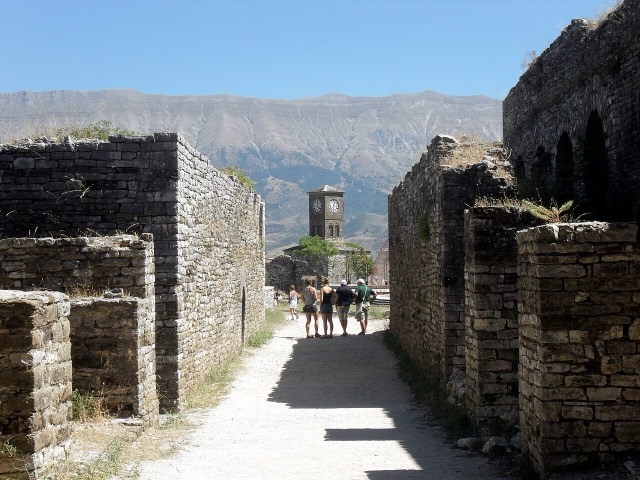
Gjirokastër
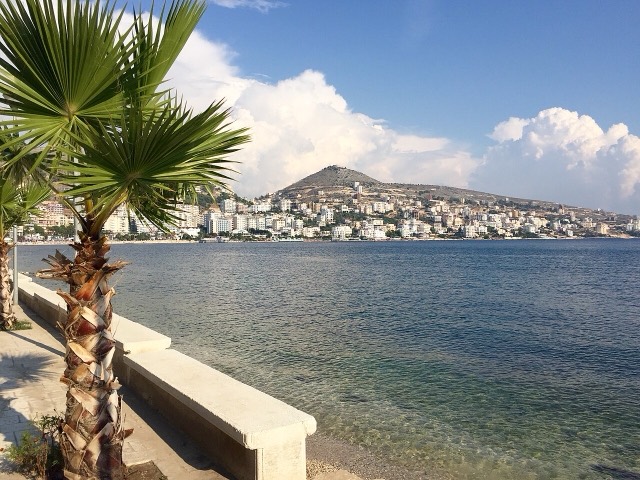
The 'stone city': slate-roofed tower houses on a steep slope beneath one of the Balkans' largest castles.
Каждый округ, каждый берег, каждый век
Режим с пояснениями
Впервые об Албании? Каждая страница начинается с доступного объяснения, понятного даже десятилетнему ребёнку, и лишь затем переходит к подробностям.
Режим эксперта
Основы вам уже известны. Сразу к существу вопроса, без простых пояснений. Это режим по умолчанию.
Источник · Vlorë County
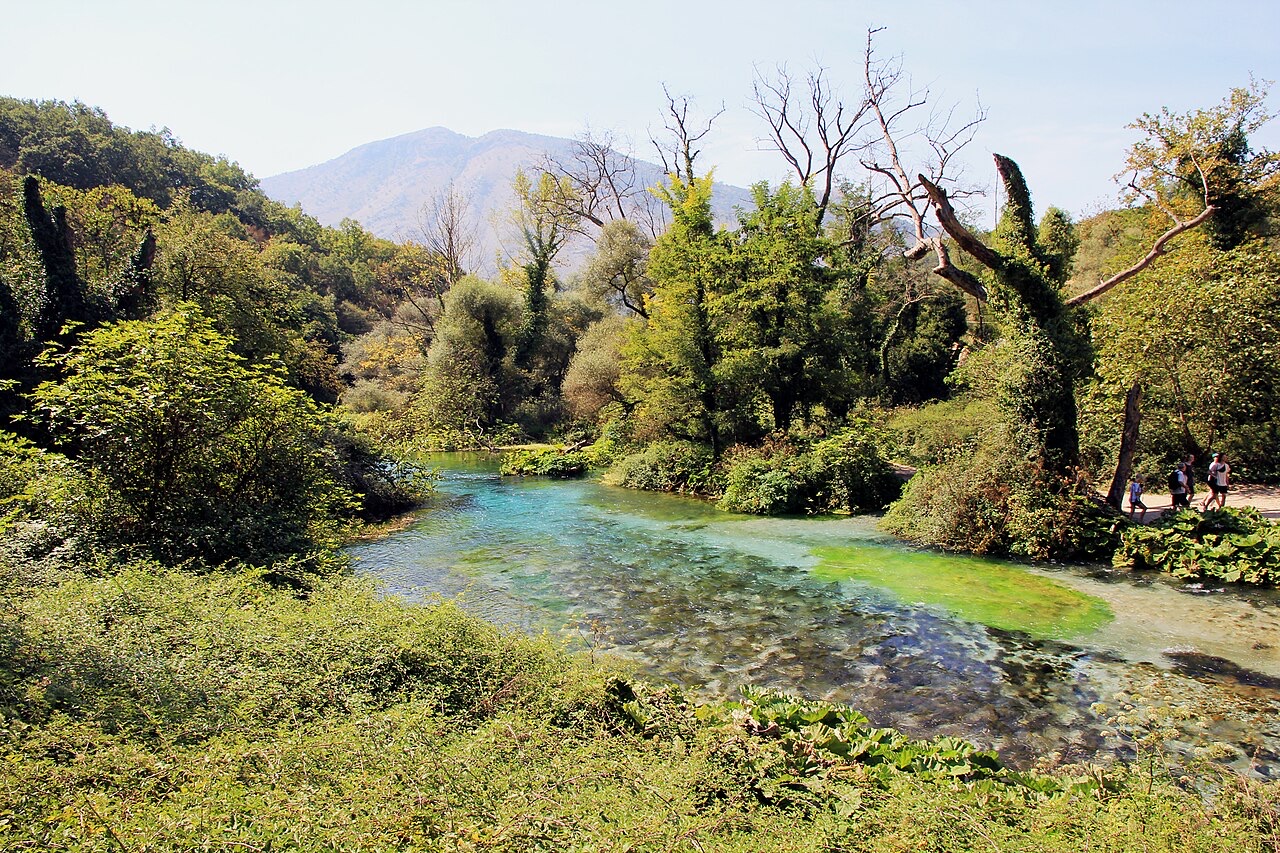
A karst spring of extraordinary clarity whose bottom has never been definitively reached.
Сохранить
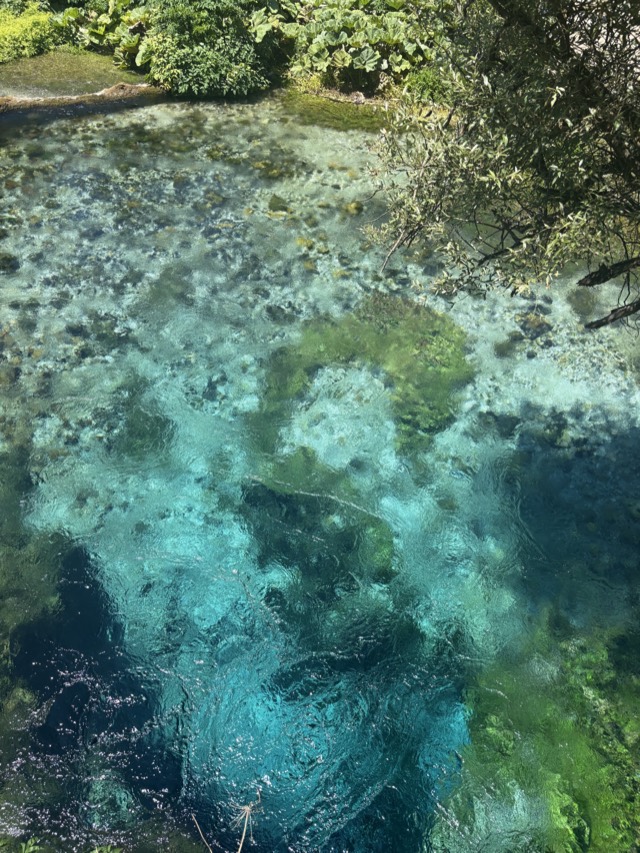
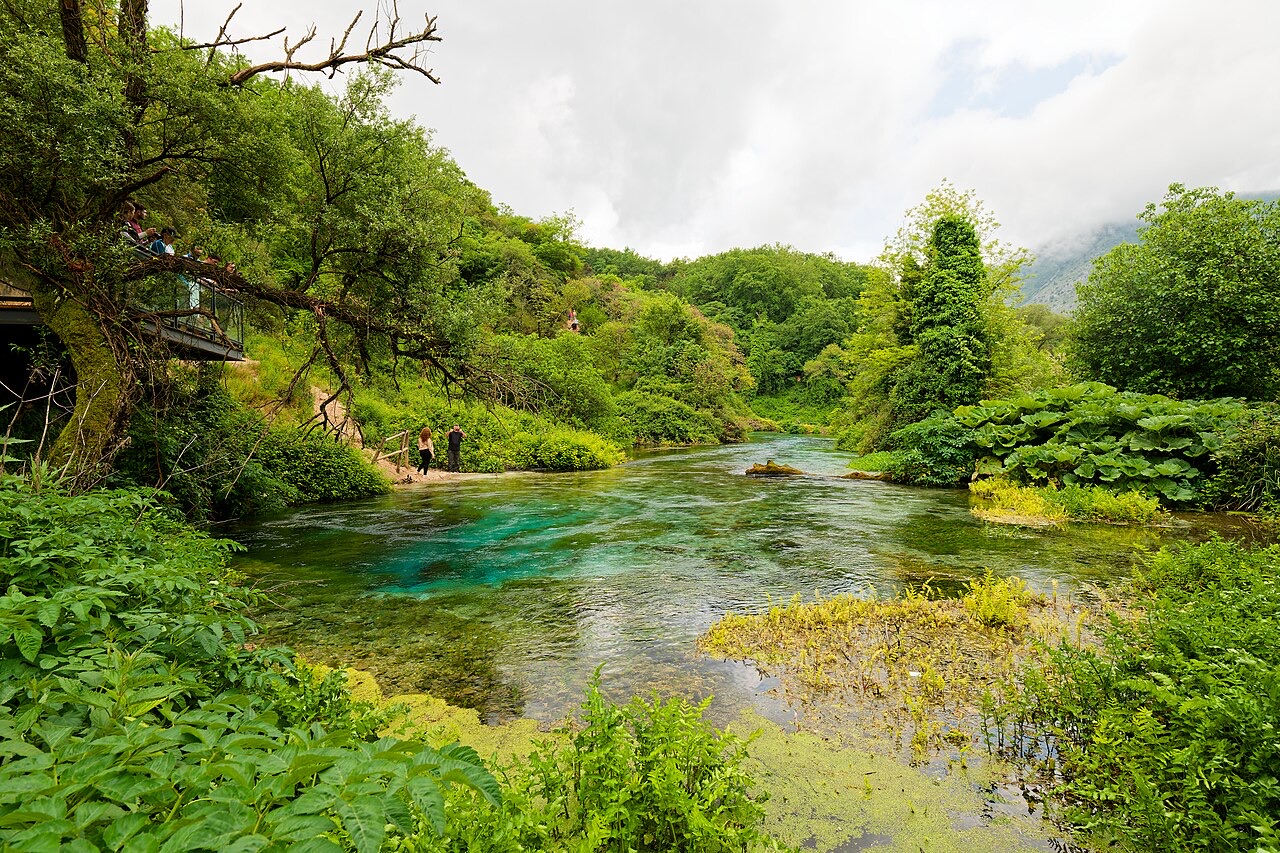
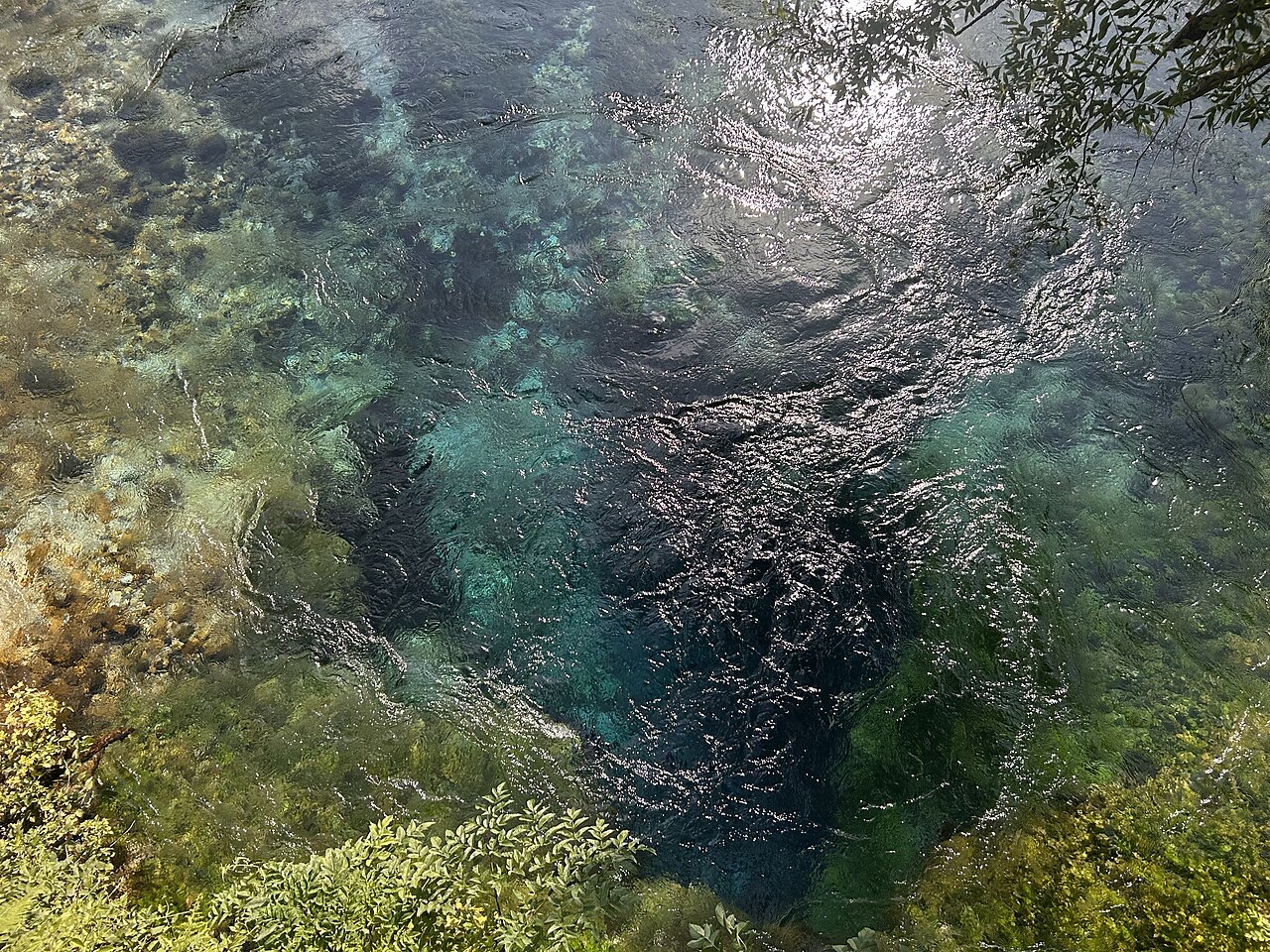
The Blue Eye is a spring where water comes up out of the ground so clear you can see deep into it. The middle is dark blue and the edges are pale — that is why it is called an eye. Divers have gone down more than 50 metres without finding the bottom.
The Blue Eye is a spring where water comes up out of the ground so clear you can see deep into it. The middle is dark blue and the edges are pale — that is why it is called an eye. Divers have gone down more than 50 metres without finding the bottom.
The Blue Eye (Albanian: Syri i Kaltër) is a water spring located slightly west of the village of Muzinë, in Finiq municipality, southern Albania. It is reached by car via the Sarandë–Gjirokastër road, joining from the village of Krongj. The spring sits at an altitude of 152 metres above sea level.
The spring is the initial water source of the Bistricë river, which runs for 25 kilometres before emptying into the Ionian Sea south of Sarandë. This connection has given the site an alternative name: the 'springs of Bistricë'.
The Blue Eye is a karst spring, meaning it issues from a hole dissolved through limestone bedrock over geological time. The clear blue water is visible from a depth of more than fifty metres. Divers have reached fifty metres, but the actual depth of the karst hole remains unknown.
The discharge rate of the spring is recorded at 18,400 litres per second, making it a substantial and consistent water source. The intense blue colouration of the water, visible from depth, is the defining visual characteristic that gives the spring its name in both Albanian and English.
The immediate area around the spring, covering 1.8 square kilometres (0.69 square miles), is designated a Nature Monument under Albanian protected-area legislation. The formally designated natural monument covers 180 hectares in total.
The vegetation of the protected zone is characterised by oak and sycamore trees. No further detail on the ecological composition of the area is provided in the available record.
In the summer of 2004, the Blue Eye spring temporarily dried up entirely. The article does not record the duration of the dry period, the cause, or whether flow returned naturally or as a result of intervention.
This event is notable given the spring's role as the sole recorded source of the Bistricë river. A cessation of flow at the source would have direct consequences for the full 25-kilometre length of the river downstream.
In the summer of 2017, part of the Blue Eye site was burned by wildfire. The article does not specify which portion of the protected area was affected, the extent of the damage, or whether recovery measures were undertaken following the fire.
The site's oak and sycamore tree cover would have been the primary vegetation at risk. Given that the protected zone covers 180 hectares, the scale of any loss is not quantified in the available record.
The Blue Eye is described as a popular tourist attraction. Its accessibility by road from the Sarandë–Gjirokastër route, combined with its position in the context of southern Albania's Ionian coast, places it within reach of the region's broader visitor infrastructure.
No visitor statistics, entry arrangements, or facilities are detailed in the available article. The site's status as a designated Nature Monument places it within Albania's system of protected areas, the framework for which is governed separately under national legislation.
Самый тёплый месяц — August (средний дневной максимум 31°C), самый холодный — January (средний ночной минимум 3°C), самый дождливый — November (243 mm). Среднегодовое количество осадков составляет 1,491 mm.
| Месяц | Макс. | Мин. | Осадки | Дождливых дней | Солнце/день |
|---|---|---|---|---|---|
| January | 11°C | 3°C | 177 mm | 13 | 6.9 h |
| February | 12°C | 3°C | 153 mm | 11 | 7.7 h |
| March | 15°C | 5°C | 144 mm | 12 | 9.3 h |
| April | 18°C | 8°C | 109 mm | 12 | 10.7 h |
| May | 23°C | 13°C | 79 mm | 10 | 11.9 h |
| June | 27°C | 17°C | 41 mm | 6 | 13.6 h |
| July | 31°C | 20°C | 20 mm | 4 | 13.8 h |
| August | 31°C | 20°C | 27 mm | 5 | 12.8 h |
| September | 26°C | 17°C | 115 mm | 9 | 10.6 h |
| October | 21°C | 12°C | 159 mm | 9 | 9.0 h |
| November | 16°C | 8°C | 243 mm | 13 | 6.9 h |
| December | 12°C | 4°C | 223 mm | 14 | 6.3 h |
Источник: ERA5 reanalysis via Open-Meteo, 1994–2023 · «Макс.» и «Мин.» — средние суточные максимум и минимум температуры воздуха. «Дождливых дней» — число дней с количеством осадков не менее 1 мм.
Город · Gjirokastër
The 'stone city': slate-roofed tower houses on a steep slope beneath one of the Balkans' largest castles.
Город · Vlorë
The Ionian resort town facing Corfu, and the arrival point for most visitors to southern Albania.
Городок · Vlorë
Four small islands and very clear shallow water; the most photographed and most crowded stretch of the Albanian coast.
Городок · Vlorë
A hill town above the Sarandë plain with a mixed Albanian and Greek population.
Городок · Vlorë
A municipality of villages near Sarandë, containing the Blue Eye and the ancient site of Phoenice.
Пояснение
Twenty-eight thousand square kilometres, seventy per cent of it hills and mountains, and a coast that changes character halfway…
Нашли ошибку на этой странице? Исправления приветствуются и проверяются по исходной записи. Сообщите нам, что именно неверно, и по возможности укажите, откуда взята правильная цифра.