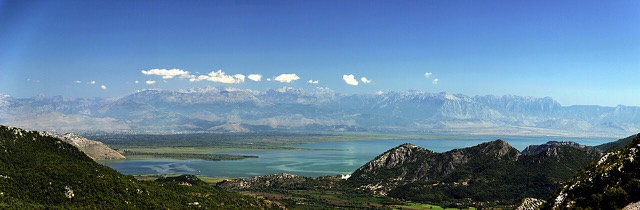
Cidade · Shkodër
Shkodër
The cultural capital of the north: a lake, a fortress, a bicycle city and a Catholic heartland.
Cada condado, cada costa, cada século
Vista guiada
Novo na Albânia? Cada página começa com uma explicação em linguagem simples, acessível a uma criança de dez anos, antes de entrar em pormenor.
Vista para especialistas
Já conhece o essencial. Direto ao conteúdo, com as explicações simples ocultadas. Esta é a vista predefinida.
Sítio histórico · Shkodër County
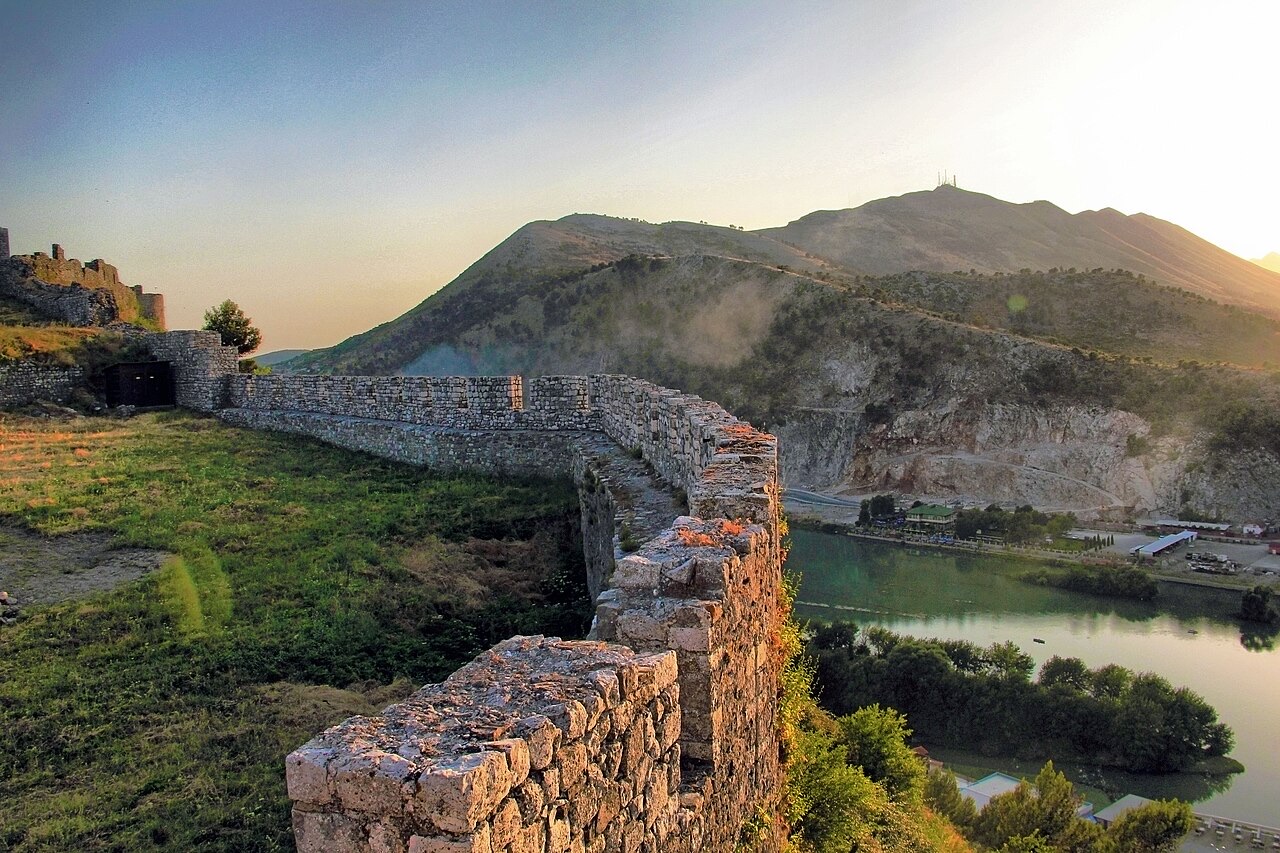
The rock fortress above the meeting of three rivers, and the setting of Albania's best-known legend.
Guardar
Rozafa Castle stands on a rocky hill above Shkodër where three rivers meet. An old story says a woman named Rozafa was walled into it so the fortress would stand. The Romans, Venetians and Ottomans all held it.
Rozafa Castle stands on a rocky hill above Shkodër where three rivers meet. An old story says a woman named Rozafa was walled into it so the fortress would stand. The Romans, Venetians and Ottomans all held it.
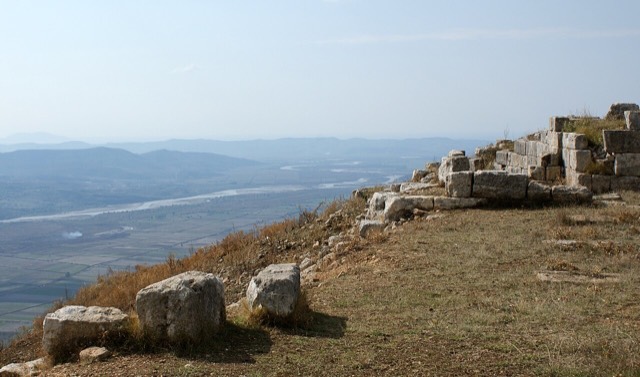
Rozafa Castle stands on a rocky hill 130 metres (430 ft) above sea level at the edge of the city of Shkodër in northwestern Albania. The hill is bounded by two rivers, the Buna and the Drin, a configuration that made the site naturally defensible and gave it strategic control over the surrounding lowlands.
Shkodër is the seat of Shkodër County and is regarded as one of Albania's oldest continuously inhabited urban centres, with a documented role as a political and economic focal point across multiple historical periods. The castle and its immediate surroundings have been designated an Archaeological Park of Albania.
The castle carries two Albanian names in common use: Kalaja e Rozafës (Rozafa Castle) and Kalaja e Shkodrës (Shkodër Castle). The second name derives straightforwardly from the city of Shkodër, whose definite Albanian form is Shkodra.
The origin of the name Rozafa is less certain. Several legends exist to explain it, but scholars have linked the name to Resafa, the place associated with the death of Saint Sergius. This interpretation is supported by a long and well-documented tradition of venerating Saint Sergius—known in Albanian as Shirgji—in Shkodra and its surrounding region.
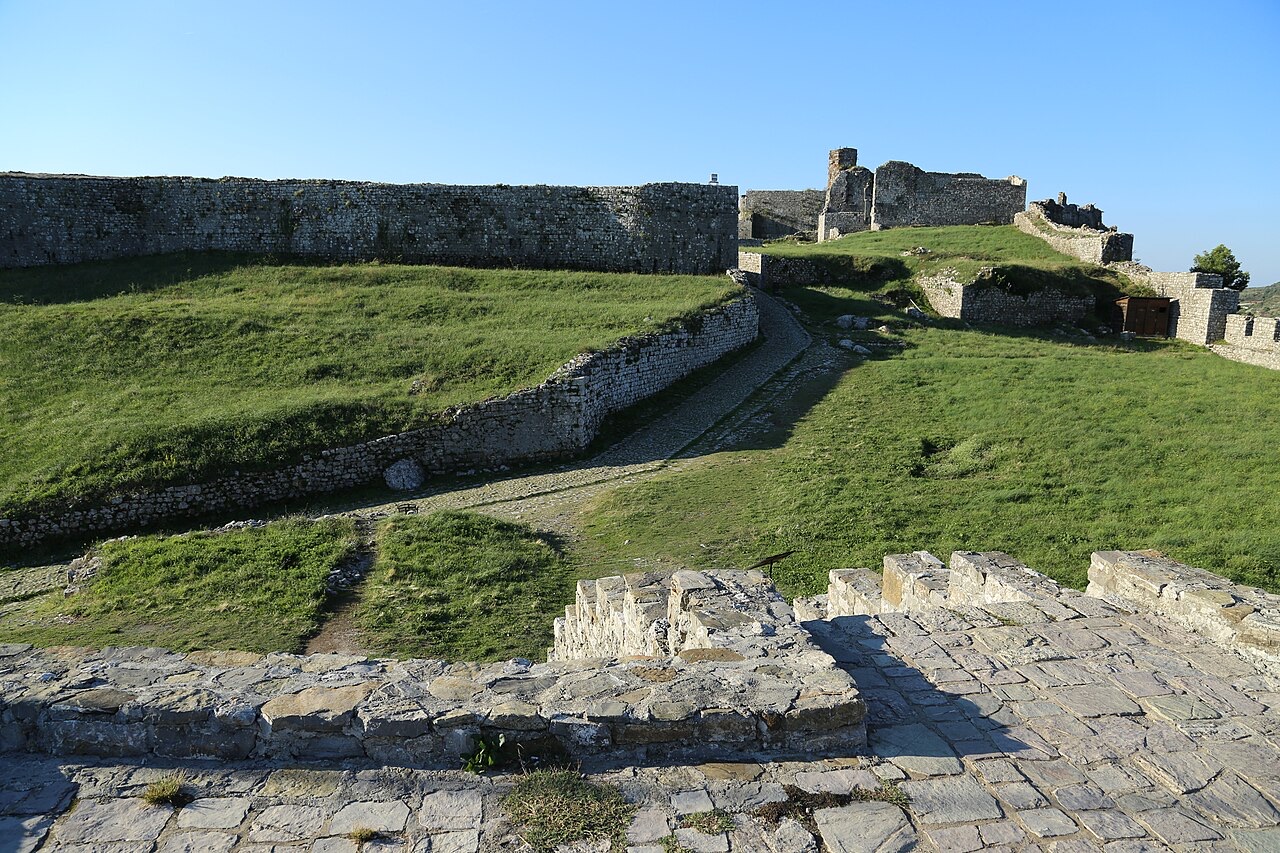
Archaeological evidence indicates that the hill was settled from the Early Bronze Age onwards. The earliest identifiable fortification walls have been dated to the 4th–3rd century BCE, when they formed the citadel of the Illyrian city of Skodra, the capital of the Labeatae tribe.
Taken together with evidence from sites in the lower city, the fortifications reflect growth in Illyrian Skodra, particularly during the reign of King Gentius. The Ardiaei also held the site at various points. Although the Illyrian phase established the castle's strategic foundation, the walls visible today are described as mostly of Venetian construction.
During the Third Illyrian War, the Illyrian king Gentius concentrated his forces at Scodra. When the Roman army under Lucius Anicius Gallus attacked, Gentius withdrew into the city. He held out in expectation that his brother Caravantius would arrive with a relieving army, but no relief came.
Gentius dispatched two prominent tribal leaders, Teuticus and Bellus, to negotiate with the Roman commander. On the third day of the resulting truce, he surrendered, was taken into custody, and sent to Rome. The Roman forces then moved north of Scutari Lake to Meteon, where they captured Gentius's wife Queen Etuta, his brother Caravantius, and his sons Scerdilaidas and Pleuratus, along with other leading Illyrians. The historian Livy recorded the fall of the Illyrian kingdom in 168 BCE in the context of Anicius's triumph in Rome.
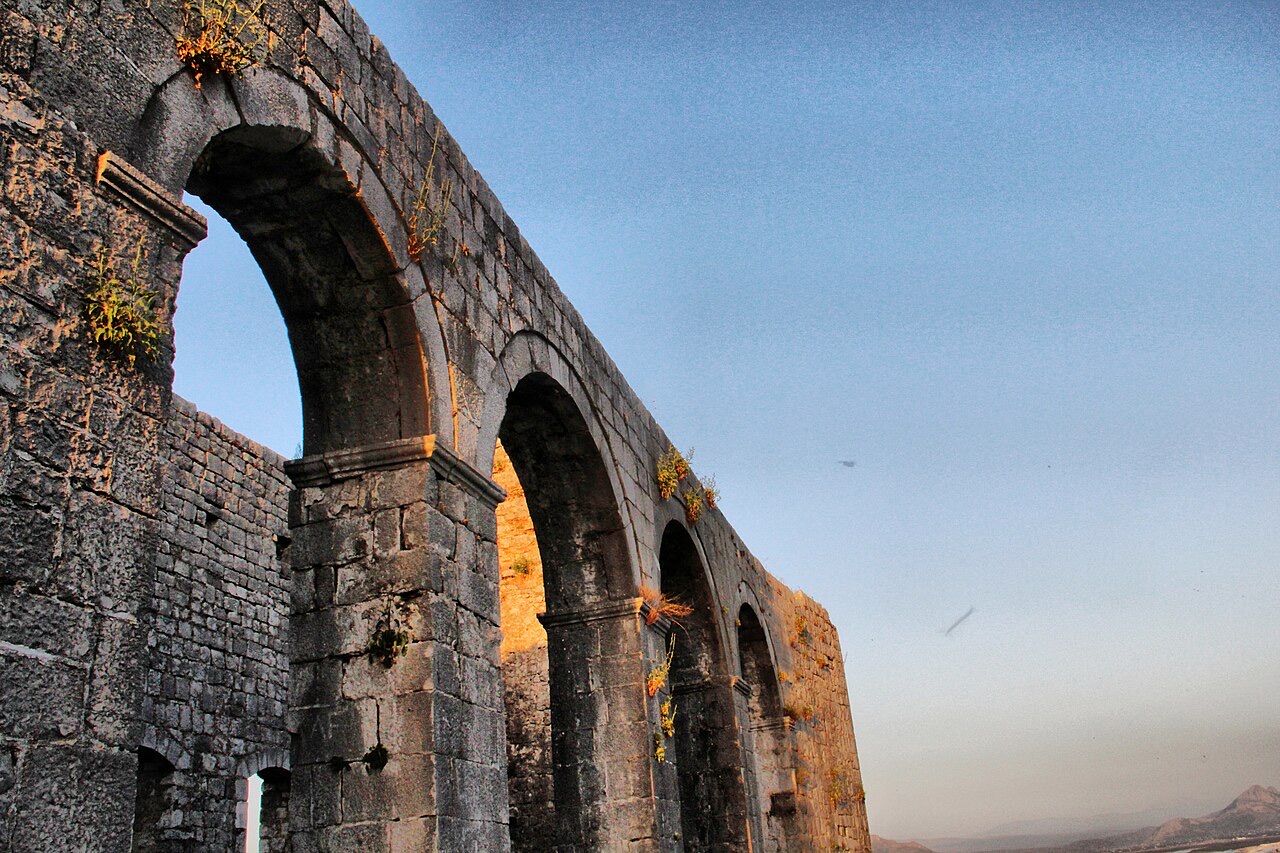
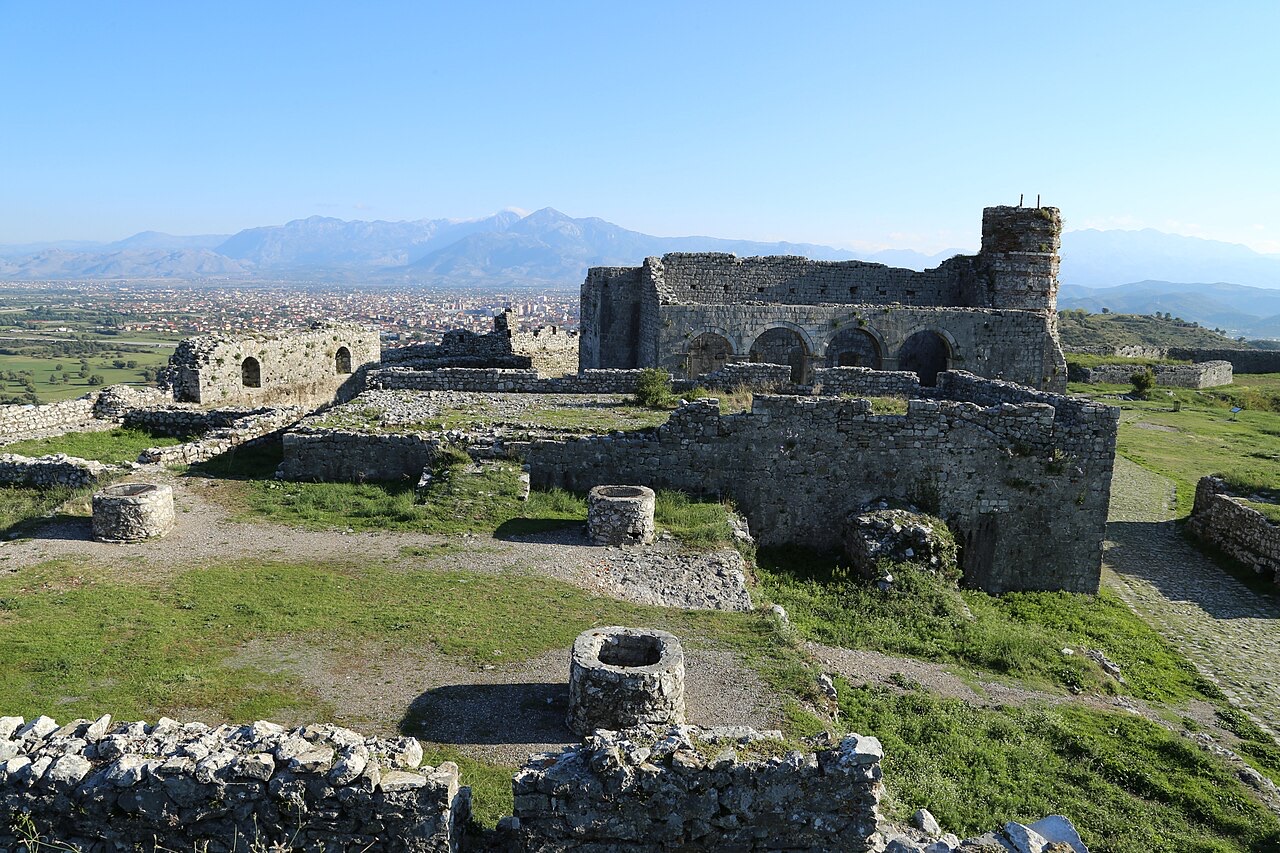
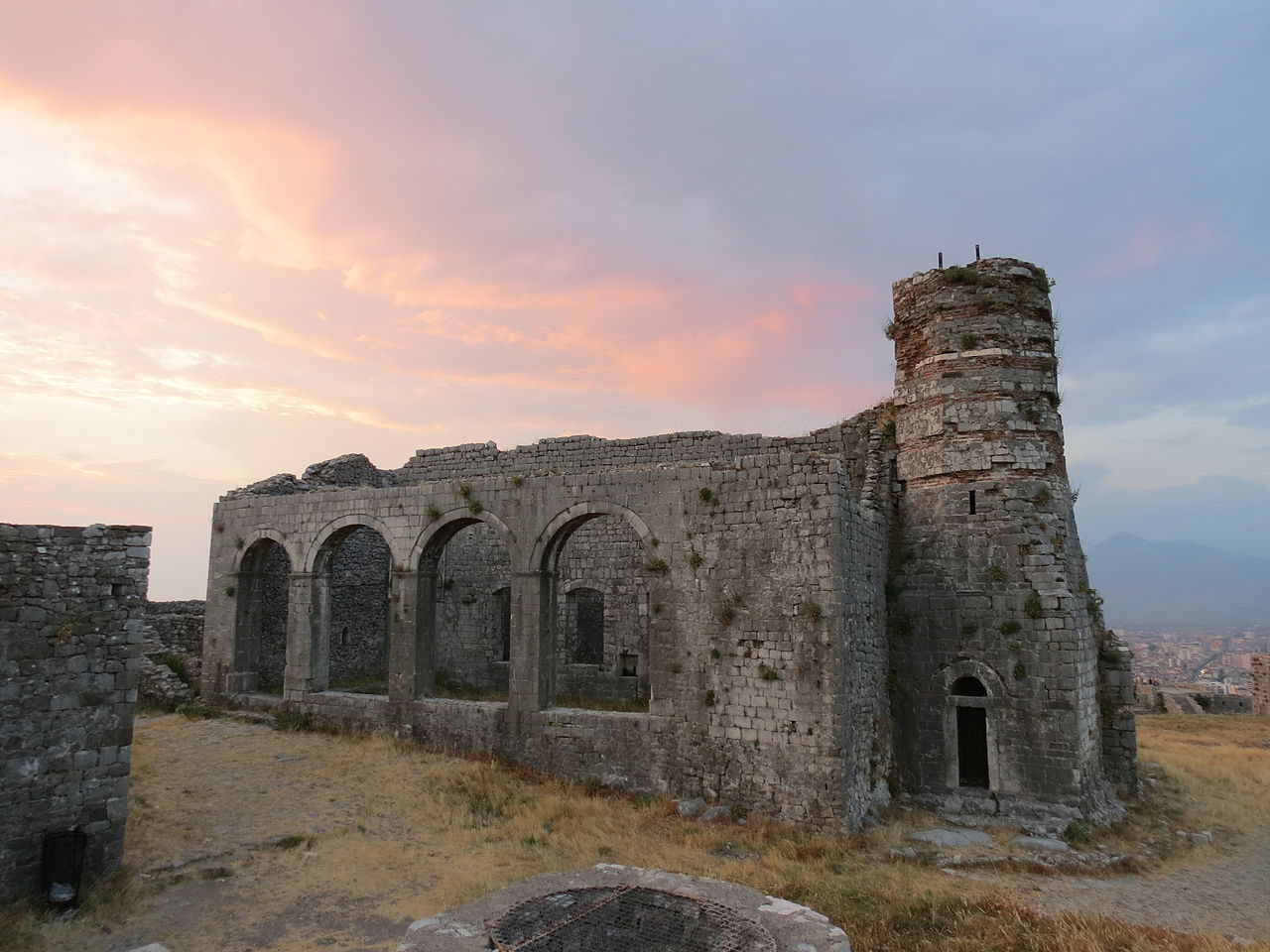
Within the castle walls stand the ruins of a 13th-century Venetian Catholic church. Scholars have identified this building as St. Stephen's Cathedral. After the Ottoman Empire captured Shkodër following the siege of 1478–79, the structure was converted into the Fatih Sultan Mehmet Mosque.
The transformation of the cathedral into a mosque is one of the more concrete markers of the Ottoman takeover of the site and illustrates the broader pattern of repurposing existing religious buildings that occurred across conquered territories in this period.
The siege of Shkodër of 1478–79 was among the most significant military events in the castle's history. It resulted in the Ottoman Empire capturing the city, ending a period during which Shkodër had been under Venetian control. The outcome directly led to the conversion of the St. Stephen's Cathedral into the Fatih Sultan Mehmet Mosque.
The castle was also the site of a further famous siege in 1912–13, the siege of Shkodër, placing the fortification at the centre of military conflict across two quite separate historical eras separated by more than four centuries.
A widespread legend connecting human sacrifice and the construction of Rozafa Castle is transmitted orally among Albanians. Its existence in written form is attested as early as 1505, in De obsidione Scodrensi by the Albanian humanist and historian Marin Barleti. The story concerns three brothers who attempt to build a castle; each day's work is undone by night. A wise old man advises them that the wife who brings food to the workers the following day must be buried alive in the castle wall for the foundations to hold.
The three brothers swore on besa not to warn their wives. The two eldest broke the oath and warned theirs; the youngest kept silent. It was therefore Rozafa, the youngest brother's wife, who arrived with the food and was sacrificed. Before her immurement she made a specific request: that openings be left for her right eye, right hand, right foot, and right breast, so that she could continue to comfort, calm, and nurse her infant son. Her final words were: 'Let my breast turn to stone and the castle flourish. May my son become a great hero, ruler of the world.'
Scholars have interpreted the cult of maternal breasts and the motif of immurement in the Rozafa legend as reflections of the worship of an earth mother goddess in Albanian folk beliefs. Local tradition holds that Rozafa's milk still flows within the castle walls. This belief is connected to the presence of native milkweeds, which produce a white sap when their stalks are broken, and to limestone stalactites found within the original Illyrian gateway.
Women from the local population have traditionally scraped off limestone deposits from within the castle, mixed them with water, and either drunk the resulting liquid or applied it to their breasts, with the intention of increasing their milk supply and imparting to their children the character and patriotism attributed to Rozafa. These practices link the legend directly to continuing material use of the castle's fabric.
A well-known variant of the immurement legend exists in Serbian oral tradition as the epic poem called The Building of Skadar (Serbian: Зидање Скадра, Zidanje Skadra). It was published by Vuk Karadžić in 1815, based on a folk song he recorded from a Herzegovinian storyteller identified as Old Rashko. In this version, the three brothers are members of the noble Mrnjavčević family—Vukašin, Uglješa, and Gojko.
Folklorist Alan Dundes notes that the name Gojko in the Serbian version is invented. Dundes also records that the ballad continued to be admired by generations of folksingers and ballad scholars, attesting to the legend's broad cultural reach beyond Albanian tradition.
Although the site's military history begins in the Illyrian period, the walls that a visitor sees today are described as mostly of Venetian construction. Venice held Shkodër and maintained the fortification during the medieval period, and it was under Venetian administration that the 13th-century Catholic church within the walls was built.
The castle and its surroundings have since been constituted as an Archaeological Park of Albania, a designation reflecting both the site's layered history—from Bronze Age settlement through Illyrian, Roman, medieval, and Ottoman phases—and the ongoing scholarly interest in its excavation and interpretation. Research projects including the Projekti Arkeologjik i Shkodrës (PASH) have contributed to the modern understanding of the wider Shkodër region's archaeological record.
Cidade · Shkodër
The cultural capital of the north: a lake, a fortress, a bicycle city and a Catholic heartland.
Lago · Shkodër
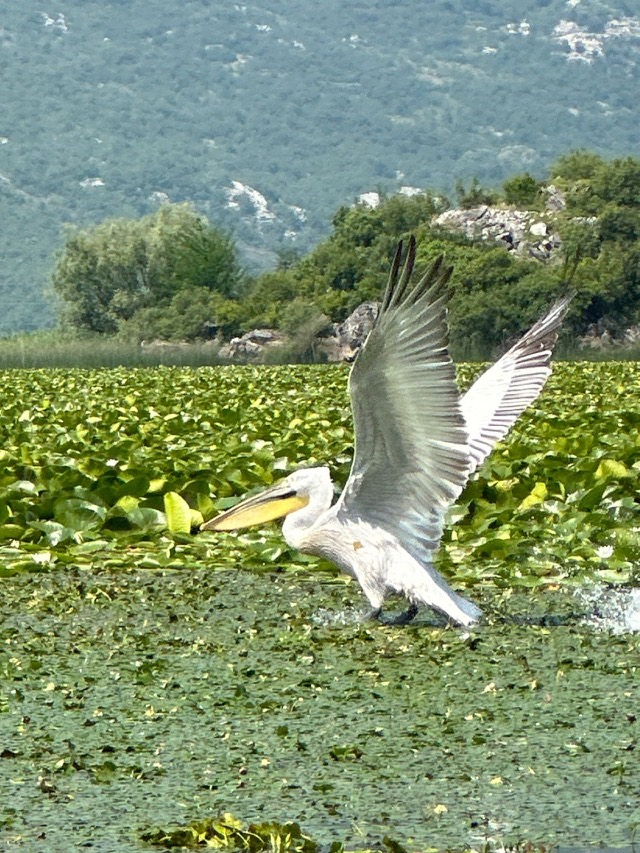
The largest lake in southern Europe, shared with Montenegro and a major bird wintering ground.
Sítio histórico · Shkodër
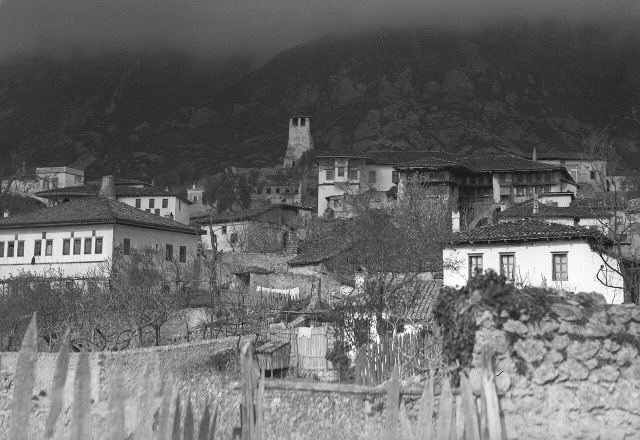
The archive of the Balkans' oldest photographic studio — about 500,000 negatives from 1858 onward.
Período histórico
The Indo-European tribes of the western Balkans, and the ancestors most Albanians claim.
Algo errado nesta página? As correções são bem-vindas e verificadas em confronto com o registo de origem. Indique o que está errado e, se possível, de onde provém o valor correto.