Thành phố · Tiranë
Tirana
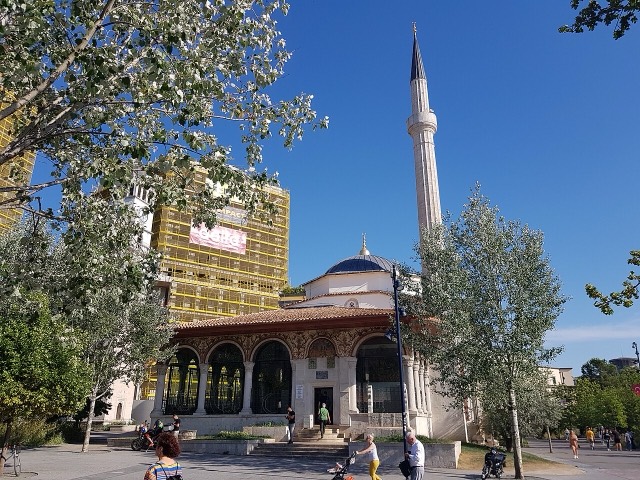
The capital: a fast-changing city of painted blocks, Ottoman survivals and new towers, under Mount Dajti.
Mọi hạt, mọi bờ biển, mọi thế kỷ
Chế độ hướng dẫn
Mới tìm hiểu về Albania? Mỗi trang mở đầu bằng một giải thích ngôn ngữ đơn giản mà bạn có thể đọc cho một đứa trẻ mười tuổi, trước khi đi vào chi tiết.
Chế độ chuyên gia
Bạn đã nắm được những điều cơ bản. Đi thẳng vào nội dung, với các giải thích đơn giản được ẩn đi. Đây là chế độ mặc định.
Di tích lịch sử · Tiranë County
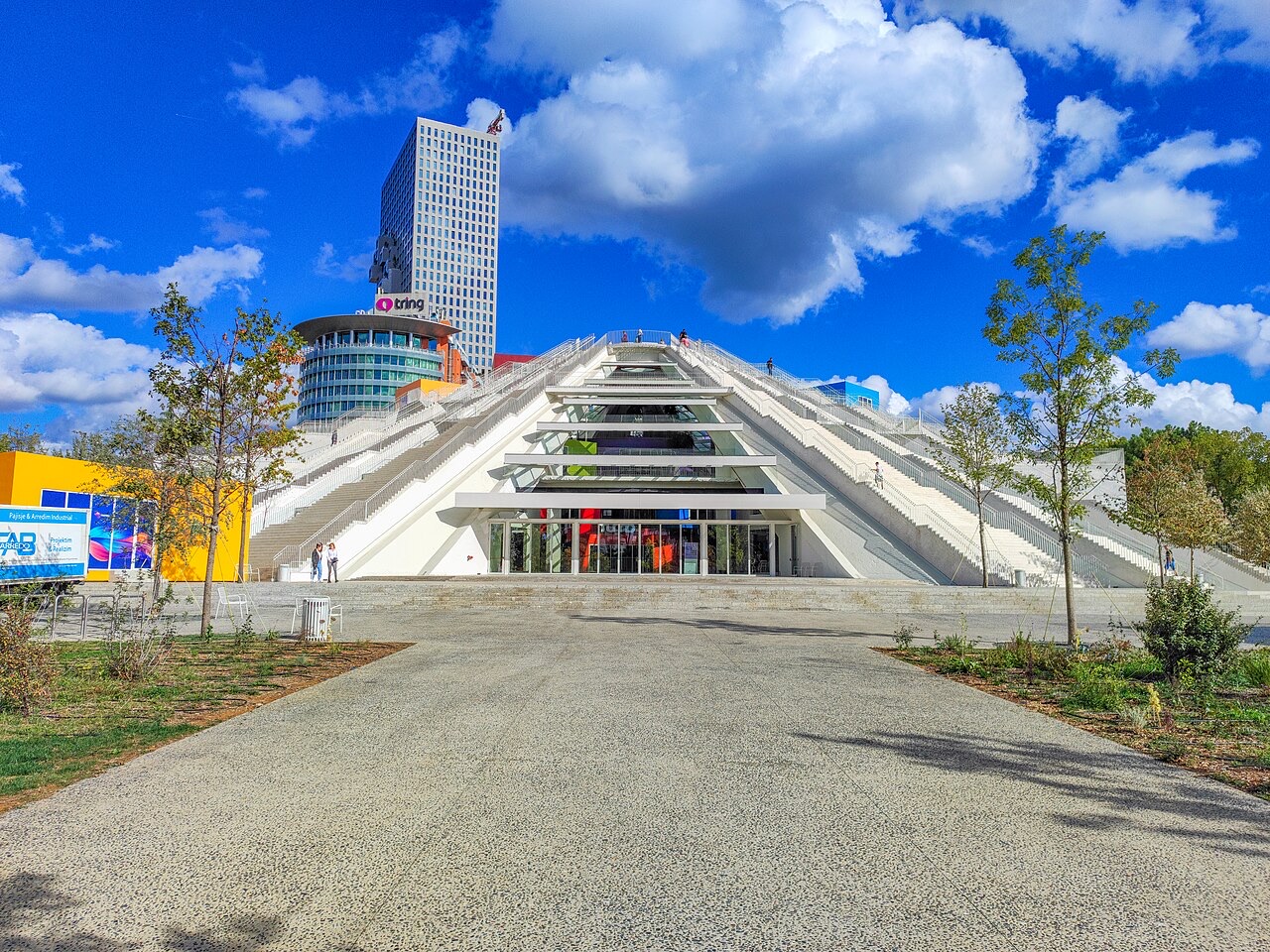
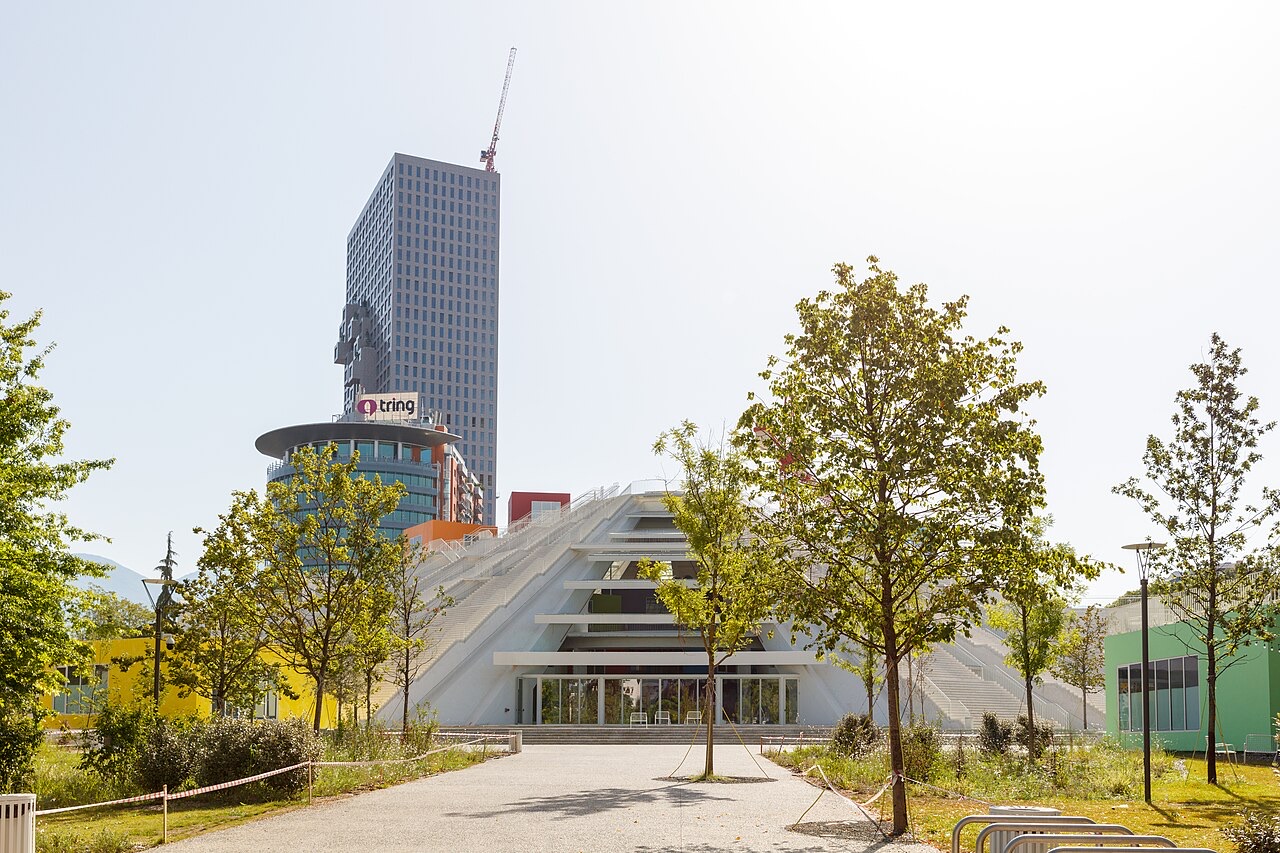
Built as Enver Hoxha's mausoleum-museum, later a nightclub and NATO base, reopened in 2023 as a youth technology centre.
Lưu
The Pyramid was built in 1988 as a museum about the dictator Enver Hoxha. Afterwards it was used as a nightclub, a TV station and a NATO base, and fell into ruin. In 2023 it reopened with staircases up the outside and classrooms inside.
The Pyramid was built in 1988 as a museum about the dictator Enver Hoxha. Afterwards it was used as a nightclub, a TV station and a NATO base, and fell into ruin. In 2023 it reopened with staircases up the outside and classrooms inside.
The Pyramid of Tirana opened on 14 October 1988 as the Enver Hoxha Museum, dedicated to the legacy of Enver Hoxha, the long-serving leader of Communist Albania who had died three years earlier in 1985. It was conceived and built as an institutional monument to his rule, situated in Tirana, the national capital.
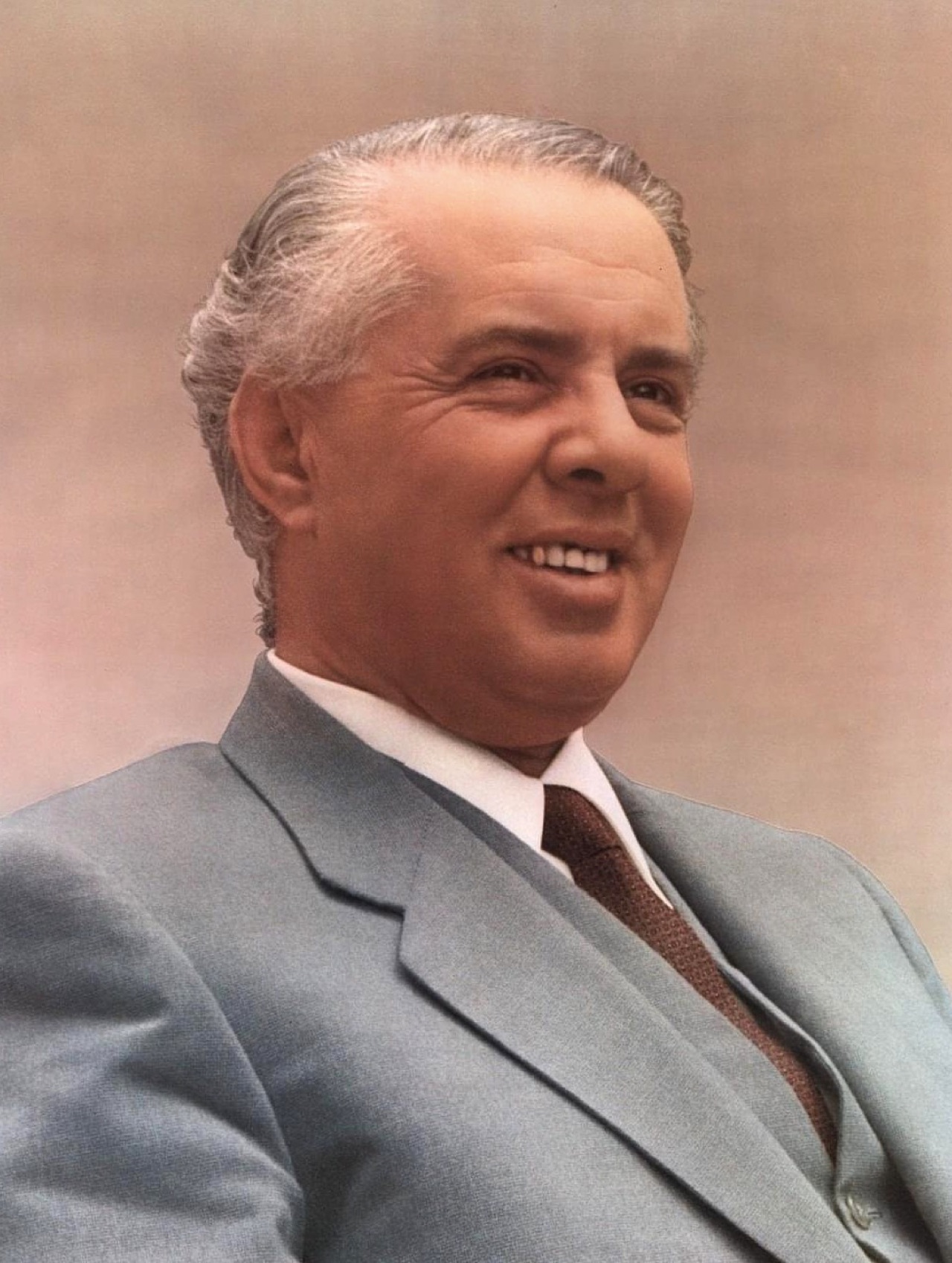
The structure was co-designed by Hoxha's daughter Pranvera Hoxha, herself an architect, together with her husband Klement Kolaneci and two further architects, Pirro Vaso and Vladimir Bregu. At the time of its construction, the Pyramid was reported to be the most expensive individual structure ever built in Albania.
Despite an informal nickname — the 'Enver Hoxha Mausoleum' — applied to it sardonically by some, the building was never officially named or intended to function as a mausoleum. That designation was not part of its original brief and was never adopted as an official title.
The Pyramid occupies a complex with a total area of 17,000 square metres (1.7 hectares). Its defining architectural feature is a sloping, pyramidal exterior clad in marble tiles, giving it the form that both earned its popular name and made it the most distinctive large structure of the late communist period in Albania.
The original design was produced by a team with a direct familial connection to the subject it memorialised: Pranvera Hoxha, the dictator's daughter, served as lead architect alongside Kolaneci, Vaso, and Bregu. The marble cladding on the exterior was later removed and taken to a depot outside Tirana during a period when demolition was under active consideration.
Following the collapse of Communist rule in Albania in 1991, the building ceased to function as a museum. It was repurposed as a conference centre and exhibition venue and renamed the Pyramid of Tirana, the name by which it has since been known. The shift away from its original commemorative purpose was rapid, reflecting the broader political transformation of the country.
From 2001 onward, part of the building was allocated to Albanian media organisations Top Channel and Top Albania Radio, which used the space as a broadcasting centre. The remainder of the structure and the surrounding paved area fell into a state of dilapidation and were subject to vandalism; the grounds were used informally as a parking lot and as a bus station for minivan services to Elbasan.
During the Kosovo War of 1999, the Pyramid was requisitioned and used as a base by NATO forces and by humanitarian organisations operating in the region. Albania's proximity to Kosovo made Tirana a logistical centre during the conflict, and the large, already-repurposed building provided usable space for these operations.
This episode marked the most significant external use of the structure in the post-communist period before its eventual renovation, and stood in sharp contrast to the building's original function as a monument to Albanian communist leadership.
The Pyramid served as a filming location on at least two documented occasions. Part of Armando Lulaj's film It Wears as It Grows (2011) was shot inside the building. In 2019, it was also used as a location for part of a remake of the 1995 cult horror film Castle Freak.
These uses reflected the building's standing in the years before its renovation: a deteriorating but physically striking structure with sufficient recognisability to attract filmmakers, while remaining without a defined civic or institutional role.
Multiple proposals were advanced to demolish the Pyramid and redevelop its 17,000-square-metre site. The most prominent of these was a plan to construct a new Albanian parliament building on the land. A separate proposal to convert the site into a new opera theatre was approved but subsequently cancelled after construction work had already begun.
The prospect of demolition attracted opposition from parts of the architectural community and from the Albanian public. Historian Ardian Klosi initiated a petition against demolition that gathered approximately 6,000 signatures. A study conducted in 2013 and published in 2015 indicated that a majority of Tirana's citizens were opposed to demolishing the structure.
A number of prominent foreign architects engaged publicly with the question, though opinion among them was divided: some supported demolition and redevelopment, while others opposed it. In 2017, it was announced that the Pyramid would not be demolished but would instead be refurbished.
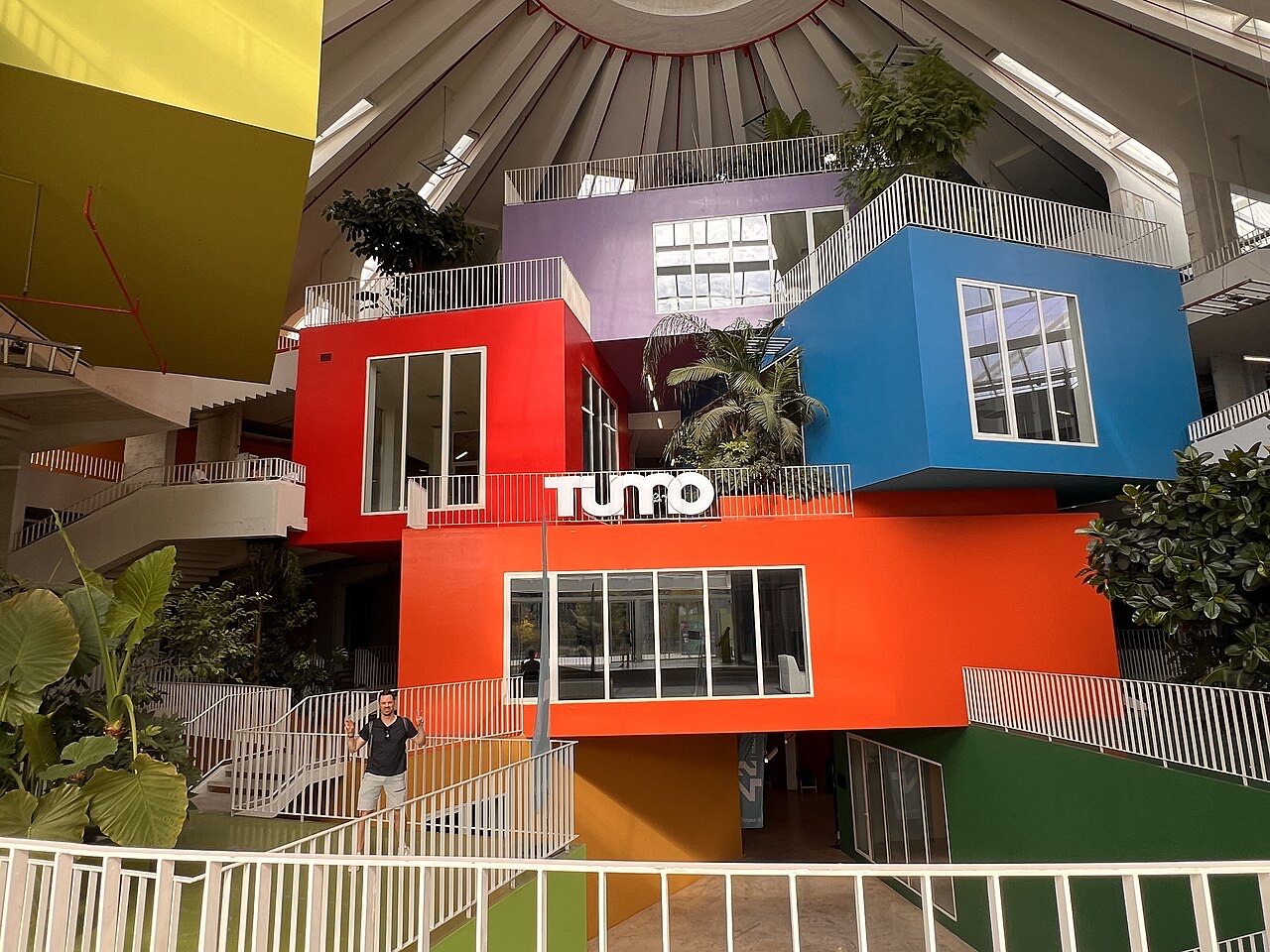
In 2018, a redevelopment project was publicly announced, proposing to transform the Pyramid into a youth-oriented information technology centre to operate under the name TUMO Tirana. The centre's focus was specified as computer programming, robotics, and start-ups, reflecting the initiative's alignment with the TUMO Center for Creative Technologies model.
The project was designed by the architectural firm MVRDV. Key design interventions included the addition of staircases along the sloping exterior of the building, enabling the façade to function as an accessible public surface, along with new glass-covered areas intended to increase natural light inside the structure. The renovation was also planned to introduce terraced steps, skylights, and new colourful architectural elements, while retaining the original concrete structure.
Construction work on the renovation began in February 2021. Work continued through to October 2023. Public access to the stepped exterior façade was opened in May 2023, ahead of the full reopening of the building.
The renovated Pyramid reopened to the public in October 2023. Its official inauguration took place on 16 October 2023, timed to coincide with the Western Balkans Summit held in Tirana. The renovation was carried out by MVRDV.
The completed renovation converted the former communist-era monument into a facility dedicated to technology, art, and education, with a stated primary focus on young people. The project preserved the original concrete structure while introducing the new architectural elements described in the 2018 proposal.
Following its 2023 reopening, the Pyramid of Tirana operates as a contemporary cultural and educational centre, housing spaces oriented toward technology, art, and education under the TUMO Tirana framework. The stepped exterior is accessible to the public as an architectural and public space feature.
Top Channel and Top Albania Radio had used part of the building as a broadcasting centre from 2001; the article does not specify whether this arrangement continued after the 2023 renovation. The surrounding paved area, previously used as a parking lot and minivan terminus, was included within the 17,000-square-metre complex subject to redevelopment.
The Pyramid of Tirana occupies an unusual position in Albanian architectural history: built as the country's most expensive structure at the time of its completion, it was designed to memorialise a political figure whose legacy became contested almost immediately after his death. Within three years of opening, the building had lost its original purpose entirely.
Its subsequent decades of partial use, dilapidation, and protracted debate over demolition or repurposing reflected broader uncertainties about how post-communist Albania should relate to the physical remnants of the communist era. The ultimate decision to renovate rather than demolish, and to convert the structure into an educational technology centre, resolved a controversy that had persisted for well over a decade and drawn attention from architects and historians internationally.
The informal label 'Enver Hoxha Mausoleum' — applied to the building sardonically and never officially — points to the contested and ironic status the structure held during the post-communist period, when it retained a physical prominence its original commemorative purpose no longer supported.
Tháng nóng nhất là August (nhiệt độ cao trung bình ngày 31°C), tháng lạnh nhất là January (nhiệt độ thấp trung bình ngày 3°C), và tháng mưa nhiều nhất là November (146 mm). Tổng lượng mưa hàng năm trung bình 1,187 mm.
| Tháng | Cao | Thấp | Mưa | Ngày mưa | Nắng/ngày |
|---|---|---|---|---|---|
| January | 11°C | 3°C | 127 mm | 11 | 7.2 h |
| February | 12°C | 3°C | 110 mm | 11 | 8.1 h |
| March | 15°C | 5°C | 120 mm | 11 | 9.6 h |
| April | 18°C | 8°C | 108 mm | 13 | 10.7 h |
| May | 23°C | 13°C | 90 mm | 11 | 12.1 h |
| June | 27°C | 17°C | 52 mm | 7 | 13.6 h |
| July | 30°C | 20°C | 32 mm | 5 | 13.8 h |
| August | 31°C | 20°C | 35 mm | 6 | 12.9 h |
| September | 26°C | 16°C | 104 mm | 9 | 10.7 h |
| October | 21°C | 12°C | 118 mm | 9 | 9.2 h |
| November | 17°C | 8°C | 146 mm | 11 | 7.4 h |
| December | 12°C | 4°C | 146 mm | 12 | 6.7 h |
Nguồn: ERA5 reanalysis via Open-Meteo, 1994–2023 · "Cao" và "Thấp" là nhiệt độ không khí tối đa và tối thiểu trung bình ngày. "Ngày mưa" tính những ngày có lượng mưa ít nhất 1 mm.
Thành phố · Tiranë
The capital: a fast-changing city of painted blocks, Ottoman survivals and new towers, under Mount Dajti.
Di tích lịch sử · Tiranë
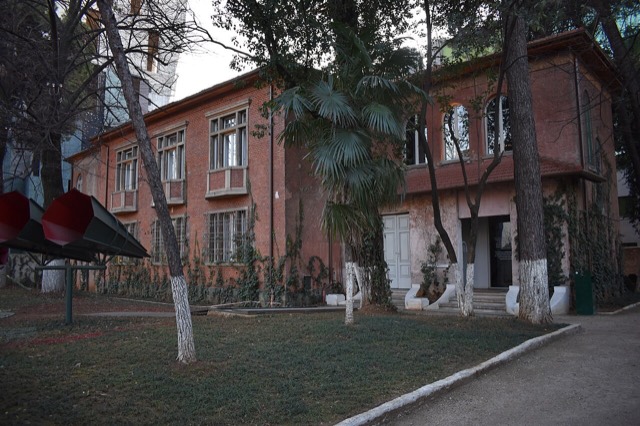
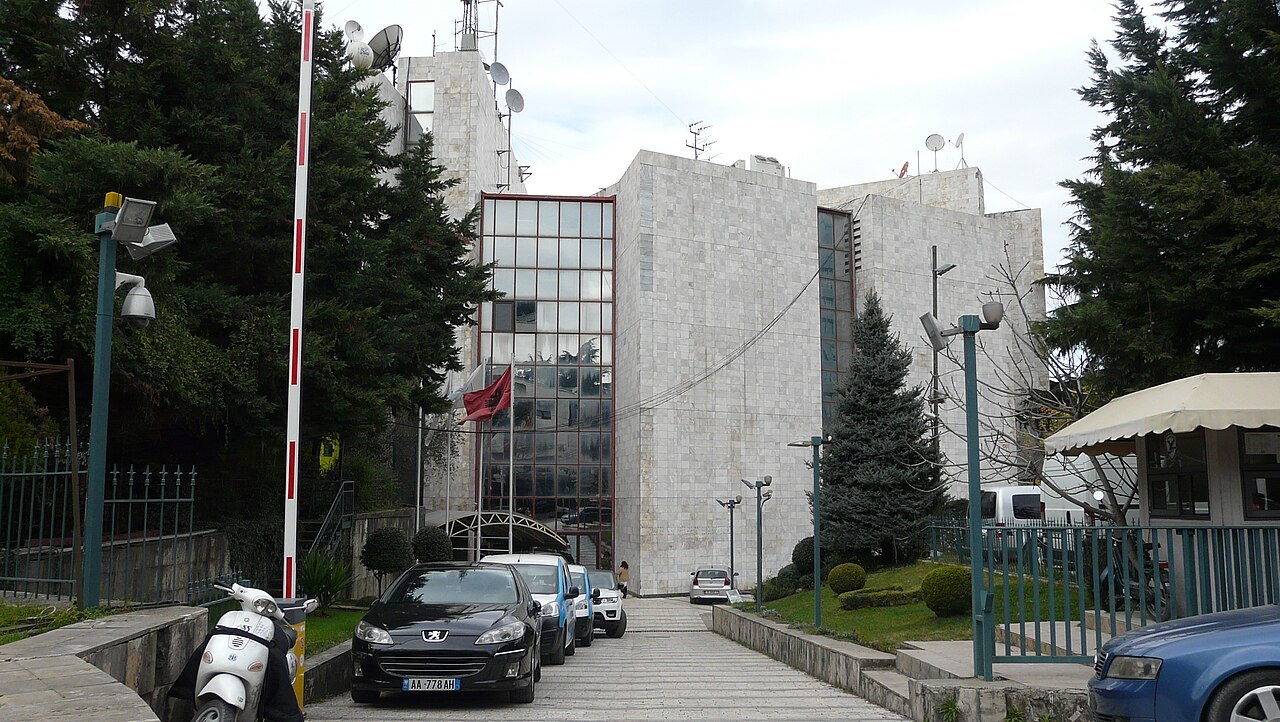
The former headquarters of the Sigurimi's technical surveillance branch, kept as it was found.
Giai đoạn lịch sử
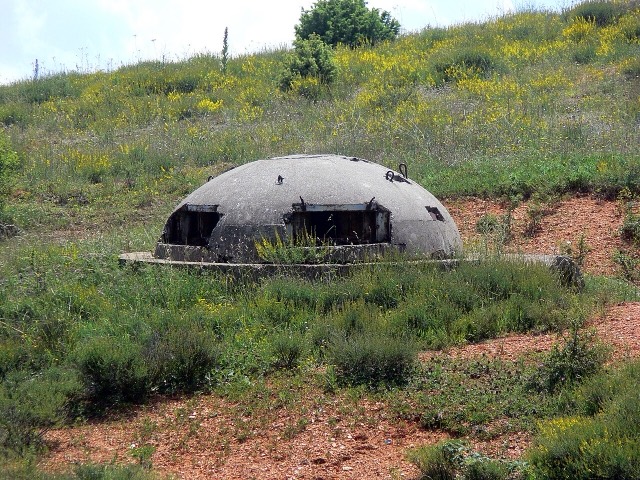
Forty-six years under Enver Hoxha and his successor: total collectivisation, the banning of religion, successive breaks with…
Nhân vật
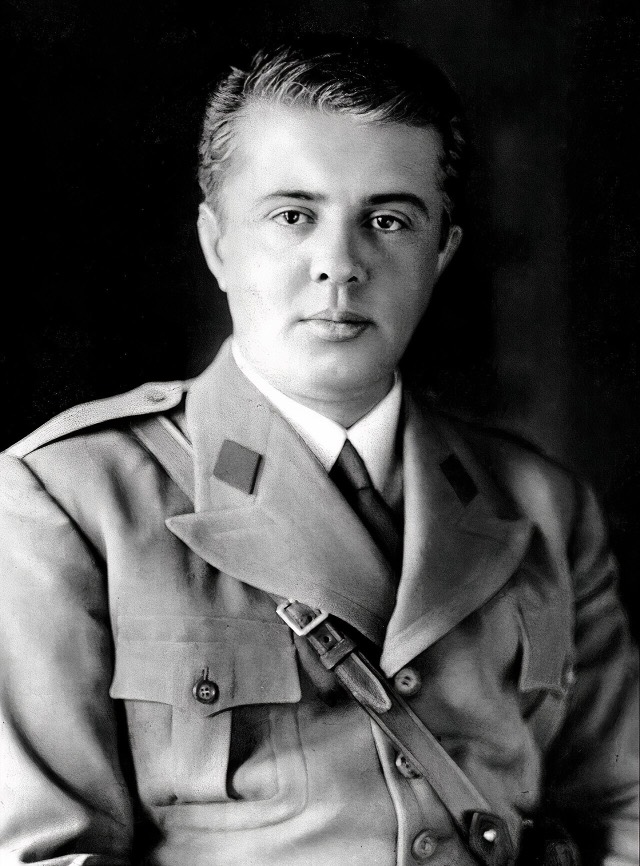
The leader who took Albania out of the Soviet bloc, then out of the Chinese one, and banned religion outright.
Có thông tin sai trên trang này? Chúng tôi hoan nghênh các đề nghị đính chính và sẽ đối chiếu với hồ sơ nguồn. Hãy cho chúng tôi biết điều gì sai và, nếu có thể, nguồn số liệu chính xác là ở đâu.