Sito storico · Tiranë
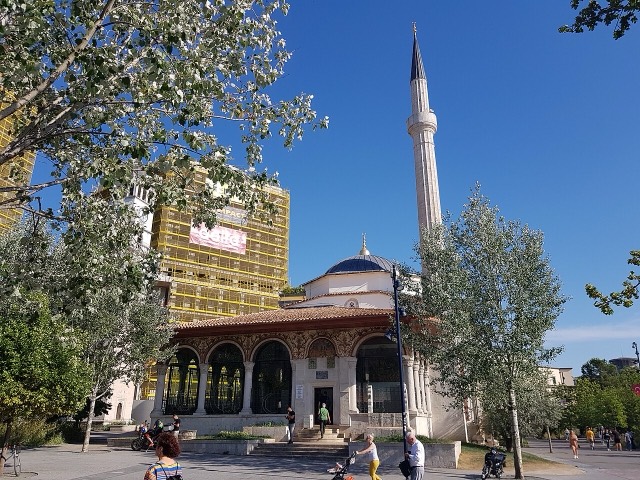
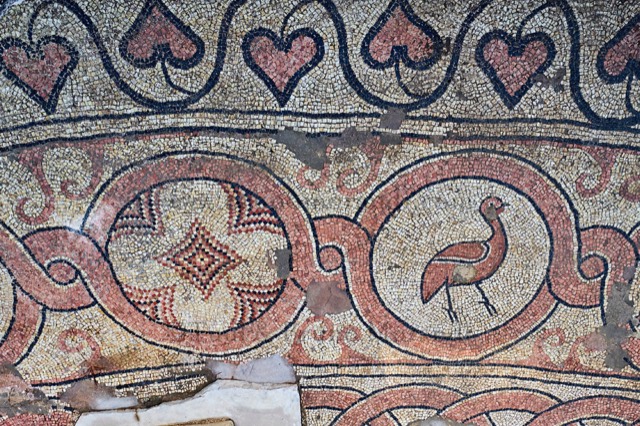
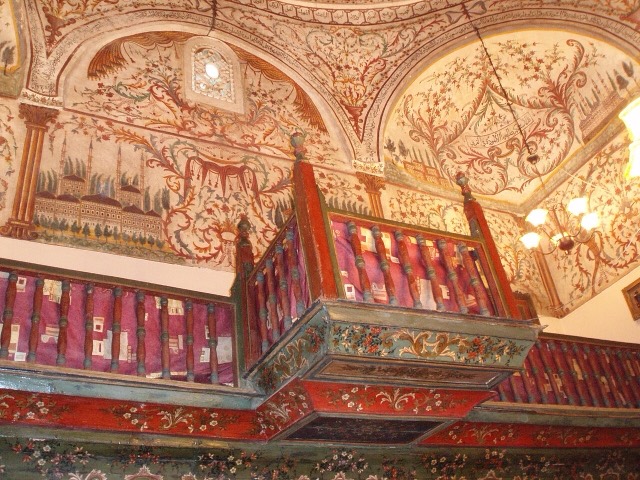
Et'hem Bey Mosque
The small mosque on Skanderbeg Square whose frescoes of trees and waterfalls are unusual in Islamic art.
Ogni contea, ogni costa, ogni secolo
Vista guidata
Non conosci l'Albania? Ogni pagina si apre con una spiegazione in linguaggio semplice, comprensibile anche a un bambino di dieci anni, prima di entrare nei dettagli.
Vista per esperti
Conosci già le basi. Direttamente alla sostanza, con le spiegazioni elementari nascoste. Questa è l'impostazione predefinita.
Sito storico · Tiranë County
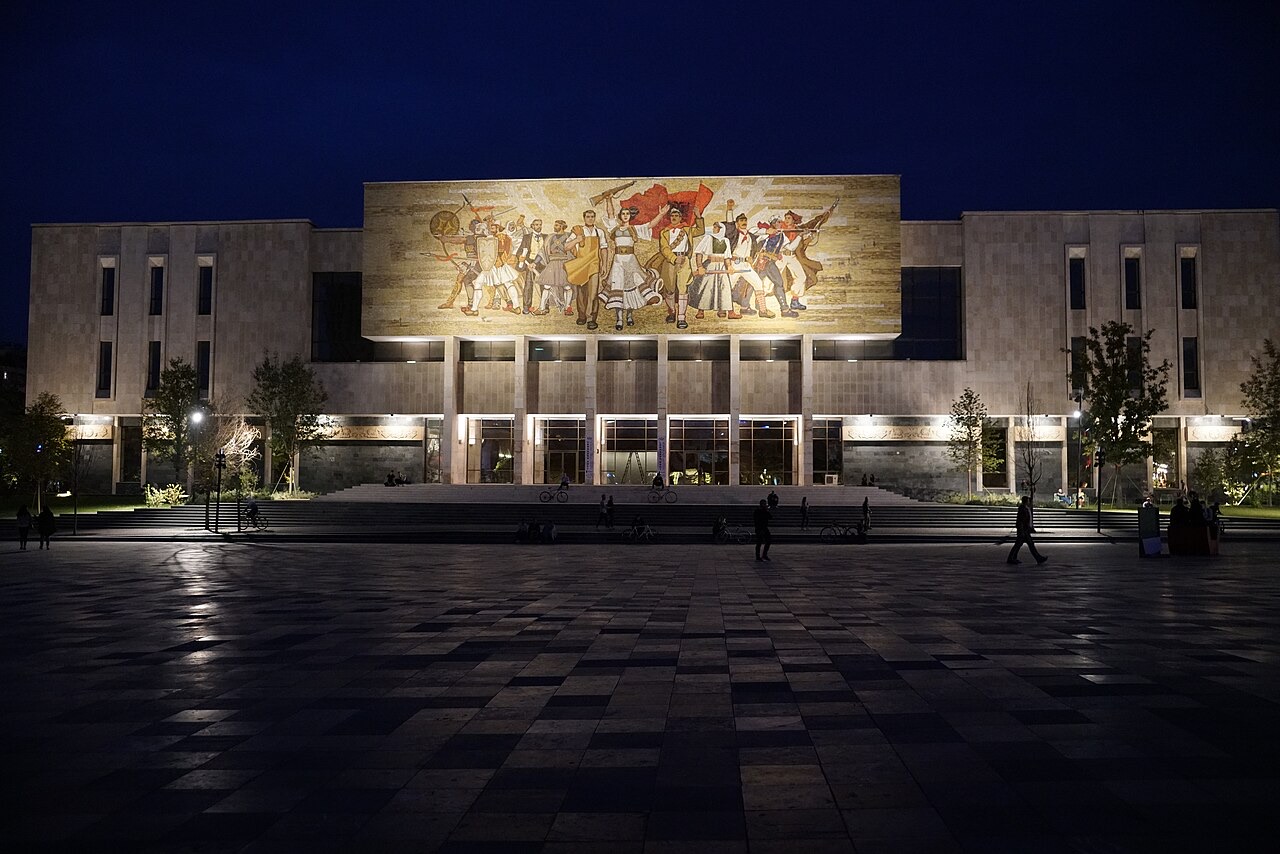
Albania's principal museum, under the Skanderbeg Square mosaic mural known as 'The Albanians'.
Salva
This is Albania's biggest museum, on the main square in Tirana. Above the entrance is an enormous picture made of tiny tiles showing Albanians through history.
This is Albania's biggest museum, on the main square in Tirana. Above the entrance is an enormous picture made of tiny tiles showing Albanians through history.
The National History Museum (Albanian: Muzeu Historik Kombëtar) opened on 28 October 1981 in Tirana, Albania. The building covers 27,000 square metres in total, of which 18,000 square metres are allocated to exhibition space. As of the time of writing, the museum is closed for renovation and is not expected to reopen until 2028.
The museum is organised into eight named pavilions: Antiquity, Middle Ages, Renaissance, Independence, Iconography, National Liberation Antifascist War, Communist Terror, and Mother Teresa. Each pavilion addresses a distinct period or theme in Albanian history, and together they span from prehistoric times through the post-communist transition.
The most immediately visible feature of the museum is a large mural mosaic above the main entrance, titled The Albanians. Completed in 1980, one year before the museum opened, it was produced by five Albanian artists: Vilson Kilica, Anastas Kostandini, Agim Nebiu, Justin Droboniku, and Aleksander Filipi. The work is classified as an example of Socialist realism.
The mosaic measures approximately 11 metres high and 40 metres long, covering a total area of 440 square metres. It depicts thirteen figures representing different phases of Albanian history, arranged from left to right: an Illyrian warrior; fighters against the Ottoman Empire from the era of Skanderbeg; the poet Naim Frashëri; an Albanian fighter of the National Awakening period in national costume; a communist worker; a central figure representing Mother Albania as a young woman in national costume carrying a rifle; and five communist partisans of both sexes from the Second World War on the right side of the composition.
In the early 1990s, following the collapse of the communist system in Albania, the mosaic was altered to remove its most overtly ideological elements. A large golden star that had appeared above the head of the central female figure was removed, as was a smaller golden star that had been positioned above the twin eagle heads on the Albanian flag depicted in the work.
The communist worker figure, shown to the left of the central woman, was also changed. Originally he carried a red book in his right hand; after the alterations, that book was replaced by an empty sack. These changes are the only documented modifications to the mosaic recorded in the source material.
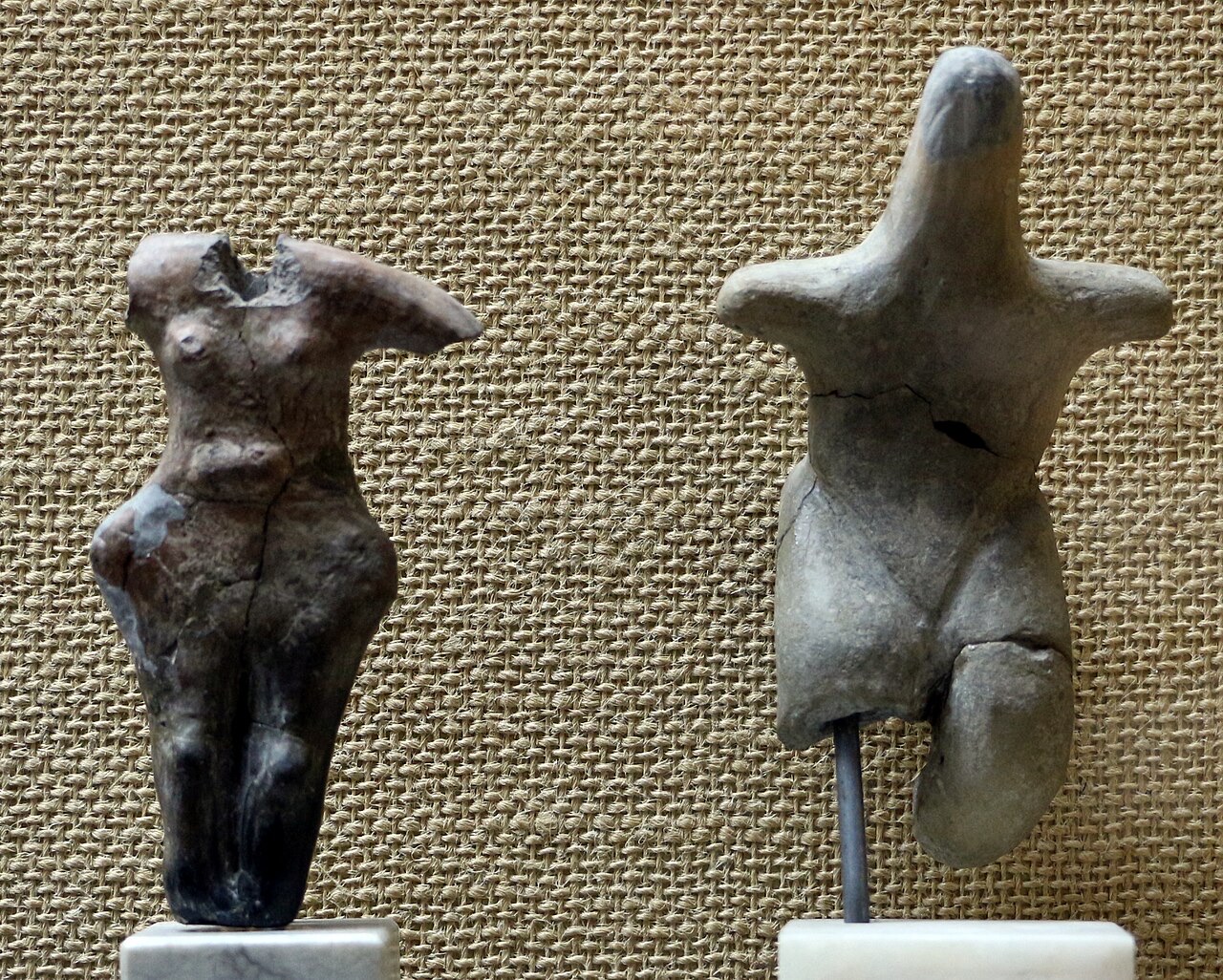
The Pavilion of Antiquity is described as the most important and one of the richest in the museum, containing 585 objects. The collection begins with the Late Palaeolithic period and extends to the Early Middle Ages, covering the fourth through eighth centuries AD. Objects from the prehistoric settlement of Maliq document Neolithic culture from approximately the middle of the fourth millennium BC to around 2600 BC.
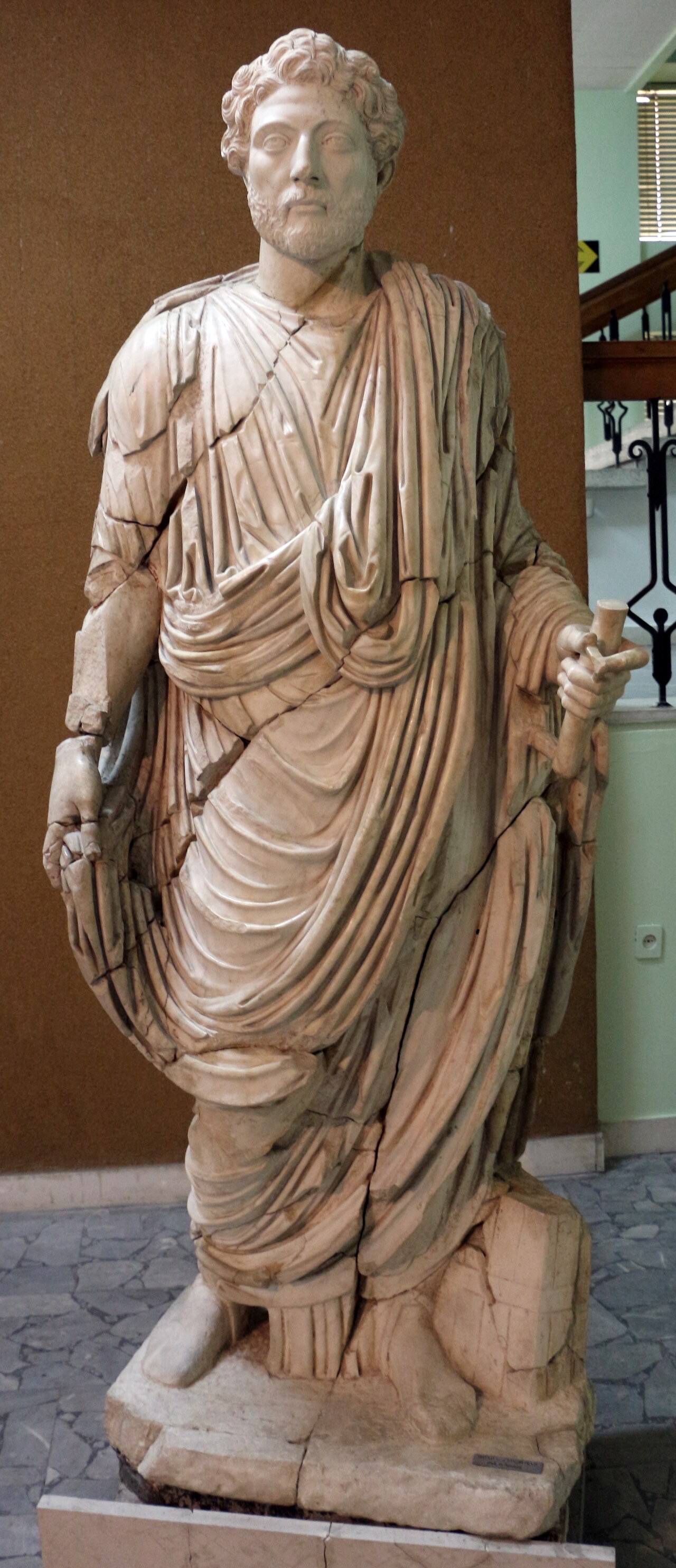
Among the exhibited items are silver and bronze coins issued in the names of Illyrian kings from the centres of Durrës, Apollonia, Shkodër, Byllis, and Amantia, dating to the fourth and third centuries BC. Notable sculptural works include pieces attributed to the Apolloniate school representing the god Apollo, dated to the sixth century BC. Other significant objects are the mosaic known as The Beauty of Durrës (fourth century BC), a head of Artemis (third century BC), an anthropomorphic representation of the river Vjosa (third or second century BC), a limestone head of a man (fifth century AD), and findings from the Monumental Tomb of Lower Selca near Pogradec, dated to the third century AD.
The Middle Ages pavilion covers Albanian economic, social, political, and cultural development from the sixth century to the fifteenth. A dedicated section addresses the Principality of Arber. The heraldic emblem of Karl Topia, located on the monumental portal of the Monastery of John Vladimir in Elbasan, is used to illustrate the transfer of power from the Skuraj to the Topiaj families.
A particularly notable object in this pavilion is the Epitaph of Gllavenica, which dates to 1373. Maps, engravings, and early publications in the pavilion document Albanian resistance against Ottoman occupation, alongside key political and economic developments. A section of the pavilion is devoted to Skanderbeg, presented as the central figure of Albanian resistance against Ottoman rule during this period.
The Renaissance Pavilion covers the period from the mid-nineteenth century to 1912, and is described as one of the richest in original objects. Its holdings include documents, books, photographs, national flags, weapons, banknotes, and other cultural artefacts, many of which are described as unique to Albanian national history and culture.
Among the items on display is the flag of the patriotic society known as 'Desire,' which belonged to the Albanian colony in Sofia, Bulgaria. The pavilion also exhibits the desk and book collection of Sami Frashëri (1825–1904), identified as one of the prominent ideologists of Albanian national thought.
The Independence Pavilion documents the period between the Declaration of Independence in 1912 and 1939. It covers the Declaration of Independence issued by the National Assembly of Vlorë on 28 November 1912 and the subsequent formation of the Provisional Government of Albania, as well as the Conference of Ambassadors in London of 1912–1913.
The pavilion also addresses the short reign of Prince Wied in Albania in 1914 and the political upheavals that followed, including the movement of June 1924 led by Fan Noli. A dedicated corner within the pavilion is devoted to Fan S. Noli's contribution to Albanian national and state history in the twentieth century.
The Iconography Pavilion holds a collection of 70 items of Post-Byzantine art produced in Albania, including icons, a proskynetarion, pairs of Holy Doors, and an iconostasis. The objects originated from churches in Gjirokastër, Elbasan, Fier, Berat, and other locations, and date from the sixteenth century to the early nineteenth century.
The pavilion represents nearly all the major painters who worked in the churches of Albania, North Macedonia, and Greece during this period. Named artists include Onufri, Onufër Qiprioti, David Selenica, Kostandin Shpataraku, Kostandin Jeromonaku, the Zografi brothers, the Çetiri brothers, and Mihal Anagnosti. The iconostasis on display came from the church of the Monastery of Saint John Vladimir in Elbasan.
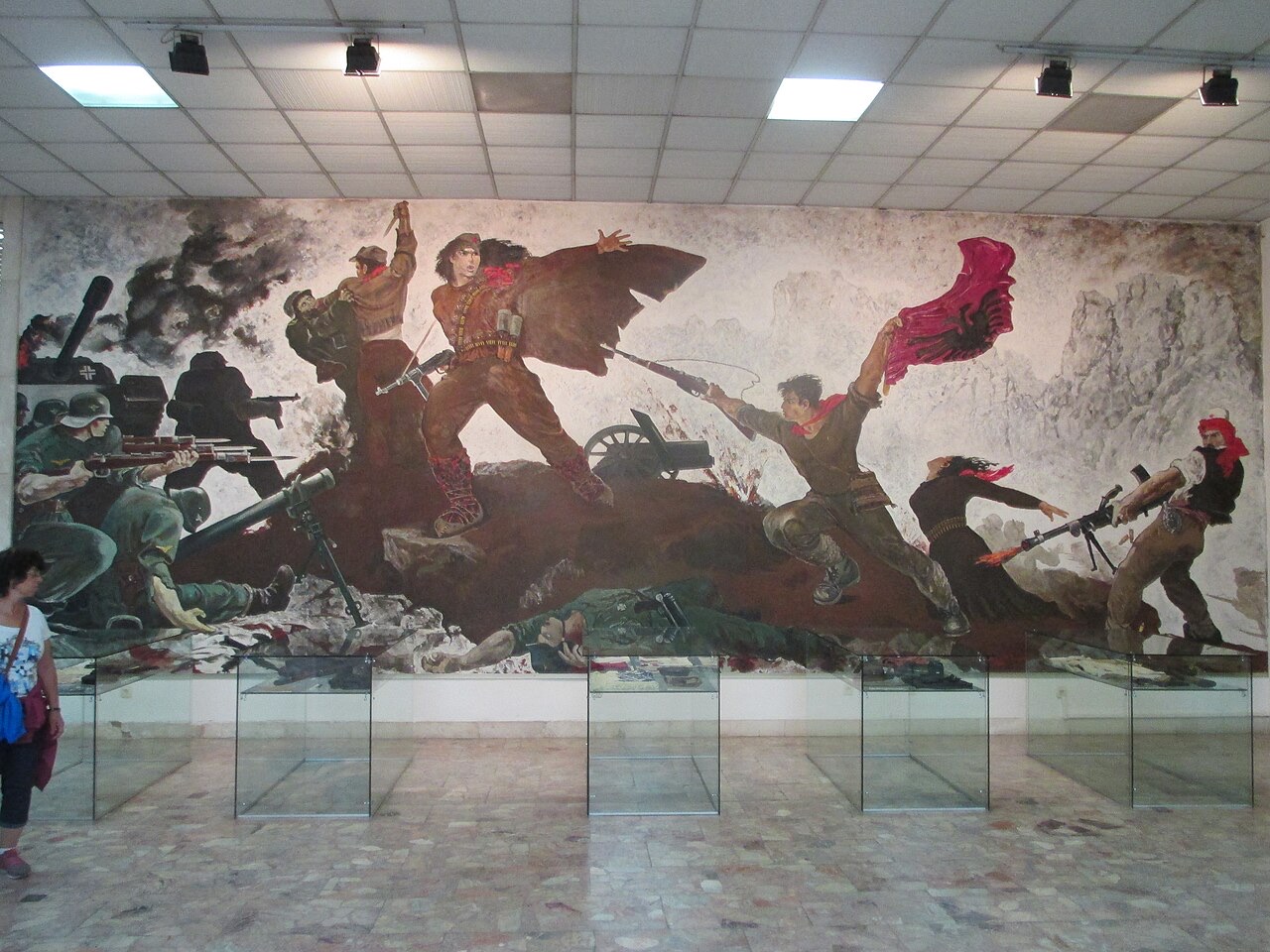
The Antifascist War Pavilion uses 220 objects to document events from the War of Vlorë in 1920 through the end of the Second World War in 1945. It records Albanian intellectual reactions in the 1920s and 1930s to the rise of fascism in Italy, and then follows the installation of the fascist regime in Albania on 7 April 1939 and the growth of organised antifascist resistance.
The pavilion includes material relating to Albanian volunteers who participated in the Spanish Civil War, as well as relics associated with Albanian martyrs and heroes who died fighting fascism and Nazism. Separate sections address the roles of British, Soviet, and American allied missions in Albania, and documents in the pavilion also reflect Albanian protection of the Jewish population during the Holocaust, a subject the museum presents as an expression of Albanian humanitarian values.
The Pavilion of Communist Terror was inaugurated in 2012. It documents the single-party period in Albania from 1945 to 1990, using documents, photographs, objects, and film material supplied by the Central Film Archives. The pavilion covers cleansing operations against anti-communist forces, the operation of a special court against political opponents during the war, and the suppression of anti-communist opposition. Display cases contain relics belonging to individuals who were convicted or executed by the regime.
The Mother Teresa Pavilion is dedicated to the life, family, and charitable work of Mother Teresa. It displays photographs of international figures who met her, including Jacques Chirac, Bill Clinton, Tony Blair, and Ibrahim Kodra, alongside personal objects that belonged to her. The pavilion also records the international awards she received for her charitable work.
Sito storico · Tiranë
The small mosque on Skanderbeg Square whose frescoes of trees and waterfalls are unusual in Islamic art.
Città · Tiranë
The capital: a fast-changing city of painted blocks, Ottoman survivals and new towers, under Mount Dajti.
Oggetto
Illyrian kingdoms, Roman roads, five Ottoman centuries, twenty-eight years of independence, forty-six years of the strictest…
Hai notato un errore in questa pagina? Le correzioni sono benvenute e vengono verificate rispetto al record di fonte. Indica cosa è sbagliato e, se possibile, da dove proviene il dato corretto.