도시 · Elbasan
Elbasan
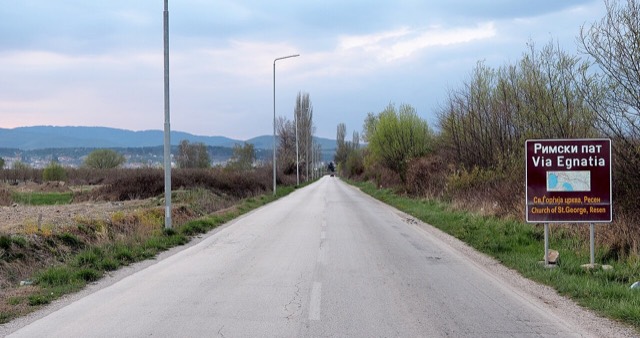
A central industrial city inside an Ottoman fortress wall, on the old Via Egnatia.
모든 주, 모든 해안, 모든 세기
안내 보기
알바니아가 처음이신가요? 모든 페이지는 세부 내용이 시작되기 전에, 열 살짜리 아이도 이해할 수 있는 평이한 설명으로 시작됩니다.
전문가 보기
기본 내용은 이미 알고 계신가요? 간단한 설명은 숨기고 핵심 내용만 바로 확인하세요. 이것이 기본 설정입니다.
유적지 · Elbasan County
An Ottoman fortress built on a Roman site, with a living town inside its walls.
저장
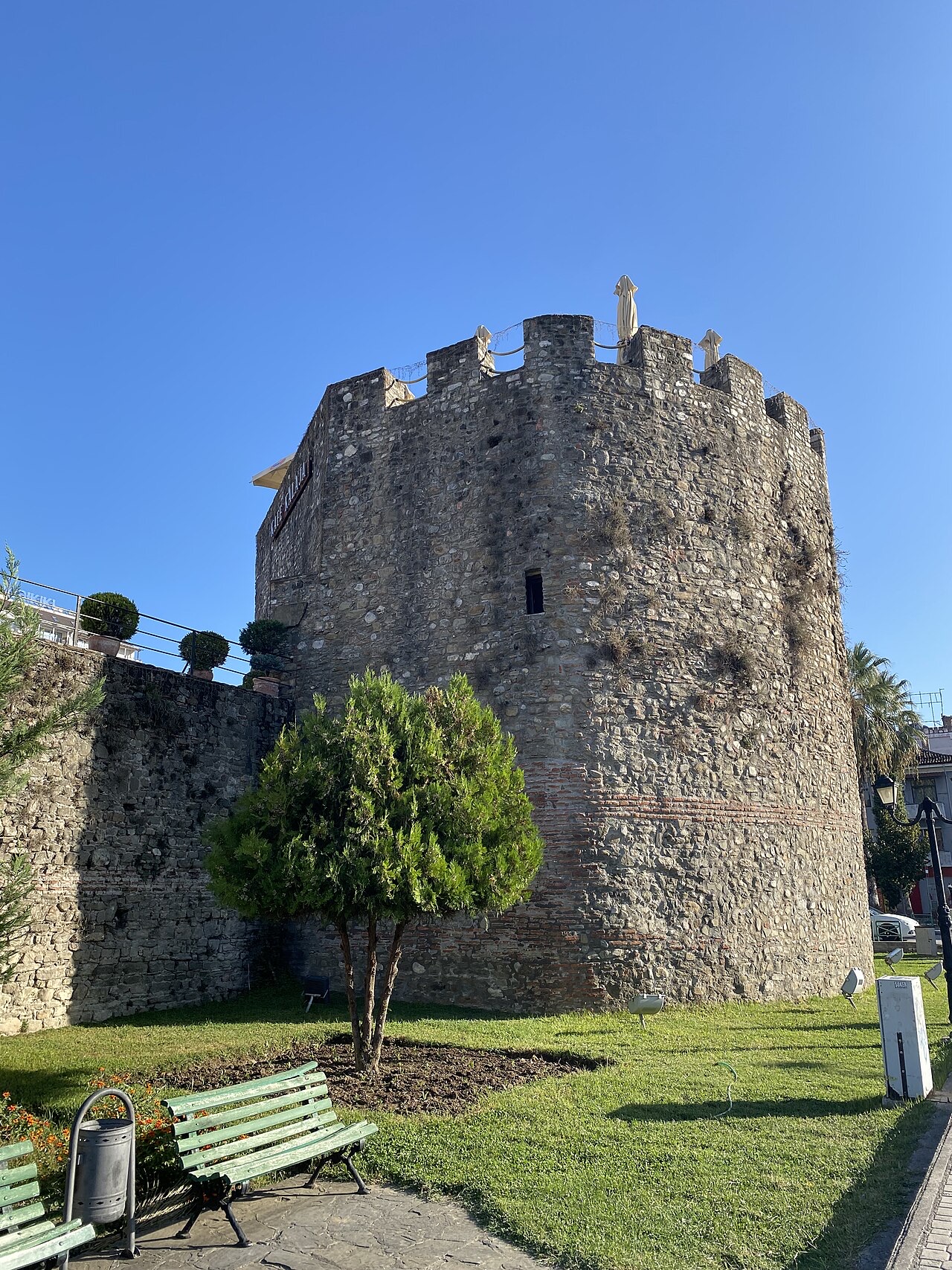
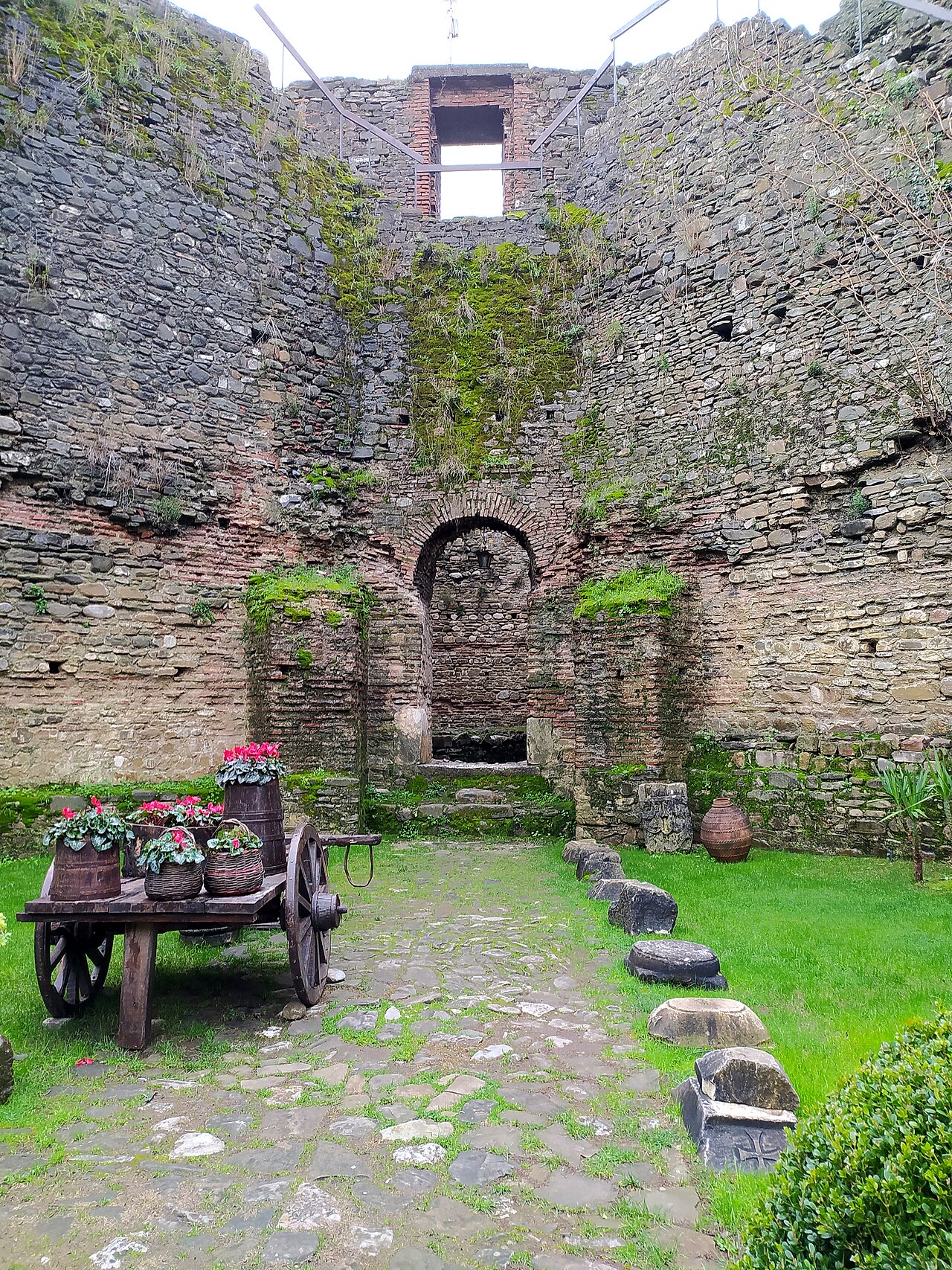
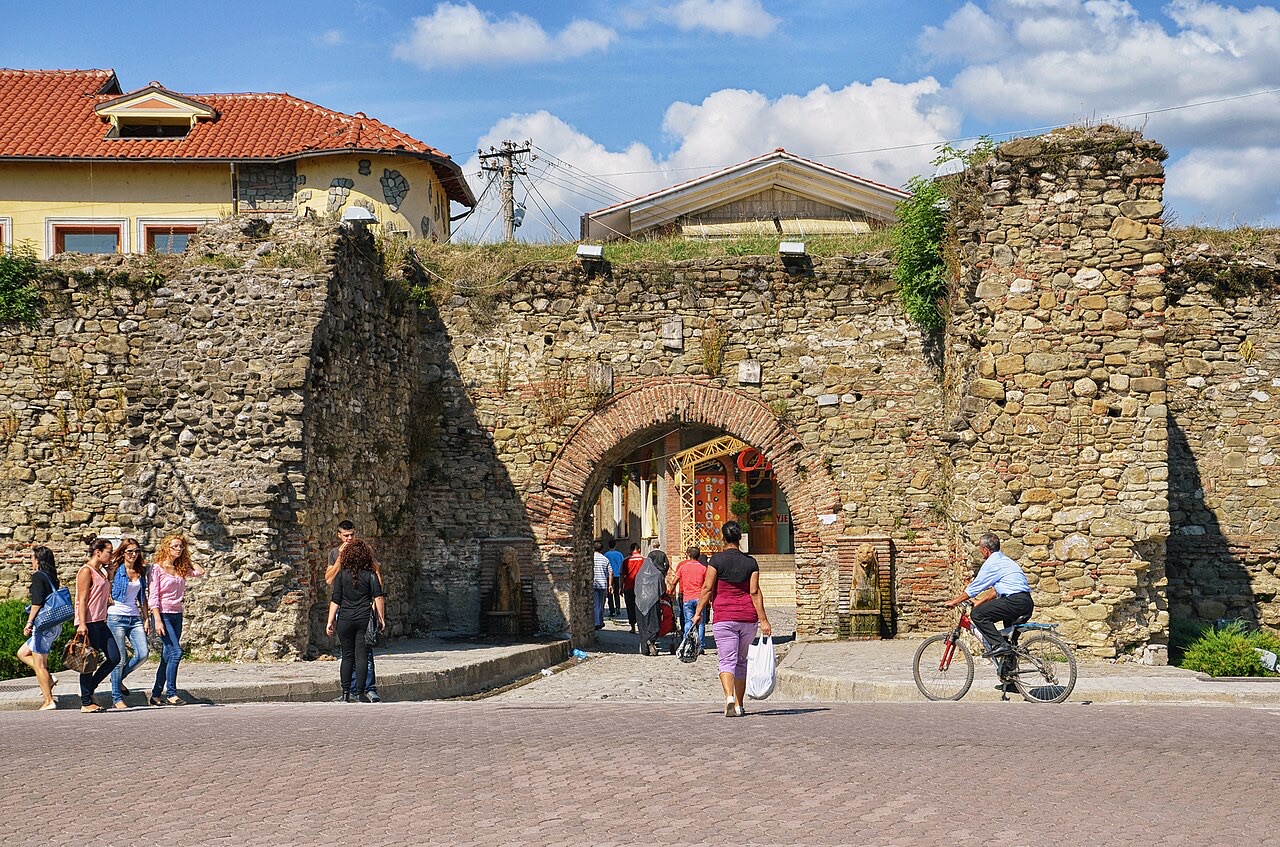
Elbasan's fortress was built in 1466 by an Ottoman sultan on top of an older Roman fort. Streets, houses, a church and a mosque are inside the walls.
Elbasan's fortress was built in 1466 by an Ottoman sultan on top of an older Roman fort. Streets, houses, a church and a mosque are inside the walls.
Elbasan Castle stands inside the city of Elbasan, Albania. Known in Albanian as Kalaja e Elbasanit, it is a 15th-century Ottoman-period fortress that has remained a physical presence within the urban fabric of the city across several centuries of subsequent settlement.
The ancient road Via Egnatia passes through the castle itself, reflecting the site's position along a historically significant overland route. This detail helps explain why the location attracted successive phases of fortification and settlement from antiquity onward.
The earliest fortification on the site is theorized to date from the 4th century AD, with its construction linked to the Gothic invasions of Illyria in 378 AD. The original structure was built in a rectangular plan measuring approximately 348 by 308 metres, with walls around three metres thick.
The surrounding region shows evidence of considerable agricultural activity during the Roman period, indicating that the fortified site existed within a productive and occupied landscape rather than as an isolated military installation.
A second period of settlement continued until approximately the 6th century. The decline of this phase corresponds with the Slavic invasions of the period, after which occupation of the site appears to have diminished.
The castle was restored on the orders of Mehmed II of the Ottoman Empire, placing the main phase of its current form in the 15th century. The speed with which the restoration was completed is noted in the historical record, and scholars have concluded from this that the builders made considerable use of the pre-existing fortification rather than constructing an entirely new structure.
As restored, the castle consisted of 26 equidistant towers, each standing 9 metres (30 ft) high. The equidistant placement of the towers was a deliberate defensive design feature, ensuring consistent coverage along the perimeter walls.
The original rectangular plan of the fortification measured approximately 348 by 308 metres, dimensions established in the 4th-century phase. The walls of the original structure were approximately three metres thick.
The 26 towers added or retained during the Ottoman-period restoration were spaced equidistantly around the perimeter and rose to a height of 9 metres. The passage of Via Egnatia through the castle interior further shaped the functional layout of the site.
Within the walls of Elbasan Castle stands a hamam—a Turkish bathhouse—attributed to Sinan Pasha. The structure was built in the early 19th century, making it a later addition to the castle complex relative to the Ottoman military restoration of the 15th century.
The hamam is described as well preserved. Its survival within the castle walls means the site contains monuments from two distinct Ottoman periods: the 15th-century military restoration under Mehmed II and this 19th-century civilian or administrative structure.
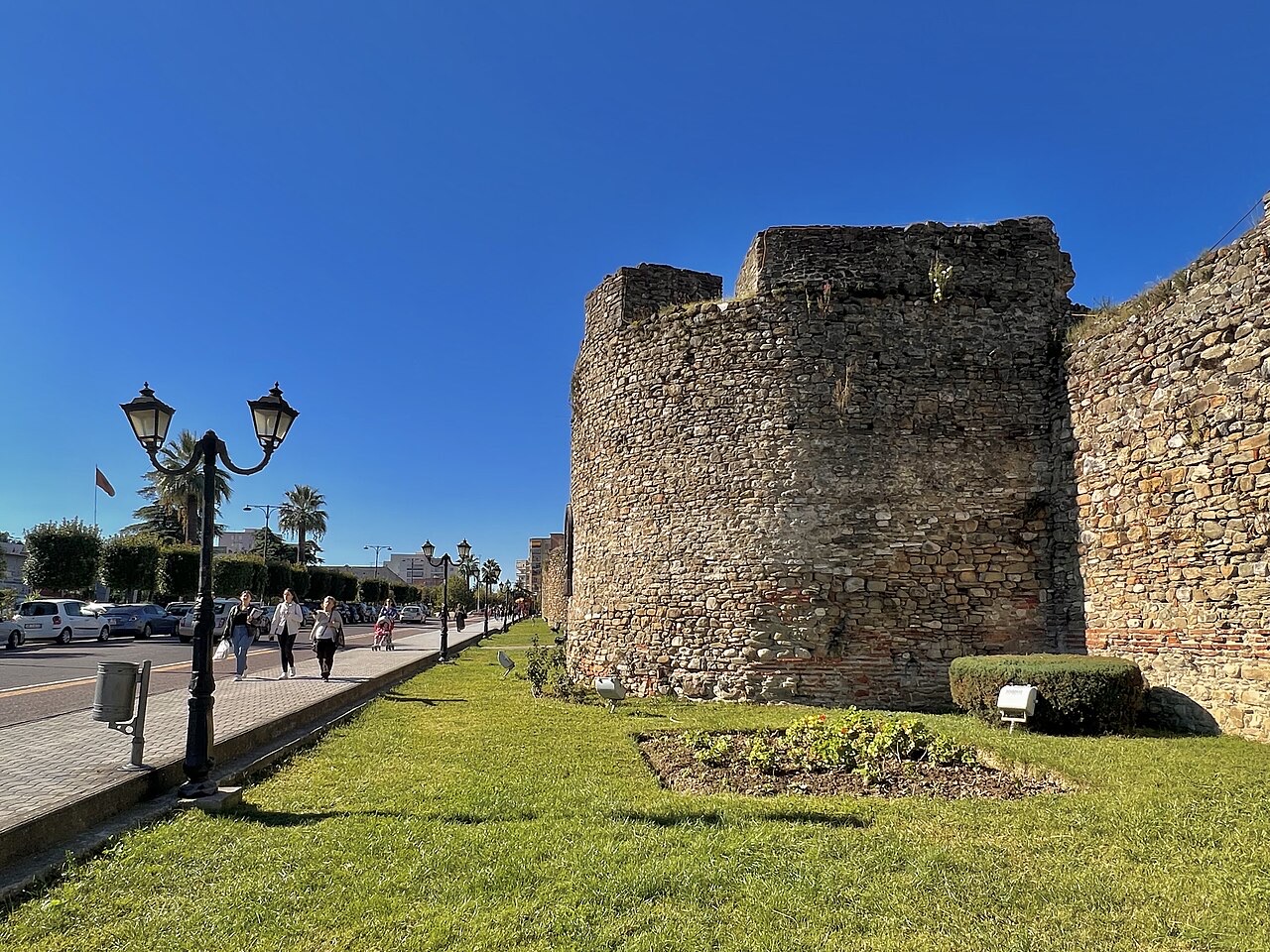
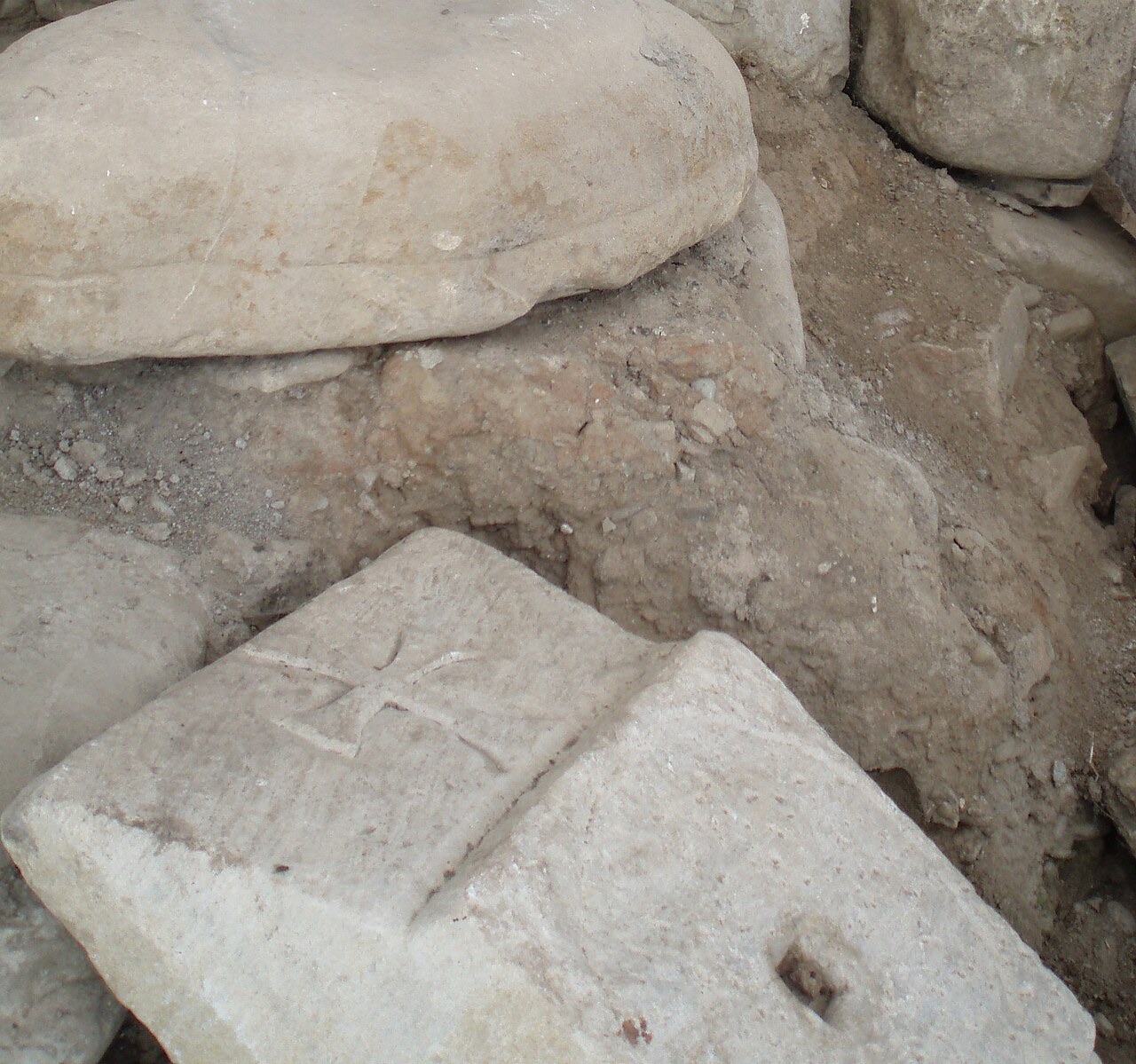
The continuity between the pre-Ottoman and Ottoman phases of the castle is a notable aspect of the site's history. When Mehmed II ordered the restoration, builders worked with what was already standing rather than beginning from new foundations, a practice that allowed the project to be completed quickly.
This layering of construction phases—4th-century walls, a second period of use through the 6th century, and a 15th-century Ottoman restoration—means the current castle fabric contains elements originating across more than a thousand years of building history, though the precise extent of surviving early material is not specified in available sources.
The fact that Via Egnatia, the major Roman and Byzantine road across the Balkans, passes through Elbasan Castle points to the strategic reasoning behind the site's long use as a fortified location. Control of a major road artery was a consistent military and administrative priority across the Roman, Byzantine, and Ottoman periods.
The road's passage through the castle rather than around it suggests the fortress was positioned specifically to command this route, and that successive rulers recognised the same strategic value in holding this point on the Via Egnatia.
The construction of the earliest fortification is theorized to have followed the Gothic invasions of Illyria in 378 AD. The word 'theorized' in the source material indicates this is an interpretive conclusion rather than a documented historical record; the 378 AD invasions are treated as the probable prompt for the construction of the initial walls rather than a confirmed cause.
This dating places the origin of the site in the late Roman period, when the empire's ability to defend its Balkan provinces was under increasing pressure. A local fortification with three-metre-thick walls in a rectangular enclosure would have served as a refuge and defensive post in that context.
Settlement associated with the castle site continued into a second period lasting until approximately the 6th century AD. The end of this phase is linked to the Slavic invasions that affected much of the Balkan peninsula during the late 6th and early 7th centuries.
After this decline, the historical record of the site as described in available sources moves forward to the Ottoman-period restoration under Mehmed II, leaving a gap in documented occupation between the 6th century and the 15th century.
The castle remains a present-day feature of Elbasan, with the hamam of Sinan Pasha described as well preserved. The 26 towers of the Ottoman-period restoration and the walls of the earlier phases constitute the principal architectural elements of the site.
The castle is listed among Albania's castles and is referenced in the context of tourism in Albania, though the article does not provide detail on the condition of the walls or towers beyond the specific mention of the hamam's preservation state. Tom Winnifrith's 1992 work Perspectives on Albania is cited among sources relating to the site.
도시 · Elbasan
A central industrial city inside an Ottoman fortress wall, on the old Via Egnatia.
이 페이지에 오류가 있습니까? 수정 제안을 환영하며, 출처 기록과 대조하여 검토합니다. 잘못된 내용과 가능하다면 올바른 수치의 출처를 알려 주십시오.