Kota besar · Berat
Berat
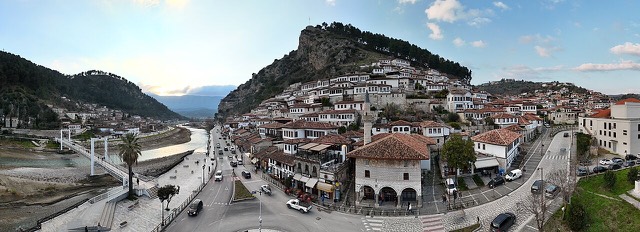
The 'city of a thousand windows': an Ottoman hill town under a still-inhabited castle, UNESCO-listed since 2008.
Setiap kabupaten, pantai, dan abad
Tampilan terpandu
Baru mengenal Albania? Setiap halaman dibuka dengan penjelasan dalam bahasa sederhana yang dapat dibaca oleh anak usia sepuluh tahun, sebelum detail lebih lanjut dimulai.
Tampilan ahli
Anda sudah mengetahui dasar-dasarnya. Langsung ke inti pembahasan, dengan penjelasan sederhana yang disembunyikan. Ini adalah tampilan default.
Situs bersejarah · Berat County
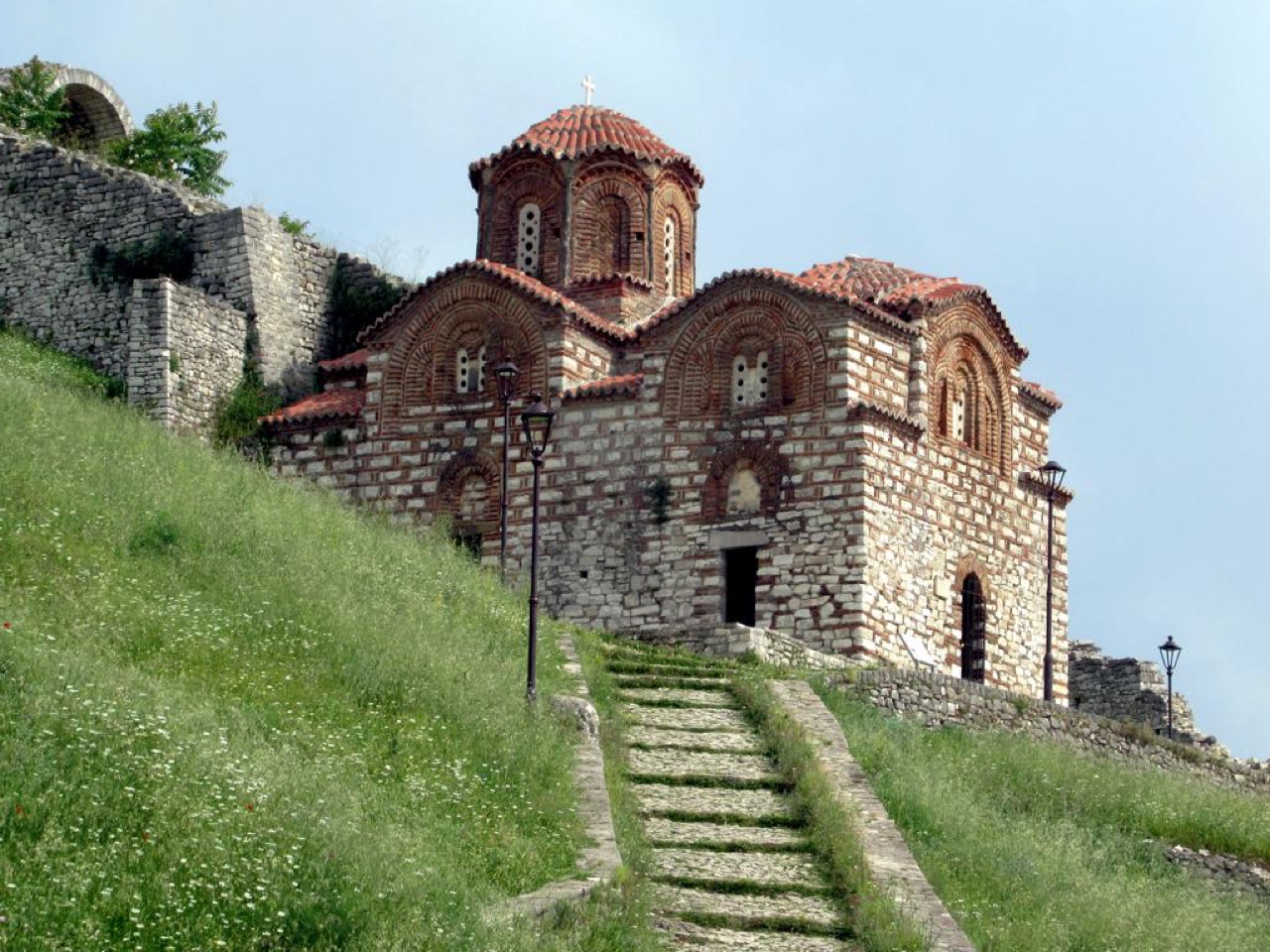
A fortress people still live inside, holding some twenty churches and the Onufri icon museum.
Simpan
Berat Castle is unusual because families still live inside its walls, in houses along cobbled lanes. There are also many small old churches inside, and a museum of icons painted by a 16th-century artist called Onufri.
Berat Castle is unusual because families still live inside its walls, in houses along cobbled lanes. There are also many small old churches inside, and a museum of icons painted by a 16th-century artist called Onufri.
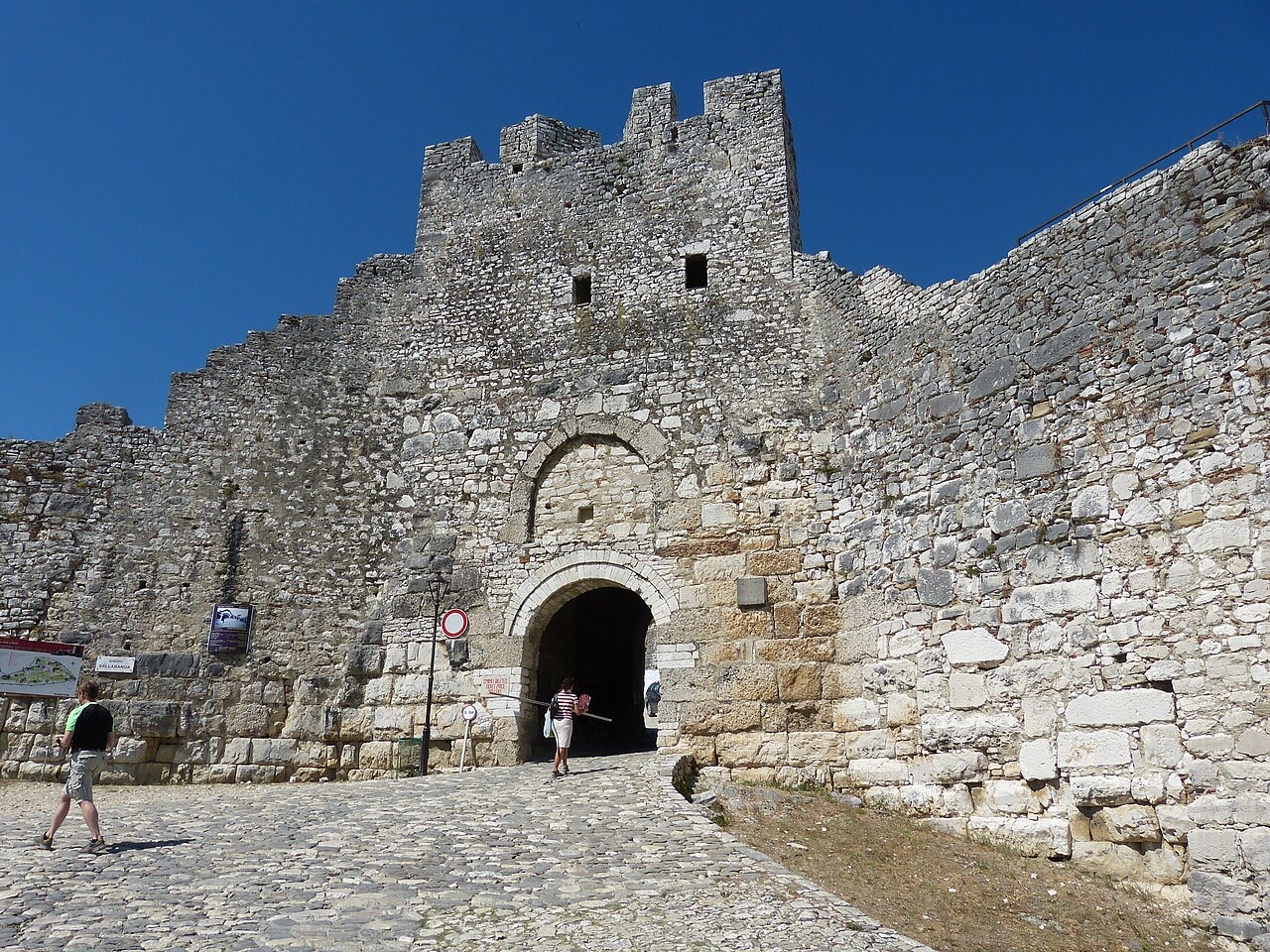
Berat Castle stands on a rocky hill on the right bank of the River Osum, overlooking the town of Berat. It sits at an elevation of 214 metres (702 ft). The site is accessible only from the south, a constraint imposed by the terrain of the hill on which it is built.
The main entrance lies on the north side of the fortress and is defended by a fortified courtyard. Three smaller entrances also exist. The scale of the enclosed area was sufficient to house a considerable portion of the town's inhabitants, and the buildings constructed within the walls during the 13th century are preserved as cultural monuments on account of their architectural character.
The earliest recorded episode of destruction at the site occurred in 200 BC, when the Romans burned the settlement down. The walls were subsequently strengthened in the 5th century under the Roman Emperor Theodosius II, a measure taken to defend against Barbarian incursions into the Balkans.
The fortifications were rebuilt again during the 6th century under the Emperor Justinian I. These successive phases of construction reflect the strategic importance the site held for successive powers controlling the western Balkans during late antiquity.
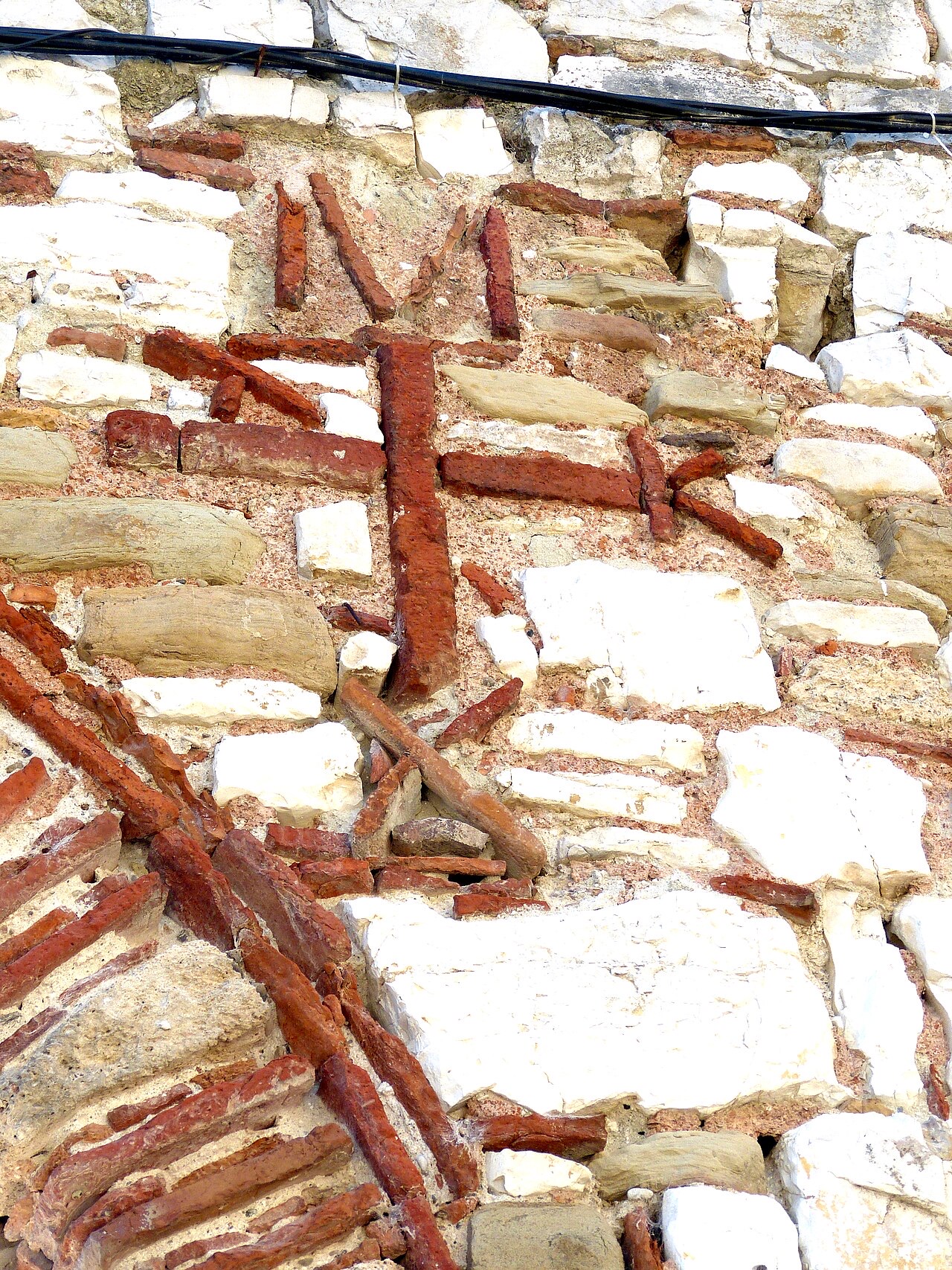
The most extensively visible phase of construction dates from the 13th century, carried out under Michael I Komnenos Doukas, Despot of Epirus and a cousin of the Byzantine Emperor. This phase of rebuilding is still directly legible in the fabric of the castle walls: a monogram formed by red bricks set into the masonry identifies the work of this period.
The buildings inside the fortress were largely erected during this same 13th-century phase, and it is this construction that defines the architectural character of the castle quarter as it survives today. The population housed within the walls at this time was predominantly Christian.
In the mid-14th century the castle came under the rule of John Komnenos Asen. The article does not elaborate on the circumstances of his acquisition of the fortress or the duration or character of his rule there beyond this attribution.
During the Ottoman period, the castle's resident population remained predominantly Christian. To serve the Turkish garrison stationed within the walls, a single mosque was maintained inside the fortress. Of this structure, only a few ruins and the base of the minaret survive.
The contrast between the approximately 20 churches built to serve the Christian population and the single mosque built for the garrison reflects the demographic and religious composition of the castle quarter under Ottoman administration.
The fortress of Berat in its present state is described as considerably damaged, though the scale of the remaining structure is noted as significant. The 13th-century buildings inside the enclosure are preserved as cultural monuments. Many of the churches within the walls were damaged or destroyed over time, and only some have survived.
The article does not specify which particular structural elements have been lost or the causes of specific instances of damage beyond the general passage of time.
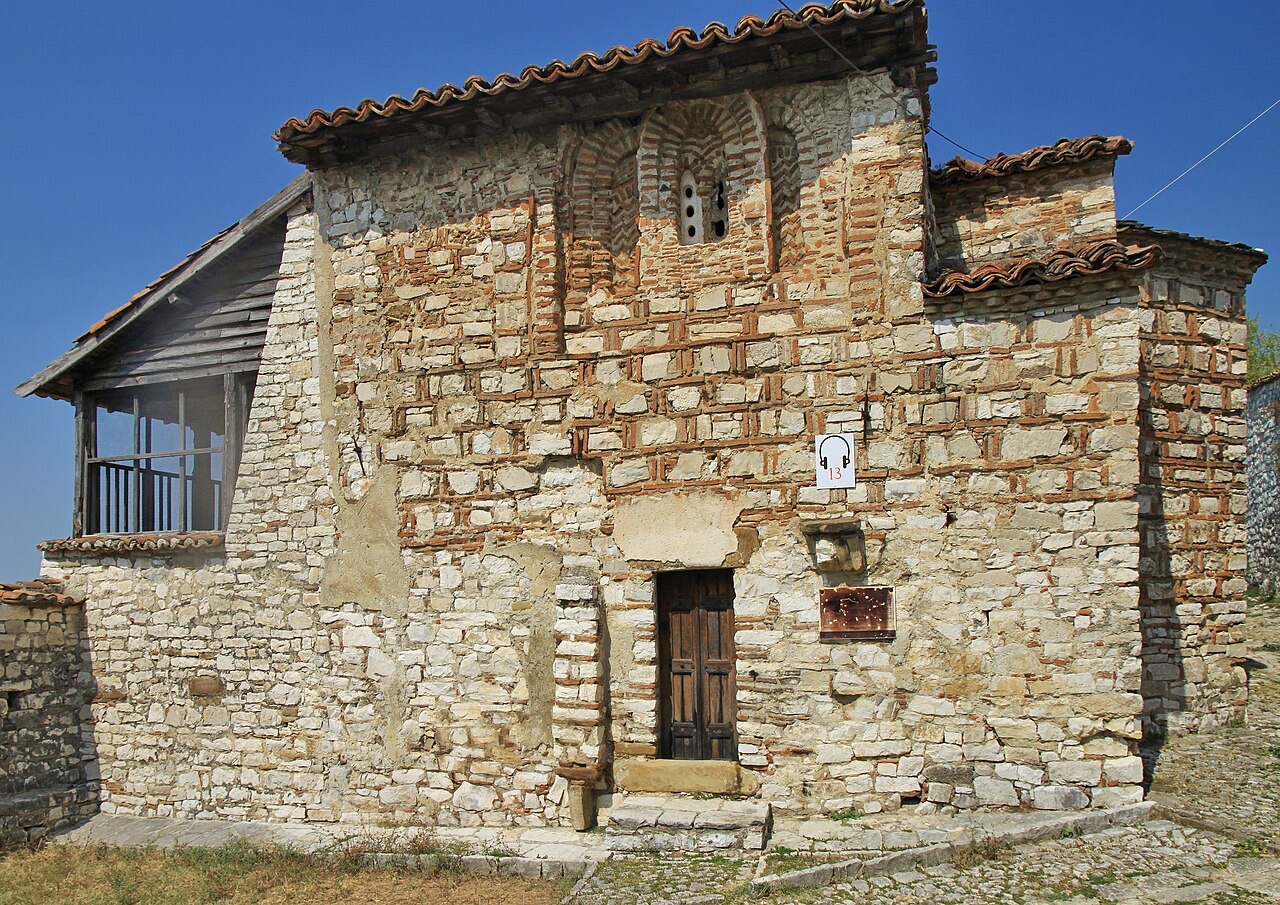
At its height the castle quarter contained around 20 Albanian Orthodox churches, the majority of them built during the 13th century. Eight individual churches are identified in the article by name: the Church of the Holy Trinity, the Church of St. Michael, the St. Mary of Blachernae Church, the Church of St. Nicholas, the Church of Saints Constantine and Helen, the Church of St. George, the Evangelistria Church, and the Church of St. Theodore.
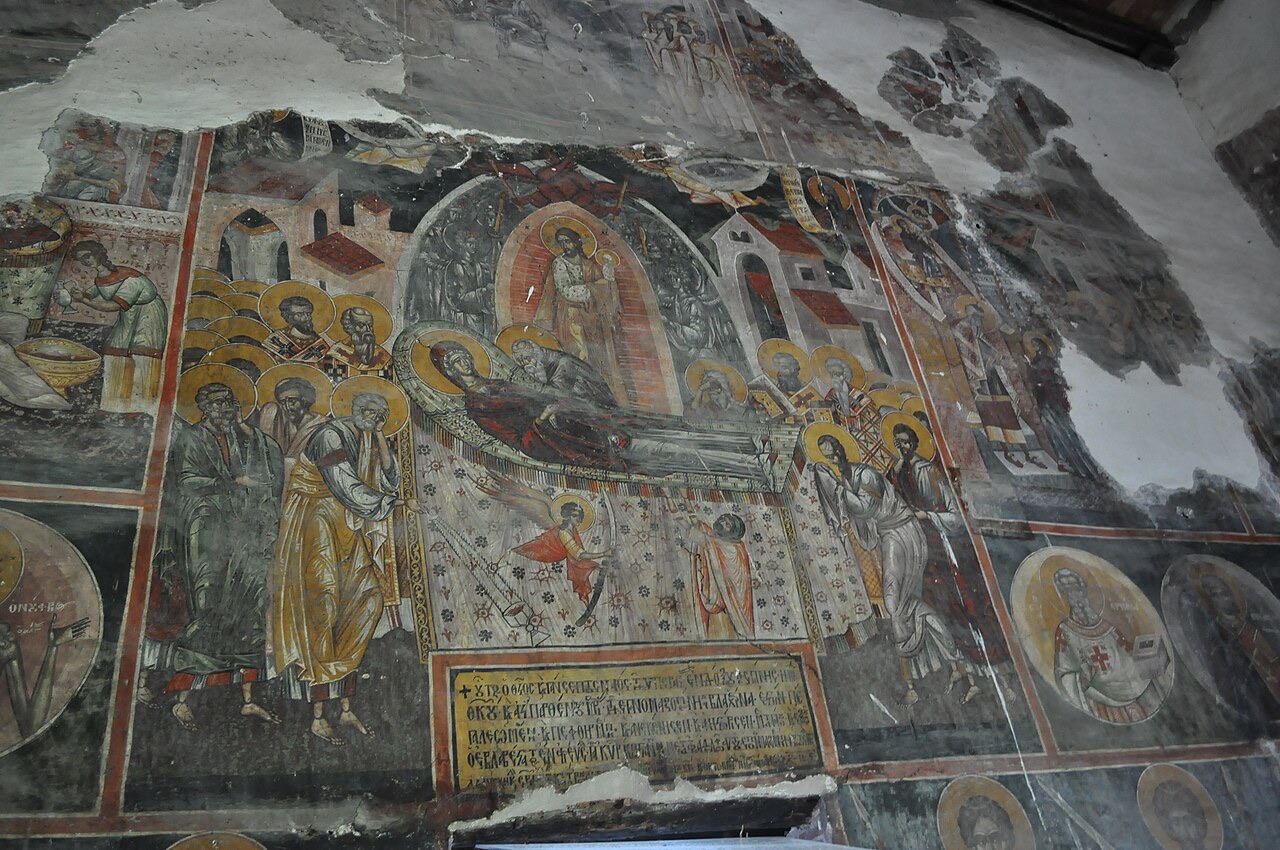
These churches contain frescoes and iconostases. The frescoes were executed during the Middle Ages by icon painters of note. The article describes the churches collectively as a symbol of the castle's history.
The frescoes and iconostases within the castle's churches were painted by artists including Onufri, Kostandin Shpataraku, and the Zografi Brothers, among others. Onufri is described in the article as famous in Albania; a museum of his iconography is located in the city of Berat itself.
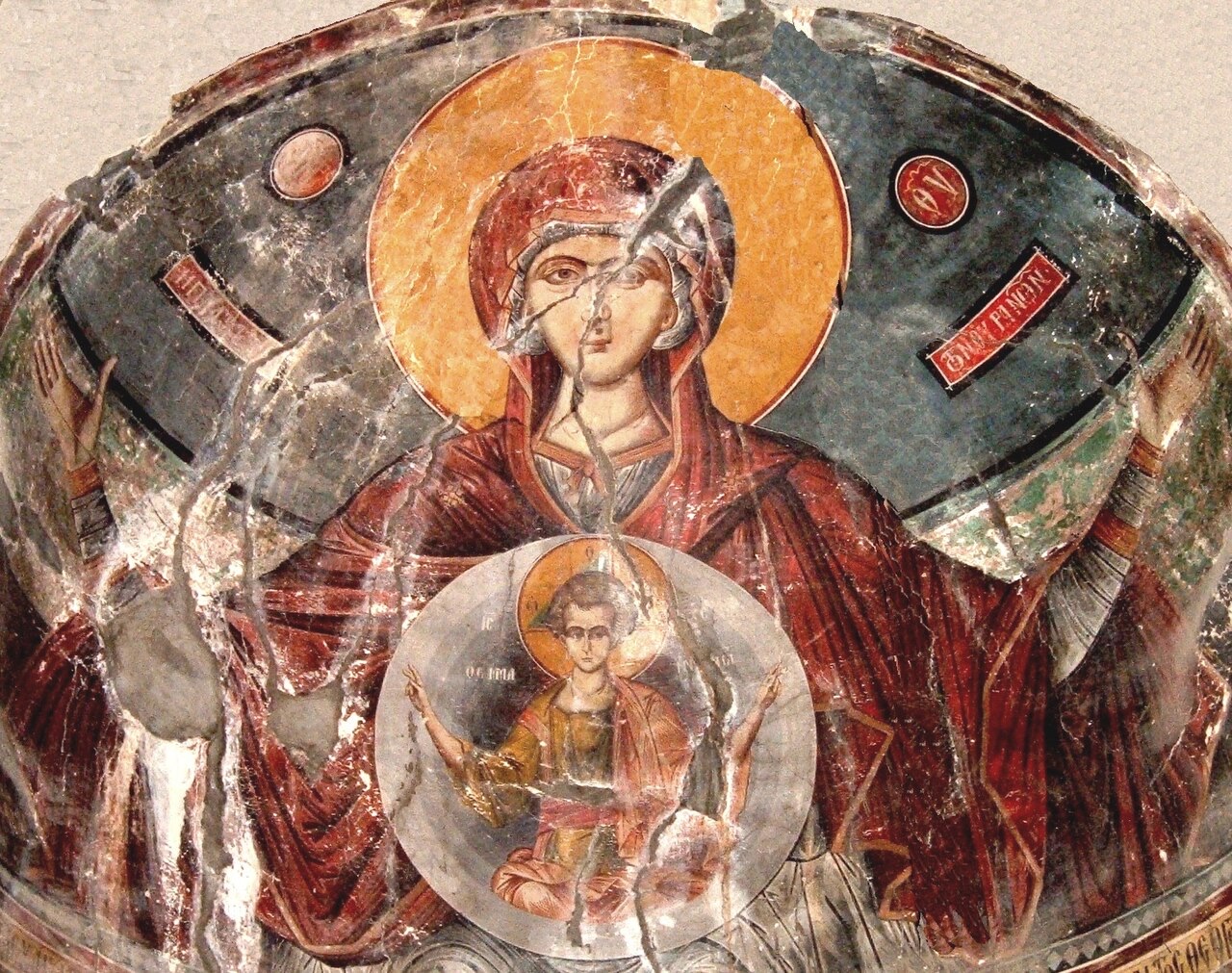
The article does not provide dates for individual works within the castle's churches, nor does it specify which paintings by which artists are located in which individual church buildings.
Berat Castle is depicted on the reverse of the Albanian 10 lekë coin. This coin was issued in three years: 1996, 2000, and 2013. No further detail about the design or denomination context is provided in the article.
The site is known in Albanian as Kalaja e Beratit. In English it is referred to variously as Berat Castle, the Citadel of Berat, and the castle quarter. The last of these names reflects the fact that the fortress enclosed a residential and ecclesiastical community rather than functioning purely as a military installation.
The castle dates mainly from the 13th century, though its origins and successive phases of construction span from at least 200 BC through the Byzantine, Despotate of Epirus, and Ottoman periods.
Bulan terhangat adalah August (rata-rata suhu harian tertinggi 31°C), yang terdingin adalah January (rata-rata suhu harian terendah 2°C), dan yang terbasah adalah December (107 mm). Total curah hujan tahunan rata-rata 946 mm.
| Bulan | Tertinggi | Terendah | Hujan | Hari hujan | Matahari/hari |
|---|---|---|---|---|---|
| January | 10°C | 2°C | 89 mm | 11 | 7.0 h |
| February | 12°C | 2°C | 84 mm | 10 | 8.0 h |
| March | 15°C | 4°C | 96 mm | 11 | 9.5 h |
| April | 18°C | 7°C | 91 mm | 13 | 10.7 h |
| May | 23°C | 12°C | 80 mm | 12 | 11.9 h |
| June | 28°C | 16°C | 56 mm | 9 | 13.5 h |
| July | 31°C | 19°C | 31 mm | 6 | 13.7 h |
| August | 31°C | 19°C | 33 mm | 6 | 12.8 h |
| September | 26°C | 15°C | 82 mm | 9 | 10.6 h |
| October | 21°C | 11°C | 92 mm | 8 | 9.2 h |
| November | 16°C | 7°C | 106 mm | 11 | 7.2 h |
| December | 12°C | 3°C | 107 mm | 11 | 6.6 h |
Sumber: ERA5 reanalysis via Open-Meteo, 1994–2023 · "Tertinggi" dan "Terendah" adalah rata-rata suhu udara harian maksimum dan minimum. "Hari hujan" menghitung hari dengan curah hujan minimal 1 mm.
Kota besar · Berat
The 'city of a thousand windows': an Ottoman hill town under a still-inhabited castle, UNESCO-listed since 2008.
Ngarai · Berat
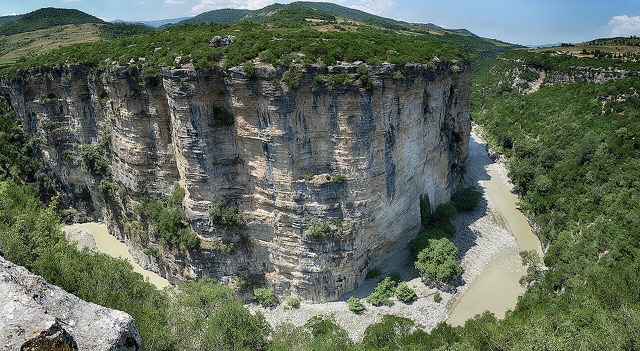
A 26 km limestone gorge up to 80 m deep, run by raft in spring and walked in late summer.
Tokoh
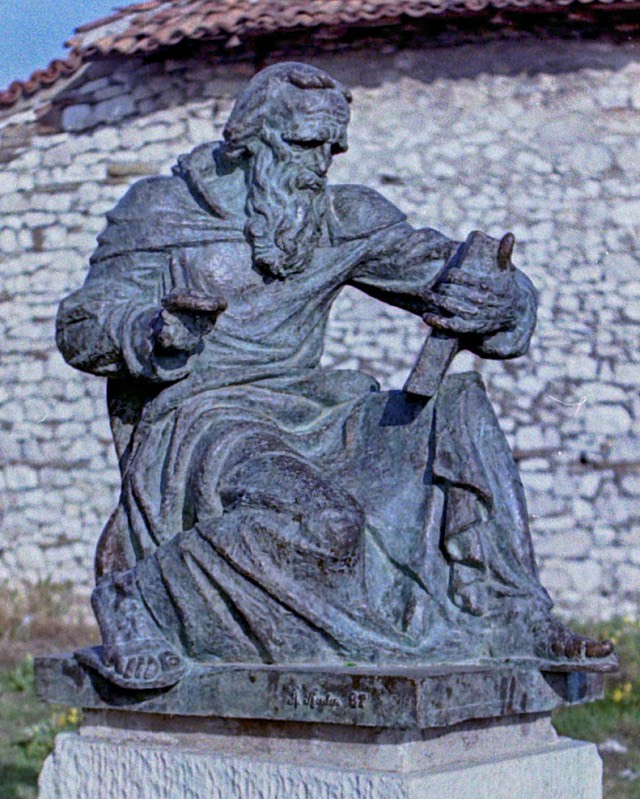
The 16th-century painter whose red pigment and expressive faces defined Albanian icon painting.
Ada yang salah di halaman ini? Koreksi sangat disambut dan akan diperiksa terhadap catatan sumber. Beri tahu kami apa yang salah dan, jika memungkinkan, dari mana angka yang benar berasal.