城市 · Berat
Berat
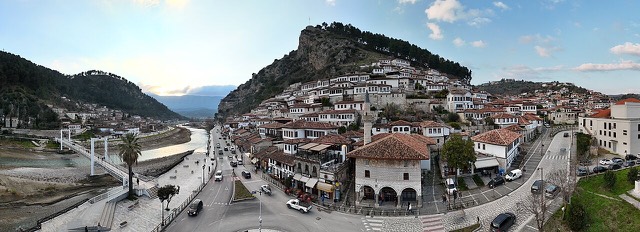
The 'city of a thousand windows': an Ottoman hill town under a still-inhabited castle, UNESCO-listed since 2008.
每个县、每段海岸、每个世纪
引导视图
初次了解阿尔巴尼亚?每个页面均以通俗易懂的说明开篇——即便是十岁的孩子也能读懂——随后再展开详细内容。
专业视图
您已掌握基础知识。直接进入正题,简明解释默认隐藏。此为默认模式。
人物
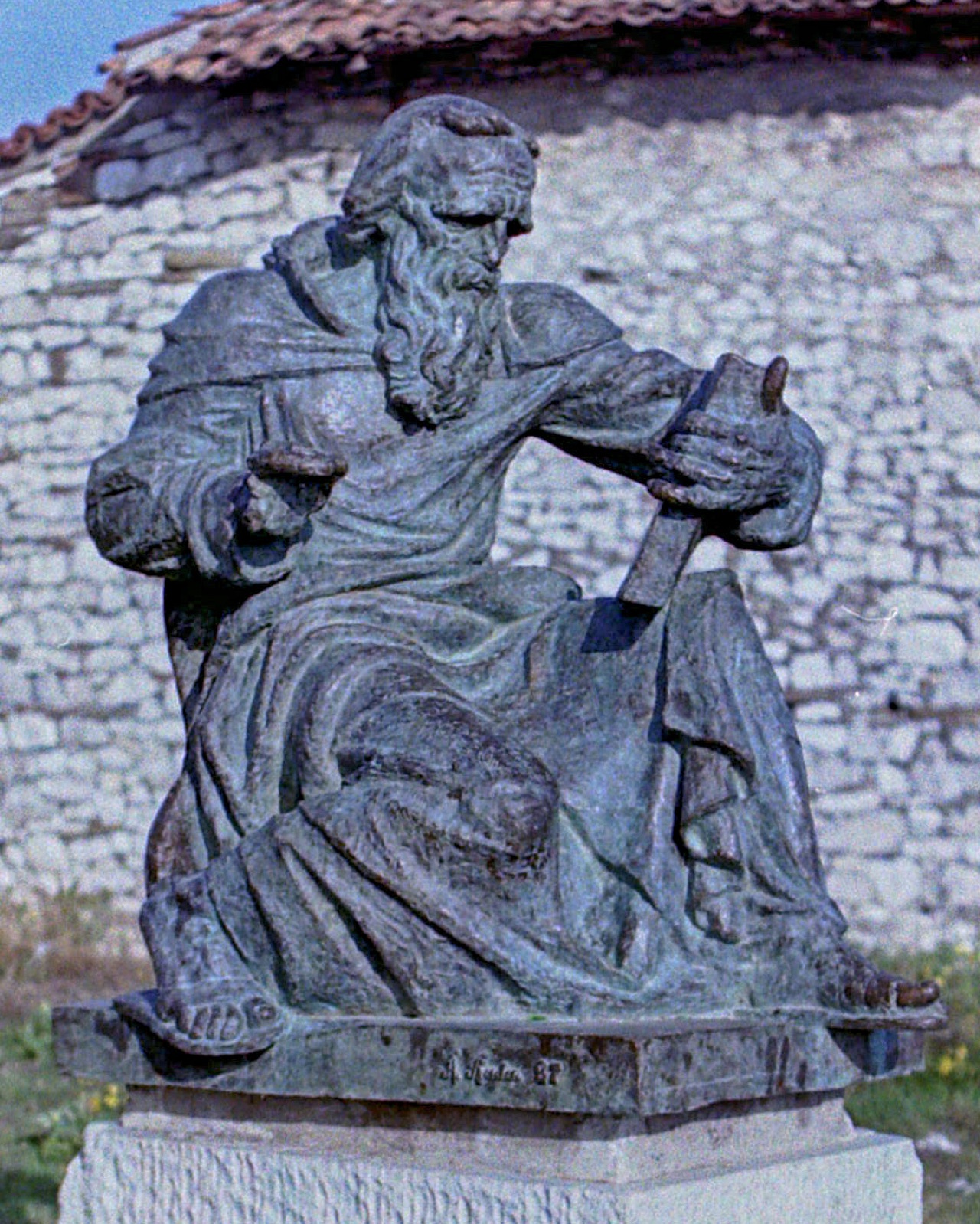
The 16th-century painter whose red pigment and expressive faces defined Albanian icon painting.
保存
Onufri was a priest and painter in the 1500s who worked in Berat and the surrounding region. He is known for a particular deep red colour and for painting faces with more feeling than was usual at the time. A museum in Berat Castle holds his work.
Onufri was a priest and painter in the 1500s who worked in Berat and the surrounding region. He is known for a particular deep red colour and for painting faces with more feeling than was usual at the time. A museum in Berat Castle holds his work.
Onufri, also recorded as Onouphrios of Neokastro or Onouphrios Argytes, was a sixteenth-century Archpriest of Elbasan who became the most important painter of Orthodox murals and icons in the early post-Byzantine era in Albania. His works combined post-Byzantine and Gothic elements with influences drawn from the Italian Renaissance, producing a degree of originality that set him apart from strict Byzantine convention. Scholars regard his output as having played a decisive role in shaping Albanian art through to the nineteenth century.
Onufri founded a school of painting in Berat, trained his son Nikolla to continue it, and extended his artistic influence as far as Kastoria, a city in what is now northern Greece. The Onufri Iconographic Museum, an Albanian national museum located in Berat, is named in his honour.
Little is known with certainty about Onufri's life, and scholarly awareness of his existence only emerged in the early twentieth century. No reliable record of his birthplace survives beyond a single inscription in the Holy Apostles church near Kastoria. On the basis of that and other evidence, he is believed to have been born in the early sixteenth century, either in the region of Berat in present-day Albania or near Kastoria or Grevena in present-day northern Greece.
The epithet Argitis, which appears in a fresco near Kastoria, has been taken by some to point to Argos as his place of origin. However, because he used it only once, researchers consider it more probable that the term refers to a location in the Kastoria area rather than to the Peloponnesian city. His flawless Greek calligraphic inscriptions indicate that he received a high level of education.
Onufri was educated in the Republic of Venice and was a member of the Greek Brotherhood of Venice, an association that placed him within a community of Greek-speaking Orthodox Christians living and working in Italy. This Venetian formation gave him direct exposure to the artistic climate of the Italian Renaissance, which he subsequently introduced into Albanian icon painting.
His membership in the Venetian Greek fraternity is also considered a likely channel through which he encountered the work of painters associated with the Cretan School. Scholars note that western artistic traces in his work are relatively few and can probably be explained through this contact rather than through prolonged independent engagement with Italian painting.
Onufri was active in Berat and possibly Venice until 1547. After that date he worked in both Berat and Kastoria, and in 1555 he was recorded at work in Shelcan, near Elbasan. After 1554 he lived and painted in the village of Valsh. He may also have been the painter of murals in the church of St. Nicholas near Prilep in what is now North Macedonia, though this attribution is not confirmed.
In several churches, Onufri signed his works with the title Protopapas (Greek: Πρωτόπαππας), indicating a senior position in the Orthodox church hierarchy. His signature does not, however, appear on all works attributed to him. A Dodekaorton icon preserved at the National Museum of Medieval Art in Korçë, for instance, is attributed to him but does not carry his signature.
Onufri worked in a period when the painting of Christian icons carried cultural as well as religious significance. In the climate of the time, producing such works could be understood as an act of restoring pre-Ottoman culture in regions under or recently affected by Ottoman rule.
His title of Archpriest of Elbasan placed him within the institutional church, and his activity across multiple sites in Albania and the surrounding region suggests that he operated with both ecclesiastical standing and considerable mobility.
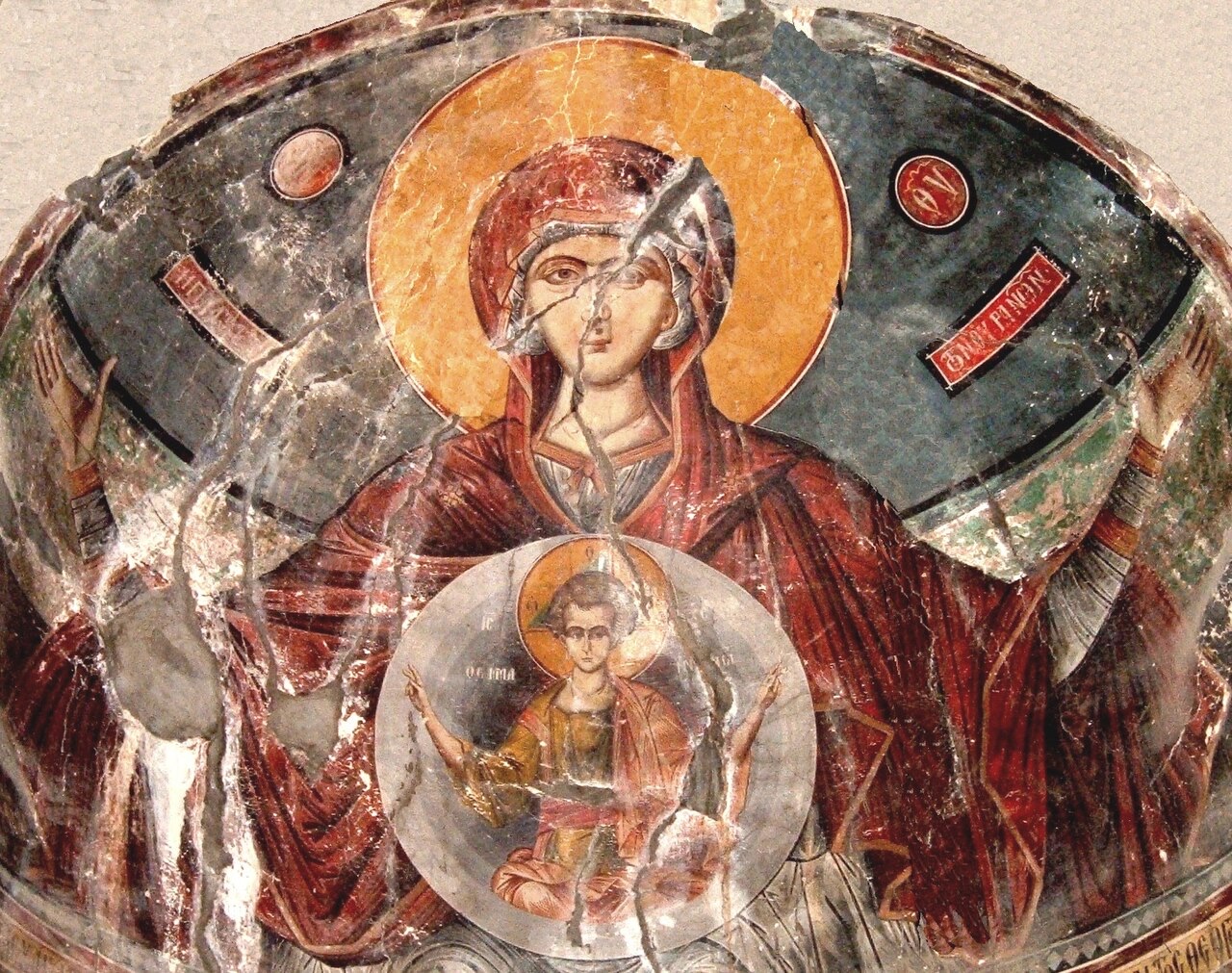
Onufri introduced greater realism and individuality into the rendering of facial expressions in icons, departing from the strict stylistic conventions that governed Orthodox painting of his time. His work is characterised by an intense use of colour and the use of natural dyes.
He was the first painter recorded as introducing the colour pink into icon painting. The precise method or formula behind this colour was not transmitted to any successor and is considered to have died with him. His painting has also been noted as evidence for red as a traditional Albanian colour.
Onufri's works combine post-Byzantine and Gothic elements in a manner described as ecclesiastically integrated rather than simply eclectic. This synthesis reflected both his Orthodox training and his exposure to western European artistic traditions during his time in Venice.
While western influences are present, scholars characterise them as limited in number and attribute them primarily to his contact with the Cretan School rather than to a thoroughgoing adoption of Renaissance pictorial conventions. The overall result was an approach that retained its Orthodox doctrinal framework while incorporating formal innovations from outside that tradition.
Onufri founded a school of painting in Berat that continued after his death and shaped the development of Albanian religious art into subsequent centuries. He passed the school directly to his son Nikolla, ensuring continuity within the family.
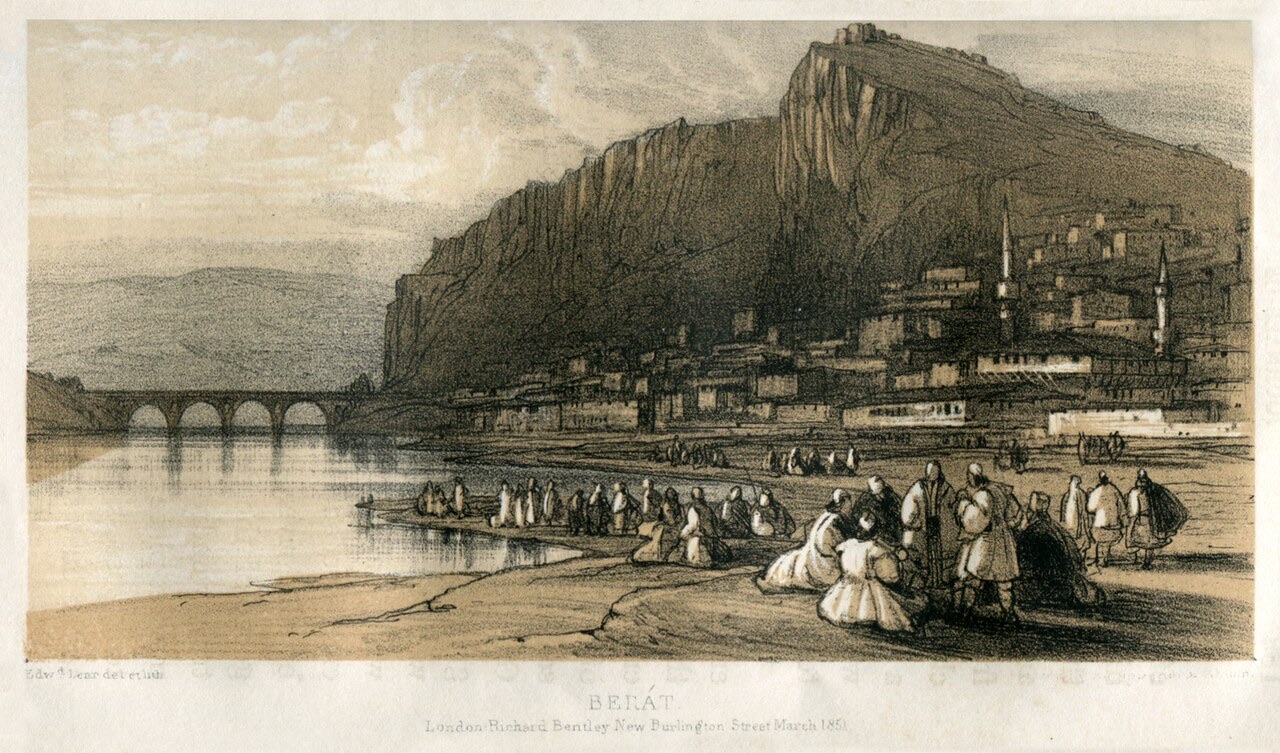
Following Nikolla's death, leadership of the school passed to Onouphrios Cypriotes, also known as Onufri Cypriota, and to Kostandin Shpataraku. The school's influence extended through these successors and contributed to the trajectory of Albanian art through to the nineteenth century.
The Onufri Iconographic Museum is an Albanian national museum located in Berat and named after the painter. It stands as the principal institutional commemoration of his legacy within Albania.
The museum's existence reflects both the significance attached to Onufri's work within Albanian cultural memory and the broader importance of Berat as the city most closely associated with his career. The museum has an official website accessible to the public.
城市 · Berat
The 'city of a thousand windows': an Ottoman hill town under a still-inhabited castle, UNESCO-listed since 2008.
历史遗址 · Berat
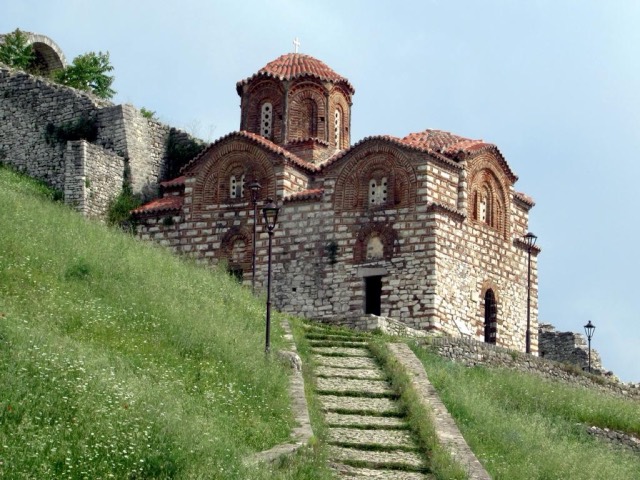
A fortress people still live inside, holding some twenty churches and the Onufri icon museum.
主题
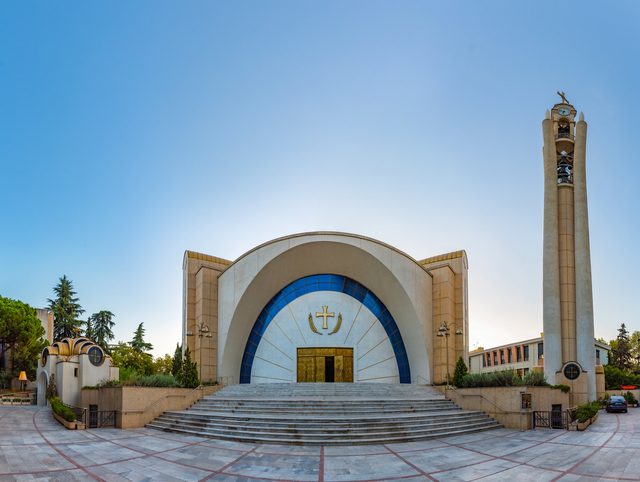
An autocephalous church since 1937, rebuilt almost from nothing after 1991.
本页内容有误? 欢迎提交更正意见,所有意见均会与原始记录核对。请告知错误所在,如能提供正确数据的出处,请一并注明。