Tarihi alan · Tiranë
Albania's Bunkers
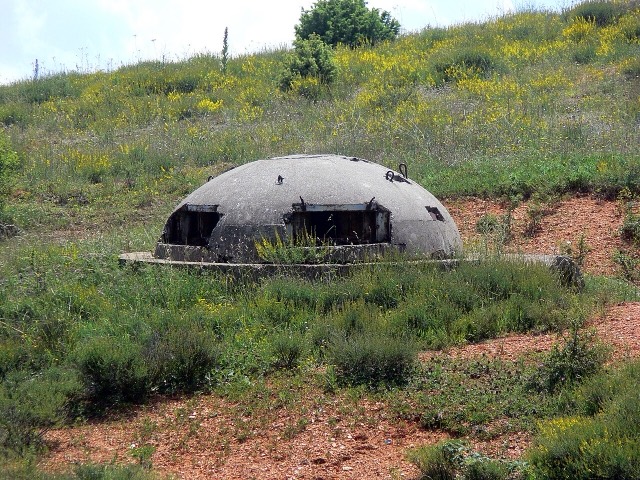
Roughly 170,000 concrete pillboxes built under Enver Hoxha — the most visible physical legacy of the communist state.
Her il, her kıyı, her yüzyıl
Rehberli görünüm
Arnavutluk'a yeni misiniz? Her sayfa, ayrıntılara geçmeden önce on yaşında bir çocuğa okuyabileceğiniz sade bir açıklamayla başlar.
Uzman görünümü
Temel bilgileri zaten biliyorsunuz. Sade açıklamalar gizli, doğrudan özüne geçin. Bu varsayılan ayardır.
Açıklayıcı
About 170,000 concrete domes, built by a state that had fallen out with every possible ally.
Kaydet
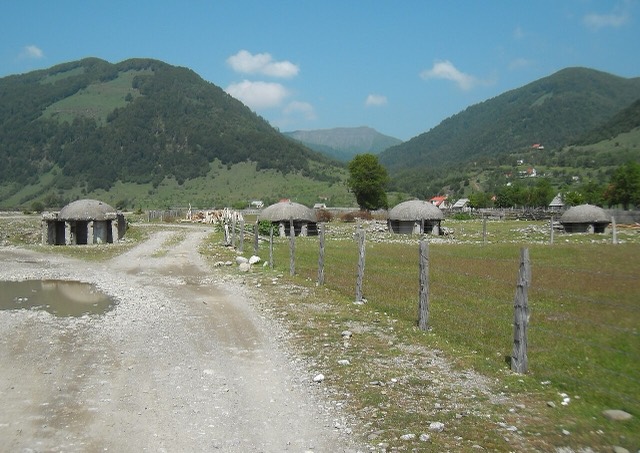
Albania has tens of thousands of small concrete bunkers in fields, gardens and beaches. They were built between the 1960s and 1980s because the country's leader believed Albania would be invaded. No invasion came.
Albania has tens of thousands of small concrete bunkers in fields, gardens and beaches. They were built between the 1960s and 1980s because the country's leader believed Albania would be invaded. No invasion came.
By the late 1960s communist Albania had broken with Yugoslavia (1948), the Soviet Union (1961) and was heading towards a break with China (1978). Enver Hoxha's government concluded that Albania could be attacked by any of them, or by NATO, and that defence had to be total and territorial.
The answer was 'bunkerisation': a programme of small concrete firing positions distributed across the entire country so that any invader would face resistance everywhere.
Each break left Albania more alone. The split with Tito's Yugoslavia came in 1948, when Stalin expelled Yugoslavia from the Cominform and Hoxha sided with Moscow. The break with the Soviet Union followed in 1961, after Khrushchev denounced Stalin; the Soviets lost their submarine base at Pashaliman near Vlorë, and Albania turned to Mao's China.
When Warsaw Pact troops crushed the Prague Spring in 1968, Albania formally withdrew from the pact, convinced it could be next. The bunker programme gathered pace through the 1970s and into the early 1980s, and after China ended its aid in 1978 Albania was left with no ally at all, pursuing a doctrine of complete self-reliance.
The standard small bunker is usually credited to the engineer Josif Zagali; the story told in Albania is that he was made to stand inside the prototype while it was shelled to prove it would hold. The larger command bunkers, including the two in Tirana that are now museums, were built for the leadership and the army.
The figure most often cited is about 173,000. The true number is disputed and no fully reliable count exists. What is not disputed is the cost: the programme consumed enormous quantities of concrete and steel in a country that was short of both, at the expense of housing and infrastructure.
Most are still there — too solid and too numerous to remove economically. Some have been converted into cafés, storage, animal shelters and, in two cases, into the Bunk'Art museums in Tirana. Others sit on beaches and in fields exactly as they were left.
They have become the most recognisable physical symbol of the communist period, which is a kind of irony given they were built to be invisible.
Tarihi alan · Tiranë
Roughly 170,000 concrete pillboxes built under Enver Hoxha — the most visible physical legacy of the communist state.
Tarihsel dönem
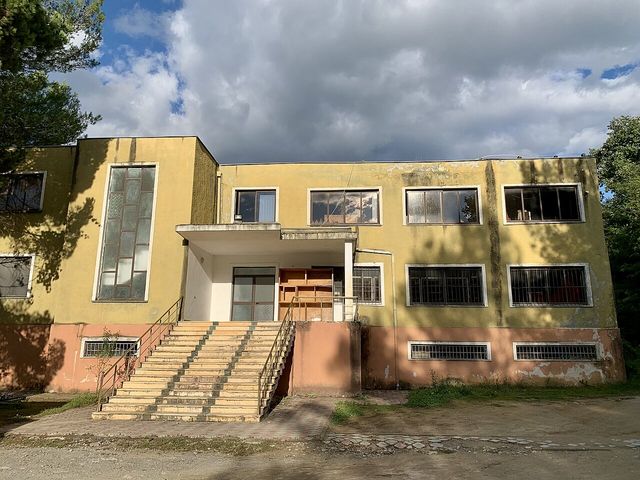
Forty-six years under Enver Hoxha and his successor: total collectivisation, the banning of religion, successive breaks with…
Kişi
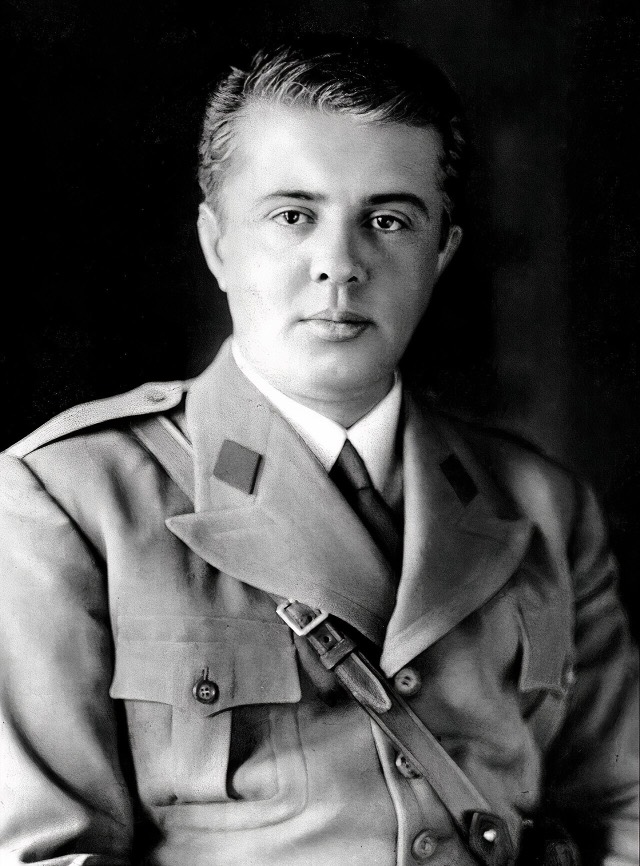
The leader who took Albania out of the Soviet bloc, then out of the Chinese one, and banned religion outright.
Tarihi alan · Tiranë
A five-storey anti-nuclear bunker built for the communist leadership, opened to the public in 2014.
Bu sayfada bir hata mı var? Düzeltmeler memnuniyetle karşılanır ve kaynak kayıtla karşılaştırılarak kontrol edilir. Neyin yanlış olduğunu ve mümkünse doğru rakamın kaynağını bize bildirin.