Di tích lịch sử
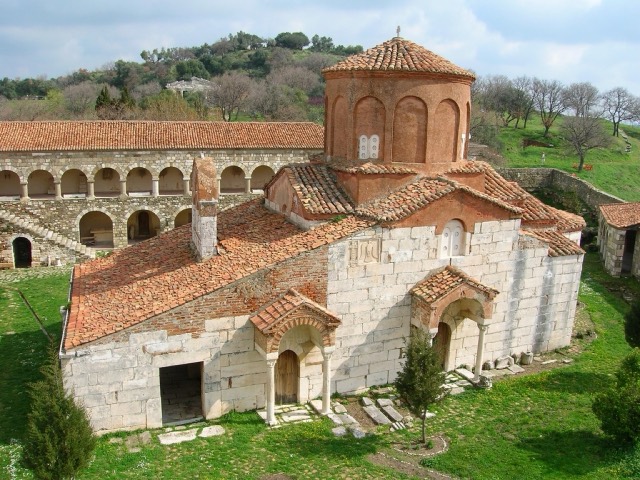
Apollonia
A Corinthian colony that became a Roman university town — Octavian was studying here when Caesar was killed.
🧭 Chế độ hướng dẫn
Mới tìm hiểu về Albania? Mỗi trang mở đầu bằng một giải thích ngôn ngữ đơn giản mà bạn có thể đọc cho một đứa trẻ mười tuổi, trước khi đi vào chi tiết.
⚡ Chế độ chuyên gia
Bạn đã nắm được những điều cơ bản. Đi thẳng vào nội dung, với các giải thích đơn giản được ẩn đi. Đây là chế độ mặc định.
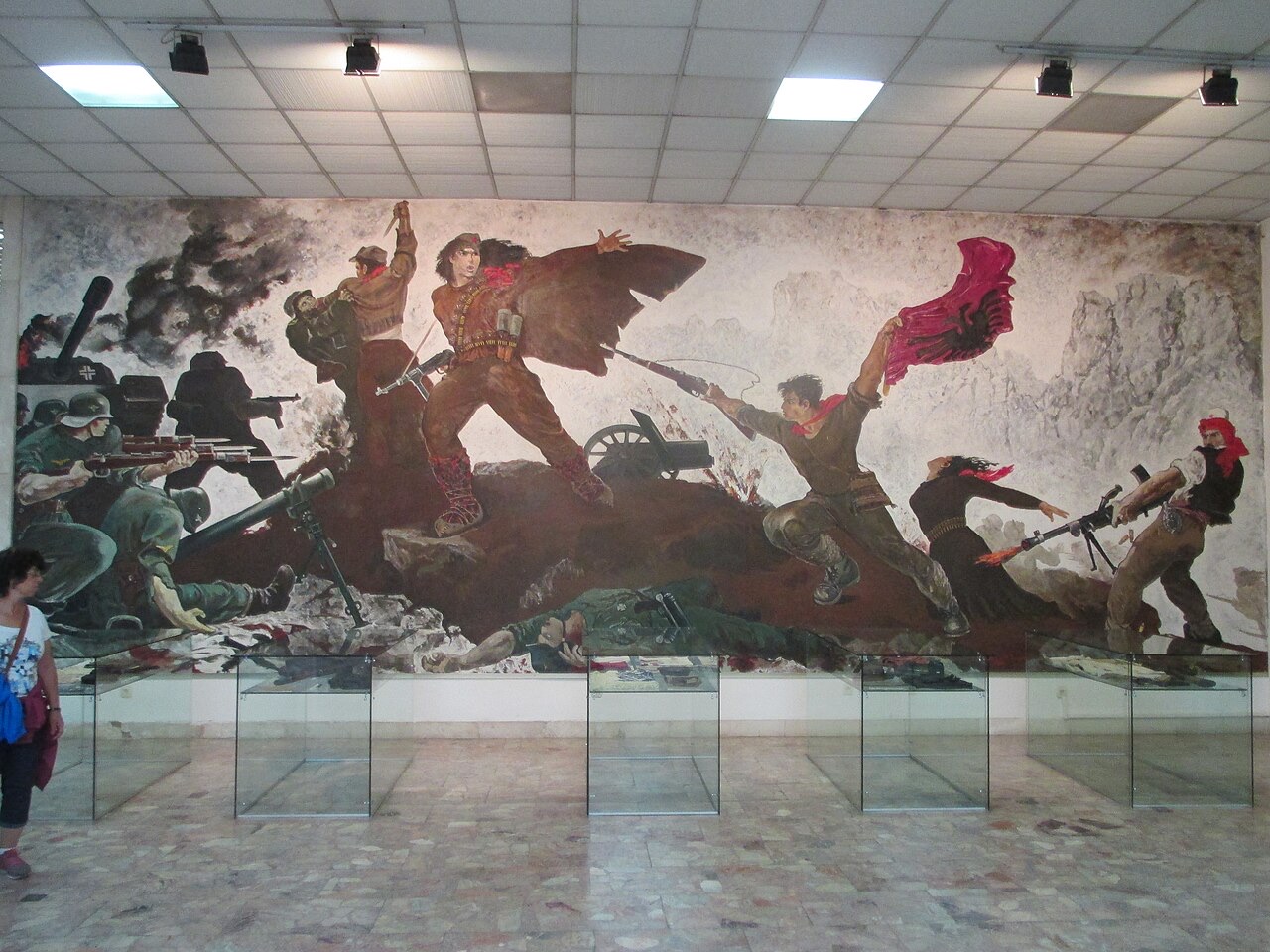
The mosaic on the National History Museum, Tirana · Avi1111 dr. avishai teicher · CC BY-SA 4.0 · Wikimedia Commons
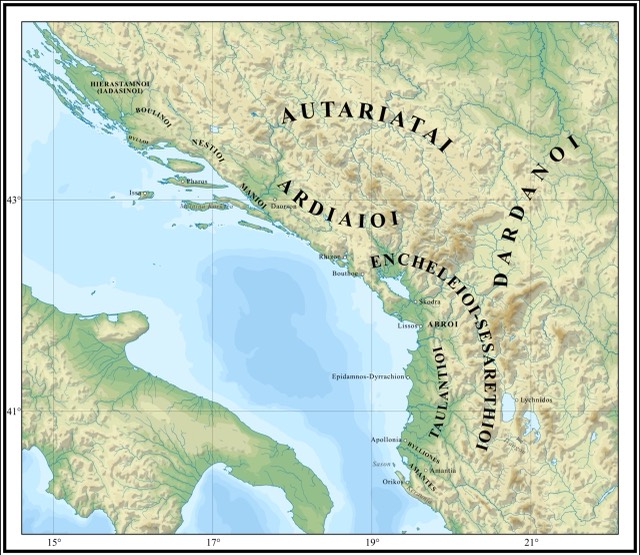
Three groups shaped ancient Albania: the Illyrians who lived here, the Greeks who built cities on the coast, and the Romans who took over and built the road east.
Three groups shaped ancient Albania: the Illyrians who lived here, the Greeks who built cities on the coast, and the Romans who took over and built the road east.
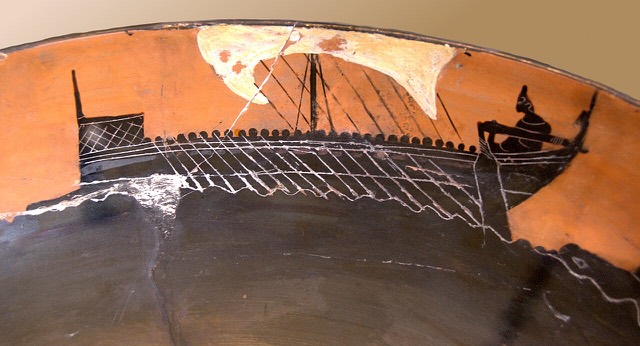
Groups of Indo-European-speaking peoples across the western Balkans from around 1100 BC. They had kingdoms, hill cities like Byllis and Amantia, and a maritime reputation that Rome described as piracy. Rome defeated King Gentius at Shkodra in 168 BC.
Whether modern Albanians descend from the Illyrians is a genuinely open scholarly question, widely asserted and not fully settled.
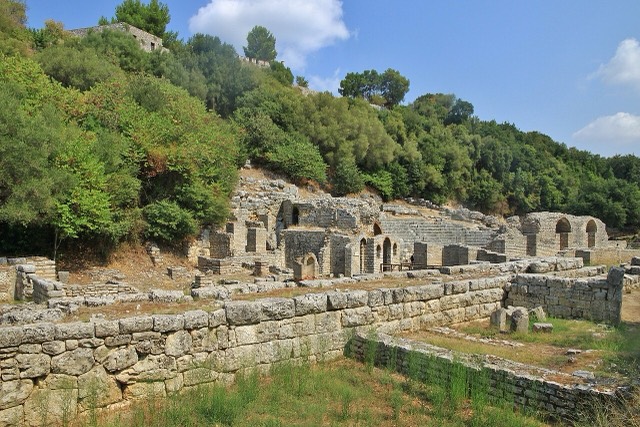
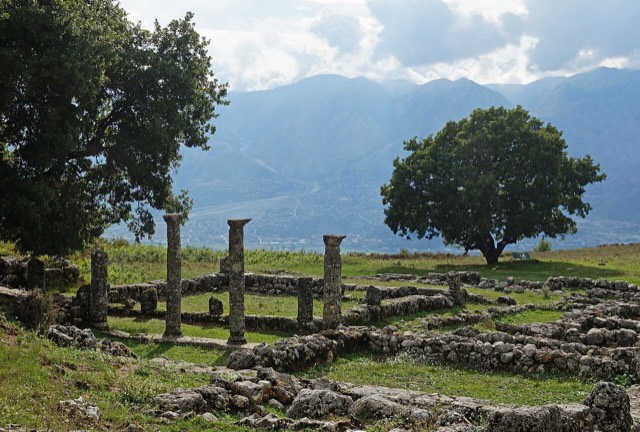
Corinth and Corcyra founded Epidamnos, now Durrës, in 627 BC, and Apollonia in 588 BC. These were substantial trading cities with theatres, temples and their own coinage. Butrint and Orikum were also Greek foundations.
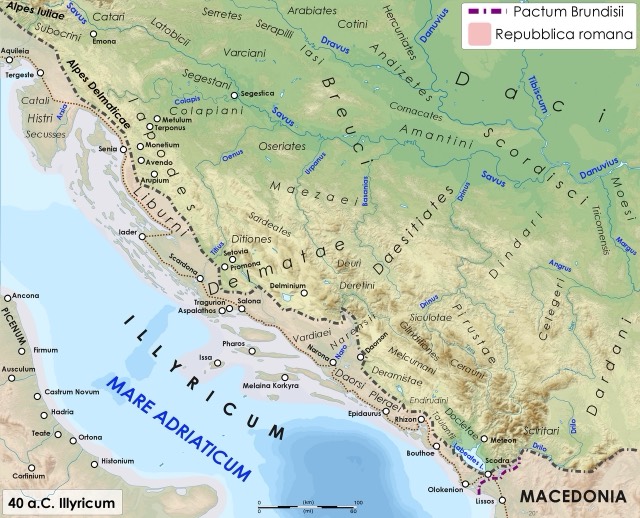
After 168 BC the region became Roman Illyricum. Rome's decisive contribution was the Via Egnatia, the road that began at Durrës and Apollonia and ran east to Byzantium, making this coast the gateway between Italy and the eastern empire for a thousand years.
The amphitheatre at Durrës, the largest in the Balkans, dates from this period.
Butrint, Apollonia, Byllis, Antigonea, Amantia and the Durrës amphitheatre — all covered in detail on their own pages in this Atlas.
Đây là các mối liên hệ thực sự trong Atlas — những địa điểm ở gần nơi này và các chủ đề mà nó thực sự thuộc về. Không có gì ở đây là gợi ý chung chung.
A Corinthian colony that became a Roman university town — Octavian was studying here when Caesar was killed.
A Greek, Roman, Byzantine, Venetian and Ottoman city layered on one wooded peninsula — Albania's first UNESCO site.
The Indo-European tribes of the western Balkans, and the ancestors most Albanians claim.
The Via Egnatia crossed here, making the coast Rome's gateway to Greece and the East.
Corinthian and Corcyraean foundations at Epidamnos, Apollonia and Orikum along the coast.
Butrint, Apollonia, Byllis, Antigonea and Amantia — five sites that cover 2,500 years between them.
Trang này chỉ dựa trên kho dữ liệu đã kiểm duyệt; chưa có nguồn bên ngoài nào được đính kèm.
Có thông tin sai trên trang này? Chúng tôi hoan nghênh các đề nghị đính chính và sẽ đối chiếu với hồ sơ nguồn. Hãy cho chúng tôi biết điều gì sai và, nếu có thể, nguồn số liệu chính xác là ở đâu.