历史时期
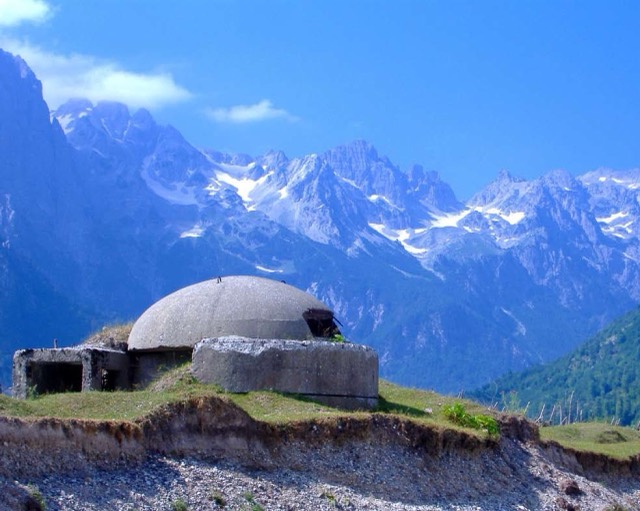
Modern Albania
NATO membership in 2009, EU candidate status in 2014, and tourism growing into a central industry.
🧭 引导视图
初次了解阿尔巴尼亚?每个页面均以通俗易懂的说明开篇——即便是十岁的孩子也能读懂——随后再展开详细内容。
⚡ 专业视图
您已掌握基础知识。直接进入正题,简明解释默认隐藏。此为默认模式。
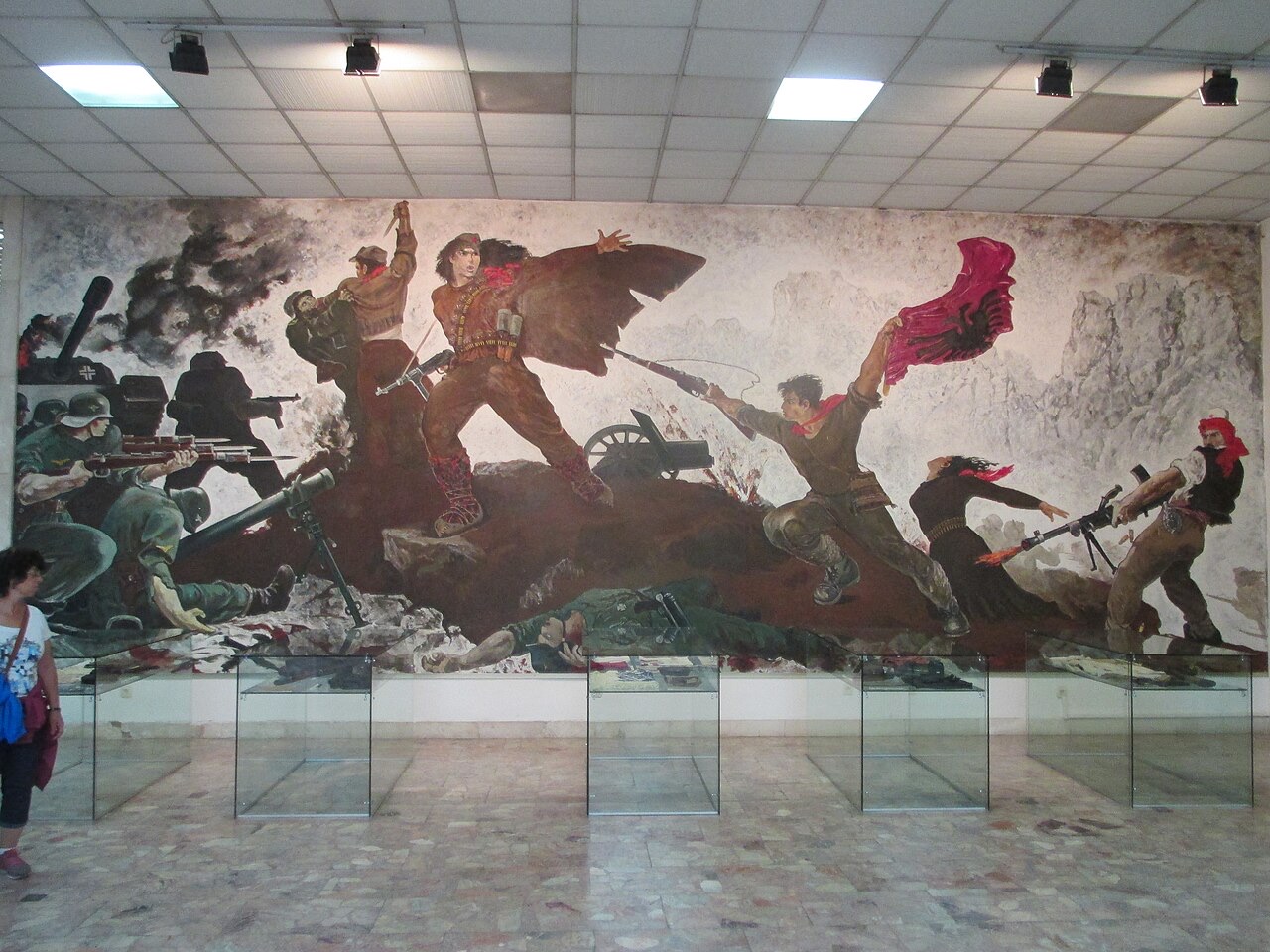
The mosaic on the National History Museum, Tirana · Avi1111 dr. avishai teicher · CC BY-SA 4.0 · Wikimedia Commons
About 2.4 million people live in Albania. That is a lot fewer than twenty years ago, because many people have moved abroad and families are having fewer children.
About 2.4 million people live in Albania. That is a lot fewer than twenty years ago, because many people have moved abroad and families are having fewer children.
Albania's 2023 census, conducted by INSTAT, recorded a resident population substantially lower than the 2011 census — a decline of a size unusual for a European country outside wartime. The drivers are emigration and a birth rate well below replacement.
The exact figures, with their definitions, are in the Data section of this Atlas with the period and source attached. Definitions matter here: 'resident population' excludes Albanians living abroad, who number in the millions.
The population has concentrated dramatically. Tirana County has grown while almost every other county has shrunk, and the mountain counties — Kukës, Dibër, Gjirokastër — have lost the largest shares. Internal migration from the highlands to Tirana and the coastal plain began immediately after 1991 and has not stopped.
Large Albanian communities live in Italy, Greece, Germany, Switzerland, the United Kingdom and the United States, alongside the much older Arbëresh communities of southern Italy. Estimates of the total vary enormously depending on whether they count citizens, people of Albanian descent, or Albanian speakers including Kosovo and North Macedonia.
Money sent home by this diaspora is a significant share of national income.
Albanian population statistics attract dispute — over the census methodology, over the counting of people who spend part of the year abroad, and over questions on ethnicity and religion. Any single percentage quoted without its source and definition should be treated with caution, including on questions of religious affiliation.
以下均为本 Atlas 中真实存在的关联关系——与本地点邻近的地点,以及本条目实际所属的主题类别。本栏目不包含任何通用推荐内容。
NATO membership in 2009, EU candidate status in 2014, and tourism growing into a central industry.
More Albanians may live outside the country than in it — chiefly in Italy, Greece, Germany, Switzerland, the UK and…
Money sent home by Albanians abroad — a large and stabilising share of national income.
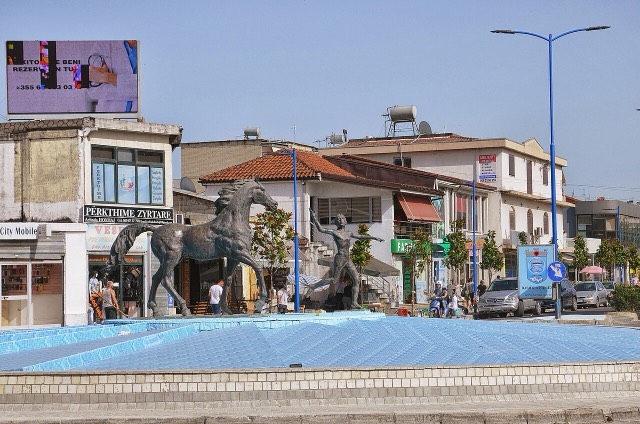
A city on Tirana's northern edge that grew almost entirely from internal migration after 1991.
Population, GDP, inflation, wages, tourism, trade and energy — each with its observation period, its producer and a…
本页内容仅依据精选数据库整理,暂未关联任何外部来源。
本页内容有误? 欢迎提交更正意见,所有意见均会与原始记录核对。请告知错误所在,如能提供正确数据的出处,请一并注明。