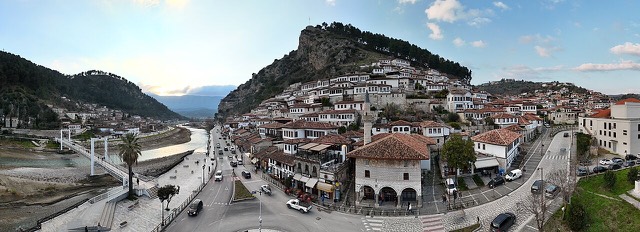
Cidade · Berat
Berat
The 'city of a thousand windows': an Ottoman hill town under a still-inhabited castle, UNESCO-listed since 2008.
Cada condado, cada costa, cada século
Vista guiada
Novo na Albânia? Cada página começa com uma explicação em linguagem simples, acessível a uma criança de dez anos, antes de entrar em pormenor.
Vista para especialistas
Já conhece o essencial. Direto ao conteúdo, com as explicações simples ocultadas. Esta é a vista predefinida.
Explicador
Four inscriptions: Butrint, the historic centres of Berat and Gjirokastra, the Ohrid region, and the primeval beech forests.
Guardar
UNESCO protects places that matter to the whole world. Albania has four of them: the ancient city of Butrint, the old towns of Berat and Gjirokastër, the Albanian part of the Lake Ohrid region, and some very old beech forests.
UNESCO protects places that matter to the whole world. Albania has four of them: the ancient city of Butrint, the old towns of Berat and Gjirokastër, the Albanian part of the Lake Ohrid region, and some very old beech forests.
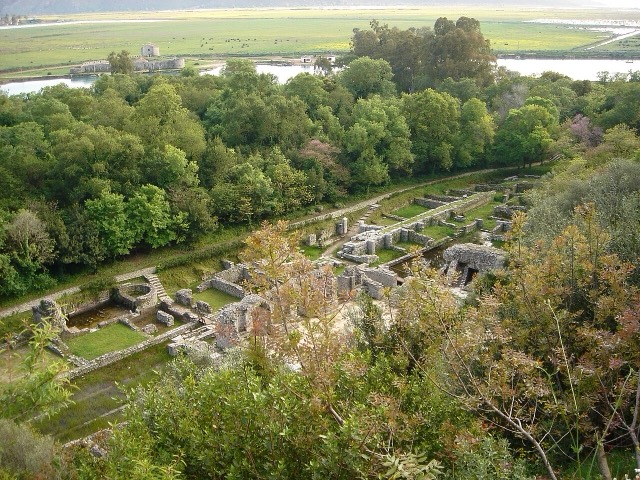
A city occupied from at least the 8th century BC to the 19th century AD, holding Greek, Roman, Byzantine, Venetian and Ottoman remains on one wooded peninsula. Extended in 1999.
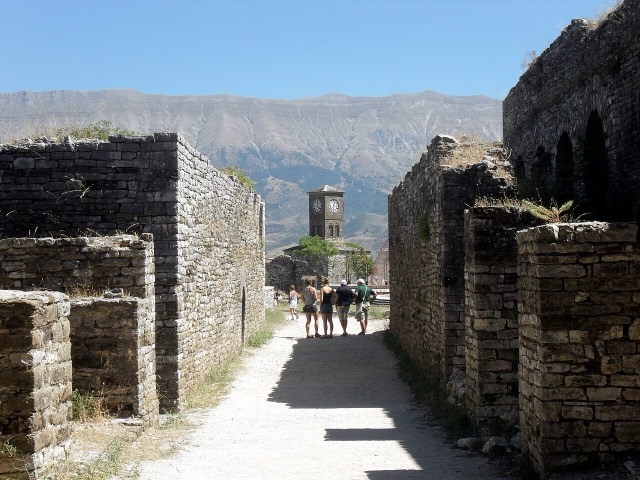
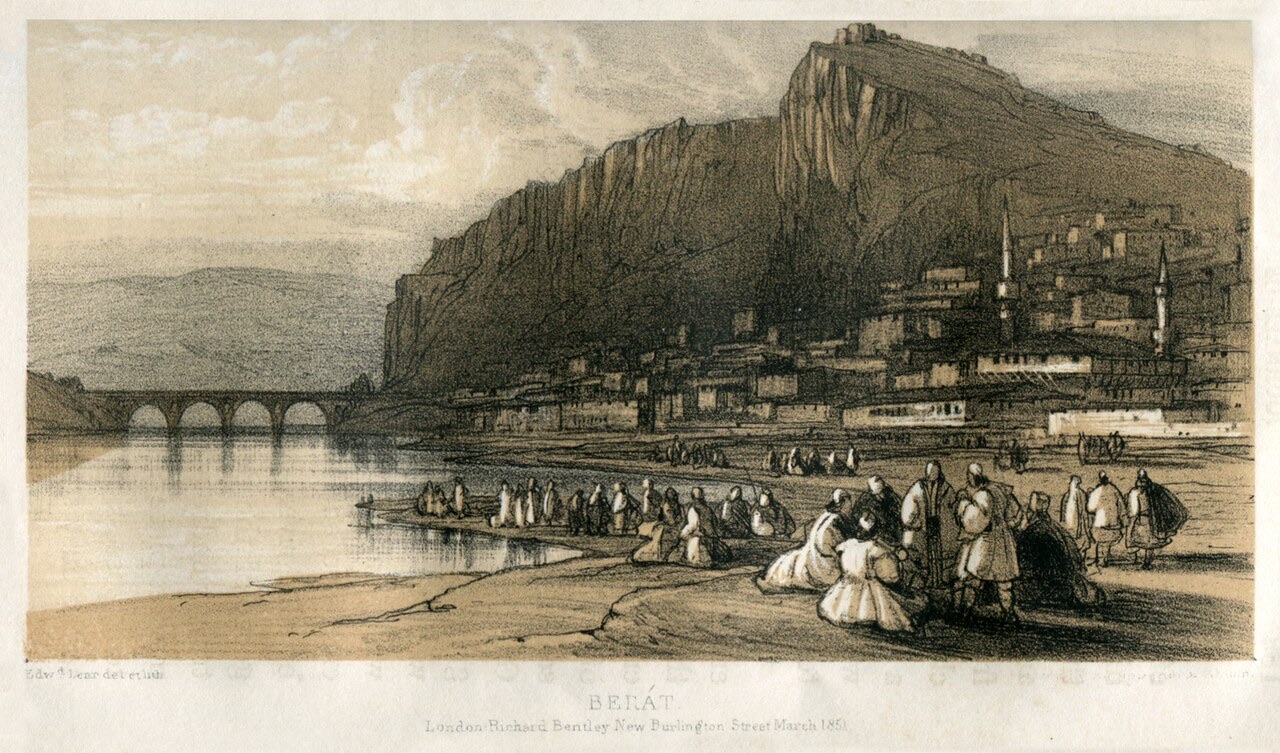
Gjirokastra was inscribed in 2005 and Berat added in 2008, as rare surviving examples of an Ottoman-era architectural type — the fortified tower-house town.
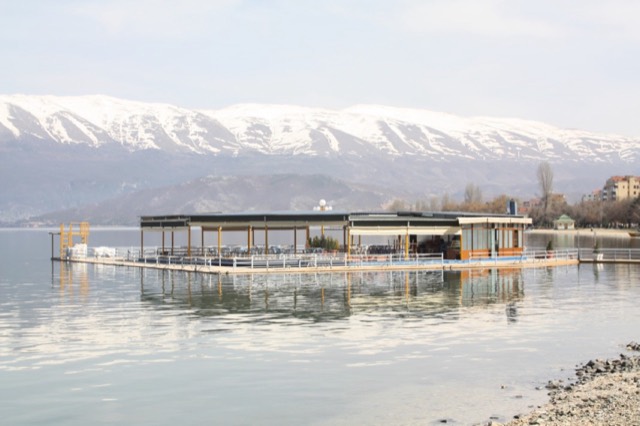
Lake Ohrid was inscribed for North Macedonia in 1979–80; the Albanian sector of the lake and its shoreline was added in 2019, making it a transboundary property.
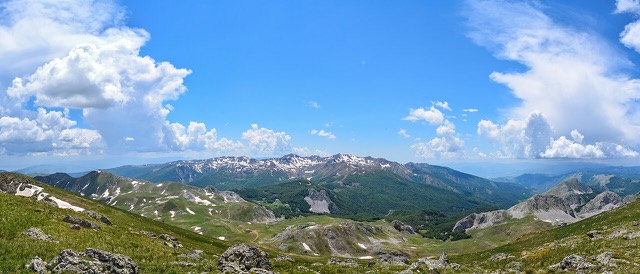
Albanian old-growth beech stands, including in Shebenik-Jabllanicë and Lurë, form part of an enormous serial transboundary site spanning eighteen countries.
Butrint was dug systematically from 1928 by an Italian mission led by Luigi Maria Ugolini, whose excavations uncovered the theatre, baptistery and city walls; work resumed after the war under Albanian archaeologists. The site was inscribed in 1992, as the country emerged from communism, but looting during the unrest of 1997 put it on UNESCO's List of World Heritage in Danger until 2005.
The old towns of Berat and Gjirokastër owe much to an unexpected protector. In 1961 the communist government declared both 'museum cities', which froze their historic quarters while new concrete districts were built beside them — Gjirokastër was also Enver Hoxha's birthplace. That protection is why their tower houses, mosques and churches survived intact into the era of tourism, and also why the pressure on them since the 1990s, from neglect and from new building, has been such a concern.
Albanian iso-polyphony was inscribed on UNESCO's Representative List of the Intangible Cultural Heritage of Humanity in 2005.
Cidade · Berat
The 'city of a thousand windows': an Ottoman hill town under a still-inhabited castle, UNESCO-listed since 2008.
Sítio histórico · Vlorë
A Greek, Roman, Byzantine, Venetian and Ottoman city layered on one wooded peninsula — Albania's first UNESCO site.
Cidade · Gjirokastër
The 'stone city': slate-roofed tower houses on a steep slope beneath one of the Balkans' largest castles.
Lago · Korçë
One of Europe's oldest and deepest lakes, UNESCO-listed and home to species found nowhere else.
Área protegida · Elbasan
Old-growth beech forest on the North Macedonian border, part of a UNESCO-listed primeval forest network.
Assunto
Multipart unaccompanied singing over a held drone, inscribed by UNESCO in 2005.
Algo errado nesta página? As correções são bem-vindas e verificadas em confronto com o registo de origem. Indique o que está errado e, se possível, de onde provém o valor correto.