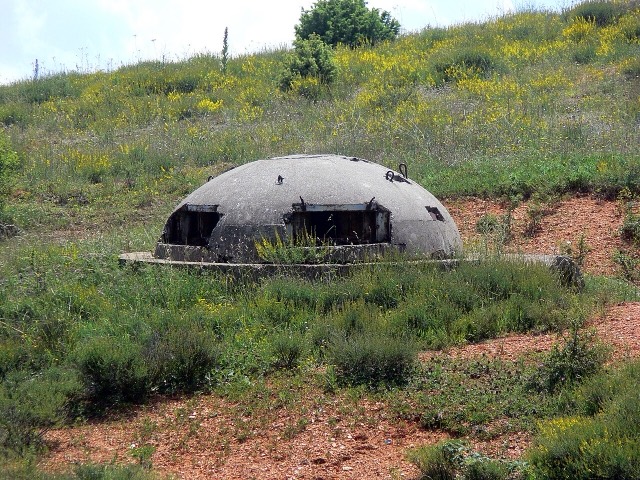
역사적 시기
Communist Albania
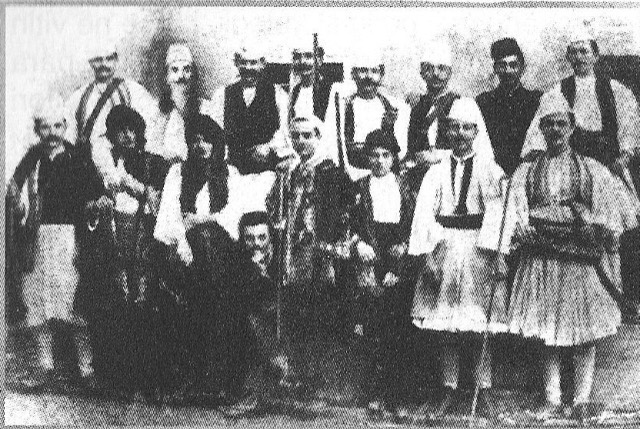
Forty-six years under Enver Hoxha and his successor: total collectivisation, the banning of religion, successive breaks with…
모든 주, 모든 해안, 모든 세기
안내 보기
알바니아가 처음이신가요? 모든 페이지는 세부 내용이 시작되기 전에, 열 살짜리 아이도 이해할 수 있는 평이한 설명으로 시작됩니다.
전문가 보기
기본 내용은 이미 알고 계신가요? 간단한 설명은 숨기고 핵심 내용만 바로 확인하세요. 이것이 기본 설정입니다.
해설
Four communities, centuries of coexistence, twenty-three years of total prohibition, and a census question nobody agrees about.
저장
Albania has Muslims, Bektashis, Orthodox Christians and Catholics. They have lived alongside each other for a very long time. From 1967 to 1990 the government banned all religion — the only country ever to do that.
Albania has Muslims, Bektashis, Orthodox Christians and Catholics. They have lived alongside each other for a very long time. From 1967 to 1990 the government banned all religion — the only country ever to do that.
Christianity reached the Albanian coast in Roman times; the church of Durrës traces itself to the apostles by tradition, and its bishops sat at the early church councils. Because the region sat on the line between Rome and Constantinople, the split of 1054 left it divided: the north looked to the Pope, the south to the Orthodox patriarch, a pattern that still holds.
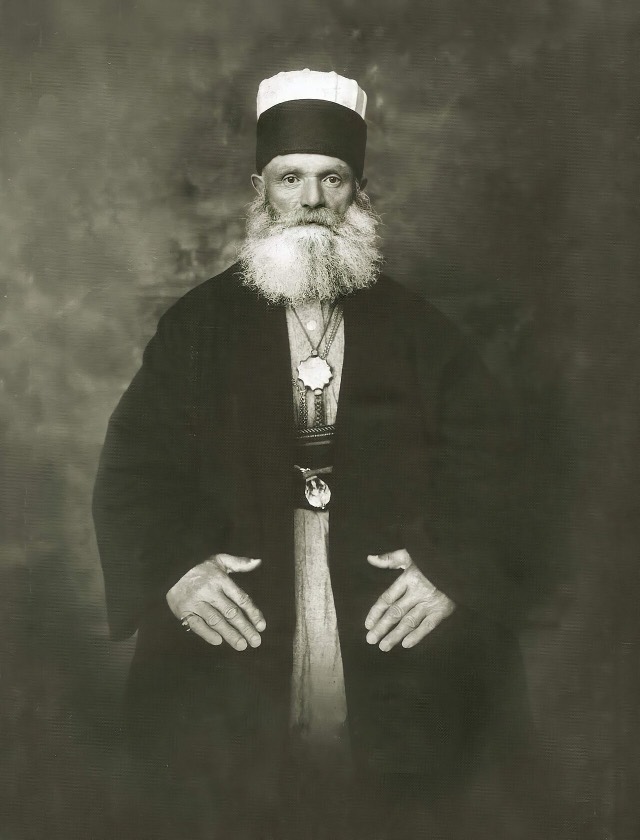
Islam arrived with the Ottomans in the 15th century and spread gradually rather than all at once, through the 16th to 18th centuries, helped by the tax advantages and careers open to Muslims. The Bektashi order, a Sufi brotherhood tied to the Janissaries, put down deep roots in the south; many leaders of the 19th-century national movement, such as the poet Naim Frashëri, were Bektashi, and the order moved its world headquarters to Tirana in 1925 after Atatürk banned the Sufi orders in Turkey.
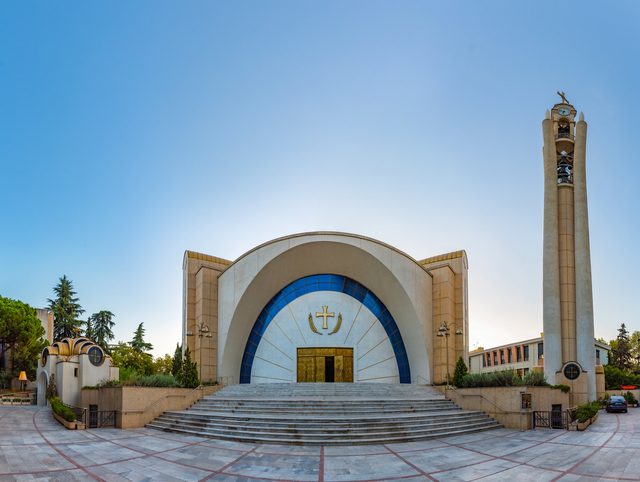
Independent Albania built national churches of its own: an Albanian Orthodox church was proclaimed at the Congress of Berat in 1922 and recognised as autocephalous by Constantinople in 1937. After the 1967 ban, the first public Mass was said in Shkodër in November 1990, worship was permitted again by the end of that year, and the communities have been rebuilding their clergy, buildings and schools ever since — the Orthodox church largely under Archbishop Anastasios, who led it from 1992 until 2025.
Albania's religious tolerance is frequently remarked on and is genuinely unusual, though it is sometimes overstated into a myth. What is well documented is a long history of mixed communities, intermarriage, and shared local shrines — and the wartime sheltering of Jewish refugees across all four communities.
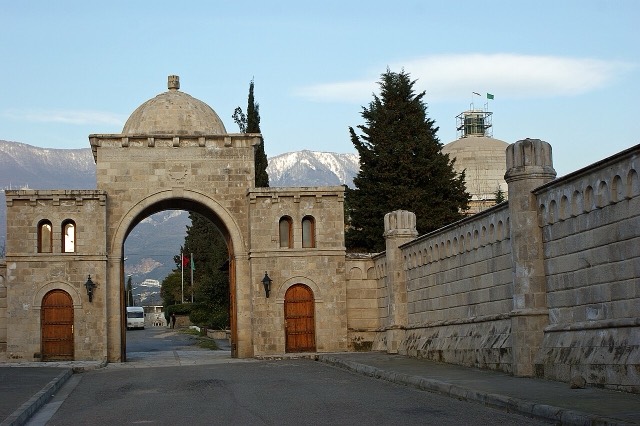
In 1967 the communist government declared Albania the world's first atheist state. Mosques and churches were closed, destroyed or converted; clergy were imprisoned or killed; religious names were discouraged and in some cases prohibited. The ban lasted until 1990.
The effect was durable. When religion became legal again, institutions had to be rebuilt from almost nothing, and levels of active practice remain lower than nominal affiliation would suggest.
Census figures on religion in Albania are contested by several of the communities themselves, on grounds ranging from methodology to non-response. Any single percentage should be treated as one estimate from one instrument, not as a settled fact. This Atlas states the source and the year whenever it gives one.
역사적 시기
Forty-six years under Enver Hoxha and his successor: total collectivisation, the banning of religion, successive breaks with…
제목
Four historic communities — Sunni, Bektashi, Orthodox and Catholic — and a state that banned all of them from 1967 to 1990.
제목
An autocephalous church since 1937, rebuilt almost from nothing after 1991.
제목
The customary obligation of keeping one's word — the principle behind Albania's wartime sheltering of Jewish refugees.
제목
A Sufi order whose world headquarters has been in Tirana since 1925, with a major shrine on Mount Tomorr.
이 페이지에 오류가 있습니까? 수정 제안을 환영하며, 출처 기록과 대조하여 검토합니다. 잘못된 내용과 가능하다면 올바른 수치의 출처를 알려 주십시오.