Città
Elbasan
A central industrial city inside an Ottoman fortress wall, on the old Via Egnatia.
🧭 Vista guidata
Non conosci l'Albania? Ogni pagina si apre con una spiegazione in linguaggio semplice, comprensibile anche a un bambino di dieci anni, prima di entrare nei dettagli.
⚡ Vista per esperti
Conosci già le basi. Direttamente alla sostanza, con le spiegazioni elementari nascoste. Questa è l'impostazione predefinita.
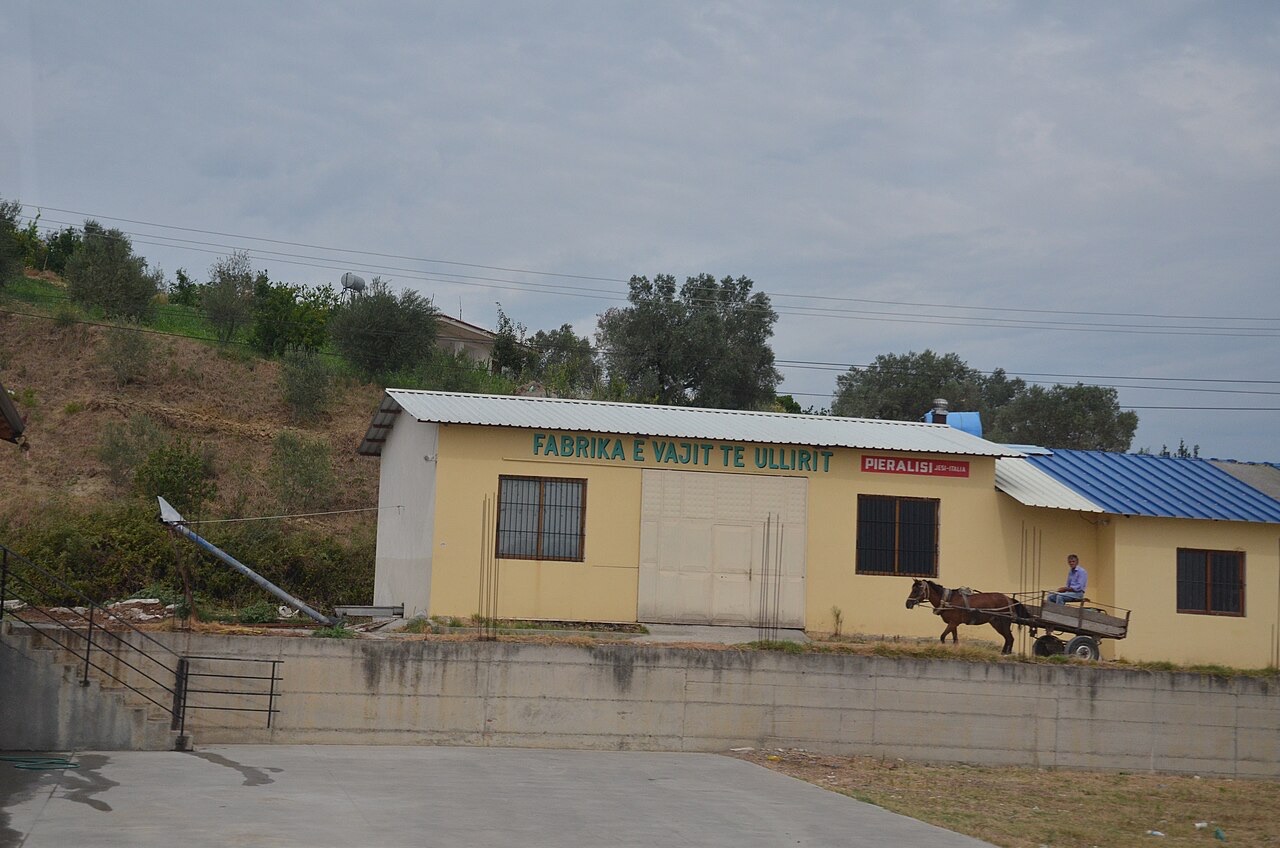
Many Albanian factories cut and sew clothes and shoes for Italian companies. The materials arrive, the work is done in Albania, and the finished goods go back. This is called the fason model, and it employs a lot of people, mostly women.
Many Albanian factories cut and sew clothes and shoes for Italian companies. The materials arrive, the work is done in Albania, and the finished goods go back. This is called the fason model, and it employs a lot of people, mostly women.
The Albanian term 'fason' refers to contract or cut-make-trim (CMT) manufacturing, primarily in textiles, clothing, and footwear, in which Albanian factories produce finished or semi-finished goods using materials, designs, and specifications supplied by foreign clients. The output is exported back to the commissioning company rather than sold domestically. This model requires relatively low capital investment from the Albanian side, since raw materials, patterns, and often machinery are provided externally, but it also means that value added within Albania is limited to labour.
Clothing and footwear together rank among Albania's primary industrial exports. The article text identifies clothing and chromium as the principal industrial export categories, placing textiles and footwear at the centre of the country's manufacturing export base. Footwear parts also appear among Albania's top import items, recorded at $86.2 million in 2014, which reflects the fason model: components enter the country for processing and the finished product leaves. Italy, the dominant destination for Albanian exports ($10.15 billion in 2014), is the principal client for fason production, consistent with the long-standing role of northern Italian fashion and footwear brands in sourcing CMT work from the Western Balkans.
The conditions that produced Albania's fason sector emerged directly from the collapse of the communist regime in 1990 and the economic disorientation that followed. Real GDP fell by more than 50 percent from its 1989 peak, and the government that took office in April 1992 launched a reform programme centred on price and exchange-rate liberalisation, privatisation, and the creation of legal frameworks for private enterprise. Small and medium-sized enterprises, including small industrial operations, were among the first assets privatised, providing an ownership base that foreign clients could contract with.
Albania's geographic position — separated from southern Italy by the Adriatic Sea, and sharing land borders with Greece — made it a practical low-cost production location for Italian and Greek manufacturers seeking to reduce labour costs while keeping supply chains short. The mass emigration of Albanians to Italy and Greece after 1990 created social networks that facilitated business contacts. By the mid-1990s, fason workshops producing garments and shoes had become one of the few functioning segments of the formal industrial economy.
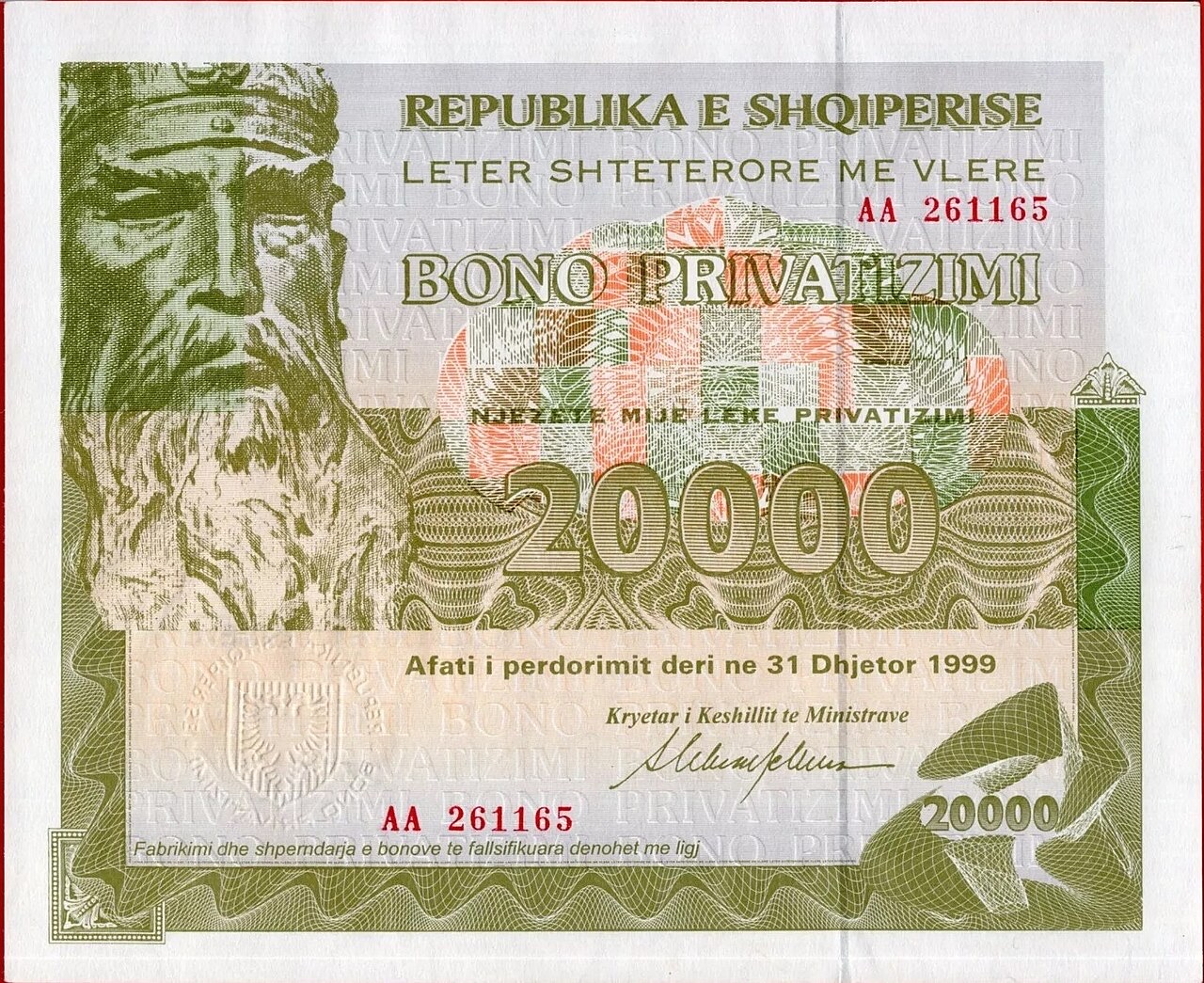
Industry as a whole accounts for 24.2 percent of Albania's economy, with services at 54.1 percent and agriculture at 21.7 percent. Within industry, the article identifies the strongest sub-sectors as energy, mining, metallurgy, agriculture-related processing, and tourism-linked construction. Textiles and footwear sit alongside food processing, lumber, cement, chemicals, and basic metals as contributors to the industrial base, but their export significance is disproportionate to their share of industrial output: clothing is listed as one of only two primary industrial exports, the other being chromium.
Albania's top export destinations in 2014 were Italy ($10.15 billion), Spain ($1,680 million), China ($1,300 million), Turkey ($920.8 million), and India ($880.5 million). The overwhelming dominance of Italy reflects the fason relationship: Italian firms account for the largest share of commissioning contracts. Import data for the same year show footwear parts at $86.2 million and tanned equine and bovine hides at $97.4 million among the top five import items, both consistent with leather footwear assembly under CMT arrangements.
Fason manufacturing is labour-intensive and its competitive basis rests on the gap between Albanian wages and those in Western Europe. Mean wages across the Albanian economy were recorded at $300.83 per month in 2009. Albania is described in the article as a low-income country by Western European standards, with GDP per capita lower than all EU member states; Eurostat recorded Albania's GDP per capita expressed in Purchasing Power Standards at 35 percent of the EU average in 2008.
Unemployment in 2018 stood at 12.4 percent, and the article notes that the informal sector makes up a portion of the economy, though its share is uncertain. Fason workshops have historically operated in both the formal and informal registers, partly explaining why precise employment figures for the sector are difficult to establish. The agricultural sector employs 47.8 percent of the population despite contributing only 18.9 percent of GDP, indicating that the industrial labour force — including fason workers — draws partly from rural populations seeking non-farm employment.
Italy is by a substantial margin Albania's largest trading partner on the export side ($10.15 billion in 2014) and its largest source of imports ($100.38 billion in 2014, though this figure as published appears anomalously high relative to other trade data in the article). Greece is the second-largest import partner. Both countries are also the primary destinations for Albanian emigrant workers, and the article notes that remittances — estimated at $600 million in 2014 and representing approximately 15 percent of GDP — come mostly from Albanians residing in Greece and Italy.
This dual relationship — emigrant labour supplying remittances while the domestic manufacturing base serves Italian and Greek brands through fason contracts — represents a structural integration between Albania and its two principal Western neighbours. The article notes that this remittance flow helps offset Albania's trade deficit, though the deficit itself is partly a product of fason dynamics, since raw materials and components imported for processing are recorded as imports while the value added in Albania is relatively small.
The competitiveness of any CMT sector depends on reliable transport links, stable energy supply, and functional customs and banking systems. The article identifies several persistent weaknesses. Road and rail infrastructure is described as poor, with a long-standing barrier to sustained economic growth. Albania's motorway network, comprising three major routes (A1, A2, A3), underwent extensive modernisation during the 2000s but was still partially under construction at the time of the article. When completed, the network is estimated to cover 759 kilometres.
Energy supply is a particular vulnerability. Albania's electricity production is entirely dependent on hydroelectric power — one of only two countries in the world with this characteristic, alongside Paraguay — making supply sensitive to hydrological conditions. Shortages caused by reliance on hydropower are specifically cited as contributors to a poor business environment and difficulties in attracting foreign investment, both of which affect the operating conditions of fason manufacturers. The completion of a thermal power plant near Vlorë and a 140 MW solar park at Karavasta (operational December 2023, operated by Voltalia SA) represent steps toward diversification, but the article describes the infrastructure deficit as a continuing structural problem.
The informal economy is acknowledged in the article as a significant component of Albanian economic activity, though its precise share is described as unclear due to its secretive nature. Fason manufacturing, particularly in smaller workshops, has historically operated partly outside formal registration and tax systems. The government's fiscal reform packages have aimed at reducing the grey economy and attracting foreign investment, but the article indicates these efforts remain incomplete.
The broader governance environment adds structural risk for the sector. The article records concerns from international assessments about money laundering, organised crime, and corruption, particularly in construction and real estate, but also notes high levels of economic informality across sectors. The United States Department of State's 2025 International Narcotics Control Strategy Report identified real estate, construction, virtual assets, and business development as channels for laundering criminal proceeds. While textiles and footwear are not specifically named in the money-laundering literature cited in the article, the general environment of weak regulatory enforcement and informality creates compliance risks for international brands sourcing from Albanian manufacturers.
The fason model generates employment and export revenue but captures a narrow slice of the value chain. Because materials, designs, branding, and distribution are controlled by foreign clients, Albanian manufacturers receive only the processing margin. The article does not provide disaggregated data on fason-specific value added, but the general pattern is consistent with the broader economic picture: Albania's GDP per capita remained at 35 percent of the EU average as measured by Purchasing Power Standards in 2008, and the economy relies heavily on remittances (approximately 15 percent of GDP) to supplement domestic income.
The article identifies limited administrative capacity, unclear property rights, untested investment and contract laws, and inadequate infrastructure as structural constraints on economic upgrading across all sectors. For fason manufacturers, these conditions make it difficult to move up the value chain — for instance, by developing domestic brands, investing in design capability, or securing working capital to source their own materials. International Monetary Fund recommendations cited in the article include strengthening tax administration, broadening the tax base, reducing non-performing loans, and improving the business climate, all of which would, if implemented, affect the operating environment for textile and footwear producers.
Si tratta di relazioni reali all'interno dell'Atlante — luoghi vicini a questo e argomenti a cui appartiene genuinamente. Niente qui è una raccomandazione generica.
A central industrial city inside an Ottoman fortress wall, on the old Via Egnatia.
An upper-middle-income economy of roughly $30 billion, led by services and tourism, with remittances and construction…
Italy is by a wide margin the largest partner; exports are led by textiles, minerals, oil and agri-food.
Le sezioni contrassegnate con «approfondimento» sono state redatte per questo Atlante a partire dall'articolo fonte indicato di seguito, letto integralmente (31,865 caratteri). Si tratta di ricerche assistite dall'intelligenza artificiale su quel documento, verificate rispetto ai dati curati presenti in questa pagina. Verificare qualsiasi elemento consequenziale presso una fonte primaria.
Hai notato un errore in questa pagina? Le correzioni sono benvenute e vengono verificate rispetto al record di fonte. Indica cosa è sbagliato e, se possibile, da dove proviene il dato corretto.