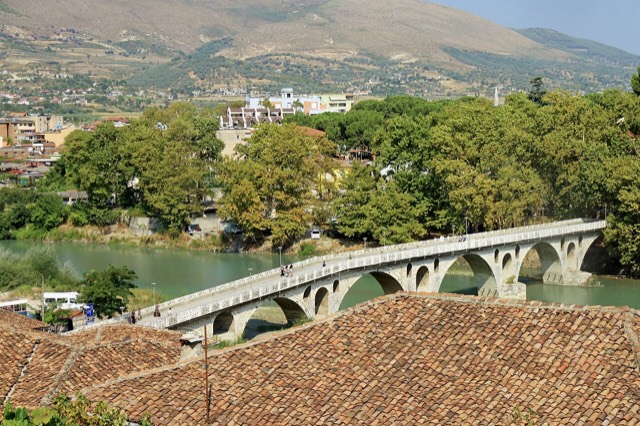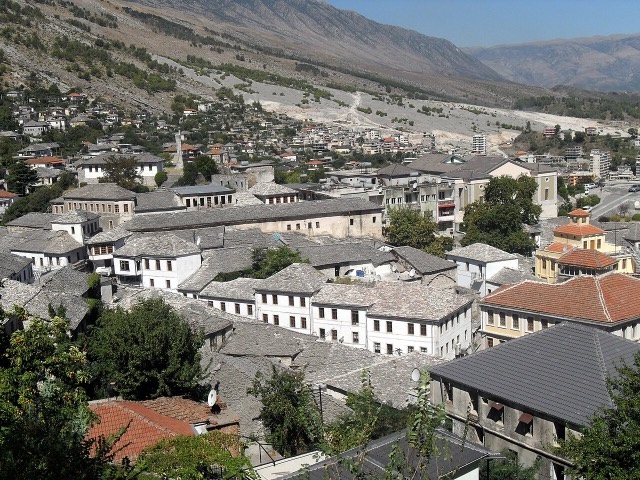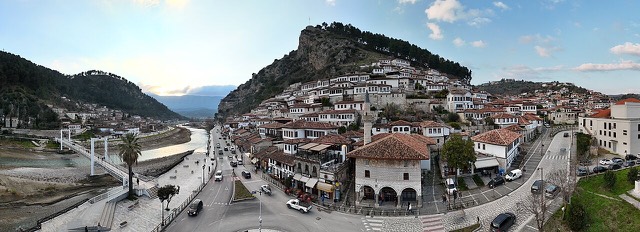
Città · Berat
Berat
The 'city of a thousand windows': an Ottoman hill town under a still-inhabited castle, UNESCO-listed since 2008.
Ogni contea, ogni costa, ogni secolo
Vista guidata
Non conosci l'Albania? Ogni pagina si apre con una spiegazione in linguaggio semplice, comprensibile anche a un bambino di dieci anni, prima di entrare nei dettagli.
Vista per esperti
Conosci già le basi. Direttamente alla sostanza, con le spiegazioni elementari nascoste. Questa è l'impostazione predefinita.
Guida
Two stone cities, the country's best archaeology, a wild river, and the Riviera behind it.
Salva
Southern Albania has the two UNESCO towns, Berat and Gjirokastër, the ancient city of Butrint, the Vjosa river, and the whole of the Riviera coast.
Southern Albania has the two UNESCO towns, Berat and Gjirokastër, the ancient city of Butrint, the Vjosa river, and the whole of the Riviera coast.
The south holds both of Albania's UNESCO-listed towns, its most important archaeological sites, its warmest and longest beach season, and its wild river. It is also easier to travel in: the roads are better and the distances between attractions are shorter.
They are often treated as interchangeable and are not. Berat is white, horizontal, and built around a river; its castle is still inhabited. Gjirokastër is grey, vertical, and built of stone and slate; its castle is a fortress rather than a neighbourhood. If you can only do one, the comparison page sets out the trade-off.
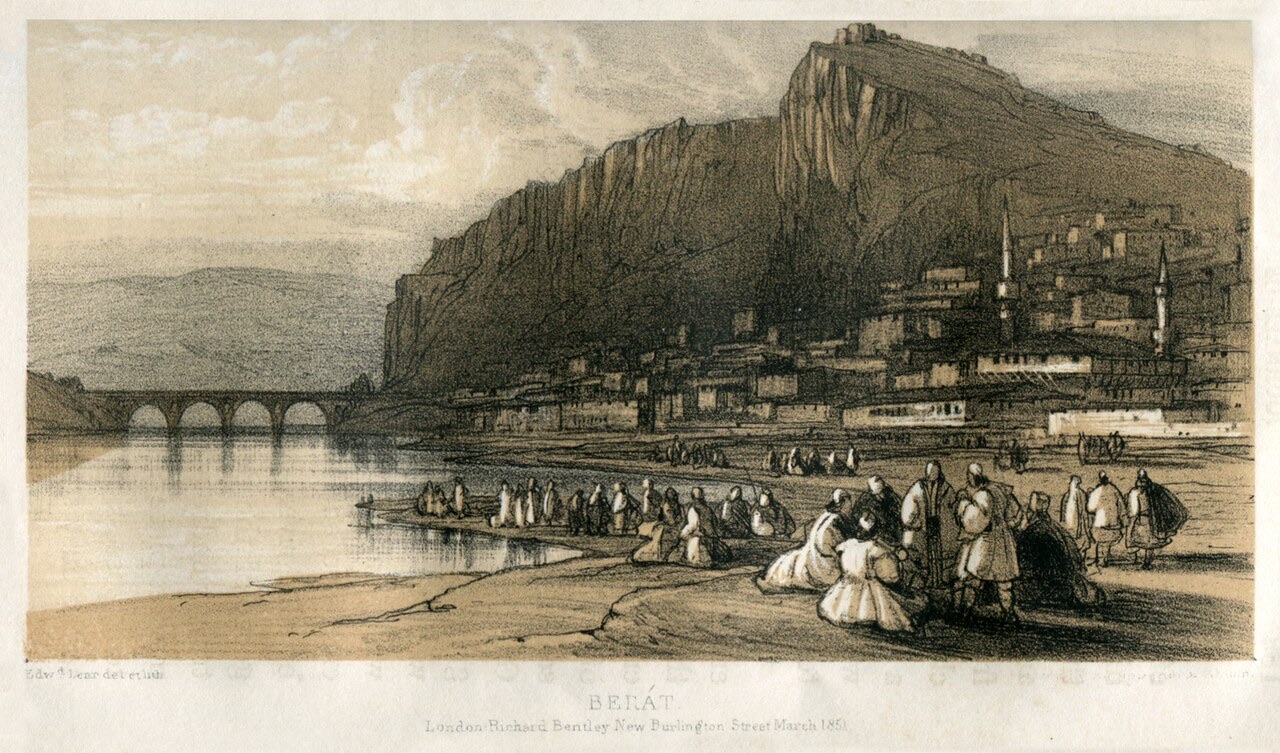
The Vjosa runs about 190 km through Albania without a dam on its main channel, which makes it one of the last large free-flowing rivers in Europe. It was declared a wild river national park in March 2023. Përmet and Këlcyrë are the usual bases.
Città · Berat
The 'city of a thousand windows': an Ottoman hill town under a still-inhabited castle, UNESCO-listed since 2008.
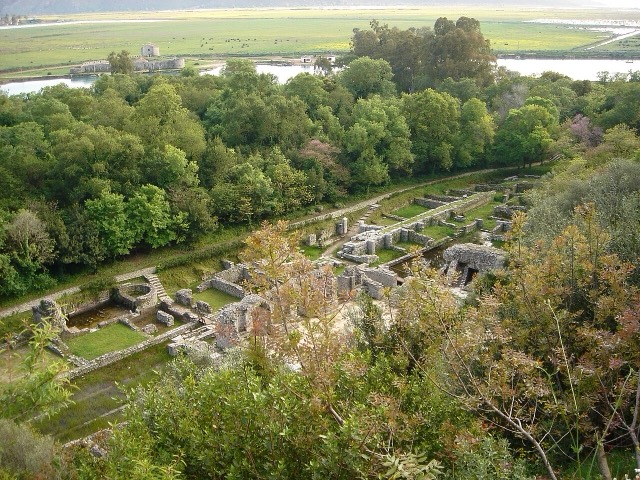
Sito storico · Vlorë
A Greek, Roman, Byzantine, Venetian and Ottoman city layered on one wooded peninsula — Albania's first UNESCO site.
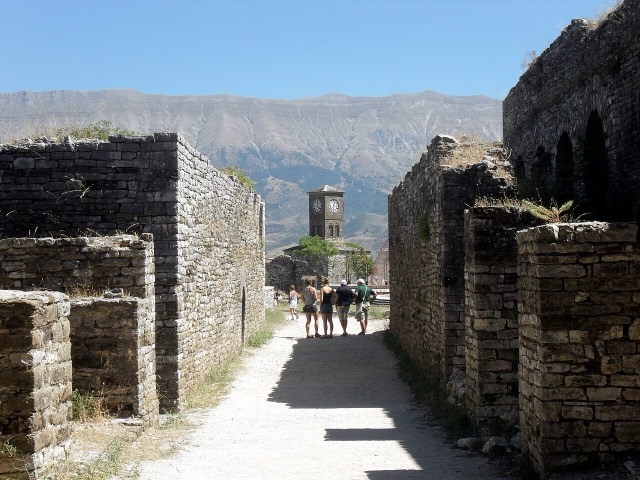
Città · Gjirokastër
The 'stone city': slate-roofed tower houses on a steep slope beneath one of the Balkans' largest castles.
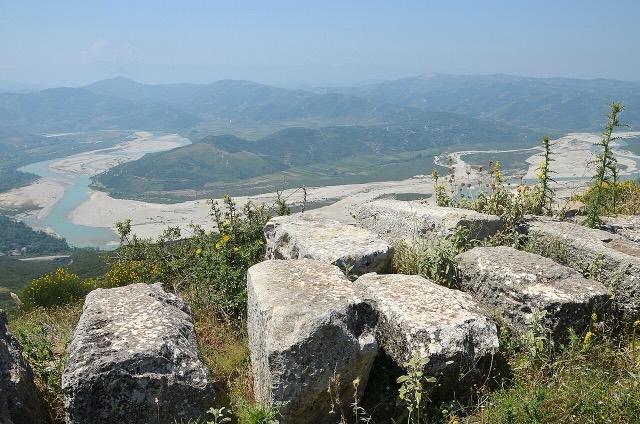
Fiume · Gjirokastër
One of the last large free-flowing rivers in Europe, declared a Wild River National Park in March 2023.
Guida
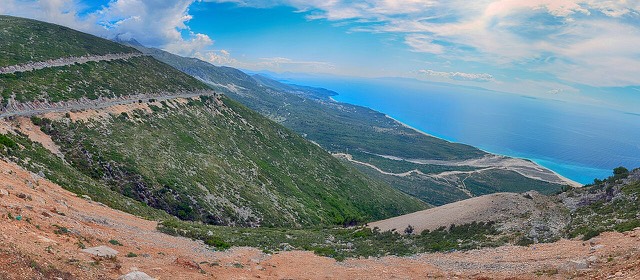
One road, roughly 120 km, and about twenty places to stop. What each of them is actually like.
Confronto
Mountains and a short season against coast, archaeology and a long one.
Confronto
Both are UNESCO-listed Ottoman towns and they look nothing like each other.
Hai notato un errore in questa pagina? Le correzioni sono benvenute e vengono verificate rispetto al record di fonte. Indica cosa è sbagliato e, se possibile, da dove proviene il dato corretto.