Đường bộ · Durrës
Albanian Railways
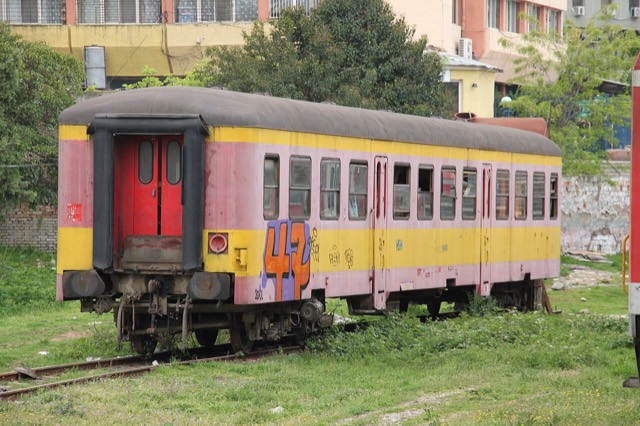
A narrow, largely dormant network built after 1947; a rebuilt Durrës–Tirana line is the main active project.
Mọi hạt, mọi bờ biển, mọi thế kỷ
Chế độ hướng dẫn
Mới tìm hiểu về Albania? Mỗi trang mở đầu bằng một giải thích ngôn ngữ đơn giản mà bạn có thể đọc cho một đứa trẻ mười tuổi, trước khi đi vào chi tiết.
Chế độ chuyên gia
Bạn đã nắm được những điều cơ bản. Đi thẳng vào nội dung, với các giải thích đơn giản được ẩn đi. Đây là chế độ mặc định.
Hướng dẫn
Furgons, intercity buses, a near-dormant railway, and why most visitors end up hiring a car.
Lưu
Albania has buses and shared minibuses called furgons. There is almost no useful train service. Most visitors hire a car because it is much faster and reaches places buses do not.
Albania has buses and shared minibuses called furgons. There is almost no useful train service. Most visitors hire a car because it is much faster and reaches places buses do not.
The furgon is the backbone of Albanian public transport: a minibus that leaves from a known departure point when it is full rather than at a fixed time. They are cheap and frequent on busy routes and unpredictable on quiet ones. Larger intercity coaches run the main corridors on something closer to a timetable.
There is no single national timetable. Departure points move. Asking locally on the day is not laziness — it is how the system works.
Albanian Railways runs a very limited service and most of the network is out of use. A rebuilt Durrës–Tirana line with an airport spur has been under construction. Do not plan a trip around Albanian trains without confirming the service is currently running.
Metered taxis operate in Tirana and the larger towns; agreeing the fare before setting off is normal outside the capital. App-based services operate in Tirana.
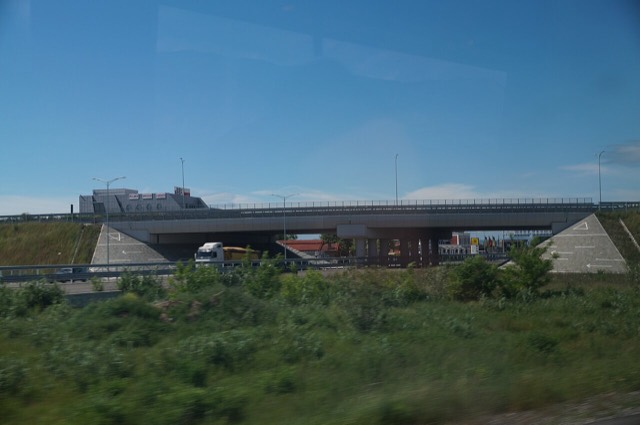
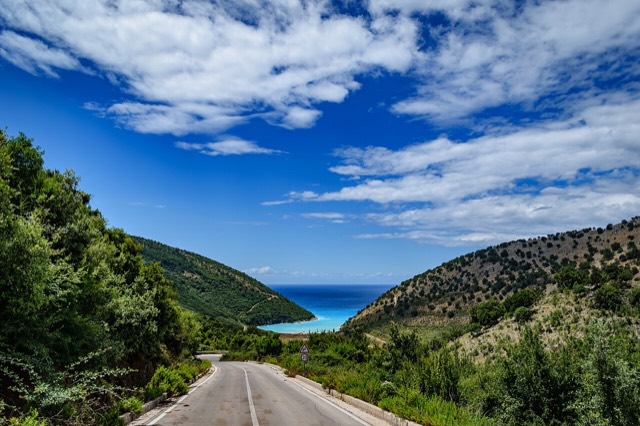
This is what most independent visitors do. Roads on the main corridors are good and improving. The reasons to hesitate are August traffic on the Riviera, unlit rural roads at night, and cross-border restrictions written into hire agreements.
Đường bộ · Durrës
A narrow, largely dormant network built after 1947; a rebuilt Durrës–Tirana line is the main active project.
Hướng dẫn
What to know before you book: how you get in, how you move around, what things cost, and what the country is not.
Hướng dẫn
The roads are better than the reputation and the driving is worse. What that means in practice.
Hướng dẫn
Shkodër to Sarandë is about 400 km. Done properly it takes two days; here is how the country splits up.
Hướng dẫn
Still one of the cheapest countries in Europe, though the Riviera in August is no longer cheap.
Có thông tin sai trên trang này? Chúng tôi hoan nghênh các đề nghị đính chính và sẽ đối chiếu với hồ sơ nguồn. Hãy cho chúng tôi biết điều gì sai và, nếu có thể, nguồn số liệu chính xác là ở đâu.