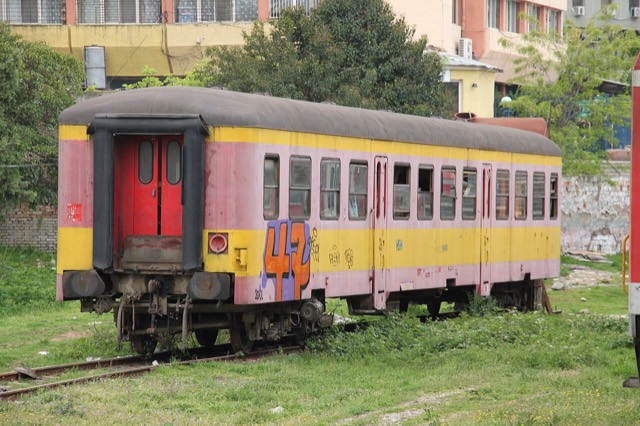
Yol · Durrës
Albanian Railways
A narrow, largely dormant network built after 1947; a rebuilt Durrës–Tirana line is the main active project.
Her il, her kıyı, her yüzyıl
Rehberli görünüm
Arnavutluk'a yeni misiniz? Her sayfa, ayrıntılara geçmeden önce on yaşında bir çocuğa okuyabileceğiniz sade bir açıklamayla başlar.
Uzman görünümü
Temel bilgileri zaten biliyorsunuz. Sade açıklamalar gizli, doğrudan özüne geçin. Bu varsayılan ayardır.
Rehber
Furgons, intercity buses, a near-dormant railway, and why most visitors end up hiring a car.
Kaydet
Albania has buses and shared minibuses called furgons. There is almost no useful train service. Most visitors hire a car because it is much faster and reaches places buses do not.
Albania has buses and shared minibuses called furgons. There is almost no useful train service. Most visitors hire a car because it is much faster and reaches places buses do not.
The furgon is the backbone of Albanian public transport: a minibus that leaves from a known departure point when it is full rather than at a fixed time. They are cheap and frequent on busy routes and unpredictable on quiet ones. Larger intercity coaches run the main corridors on something closer to a timetable.
There is no single national timetable. Departure points move. Asking locally on the day is not laziness — it is how the system works.
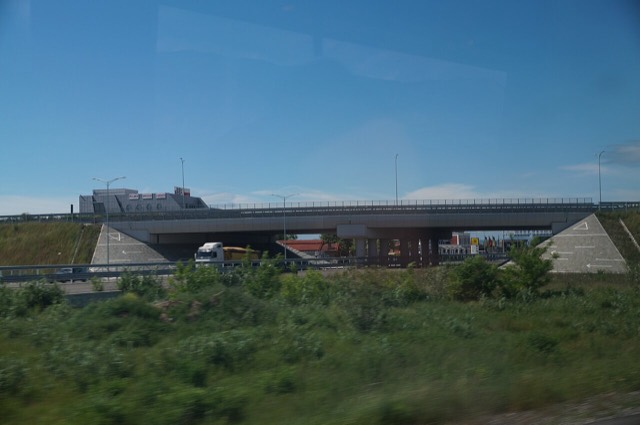
Albanian Railways runs a very limited service and most of the network is out of use. A rebuilt Durrës–Tirana line with an airport spur has been under construction. Do not plan a trip around Albanian trains without confirming the service is currently running.
Metered taxis operate in Tirana and the larger towns; agreeing the fare before setting off is normal outside the capital. App-based services operate in Tirana.
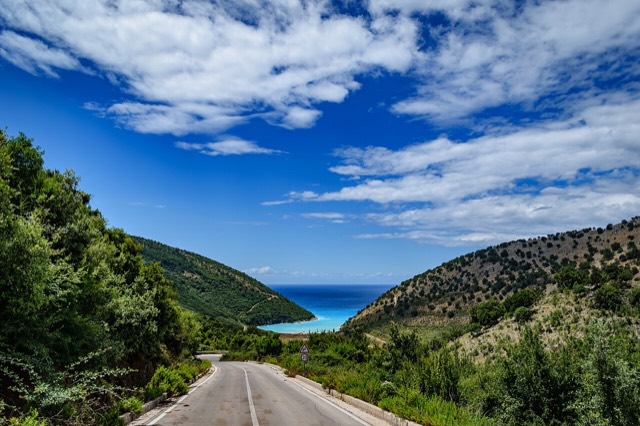
This is what most independent visitors do. Roads on the main corridors are good and improving. The reasons to hesitate are August traffic on the Riviera, unlit rural roads at night, and cross-border restrictions written into hire agreements.
Yol · Durrës
A narrow, largely dormant network built after 1947; a rebuilt Durrës–Tirana line is the main active project.
Rehber
What to know before you book: how you get in, how you move around, what things cost, and what the country is not.
Rehber
The roads are better than the reputation and the driving is worse. What that means in practice.
Rehber
Shkodër to Sarandë is about 400 km. Done properly it takes two days; here is how the country splits up.
Rehber
Still one of the cheapest countries in Europe, though the Riviera in August is no longer cheap.
Bu sayfada bir hata mı var? Düzeltmeler memnuniyetle karşılanır ve kaynak kayıtla karşılaştırılarak kontrol edilir. Neyin yanlış olduğunu ve mümkünse doğru rakamın kaynağını bize bildirin.