主题
Basic Albanian Phrases
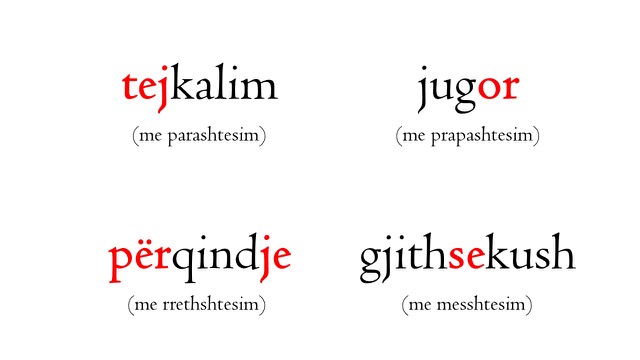
The forty or so words and phrases that cover most day-to-day exchanges for a visitor.
每个县、每段海岸、每个世纪
引导视图
初次了解阿尔巴尼亚?每个页面均以通俗易懂的说明开篇——即便是十岁的孩子也能读懂——随后再展开详细内容。
专业视图
您已掌握基础知识。直接进入正题,简明解释默认隐藏。此为默认模式。
指南
What to know before you book: how you get in, how you move around, what things cost, and what the country is not.
保存
If you have never been to Albania, the main things to know are: you fly into Tirana or take a ferry, you will probably want a hire car, cash is still useful, and the country is bigger and more mountainous than the beach photographs suggest.
If you have never been to Albania, the main things to know are: you fly into Tirana or take a ferry, you will probably want a hire car, cash is still useful, and the country is bigger and more mountainous than the beach photographs suggest.
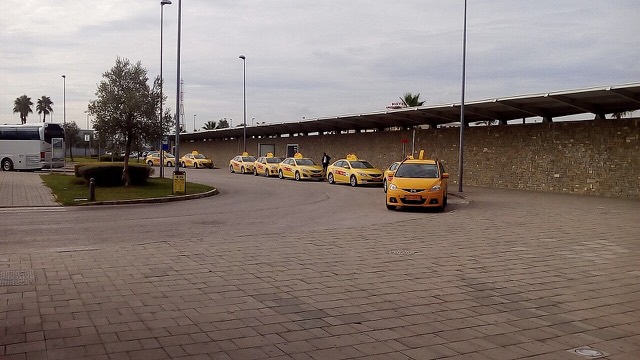
Most visitors fly into Tirana International Airport, about 17 km from the capital. Kukës in the north-east handles a small number of flights, and an airport near Vlorë has been under construction with repeatedly moved opening dates.
By sea: Durrës connects to Bari and Ancona, Vlorë sometimes to Brindisi, and Sarandë to Corfu — the last of these is the easiest way to combine Albania with Greece. Overland, the busiest crossings are with Kosovo on the A1, with Montenegro north of Shkodër, with North Macedonia near Pogradec, and with Greece at Kakavijë.
Albania admits citizens of many countries visa-free for stays of up to 90 days in 180, and it has historically applied a longer seasonal allowance to some nationalities. Entry rules change, and they are set by the Albanian government, not by the EU — Albania is not in the Schengen area.
Check the current rules with the Albanian Ministry for Europe and Foreign Affairs or your own foreign ministry before you travel. Nothing on this page is a substitute for that.
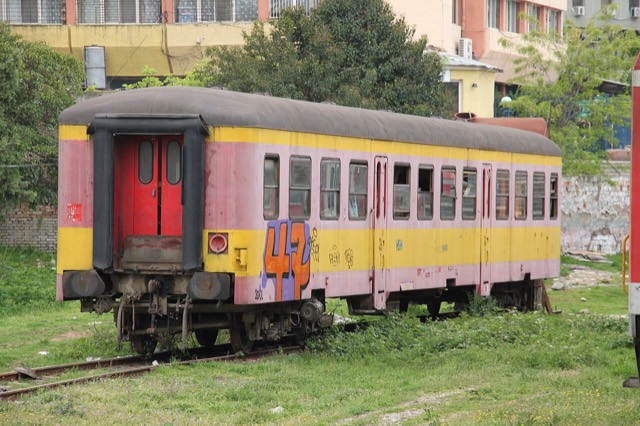
There is no usable national rail network for visitors. Intercity travel is by bus and by furgon — shared minibuses that leave when full from a known corner rather than to a printed timetable. They are cheap, frequent on main routes, and hard to plan a tight itinerary around.
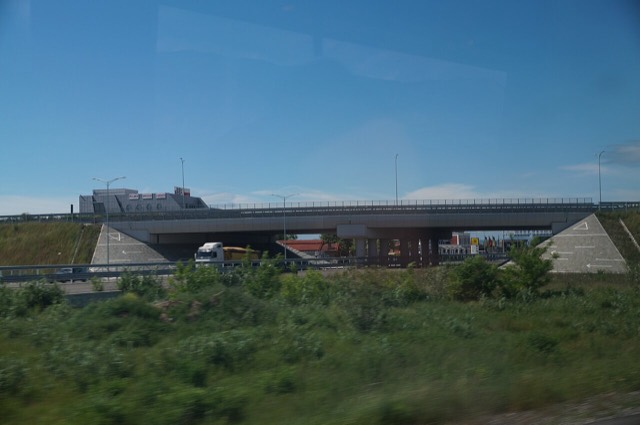
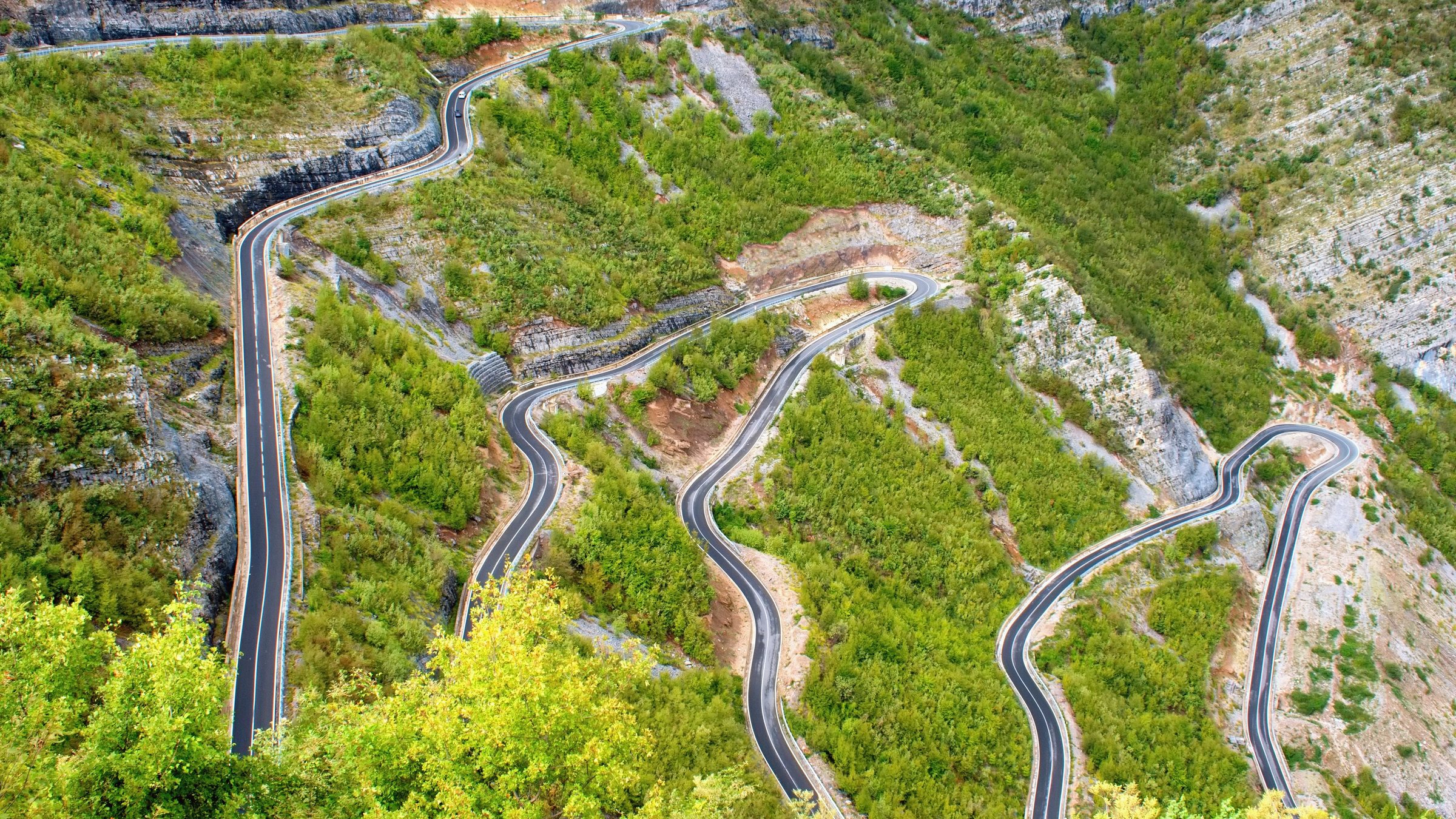
Most independent visitors hire a car. Roads on the main corridors are good; secondary mountain roads are not, and the Riviera's SH8 is a slow two-lane mountain road in August. See the driving guide for what this actually involves.
The currency is the lek (ALL). Cards are widely accepted in Tirana and the main coastal towns and much less so in villages, at small guesthouses, and for furgons. ATMs are common but many charge a fee; some let you decline their conversion rate, which is usually worth doing.
Rents, property and some tourist services are quoted in euros. Paying euros in cash for a small purchase usually gets you a poor rate.
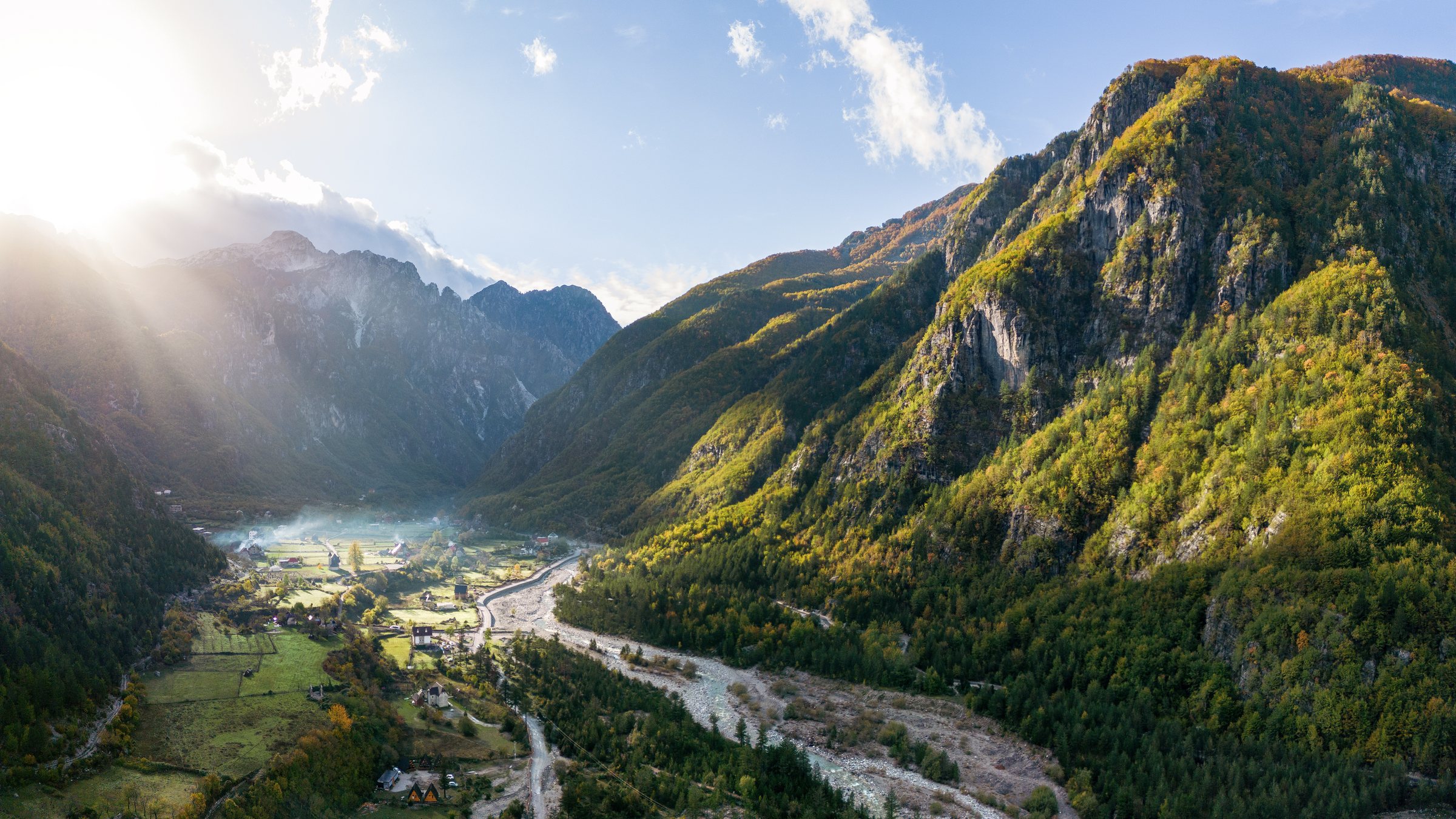
It is not a compact beach destination. Driving from Shkodër to Sarandë is a full day. The mountains are real mountains, and the distance between the Riviera and the Alps is the length of the country.
It is also not undiscovered. Visitor numbers rose sharply from about 2015, and in August the Riviera is busy, expensive and short of water in places. The quiet Albania in the photographs mostly exists in June, September, and inland.
主题
The forty or so words and phrases that cover most day-to-day exchanges for a visitor.
指南
June and September give you the coast without the July–August crush; May and October are the best value; the mountains have a…
指南
The roads are better than the reputation and the driving is worse. What that means in practice.
指南
Furgons, intercity buses, a near-dormant railway, and why most visitors end up hiring a car.
指南
One main airport, four ferry corridors, and four land borders that all behave differently.
指南
Low levels of violent crime against visitors, a poor road-safety record, and a reputation shaped more by organised crime abroad…
本页内容有误? 欢迎提交更正意见,所有意见均会与原始记录核对。请告知错误所在,如能提供正确数据的出处,请一并注明。