Công nghiệp
Tourism in Albania
The fastest-growing part of the economy, concentrated on the southern coast and in a short summer season.
Mọi hạt, mọi bờ biển, mọi thế kỷ
Chế độ hướng dẫn
Mới tìm hiểu về Albania? Mỗi trang mở đầu bằng một giải thích ngôn ngữ đơn giản mà bạn có thể đọc cho một đứa trẻ mười tuổi, trước khi đi vào chi tiết.
Chế độ chuyên gia
Bạn đã nắm được những điều cơ bản. Đi thẳng vào nội dung, với các giải thích đơn giản được ẩn đi. Đây là chế độ mặc định.
Hướng dẫn
A market driven by the diaspora, tourism and construction — and shaped by an unresolved post-communist title history.
Lưu
Property in Albania has become much more expensive in Tirana and on the coast over the last decade. A lot of building is going on. Who legally owns what is sometimes complicated because of what happened after communism ended.
Property in Albania has become much more expensive in Tirana and on the coast over the last decade. A lot of building is going on. Who legally owns what is sometimes complicated because of what happened after communism ended.
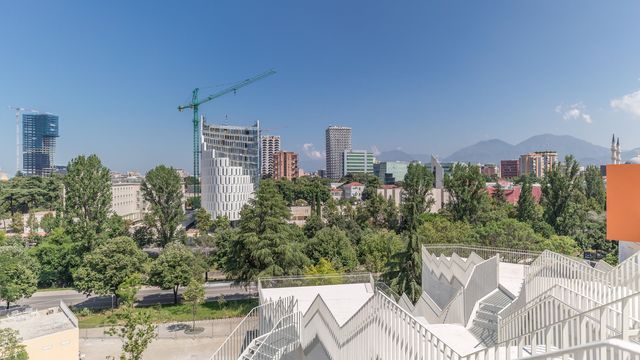
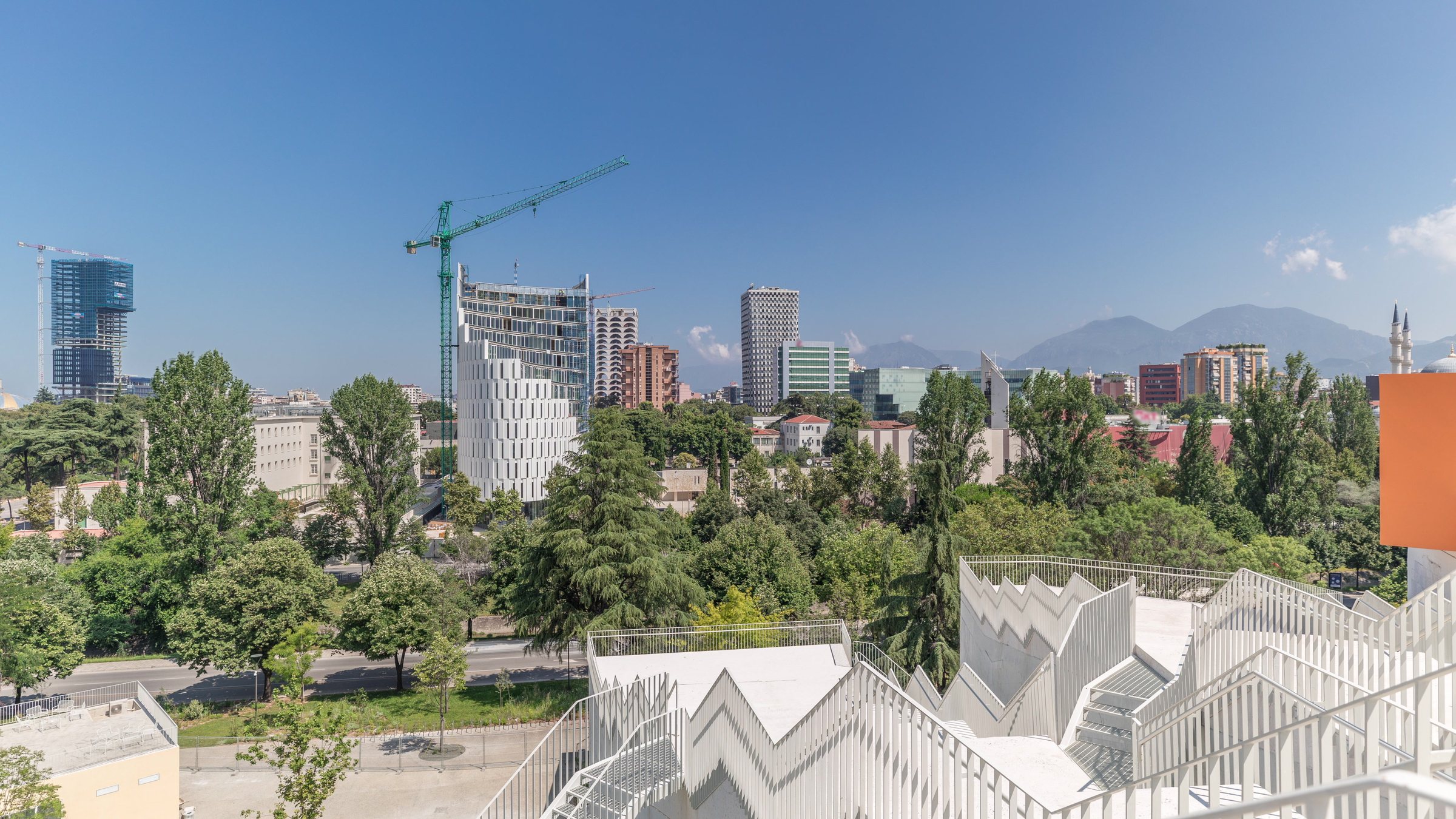
Tirana is a domestic market driven by urbanisation, diaspora purchases and a large construction pipeline. The coast is a holiday and investment market, concentrated in Sarandë, Ksamil, Vlorë, Durrës and Lalzit Bay, and heavily dependent on tourism demand and off-plan sales.
Between 1945 and 1991 private property was abolished. After 1991 the state restituted and privatised on a very large scale, in parallel with mass internal migration and a great deal of unpermitted construction that was later legalised. The result is a register that is still being reconciled.
For a buyer this is not an abstraction. Overlapping claims, unregistered inheritances and buildings whose legalisation is incomplete are ordinary findings in a title search.
Construction and real estate in Albania have been repeatedly identified by MONEYVAL, the European Commission and domestic institutions as sectors carrying money-laundering risk. This is a matter of public record and it is one reason due diligence on a counterparty matters as much as due diligence on a title.
Công nghiệp
The fastest-growing part of the economy, concentrated on the southern coast and in a short summer season.
Công nghiệp
One of the largest contributors to growth, and the sector most exposed to tourism demand.
Hướng dẫn
Foreign buyers may generally purchase built property — the risk is not the rule, it is the title.
Hướng dẫn
Cheap by European standards, largely informal, and priced in euros in the places foreigners want.
Bãi biển · Vlorë
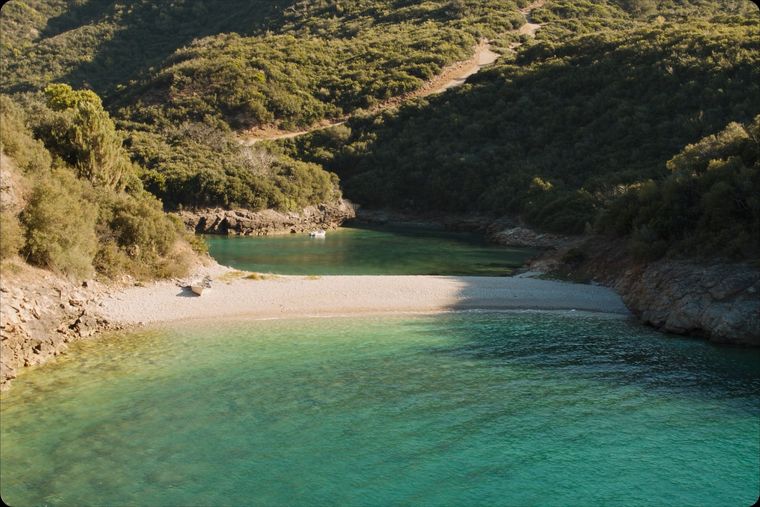
A deep, clear bay north of Sarandë, long the subject of a contested development.
Bãi biển · Durrës
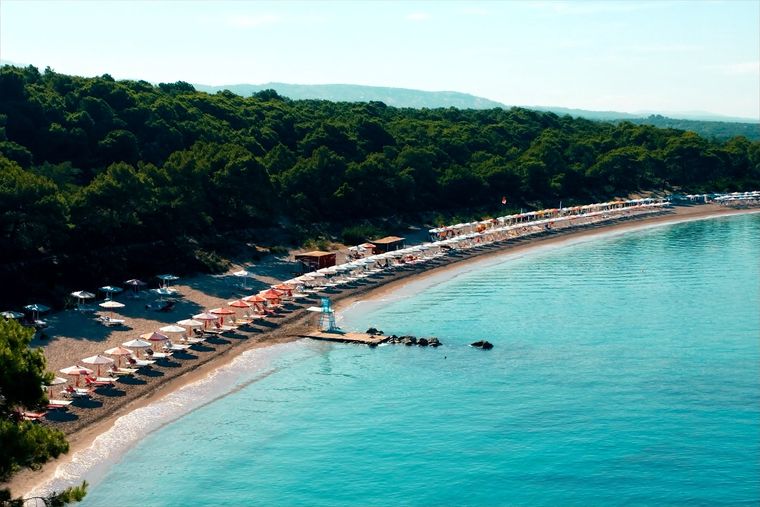
A pine-backed sand bay north of Durrës that has become Albania's main resort-property zone.
Có thông tin sai trên trang này? Chúng tôi hoan nghênh các đề nghị đính chính và sẽ đối chiếu với hồ sơ nguồn. Hãy cho chúng tôi biết điều gì sai và, nếu có thể, nguồn số liệu chính xác là ở đâu.