City · Berat
Berat
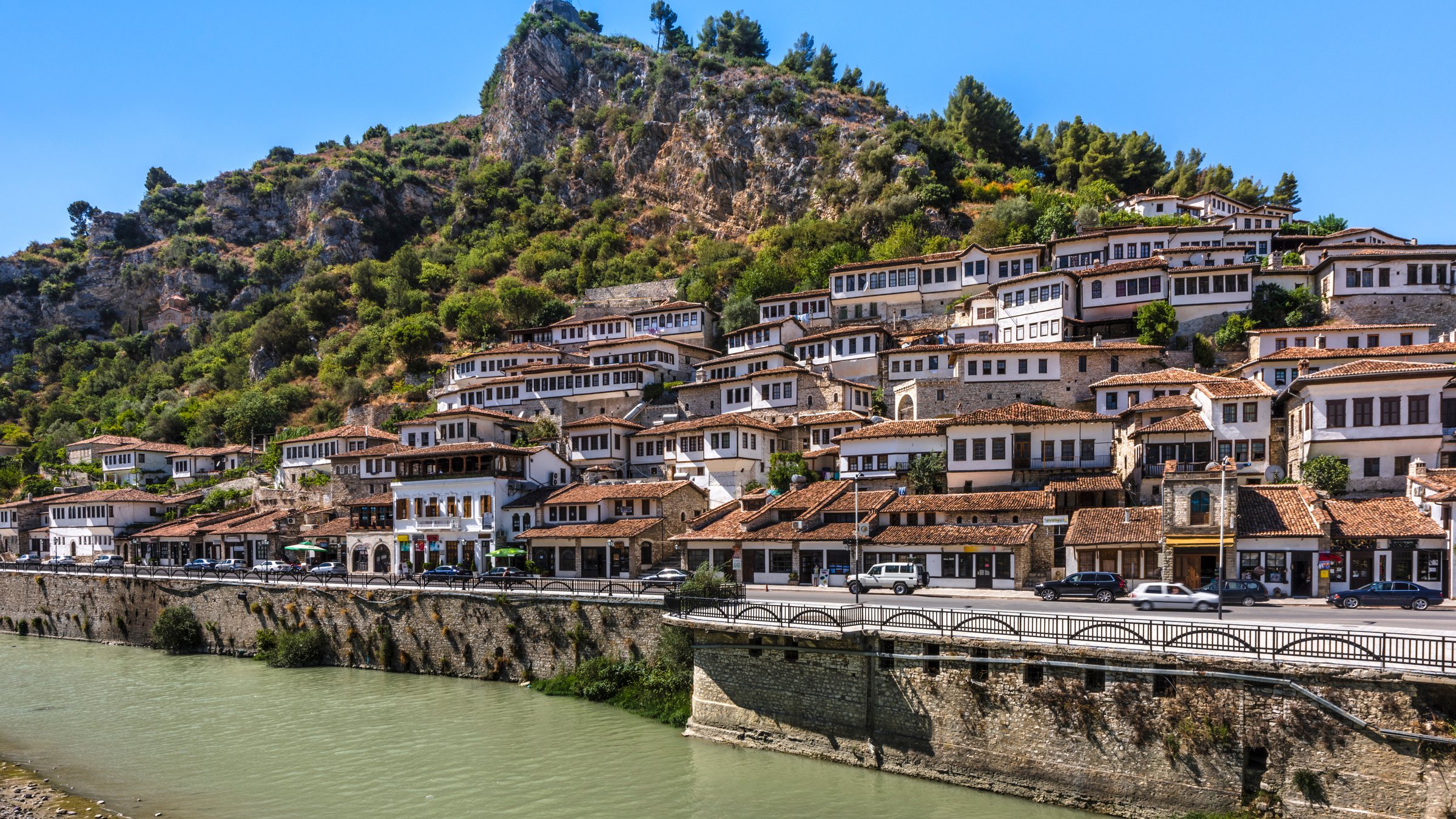
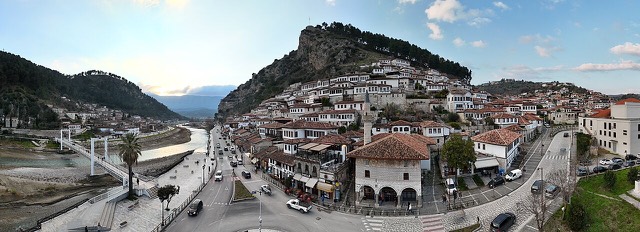
The 'city of a thousand windows': an Ottoman hill town under a still-inhabited castle, UNESCO-listed since 2008.
Every county, coast and century
Guided view
New to Albania? Every page opens with a plain-language explanation you could read to a ten-year-old, before the detail begins.
Expert view
You already know the basics. Straight to the substance, with the simple explanations hidden. This is the default.
Guide
Tirana, Berat, Gjirokastër and the far south in five days: the shortest trip that still shows the country's two great stone towns and its clearest sea.
Save
Albania in 5 Days: An Itinerary is a one-way southern route through Albania, running from Tirana to Sarandë. It covers the capital, the Ottoman stone towns of Berat and Gjirokastër, and the beaches and ancient ruins of the far south. It is best known as a first-visit itinerary combining two UNESCO World Heritage towns with the country's clearest coastal water.
Five days is enough for one direction: the capital, two old Ottoman towns, and the beaches and ruins in the far south. It is a southern trip; the northern mountains need more time.
Five days is enough for one direction: the capital, two old Ottoman towns, and the beaches and ruins in the far south. It is a southern trip; the northern mountains need more time.
This is the route for a first visit with a long weekend plus a day or two, or for anyone who wants the south only. It runs one way, north to south, and ends at Sarandë, which has a short ferry to Corfu. Flying home from Tirana instead means a drive of about five hours back up the country on the last day, so it works best as an open-jaw trip: fly into Tirana and leave through Corfu.
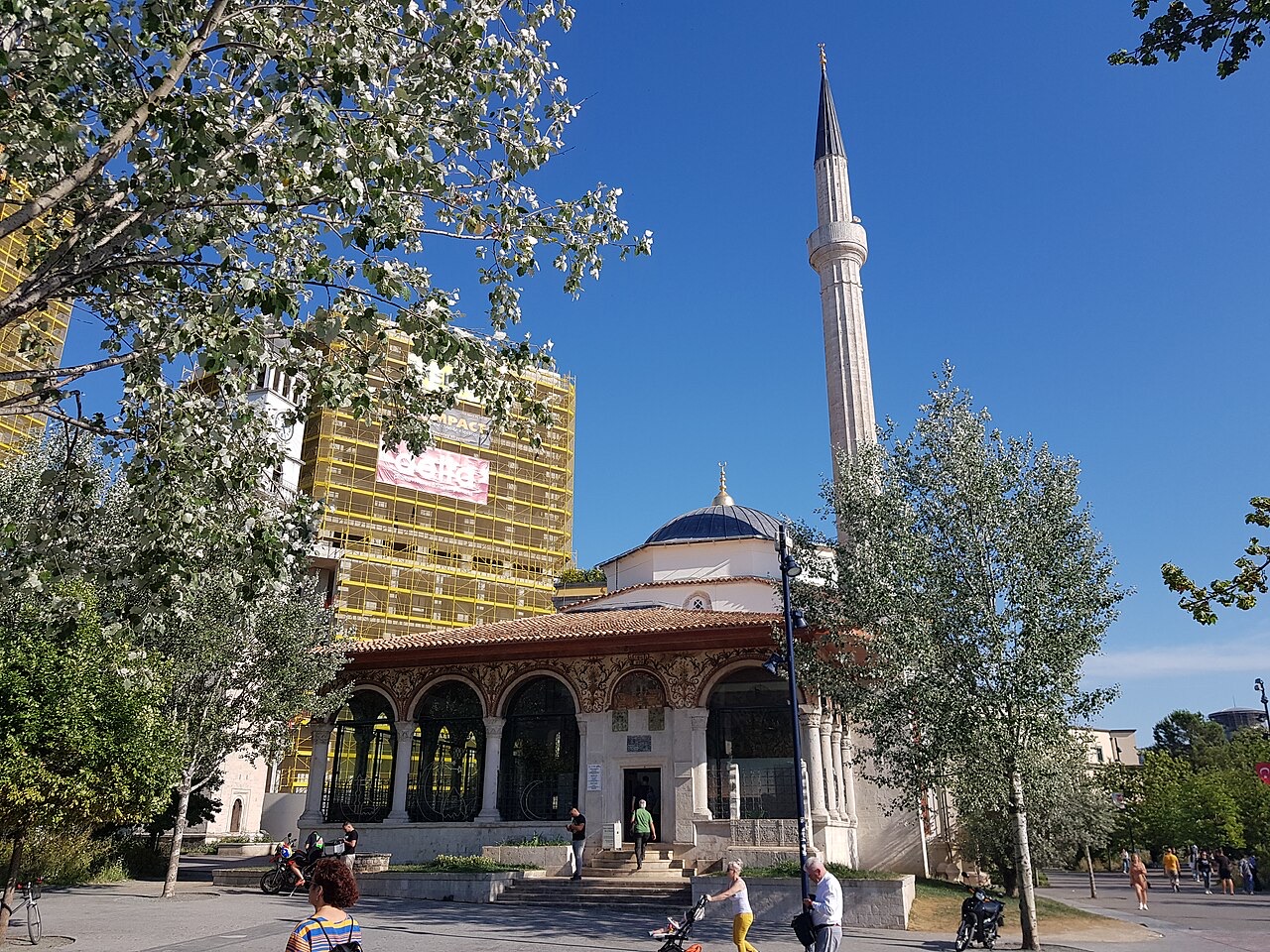
Tirana repays a first afternoon better than its reputation suggests. Skanderbeg Square, the Et'hem Bey Mosque and the clock tower sit together at the centre; Bunk'Art 2, a former nuclear bunker turned museum of the communist police state, is a short walk away. The Blloku district, once reserved for the party leadership, is where the city eats and drinks in the evening.
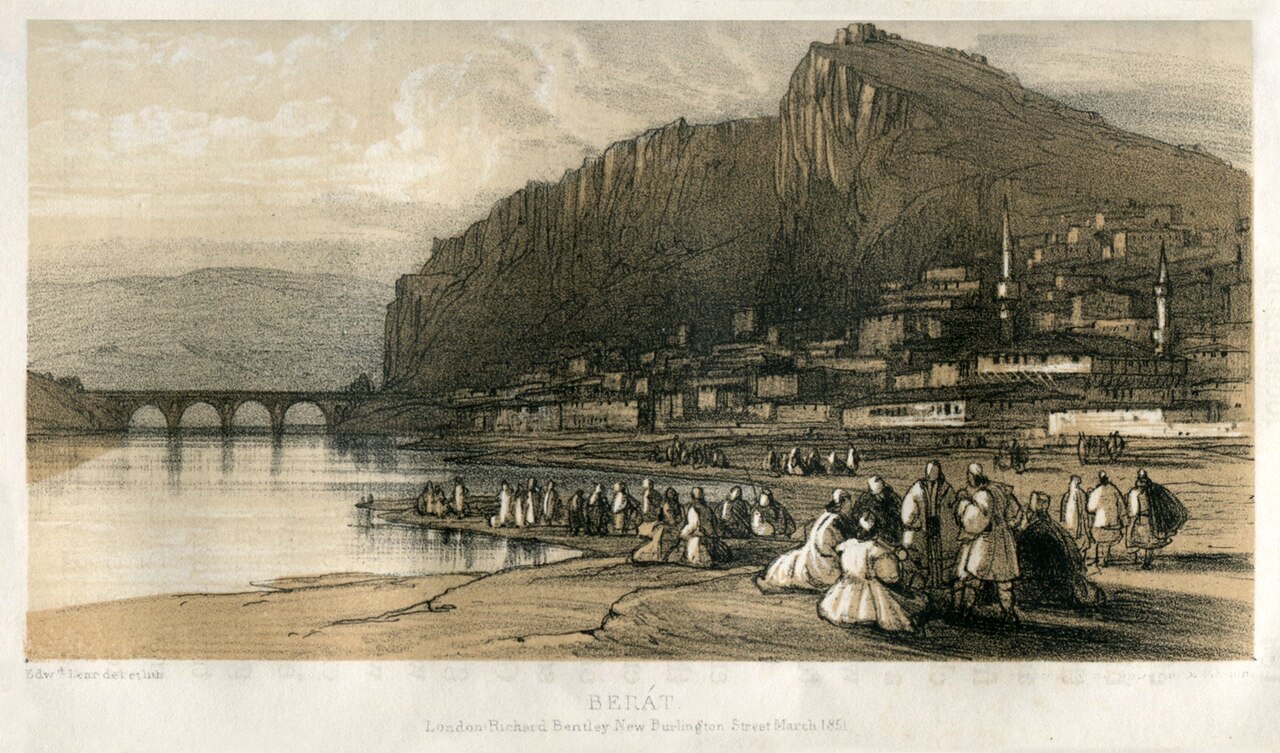
Berat is about two hours south by road. The town climbs a hillside in rows of white Ottoman houses with many windows, which gave it the name 'city of a thousand windows'. The castle on the hilltop is still lived in, and its Onufri Museum holds the icons of Albania's best-known 16th-century painter. Stay overnight; the town is at its best in the evening, when the riverside promenade fills.
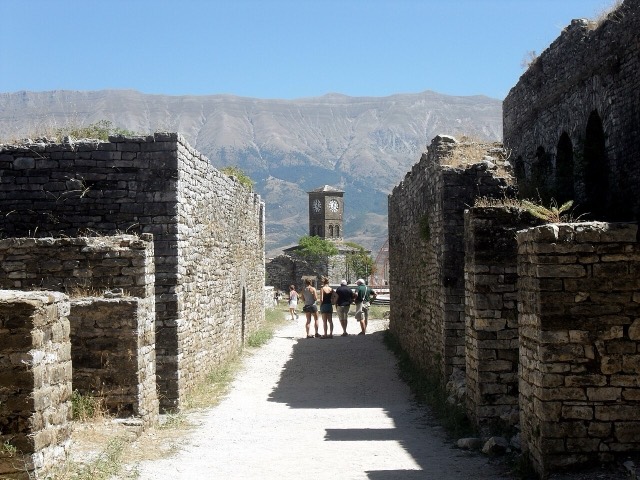
Gjirokastër, about three hours further south through the Vjosa valley, is Berat's stone counterpart: grey slate roofs, fortified tower houses, and one of the largest castles in the Balkans above the old bazaar. Skenduli House and the Zekate House show how a wealthy Ottoman-era family lived. Like Berat it is a UNESCO World Heritage town.
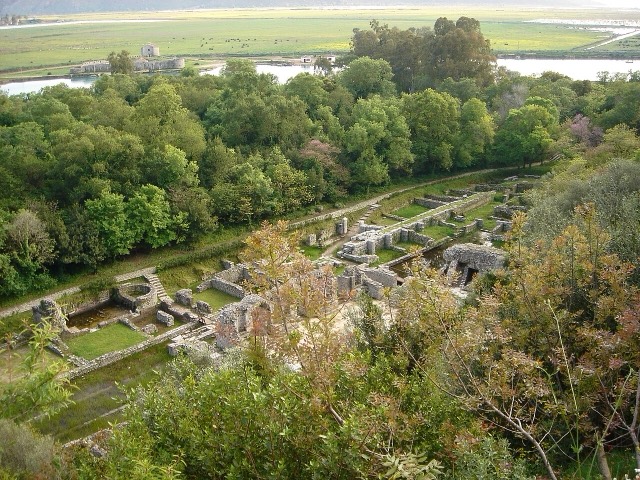
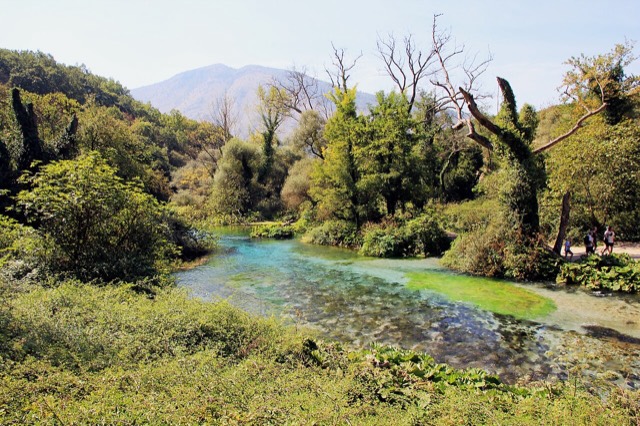
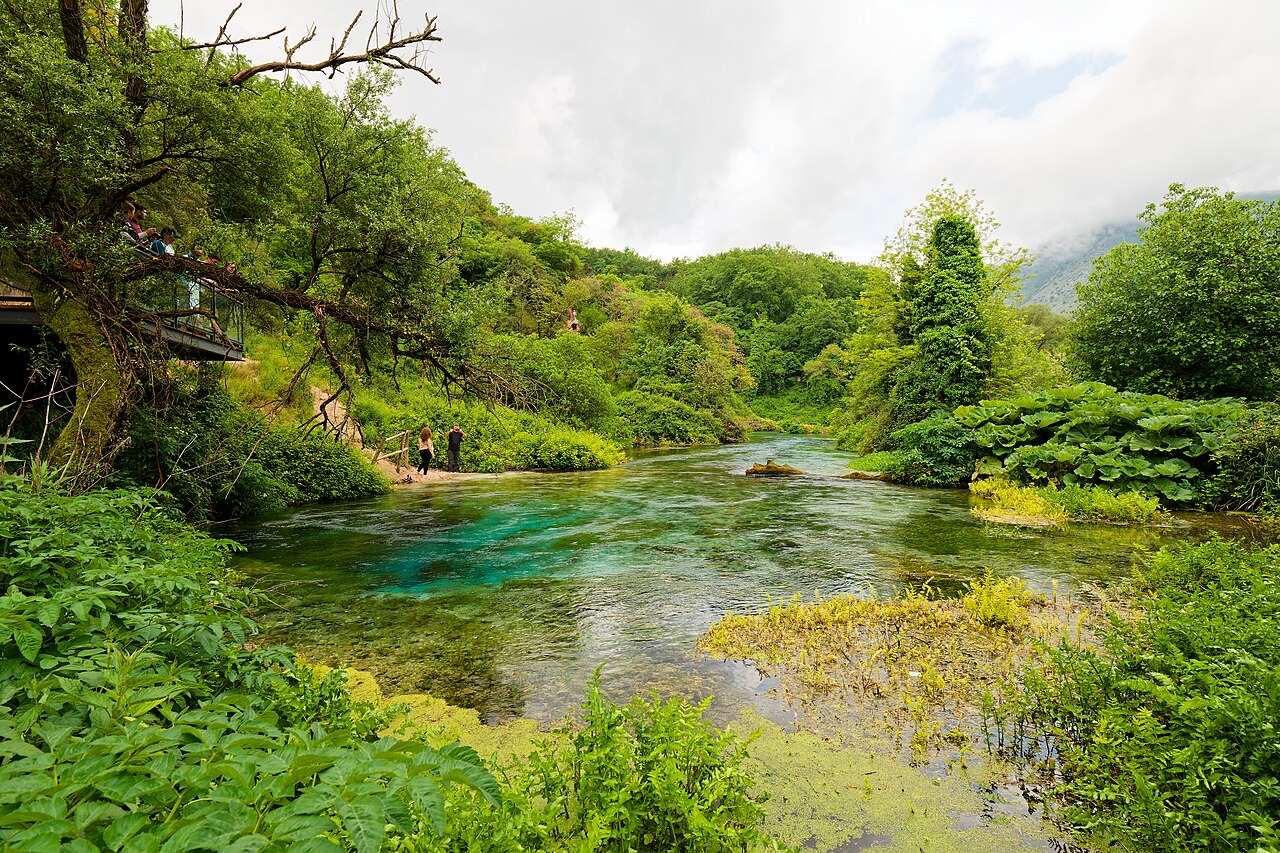
The road from Gjirokastër to Sarandë passes the Blue Eye, a karst spring where clear water wells up from a deep blue pool; it is a short walk from the parking area. Continue to Sarandë and on to Butrint, at the southern tip of the country, where Greek, Roman, Byzantine and Venetian remains share a wooded peninsula. Allow at least three hours there.
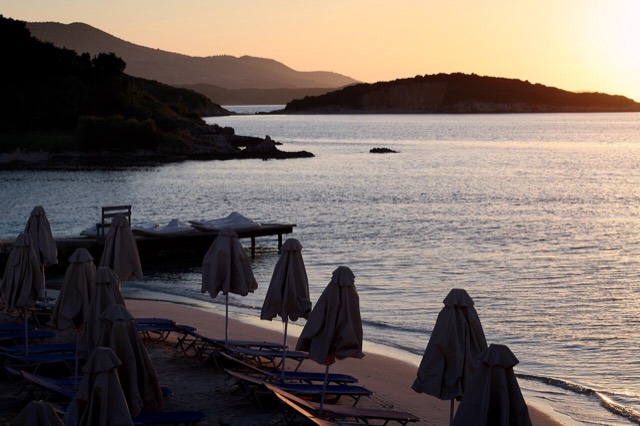
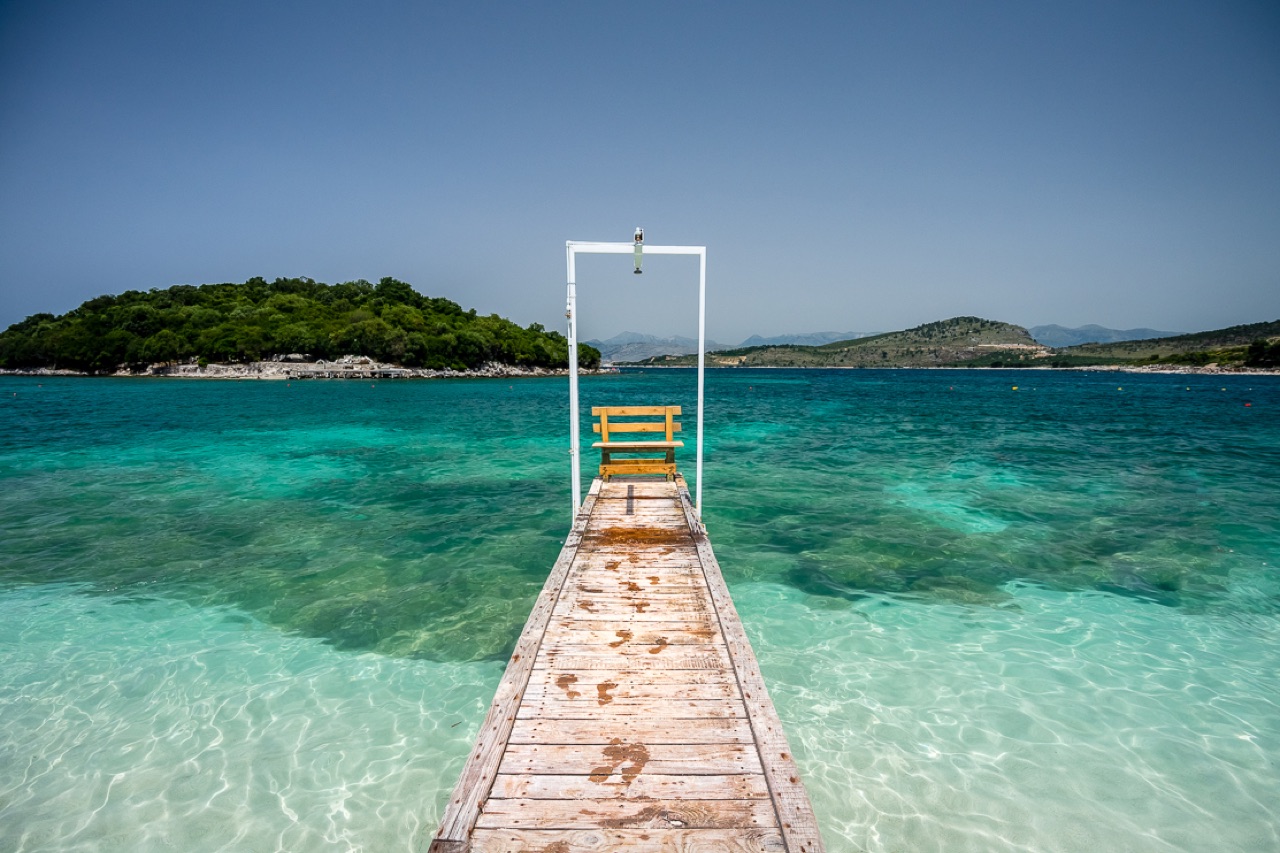
Ksamil, a few kilometres north of Butrint, has the shallow, very clear water and small islands that appear on most photographs of the Albanian coast. A morning on the beach leaves time for the afternoon ferry from Sarandë to Corfu, or for the drive back north.
A hire car makes this route much easier, though buses link every stop: Tirana–Berat, Berat–Gjirokastër and Gjirokastër–Sarandë all run several times a day. In July and August book rooms in Ksamil and Sarandë well ahead. With one more day, add a night on the Riviera at Himarë, as in the seven-day route.
The itinerary covers Tirana, Berat, Gjirokastër, the Blue Eye spring, Butrint, Ksamil and Sarandë, running one way from north to south. It is designed as a first visit to the Albanian south, combining the capital, two old Ottoman towns, ancient ruins and beaches in five days.
The best months for this itinerary are May to June and September to October. In July and August, rooms in Ksamil and Sarandë need to be booked well ahead, as demand along the southern coast is high during those months.
The route runs one way, starting in Tirana and ending in Sarandë, where a short ferry connects to Corfu. It works best as an open-jaw trip, flying into Tirana and leaving through Corfu, because flying home from Tirana instead requires a drive of about five hours back up the country on the last day.
The itinerary can be done without a hire car, as buses link every stop on the route. Services between Tirana and Berat, Berat and Gjirokastër, and Gjirokastër and Sarandë all run several times a day, though a hire car makes the route much easier.
Butrint, at the southern tip of Albania, contains Greek, Roman, Byzantine and Venetian remains on a wooded peninsula. The itinerary recommends allowing at least three hours there. It is reached by continuing south from the Blue Eye spring and Sarandë.
The two UNESCO World Heritage towns on the itinerary are Berat and Gjirokastër. Berat is known for its white Ottoman houses with many windows and a hilltop castle that is still lived in, while Gjirokastër is known for grey slate roofs, fortified tower houses and one of the largest castles in the Balkans.
City · Berat
The 'city of a thousand windows': an Ottoman hill town under a still-inhabited castle, UNESCO-listed since 2008.
Historic site · Vlorë
A Greek, Roman, Byzantine, Venetian and Ottoman city layered on one wooded peninsula — Albania's first UNESCO site.
City · Gjirokastër
The 'stone city': slate-roofed tower houses on a steep slope beneath one of the Balkans' largest castles.
Town · Vlorë
Four small islands and very clear shallow water; the most photographed and most crowded stretch of the Albanian coast.
Spring · Vlorë
A karst spring of extraordinary clarity whose bottom has never been definitively reached.
Guide
A week covers Tirana, Krujë, Berat, Gjirokastër, the Blue Eye, Butrint and the Riviera, returning to Tirana over the Llogara Pass.
Guide
What to know before you book: how you get in, how you move around, what things cost, and what the country is not.
Guide
Two stone cities, the country's best archaeology, a wild river, and the Riviera behind it.
Something wrong on this page? Corrections are welcome and are checked against the source record. Tell us what is wrong and, if you can, where the right figure comes from.