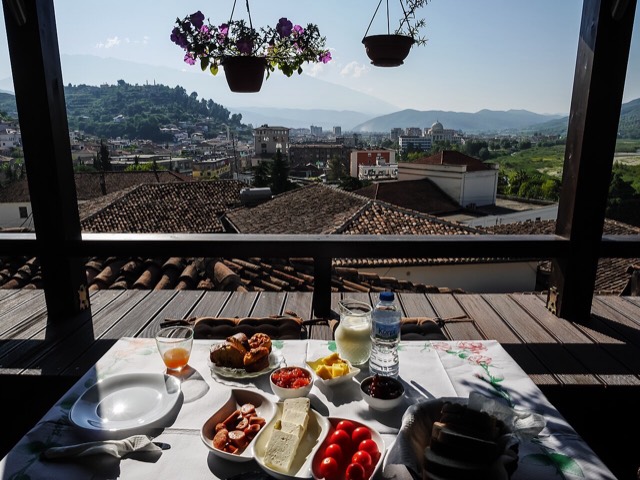
City
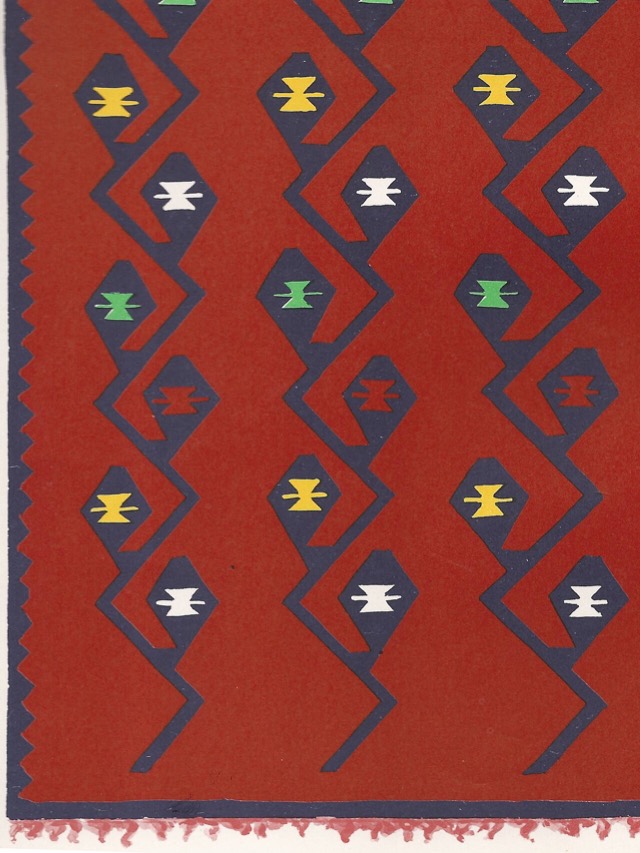
Korçë
The highland city of serenades, the first Albanian-language school, and the country's oldest brewery.
🧭 Guided view
New to Albania? Every page opens with a plain-language explanation you could read to a ten-year-old, before the detail begins.
⚡ Expert view
You already know the basics. Straight to the substance, with the simple explanations hidden. This is the default.
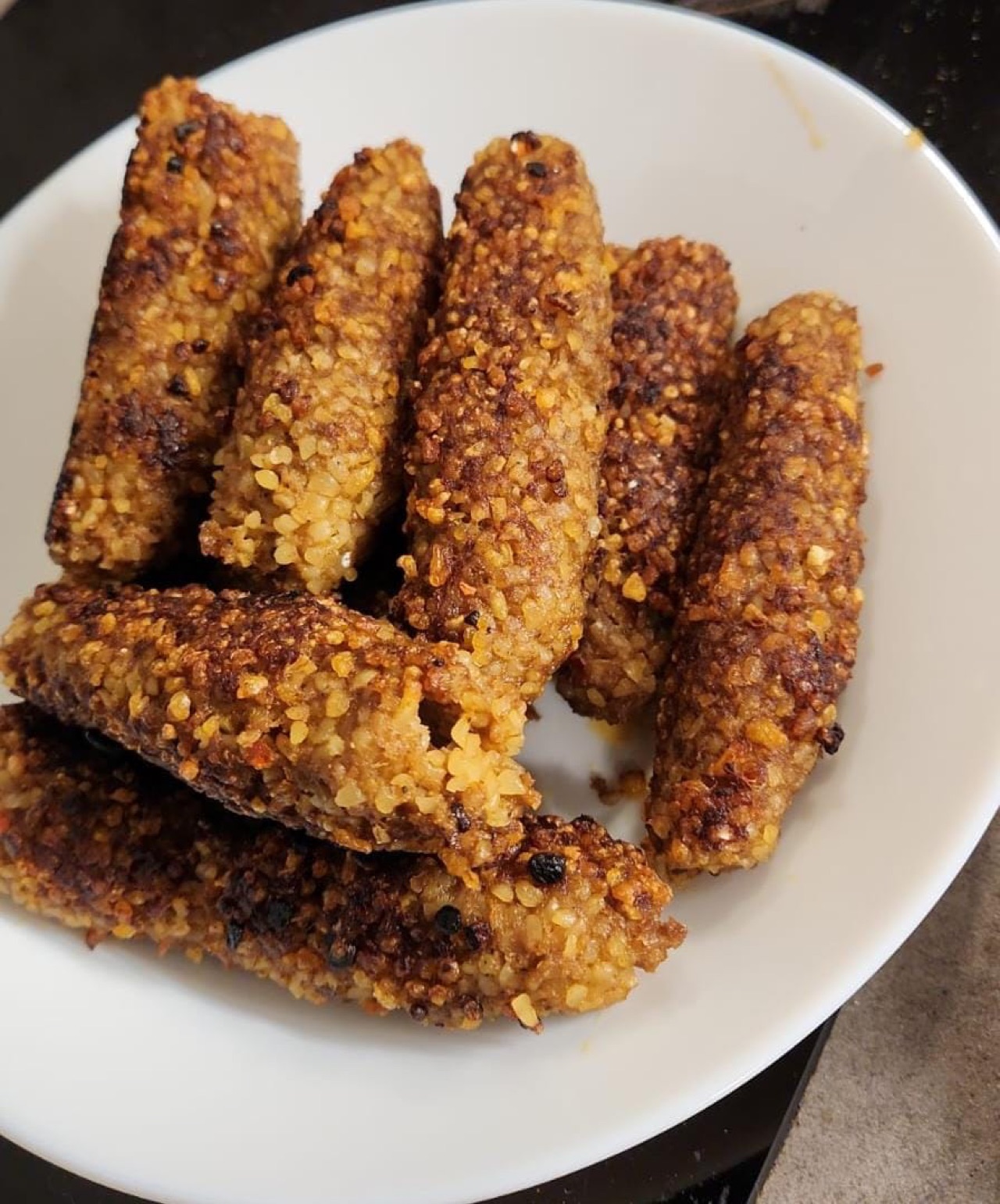
Qofte are small flat meatballs, usually beef or lamb, mixed with onion and herbs and then grilled or fried. Korçë has its own version fried in a pan.
Qofte are small flat meatballs, usually beef or lamb, mixed with onion and herbs and then grilled or fried. Korçë has its own version fried in a pan.
Qofte is the Albanian form of kofta, a broad family of meatball and meatloaf dishes found across South Asian, Central Asian, Balkan, Middle Eastern, North African, and South Caucasian cuisines. The dish appears in the traditional cuisines of a wide arc of countries including Albania, Bosnia and Herzegovina, Bulgaria, Greece, North Macedonia, Serbia, Armenia, Georgia, Turkey, Lebanon, Palestine, Syria, Egypt, Iran, Morocco, India, and Pakistan, among others. In their simplest form, koftas consist of balls of minced meat mixed with spices and sometimes additional ingredients.
The name itself derives from the Hindi-Urdu and Persian word meaning 'pounded meat'. Although the term entered English in 1832 via the text Qanoon-e-Islam and was used again by James Wise in 1883, the culinary tradition it describes is considerably older. Albanian qofte represents a regional adaptation of this widely distributed preparation, shaped by Balkan culinary conventions.
The earliest known recipes for kofta appear in early Arab cookbooks and in records from the Byzantine Empire. These initial recipes called specifically for ground lamb, formed into large meatballs and triple-glazed in a mixture of saffron and egg yolk. This glazing technique subsequently spread westward, where it became known as 'gilding' or 'endoring'.
The ancient Roman cookbook Apicius also included multiple meatball-type recipes, though these predate the Arab and Byzantine kofta tradition as a distinct category. Over time, kofta preparations spread from the Middle East into Central Asia and the Indian subcontinent, where, according to food historian Alan Davidson, Nargisi kofta was served at the Mughal court. The Balkans, including Albania, received the dish through the broad regional diffusion of this culinary tradition.
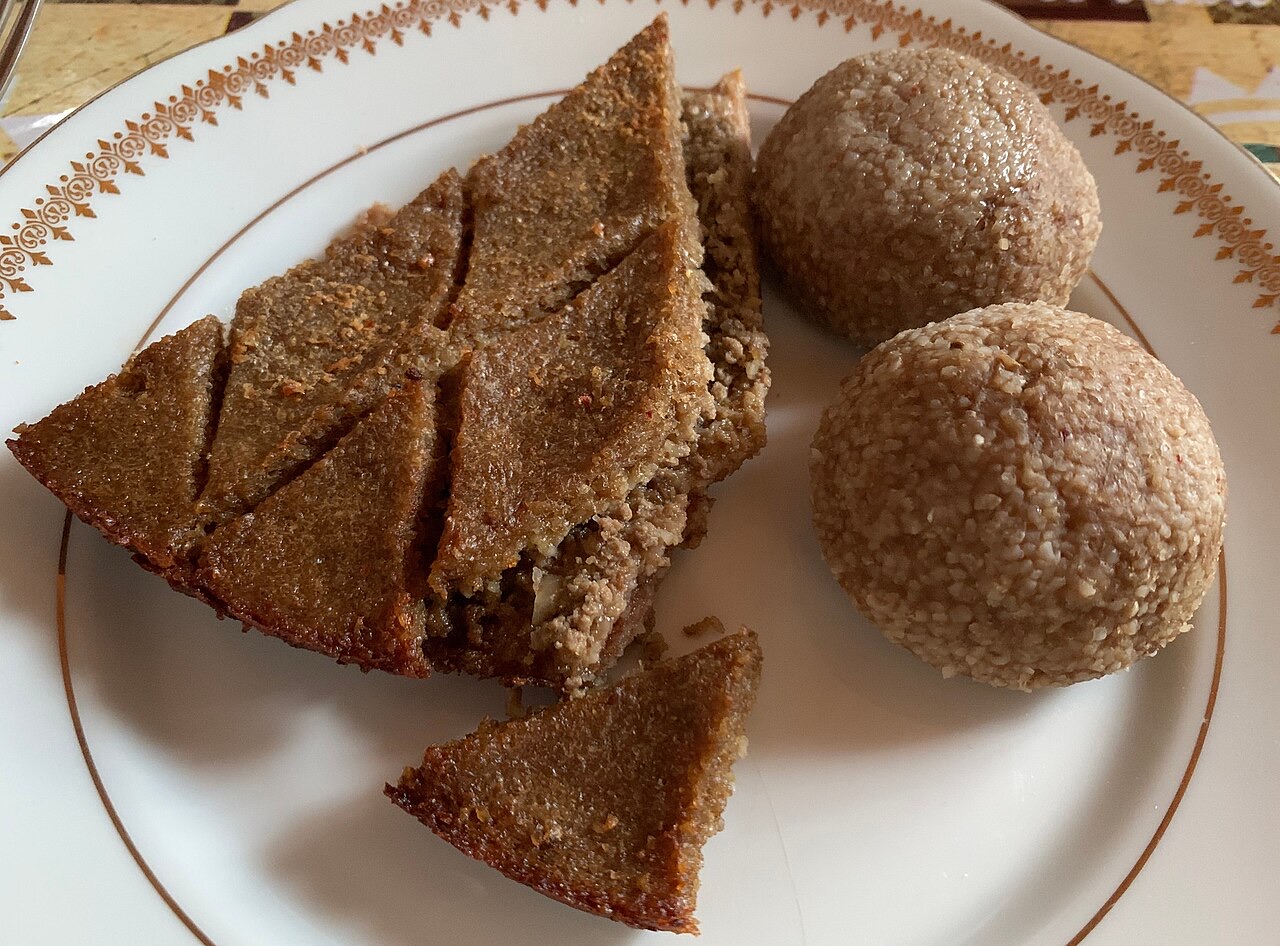
Meat used in qofte and related kofta dishes is typically beef, chicken, lamb, mutton, or a mixture of these. Camel meat appears in some traditions; pork is seldom used. The meat is combined with spices and frequently with additional ingredients such as rice, bulgur, vegetables, or eggs to form a paste. Nuts, cheese, or eggs may also be folded into the mixture, and some versions are stuffed with these same ingredients.
Cooking methods vary considerably across the family: koftas can be grilled, fried, steamed, poached, baked, or marinated. They may be served with a spiced sauce, in a soup, or in a stew. Shapes include balls, patties, and cylinders. The size range across all variants runs from approximately the size of a golf ball to the size of an orange, though the Azerbaijani Tabriz köftesi is notably larger, averaging 20 centimetres in diameter.
Non-meat versions exist within the broader kofta family, including preparations made from fish, vegetables, or cottage cheese. The Levantine variant, pronounced kafta, is typically made with minced beef or lamb mixed with onion, parsley, and spices, and may be shaped into cylinders, patties, or balls before grilling, baking, or pan-frying.
Albania is listed among the countries where kofta appears in traditional cuisine, alongside its Balkan neighbours Bosnia and Herzegovina, Bulgaria, Greece, North Macedonia, and Serbia. The Balkan region as a whole represents one of the major zones of kofta distribution, sitting between the Middle Eastern and Central Asian origins of the dish and its westward diffusion.
Within the Balkans, the kofta family is also referenced under the related name ćufte. The shared culinary vocabulary across the region reflects historical patterns of exchange, including periods of Ottoman influence that spread many common preparations, ingredients, and cooking techniques across southeastern Europe.
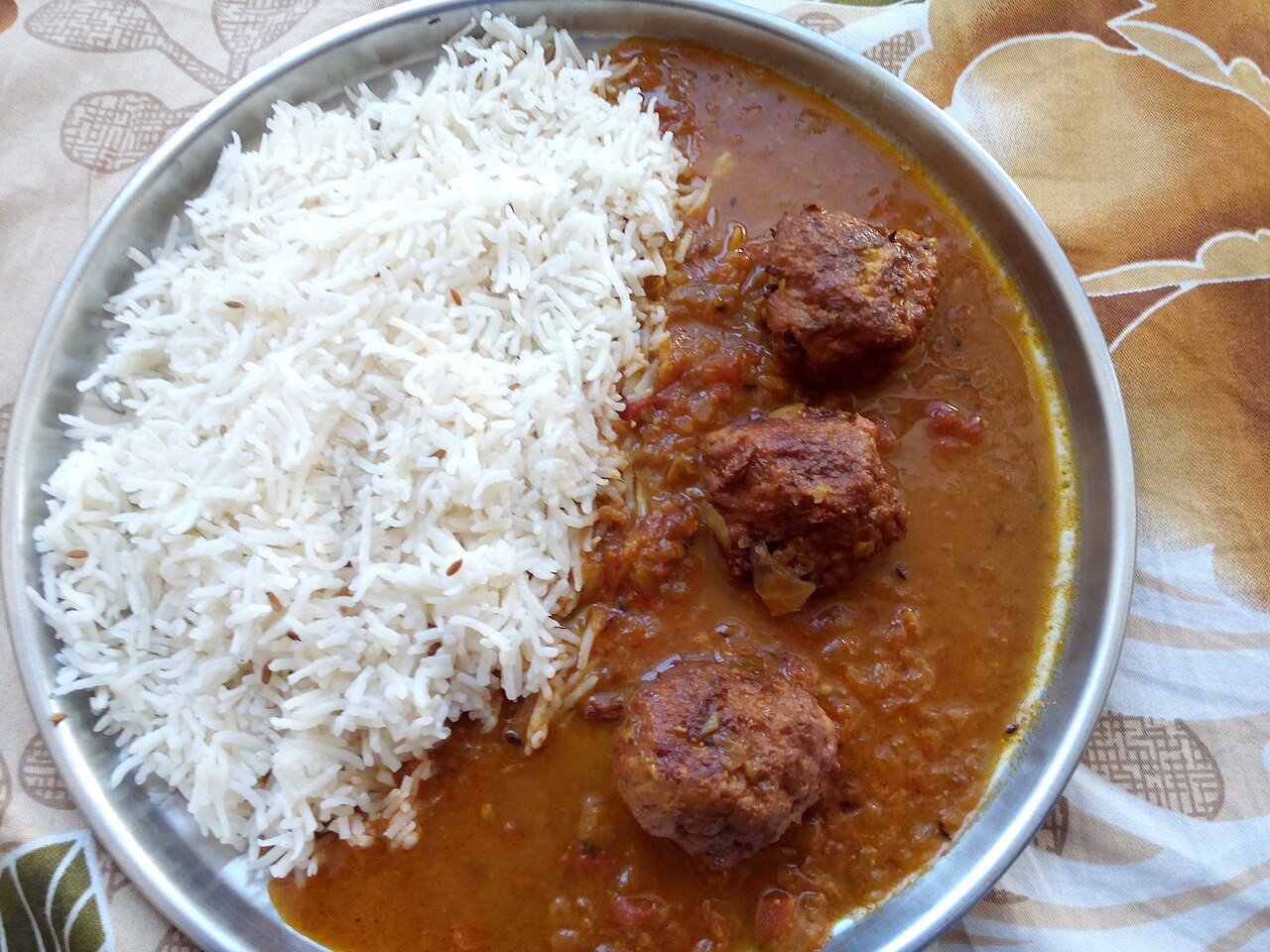
The broader kofta family includes a substantial number of named national and regional variants. In Iranian cuisine alone, distinct named preparations include Koofteh Berenji, Koofteh Hamedani, Koofteh Nar, Koofteh Tabrizi, and Koofteh Shirin-e Kermanshahi. Azerbaijani cuisine features Tabriz köftesi, distinguished by its unusually large diameter of approximately 20 centimetres. Bulgarian cuisine includes Tatarsko kyufte, identified as a Tatar-derived version.
Greek cuisine contributes vegetarian variants: tomatokeftedes, made with tomatoes, and kolokithokeftedes, made with courgettes and feta cheese. Çiğ köfte, found in both Turkish and Armenian traditions, is made with bulgur and raw meat. In Kurdish cuisine, doughawa is typically stuffed with fried onions and eggs and served in a yogurt soup. The arayes variant, found in Levantine cuisine, uses pita bread stuffed with kufta and grilled. Indian variants include Malai kofta and Nargisi kofta, the latter featuring a hard-boiled egg wrapped within the kofta mixture.
In Turkey, kofta is described by food writer Engin Akın as 'a preferred offering at communal gatherings of all kinds', indicating the dish's social function beyond simple nutrition. The preparation is embedded in hospitality and collective eating practices across multiple cultures in which it appears.
In Armenia and Azerbaijan, kofta carries particular weight as a marker of ethnic identity. Along with dolma, lavash, harissa, kebabs, and pahlava, it is described as a dish of 'clearly symbolic ethnic significance', frequently contested by gastronationalists in both countries who claim it as their own traditional preparation appropriated by the other. This pattern of culinary dispute reflects broader tensions over shared cultural heritage in the South Caucasus region. The dish is also significant among Kurdish and Assyrian communities, where it forms part of distinct culinary identities.
These are real relationships in the Atlas — places that are near this one, and subjects it genuinely belongs with. Nothing here is a generic recommendation.
The highland city of serenades, the first Albanian-language school, and the country's oldest brewery.
Mediterranean at the coast, Balkan and Ottoman inland, dairy-heavy in the mountains.
The sections marked “deep dive” above were written for this Atlas from the source article named below, which was read in full (5,096 characters). They are AI-assisted research over that document, checked against the curated facts on this page. Verify anything consequential against a primary source.
Something wrong on this page? Corrections are welcome and are checked against the source record. Tell us what is wrong and, if you can, where the right figure comes from.